
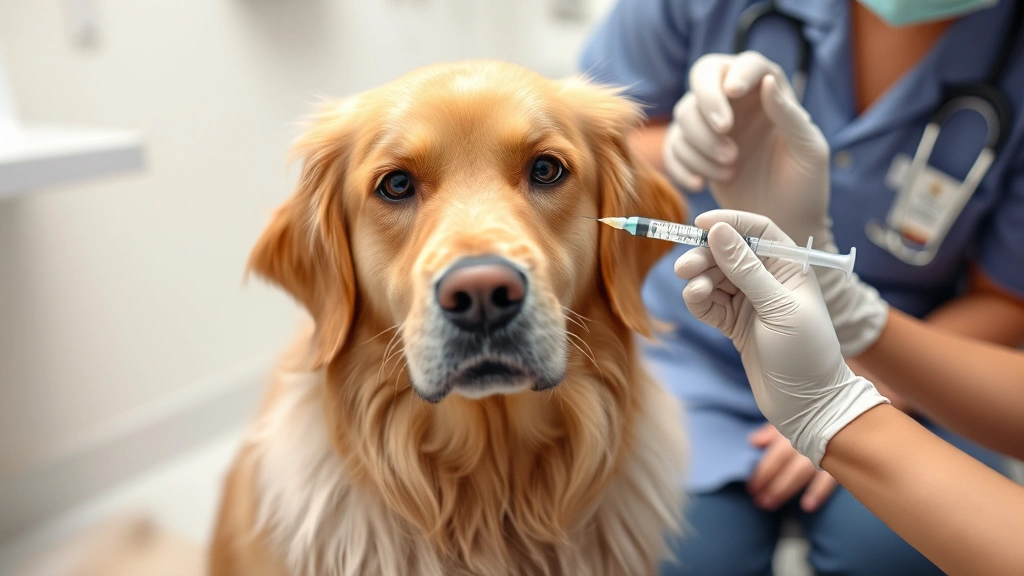
What Vaccines Do Dogs Need Yearly? Vet Recommendations
If you’re a dog parent, you’ve probably heard the term “annual vaccines” thrown around at your vet’s office. But here’s the thing—not every vaccine your pup receives needs to happen every single year. The world of canine vaccinations can feel like navigating a medical maze, especially when recommendations seem to change or vary between veterinarians. Understanding what vaccines do dogs need yearly is crucial for keeping your furry best friend healthy and protected from serious diseases.
The truth is, vaccination schedules have evolved significantly over the past couple of decades. Veterinary medicine has moved away from the old “one-size-fits-all” approach toward more personalized protocols based on your dog’s lifestyle, age, and health status. Some vaccines provide immunity that lasts for years, while others genuinely do require annual boosters. Your veterinarian is your best resource, but arming yourself with knowledge about which vaccines matter most will help you have informed conversations about your dog’s health plan.
Let’s break down the vaccination landscape so you can understand exactly what your four-legged companion needs and when they need it.
Core Vaccines Every Dog Needs
When veterinarians talk about “core vaccines,” they’re referring to the shots that every dog should receive, regardless of lifestyle or geography. These vaccines protect against diseases that are widespread, potentially fatal, and transmissible to other dogs. The American Animal Hospital Association (AAHA) has established guidelines that most veterinary professionals follow, though some nuances exist in different regions.
The primary core vaccine is the DHPP vaccine, which actually combines protection against four separate diseases. The acronym stands for Distemper, Hepatitis, Parvovirus, and Parainfluenza. This combination shot is incredibly important because each of these diseases can be serious or even fatal in unvaccinated dogs. Distemper is a highly contagious viral disease that affects the respiratory, gastrointestinal, and nervous systems. Hepatitis causes liver inflammation, parvovirus leads to severe gastrointestinal distress, and parainfluenza is a respiratory virus.
Here’s something interesting: while puppies need a series of DHPP shots, adult dogs typically only need boosters every three years, not annually. However, some vets still recommend yearly visits for boosters as a precaution or based on individual risk factors. This is where understanding your specific dog’s situation becomes valuable.

Rabies: The Non-Negotiable Vaccine
If there’s one vaccine that absolutely cannot be skipped, it’s rabies. Not only is rabies nearly 100% fatal once symptoms appear, but it’s also transmissible to humans. That’s why rabies shots for dogs are legally mandated in most jurisdictions across the United States and many countries worldwide.
The rabies vaccine is considered core because it protects against a disease of major public health concern. Puppies typically receive their first rabies vaccine at 12-16 weeks of age, followed by a booster one year later. After that initial booster, the frequency depends on the vaccine type and local regulations. Some rabies vaccines provide three-year immunity, while others are licensed for one-year protection. Your veterinarian will know which vaccine they’re using and can tell you exactly when your dog’s next rabies vaccine is due.
It’s worth noting that rabies vaccination records are legally important documents. You’ll need proof of rabies vaccination for licensing, boarding facilities, travel, and in some cases, if your dog has a potential exposure incident. Keep these records in a safe place and bring them to every vet appointment.
Non-Core Vaccines Based on Lifestyle
Beyond the core vaccines, there’s a whole category of non-core vaccines that may or may not be appropriate for your individual dog. These recommendations depend heavily on your dog’s lifestyle, where you live, and what diseases are prevalent in your area. This is where the personalized approach to vaccination really comes into play.
One common non-core vaccine is for Bordetella bronchiseptica, which causes kennel cough. If your dog regularly frequents dog parks, boarding facilities, dog shows, or training classes, your vet will likely recommend this vaccine. Dogs can get the flu, and there are vaccines available for both H3N2 and H3N8 canine influenza viruses. These are typically recommended for dogs with high social exposure.
Leptospirosis is another non-core vaccine worth discussing with your vet. This bacterial disease is transmitted through contaminated water and urine from infected wildlife. If you live in an area with frequent rainfall, have a pond or creek on your property, or your dog has access to wild animal habitats, leptospirosis protection might be worthwhile. The vaccine typically requires annual boosters if you choose to include it in your dog’s regimen.
Lyme disease vaccines are recommended in areas where Lyme disease is prevalent, particularly in the northeastern United States and other tick-heavy regions. This vaccine requires an initial series followed by annual boosters. However, the best defense against Lyme disease is preventing tick exposure through regular tick prevention methods.

The Coronavirus vaccine was heavily promoted a few years ago but is rarely recommended anymore. Similarly, some vets may discuss vaccines for diseases like giardia or rattlesnake venom, though these are highly specialized and appropriate only for specific situations.
Puppy Vaccination Schedule
Puppies require a different vaccination approach than adult dogs because they often have maternal antibodies that can interfere with vaccine effectiveness. This is why puppies need a series of shots rather than just one.
The typical puppy vaccination schedule begins at 6-8 weeks of age with the first DHPP vaccine. Puppies then receive boosters every 3-4 weeks until they’re about 16 weeks old. The rabies vaccine is usually given at 12-16 weeks, with a booster one year later. Some vets include non-core vaccines like Bordetella or Leptospirosis in the puppy series, depending on risk factors.
After the initial puppy series is complete, dogs receive a booster at one year of age. From that point forward, what shots dogs need depends on the specific vaccine and your veterinarian’s recommendations based on your dog’s individual circumstances.
Understanding Annual Boosters
The concept of annual boosters has been evolving in veterinary medicine. Traditionally, dogs received yearly vaccinations as a matter of routine. However, modern research has shown that some vaccines provide immunity lasting much longer than one year—in many cases, three years or more.
The DHPP vaccine, for instance, studies have shown provides at least three years of immunity in adult dogs after the initial puppy series and one-year booster. Some veterinarians follow the AAHA guidelines, which recommend DHPP boosters every three years for adult dogs. Others stick with annual protocols out of tradition or as an extra safety measure.
Your veterinarian might recommend annual boosters based on several factors: your dog’s age, health status, lifestyle exposure risks, or if they’re using a vaccine licensed only for one-year protection. Senior dogs (typically over seven years old) sometimes benefit from more frequent boosters due to potentially waning immune responses.
This is an excellent topic to discuss during your dog’s annual wellness exam. Ask your vet specifically which vaccines your dog needs, how often, and why. Understanding the reasoning behind their recommendations helps you make informed decisions about your dog’s health care.
How Lifestyle Affects Vaccine Needs
Your dog’s lifestyle is one of the most important factors in determining their vaccination needs. A dog that spends most of their time at home with minimal contact with other dogs has very different vaccine requirements than a dog that regularly visits dog parks, training classes, or travels with their owner.
Consider these lifestyle factors: Does your dog visit dog parks regularly? Do they attend training classes or dog shows? Will they be boarded or stay at doggy daycare? Do they travel frequently? Do they have exposure to wildlife? Do they swim in lakes, rivers, or ponds? Are they in an area with high tick populations? Each of these factors might influence whether certain non-core vaccines are appropriate.
Dogs with minimal exposure to other dogs might only need the core vaccines (DHPP and rabies) on the recommended schedule. Dogs with high social exposure would benefit from Bordetella and possibly canine influenza vaccines. Dogs with outdoor access in certain regions should discuss Lyme disease and Leptospirosis protection.
Your veterinarian can assess your dog’s specific lifestyle during the wellness exam and make tailored recommendations. This personalized approach means your dog gets the protection they need without unnecessary vaccinations.
Potential Side Effects and Safety
Vaccines are generally very safe, but like any medical intervention, they can occasionally cause side effects. Being aware of what to expect helps you distinguish between normal, minor reactions and something that requires veterinary attention.
Minor side effects are actually quite common and usually resolve within 24-48 hours. These might include mild lethargy, decreased appetite, mild fever, or slight swelling at the injection site. Some dogs are a bit sleepy or less interested in their usual activities for a day or two after vaccination—this is a normal immune response.
More serious side effects are rare but can include allergic reactions, which might manifest as facial swelling, difficulty breathing, or collapse. If you notice any of these signs, contact your veterinarian immediately. Severe reactions typically occur within minutes to hours of vaccination.
There’s a condition called vaccine-associated sarcoma that can occur at injection sites in cats, but it’s extremely rare in dogs. The benefit of vaccination far outweighs this minimal risk.
According to the American Animal Hospital Association, proper vaccination protocols are designed to maximize protection while minimizing risks. If your dog has had previous vaccine reactions, discuss this with your vet before future vaccinations. They might recommend pre-medication or adjusting the vaccination schedule.
It’s also important to note that dog vaccine costs vary, and price shouldn’t be the only factor in deciding what vaccines your dog receives. Work with your vet to find a vaccination protocol that balances protection with your budget and your dog’s individual needs.
Frequently Asked Questions
Do all dogs need vaccines every year?
No, not all dogs need vaccines every year. While puppies require a series of vaccines, adult dogs typically need boosters less frequently. Core vaccines like DHPP often provide three-year immunity after the initial puppy series and one-year booster. Rabies vaccination frequency depends on the vaccine type and local regulations. Non-core vaccines may be recommended annually based on lifestyle factors, but not all dogs need them.
What’s the difference between core and non-core vaccines?
Core vaccines are recommended for all dogs because they protect against widespread, potentially fatal diseases. These include DHPP and rabies. Non-core vaccines are recommended based on individual risk factors, lifestyle, and geographic location. Examples include Bordetella, canine influenza, Leptospirosis, and Lyme disease vaccines. Your veterinarian can help determine which non-core vaccines are appropriate for your dog.
Can I skip my dog’s annual vet visit if they don’t need vaccines?
While your dog might not need vaccines annually, annual wellness exams are still incredibly important. These visits allow your veterinarian to assess your dog’s overall health, catch early signs of disease, discuss nutrition and behavior, perform dental checks, and update parasite prevention. They’re about much more than just vaccines.
Is it safe to give multiple vaccines at once?
Yes, it’s generally safe to give multiple vaccines at the same appointment. Veterinarians have been doing this for decades, and it’s standard practice. However, if your dog has a history of vaccine reactions, discuss this with your vet. They might recommend spacing vaccines out, though this is rarely necessary.
What should I do if I’m unsure about my dog’s vaccination history?
If you’ve adopted an adult dog or lost vaccination records, ask your veterinarian about titering, which is a blood test that measures immunity levels. Alternatively, your vet might recommend starting a fresh vaccination series to ensure protection. Don’t hesitate to ask your previous veterinarian for records if you’ve switched vets.
Are there any dog breeds that shouldn’t receive certain vaccines?
Most dogs tolerate vaccines well regardless of breed, but certain health conditions or prior reactions might warrant adjustments. Some dogs with severe allergies or immunocompromised conditions might need modified vaccination protocols. Always inform your veterinarian about your dog’s complete health history.
How do I know if my dog is having a vaccine reaction?
Minor reactions like mild lethargy, reduced appetite, or slight fever are normal. Seek immediate veterinary care if you notice facial swelling, difficulty breathing, collapse, persistent vomiting, or severe allergic symptoms. Knowing how to tell if a dog has a fever is helpful for monitoring post-vaccination, though a slight temperature elevation is normal.
Can I vaccinate my senior dog?
Senior dogs can and often should receive vaccines, though protocols might differ. Your veterinarian might recommend more frequent boosters or modified schedules based on your senior dog’s health status. A pre-vaccination health assessment is especially important for older dogs to ensure they’re healthy enough for vaccination.
Working with your veterinarian to create a personalized vaccination plan ensures your dog receives appropriate protection tailored to their individual needs, lifestyle, and health status. Regular communication with your vet about what vaccines your dog truly needs helps you make informed decisions about their healthcare while avoiding unnecessary procedures. Remember, vaccination is one of the most effective preventive health measures available for dogs, so staying current on appropriate vaccines is one of the best gifts you can give your furry companion.





