

So, when are dogs full grown? The answer isn’t as straightforward as “at one year old” – though we wish it were that simple! Your adorable puppy’s growth journey is a wild ride that depends on breed, size, genetics, and nutrition. Let’s break down this timeline so you know exactly what to expect as your furry friend transforms from a tiny fluffball into their full-sized adult self.
Table of Contents
- Understanding Canine Growth Stages
- Small Breed Growth Timeline (Under 25 lbs)
- Medium Breed Development (25-50 lbs)
- Large Breed Growth Timeline (50-90 lbs)
- Giant Breed Considerations (Over 90 lbs)
- Factors That Influence Growth Rate
- When Growth Plates Close: The Real Milestone
- Behavioral Maturity vs. Physical Growth
- Nutrition During Growth Phases
- Signs Your Dog Has Reached Full Growth
- Health Considerations During Growth
- Frequently Asked Questions
- Conclusion: Understanding Your Dog’s Growth Journey
Understanding Canine Growth Stages
Dogs go through several distinct growth phases, each with its own milestones and characteristics. The journey from newborn to adult typically spans anywhere from 6 months to 3 years, depending on the breed. Small breeds like Chihuahuas and Yorkshire Terriers reach maturity much faster than giant breeds like Great Danes or Mastiffs. Think of it like this: small dogs are like express elevators, while large breeds are taking the scenic route to adulthood.
During the early weeks of life, puppies are entirely dependent on their mother for nutrition and warmth. By week 3-4, their eyes and ears open, and they start exploring their tiny world. This is when their personalities begin to shine through – the bold one, the shy one, the troublemaker. By week 8, most puppies are ready to leave their littermates and join their forever families.
Small Breed Growth Timeline (Under 25 lbs)
Small dog breeds are the overachievers of the canine world when it comes to reaching full size. Most small breeds reach their adult height and weight by 6-8 months of age. Breeds like Pomeranians, Dachshunds, and Shih Tzus are typically fully grown by their first birthday, though they may continue to fill out slightly until 12-14 months.
The advantage of small breeds? They mature quickly, which means less time dealing with chaotic puppy energy (though let’s be honest, small dogs can still be absolute chaos agents). The downside is their rapid growth can be hard on developing bones and joints if they’re overly active. Keep jumping and high-impact activities moderate during those first months.
For specific guidance on small breed care, check out our article on medium outside dog breeds to understand size-related considerations across the spectrum.
Medium Breed Development (25-50 lbs)
Medium-sized dogs hit their growth stride a bit slower than their tiny counterparts. These pups – think Beagles, Cocker Spaniels, and Australian Shepherds – typically reach full size between 9-12 months. However, they may continue developing muscle mass and reaching their final weight until 14-16 months of age.
Medium breeds are the Goldilocks zone of dog ownership: not too small, not too large, but just right for many families. Their growth is steady and predictable, making it easier to plan for equipment upgrades like collars, beds, and food portions. If you’re considering a medium-sized dog, understanding their mature size helps with choosing appropriate gear like a large dog harness for training and outdoor adventures.
Large Breed Growth Timeline (50-90 lbs)
Large breed dogs are the slow bloomers of the puppy world, and this is actually really important to understand. Breeds like Labrador Retrievers, Golden Retrievers, and German Shepherds don’t reach full maturity until 12-18 months, sometimes even longer. Their bones take significantly longer to ossify (harden), which means they’re vulnerable to developmental orthopedic disease if pushed too hard too soon.
Here’s the critical part: just because your 10-month-old Lab looks like an adult doesn’t mean their growth plates have closed. Their legs might be at full length, but their bones are still mineralizing. This is why vets recommend limiting jumping, avoiding repetitive high-impact exercise, and being cautious with training during this period. Your massive pup might look ready to run marathons, but their joints are still saying “easy does it, buddy.”
Large breeds also have different nutritional needs during growth. They require carefully balanced calcium and phosphorus ratios to support healthy bone development. Feeding a large breed puppy food formulated specifically for their size category is essential – regular adult dog food can actually cause problems.
Giant Breed Considerations (Over 90 lbs)
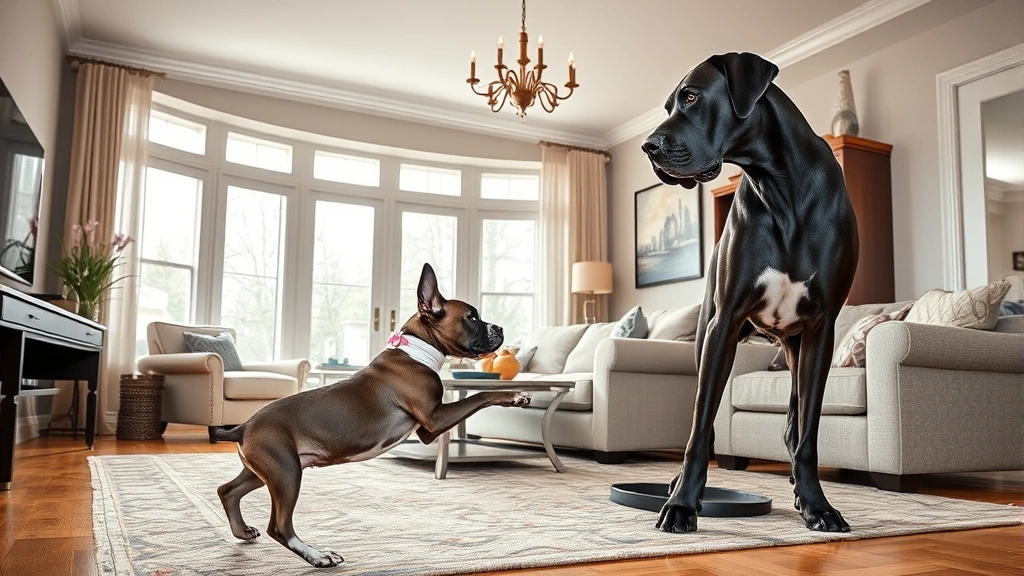
Giant breeds – we’re talking Great Danes, Saint Bernards, Mastiffs, and similar colossal companions – are the marathon runners of the growth world. These gentle giants don’t reach full maturity until 18-24 months, sometimes even 3 years for some individuals. A Great Dane might not reach their full adult size until they’re nearly 2 years old.
The extended growth period in giant breeds comes with special challenges. Their massive bodies put tremendous strain on developing bones and joints. Dysplasia (abnormal joint development) is common in giant breeds, so growth management is absolutely critical. Avoid stairs, jumping, and excessive running on hard surfaces during their first year. Even play sessions should be monitored and kept moderate.
Giant breed puppies also need specialized large-breed puppy food with controlled calorie and mineral content. Overfeeding or feeding regular adult food can accelerate growth too quickly, which actually increases the risk of joint problems. It’s counterintuitive, but slower growth is healthier growth for these massive pups.
Factors That Influence Growth Rate
Several variables affect how quickly your dog reaches full size. Genetics is the biggest factor – your dog’s parents’ size and growth rate heavily influence theirs. Nutrition plays a huge role too; proper calories, protein, and minerals support optimal growth, while deficiencies can stunt development.
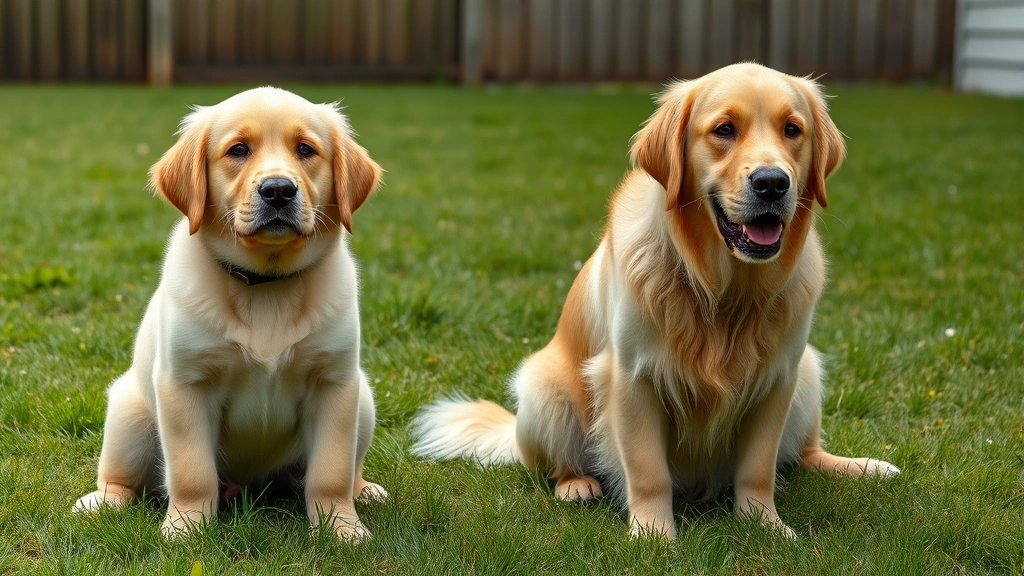
Gender matters as well. Male dogs typically grow larger than females within the same breed. Health status during puppyhood impacts growth – illnesses, parasites, or nutritional deficiencies can slow development. Spaying or neutering can affect growth patterns slightly, though the impact is usually minimal if done at appropriate ages.
Environmental factors like exercise levels and stress can subtly influence growth, though they won’t dramatically change your dog’s ultimate size. A puppy that’s constantly stressed or under-exercised might develop slightly differently than one in a calm, active environment.
When Growth Plates Close: The Real Milestone
Here’s the technical bit that matters: growth plates (the soft cartilage areas at the ends of bones) are what allow bones to lengthen during development. In small breeds, these typically close by 9-10 months. In large breeds, closure happens around 12-14 months. In giant breeds, some growth plates don’t fully close until 18-24 months or later.
Once growth plates close, your dog is physically mature – no more height increases. However, “full grown” and “fully mature” aren’t quite the same thing. A dog might reach their adult height at 12 months but continue filling out and developing muscle definition until 18-24 months. It’s like the difference between reaching your adult height as a teenager versus reaching full adult development.
You can’t actually see growth plates closing without X-rays, which is why vets sometimes recommend radiographs to determine if a dog is ready for more intense exercise or training. If you have a large or giant breed and are concerned about their development, asking your vet about growth plate closure is totally reasonable.
Behavioral Maturity vs. Physical Growth
Here’s where things get interesting: your dog might be physically full-grown, but behaviorally they’re still a teenager. Large and giant breed dogs especially can take 2-3 years to reach full behavioral maturity. That means your 18-month-old Lab might be at full height and weight but still act like a chaotic adolescent – jumping, pulling on walks, and generally being a goofball.
Small breeds mature behaviorally faster, often by 12-18 months. Medium breeds typically hit behavioral maturity around 18 months. Large and giant breeds? They might not settle down until 2-3 years old, sometimes longer. This is actually a feature, not a bug – it means you get extended puppy-like playfulness, though it also means extended training needs.
Understanding this distinction helps set realistic expectations. Your physically mature dog might still need consistent training, boundaries, and exercise to channel that adolescent energy productively. It’s not that your dog isn’t grown up; it’s that their brain is still developing impulse control and emotional regulation.
Nutrition During Growth Phases
Feeding your growing dog correctly is absolutely crucial for proper development. Puppies need more calories per pound of body weight than adults, plus specific ratios of calcium, phosphorus, and other minerals. Using a high-quality puppy food appropriate for your dog’s expected adult size is essential.
Large and giant breed puppies specifically need lower-calorie puppy formulas with controlled calcium and phosphorus. Overfeeding these breeds – even with good intentions – can cause serious skeletal problems. Follow feeding guidelines based on your puppy’s expected adult weight, not their current weight.
Transition to adult food gradually once your dog reaches maturity. Small breeds can switch around 9-12 months, medium breeds around 12 months, and large/giant breeds around 12-18 months. Your vet can recommend the best timing based on your individual dog’s development.
Signs Your Dog Has Reached Full Growth
So how do you know when your dog is actually fully grown? Several signs indicate maturity. Their growth rate slows dramatically – you’re no longer noticing size changes week to week. Their body proportions look balanced; legs aren’t disproportionately long, and their frame looks solid.
Sexually mature behavior emerges (females go into heat, males mark territory more). Their coat develops its adult texture and density. Energy levels stabilize somewhat, though this varies by breed. Their paw size stops increasing – big paws are usually a sign of continued growth, so when paws stop growing, growth is likely complete.
For large breeds like those featured in our mountain cur dog article, maturity might not be obvious until 18-24 months, so patience is key.
Health Considerations During Growth
Growth isn’t just about size – it’s a critical period for establishing lifelong health. Proper nutrition, appropriate exercise, and preventive veterinary care during puppyhood set the foundation for healthy adulthood. Avoid overexertion before growth plates close, especially in large and giant breeds.
Joint supplements containing glucosamine and chondroitin are sometimes recommended for large breed puppies, though evidence is mixed. Talk to your vet about whether supplements are appropriate for your specific dog. Regular vet checkups during puppyhood catch developmental issues early.
Watch for signs of orthopedic problems: limping, reluctance to jump or climb stairs, swelling in joints, or signs of pain. These warrant immediate veterinary attention, especially in large breeds prone to dysplasia. Early intervention can make a huge difference in outcomes.
Frequently Asked Questions
At what age is a dog considered fully grown?
It depends on breed size. Small breeds are typically fully grown by 6-12 months, medium breeds by 12-14 months, large breeds by 12-18 months, and giant breeds by 18-24 months or even longer. Physical maturity (height and weight) happens before behavioral maturity, which can take 2-3 years.
Can you tell how big a dog will be as a puppy?
Paw size is a rough indicator – larger paws often mean more growing ahead – but it’s not foolproof. Looking at the parents’ size helps. At 4-5 months, large breed puppies are usually close to half their adult weight. Genetic testing can provide breed composition info, but nothing beats asking the breeder about typical adult size.
Should I exercise my growing puppy?
Yes, but appropriately for their age and size. Young puppies benefit from frequent short play sessions rather than long exercise periods. Large breed puppies should avoid jumping and high-impact activities until growth plates close. A good rule: 5 minutes of exercise per month of age, twice daily, for puppies under 6 months.
Why do some dogs keep growing after a year?
Large and giant breeds have delayed growth plate closure, so they continue growing taller and heavier beyond 12 months. Some dogs also continue filling out with muscle mass even after reaching their adult height. This is completely normal and doesn’t mean something’s wrong.
What’s the difference between growth and development?
Growth refers to physical size increases (height, weight, bone length). Development includes growth plus maturation of bones, organs, muscles, and behavior. A dog can reach full growth at 12 months but not reach full development until 2-3 years.
Is my dog full grown if they’ve stopped getting taller?
Probably mostly, but not necessarily completely. Dogs can reach their adult height while still filling out with muscle or bone density. In giant breeds especially, height might stabilize at 18 months while they continue developing until 24+ months. Your vet can confirm with physical exams or X-rays if needed.
Conclusion: Understanding Your Dog’s Growth Journey
When are dogs full grown? The answer is: it depends, but now you know exactly what that dependency looks like. Small breeds sprint to adulthood in 6-12 months, medium breeds get there by 12-14 months, large breeds take 12-18 months, and giant breeds might need 18-24 months or longer. But here’s the key insight: physical growth is just part of the story. Behavioral maturity, bone density development, and emotional growth continue well beyond when your dog reaches adult size.
The growth phase is critical for establishing lifelong health. Proper nutrition, appropriate exercise, and preventive veterinary care during puppyhood pay dividends for years. Understanding your specific breed’s growth timeline helps you make informed decisions about training, exercise, nutrition, and healthcare.
Whether you have a tiny Chihuahua or a massive Great Dane, respecting their growth timeline and meeting their developmental needs sets them up for a healthy, happy adulthood. And while the puppy phase might feel like it lasts forever when you’re dealing with accidents and chaos, one day you’ll look at your fully grown dog and wonder where the time went. Cherish those growth years – they go by faster than you’d think!
For more information on breed-specific care and considerations, explore our resources on LGD dog breeds and their unique developmental needs.
According to the American Kennel Club, breed-specific growth patterns are well-documented and should guide your puppy care decisions. The PetMD veterinary team emphasizes that growth plate closure timing varies significantly by breed. Research from veterinary schools confirms that large breed puppies require specialized nutrition during development to prevent orthopedic issues.





