
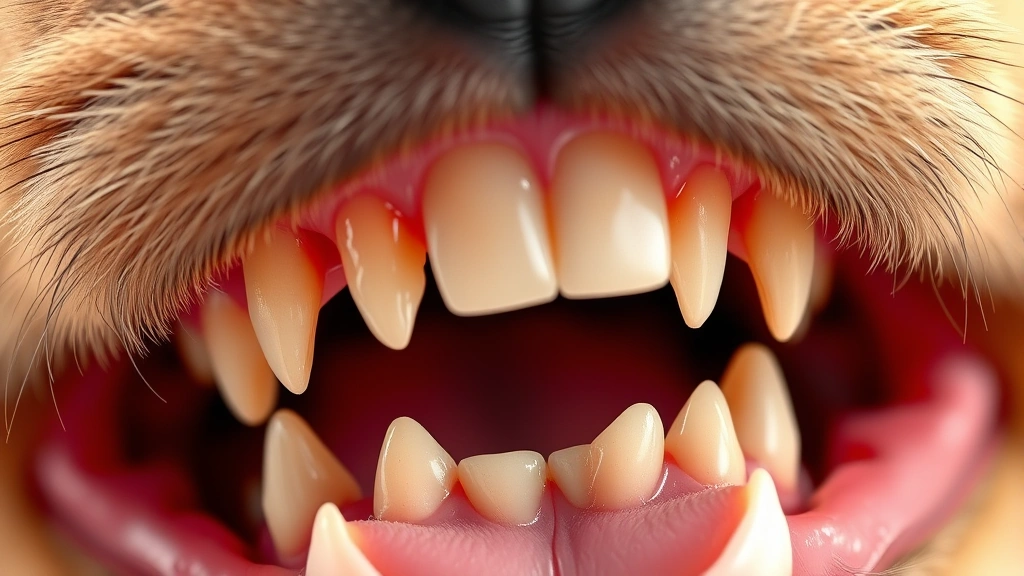
So, when do dogs get their adult teeth? Most dogs have their full set of permanent teeth by around 7 months old, but the journey from toothless puppies to full-toothed adults is way more interesting than that simple answer. If you’ve ever watched a puppy lose teeth like they’re shedding fur, you know it’s a wild ride. Let’s dive into the complete timeline of canine dental development and what you need to know to keep those chompers healthy.
Table of Contents
- The Puppy Teeth Stage: It All Starts Here
- The Transition Period: Losing Baby Teeth
- Adult Teeth Development: The Full Picture
- Timeline Breakdown: Month by Month
- Signs Your Puppy Is Teething
- How to Help Your Teething Puppy
- Breed-Specific Variations in Teeth Development
- Dental Health During Development
- When to Worry: Retained Baby Teeth and Other Issues
- Post-Teething Dental Care: The Long Game
- Summary: The Takeaway on Adult Dog Teeth
- Frequently Asked Questions
The Puppy Teeth Stage: It All Starts Here
When puppies are born, they’re basically gummy bears—adorable, but completely toothless. Their baby teeth, also called deciduous or primary teeth, start erupting around 3 to 5 weeks of age. By 6 to 8 weeks, most puppies have their full set of 28 baby teeth. Yeah, that’s right—puppies actually have fewer teeth than adult dogs. These tiny daggers are sharp as heck and designed for one purpose: making your fingers and furniture regret their existence.
Baby teeth are temporary, which is why they’re so needle-like. They’re meant to fall out, so evolution didn’t bother making them durable. This is also why chewing on sticks and other objects becomes such a common behavior during this phase—puppies are actively trying to loosen those teeth.
The Transition Period: Losing Baby Teeth
Starting around 3 to 4 months of age, puppies begin losing their baby teeth. This process, called shedding or exfoliation, happens gradually over several months. The incisors (front teeth) typically fall out first, followed by the canines, and finally the premolars and molars. By around 6 to 7 months, most puppies have lost all their baby teeth and have their adult teeth coming in.
During this transition, you might find tiny teeth around your house—basically puppy treasure. Some people keep them like baby teeth keepsakes. Others just vacuum them up and move on. Either way, it’s completely normal, and your puppy isn’t suffering. In fact, teething can actually feel good because it relieves pressure in their gums.

Adult Teeth Development: The Full Picture
Adult dogs have 42 teeth total—that’s 10 more than puppies. These permanent teeth are much stronger and designed to last a lifetime (ideally). The adult tooth set includes:
- 12 incisors (front teeth for cutting)
- 4 canines (pointy corner teeth for gripping)
- 16 premolars (teeth behind the canines)
- 10 molars (back teeth for grinding)
The timing of when adult teeth fully erupt varies by tooth type and individual dog, but the general rule is that puppy adult teeth are mostly in place by 6 to 7 months. The molars, being the largest, often come in last and might not be fully erupted until 7 to 8 months old.
Timeline Breakdown: Month by Month
Here’s what you can expect during your puppy’s dental development:
- 3-5 weeks: Baby teeth start coming in
- 6-8 weeks: Full set of 28 baby teeth present
- 3-4 months: Adult incisors begin erupting; baby incisors start falling out
- 4-5 months: Adult canines erupt; baby canines shed
- 5-6 months: Adult premolars come in; baby premolars fall out
- 6-7 months: Most adult teeth are in place
- 7-8 months: Adult molars fully erupt; teething phase mostly complete
Keep in mind that this timeline can vary by breed. Smaller breeds sometimes develop teeth faster, while giant breeds might take a bit longer. If your puppy still has baby teeth past 8 months, chat with your vet—retained baby teeth can cause alignment issues.

Signs Your Puppy Is Teething
Wondering if your puppy is in full teething mode? Look for these classic signs:
- Excessive drooling (more than usual)
- Swollen, tender gums
- Chewing on everything—toys, furniture, your hands
- Mild decrease in appetite
- Slightly irritable behavior
- Visible loose teeth or gaps in the mouth
Teething discomfort is real but temporary. Most puppies handle it fine, though some seem more bothered than others. It’s similar to human babies teething—annoying but not dangerous.
How to Help Your Teething Puppy
During the teething phase, you can make things more comfortable for your pup:
Offer appropriate chew toys: Rubber toys, rope toys, and specifically designed teething toys are lifesavers. The Lambchop dog toy is a classic option that many puppies love for its texture and durability. Rotate toys to keep things interesting.

Frozen toys: Wet a cloth, wring it out, freeze it, and let your puppy chew on it. The cold provides relief to sore gums. You can also freeze specially designed teething rings.
Soft food: If your puppy seems to have trouble eating kibble, soften it with water or switch to wet food temporarily. Once adult teeth are fully in, you can transition back to regular kibble.
Supervised play: Keep an eye on what your puppy is chewing. Avoid hard objects that could crack developing teeth, and don’t let them chew on things that could splinter or cause choking.
Breed-Specific Variations in Teeth Development
While the general timeline applies to most dogs, some breeds have unique patterns. Small breeds like Chihuahuas and Toy Poodles sometimes develop teeth faster but may be more prone to crowding issues. Large breeds like German Shepherds and Labradors follow a similar timeline but might take slightly longer overall.

Giant breeds, such as Great Danes and Mastiffs, can take up to 9 months for all adult teeth to fully erupt. Brachycephalic breeds (flat-faced dogs like Bulldogs and Pugs) sometimes have dental crowding issues that might require veterinary attention.
Dental Health During Development
Even though your puppy’s baby teeth are temporary, they’re important for proper jaw development and eating. Don’t neglect dental care during the teething phase. Start getting your puppy used to having their mouth handled early—it’ll make brushing easier later.
According to the American Kennel Club (AKC), establishing good dental hygiene habits early sets your dog up for a lifetime of healthy teeth. Begin gentle tooth brushing around 3 to 4 months old, even during teething. Use dog-specific toothpaste (human toothpaste can be toxic).
When to Worry: Retained Baby Teeth and Other Issues
Most puppies go through teething without problems, but occasionally things don’t go smoothly. Retained baby teeth—where a baby tooth doesn’t fall out when the adult tooth comes in—can cause crowding and bite problems. This is more common in small breeds.
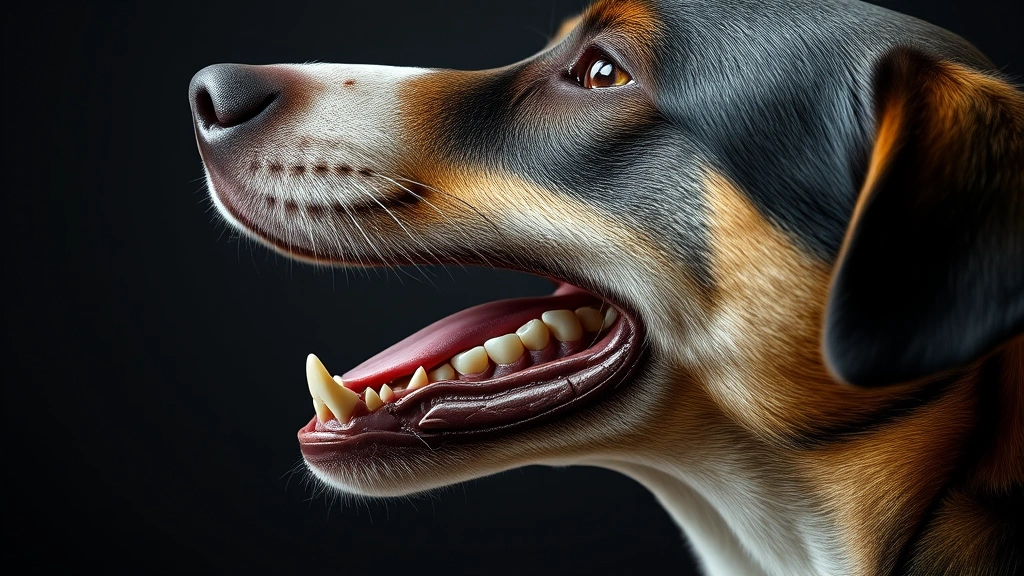
If you notice your puppy has both a baby tooth and an adult tooth in the same spot after 7 months, contact your vet. They might recommend extraction to prevent alignment issues. Some vets do this during spay/neuter surgery to minimize anesthesia exposure.
Misaligned teeth, excessive tooth loss, or signs of infection (bad breath, swelling, discharge) warrant a veterinary visit. The PetMD veterinary resource has excellent guidance on recognizing dental problems in puppies.
Post-Teething Dental Care: The Long Game
Once your dog has their full set of adult teeth around 7 to 8 months, the real work begins. Adult teeth need to last 10+ years, so maintenance is crucial. Brush their teeth regularly (daily is ideal, but 3-4 times weekly is realistic for most people). Provide appropriate chew toys and dental treats. Regular vet checkups should include dental assessments.
Some dogs develop tartar and plaque buildup, which can lead to periodontal disease. If you notice bad breath, swollen gums, or visible buildup, your vet might recommend a professional cleaning. Supporting your dog’s overall health, including joint supplements for dogs and proper nutrition, contributes to better dental health too.
Summary: The Takeaway on Adult Dog Teeth
So, when do dogs get their adult teeth? Most dogs have their full set of 42 permanent teeth by 7 to 8 months of age. The journey from toothless puppies to full-toothed adults involves shedding 28 baby teeth and growing in 42 adult teeth—it’s a major developmental milestone. While teething can be uncomfortable for puppies, it’s a normal, temporary phase.
During this time, provide appropriate chew toys, maintain gentle dental care, and watch for any signs of problems. Once those adult teeth are in, commit to lifelong dental maintenance through brushing, regular vet checkups, and appropriate nutrition. Your dog’s teeth are an investment in their long-term health and quality of life.
Frequently Asked Questions
At what age do puppies lose all their baby teeth?
Puppies typically lose all their baby teeth by 6 to 7 months of age. The process begins around 3 to 4 months and progresses gradually, with incisors falling out first and molars last. By 7 to 8 months, most puppies have their complete set of 42 adult teeth.
How many adult teeth do dogs have?
Adult dogs have 42 teeth total, compared to 28 baby teeth. This includes 12 incisors, 4 canines, 16 premolars, and 10 molars. These permanent teeth are larger and stronger than baby teeth and are designed to last throughout the dog’s life.
Is it normal for puppies to swallow their baby teeth?
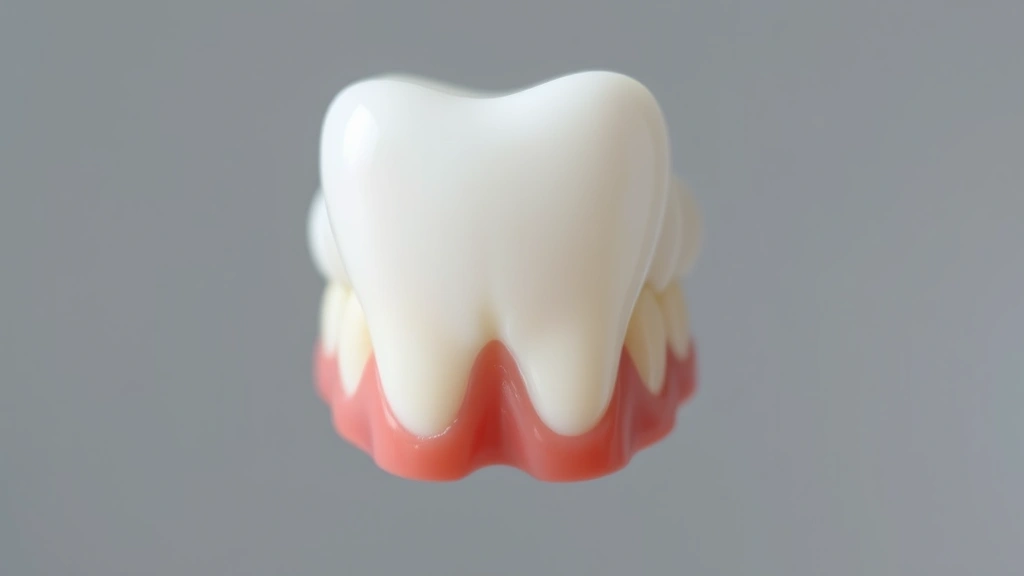
Yes, it’s completely normal and usually harmless. Many puppies swallow their baby teeth without issue, and they typically pass through the digestive system without problems. You might occasionally find a tooth, but most are swallowed during eating or chewing.
Can I help my teething puppy feel better?
Absolutely! Offer frozen teething toys, wet cloths, appropriate chew toys, and soften their food if needed. Cold items soothe sore gums, and appropriate chewing provides relief. Avoid hard objects that could damage developing teeth, and supervise all chewing activities.
What if my puppy still has baby teeth at 8 months?
If your puppy still has baby teeth past 8 months, contact your veterinarian. Retained baby teeth can cause crowding and bite problems, especially in small breeds. Your vet can recommend extraction if necessary to prevent long-term dental issues.
Do different dog breeds develop teeth at different rates?
Yes, breed size and type can affect the timeline. Small breeds sometimes develop teeth faster, while giant breeds might take slightly longer—up to 9 months. Brachycephalic breeds (flat-faced dogs) may experience crowding issues. However, the general 7-8 month timeline applies to most dogs.





