
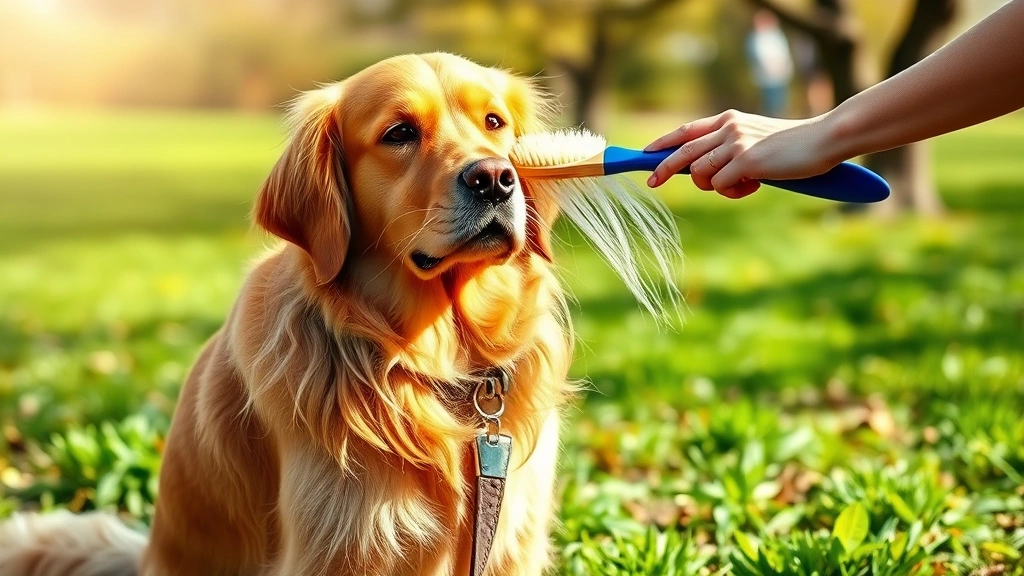
When do dogs moult the most? If you’re asking this question while staring at a living room carpet that looks like it’s been redecorated with dog hair, you’re not alone. Dog shedding is one of those joyful surprises of pet ownership that nobody really warns you about until you’re living it. But here’s the thing: understanding when your furry friend sheds the most can actually help you manage it like a pro instead of feeling like you’re fighting a losing battle against the fur monster.
Table of Contents
- Understanding the Dog Shedding Cycle
- Spring Shedding: The Great Fur Explosion
- Fall Shedding: The Second Wave
- Breed-Specific Shedding Patterns
- Indoor vs. Outdoor Dogs: Does Environment Matter?
- Age and Health Factors in Shedding
- Managing Peak Shedding Season
- Nutrition and Coat Health
- Stress and Environmental Factors
- Professional Grooming During Shedding Season
- Seasonal Timeline for Different Climates
- Is Your Dog Happy Despite the Shedding?
- Frequently Asked Questions
- Conclusion: Managing the Fur Forever
Understanding the Dog Shedding Cycle
Dogs don’t just shed randomly throughout the year like some kind of furry chaos machine. There’s actually a biological rhythm to it, and knowing this rhythm is half the battle. Most dogs go through seasonal shedding cycles that are tied to daylight hours and temperature changes. Your dog’s body is essentially programmed by nature to prepare for seasonal transitions, which means their coat has a built-in upgrade schedule.
The shedding cycle happens because dogs need to adapt their coat density to environmental changes. When spring rolls around, your pup needs to ditch that heavy winter coat. Come fall, they’re building it back up for the cold months ahead. It’s like nature’s way of saying, “Time for a wardrobe change!” This process is called “blowing their coat,” and it’s completely normal, albeit absolutely hair-everywhere-annoying.
Spring Shedding: The Great Fur Explosion
Spring is absolutely peak shedding season for most dogs. This is when long haired dogs and their short-haired cousins alike decide to shed like they’re getting paid for it. As temperatures warm up and daylight hours increase, your dog’s body gets the signal that it’s time to lose that heavy winter undercoat. We’re talking about significant hair loss here—the kind that makes you wonder if your dog is actually disappearing under all that shedding.
During spring, you might notice that brushing your dog yields absolutely massive clumps of fur. This is completely normal and actually a sign that your dog’s coat is healthy and doing what it’s supposed to do. The shedding typically peaks around March through May, depending on where you live and your specific climate. If you have a double-coated breed, expect the shedding to be even more dramatic.
Fall Shedding: The Second Wave
Just when you thought you’d conquered the spring shedding situation, fall arrives with its own shedding agenda. As daylight hours decrease and temperatures drop, your dog’s body starts preparing for winter by growing a thicker, denser coat. This means the lighter summer coat needs to go, and it’s coming out everywhere. Fall shedding typically happens from September through November, though timing varies by location and breed.
Fall shedding is often less intense than spring shedding for many dogs, but don’t let that fool you into complacency. You’ll still find yourself vacuuming more frequently and discovering dog hair in places you didn’t even know existed. It’s like your dog is leaving a trail of themselves throughout your entire house.
Breed-Specific Shedding Patterns
Not all dogs shed equally, and this is where breed matters significantly. Long haired dogs and double-coated breeds like German Shepherds, Golden Retrievers, and Huskies shed substantially more than single-coated breeds. If you own a Poodle or Portuguese Water Dog, you’ve lucked out—these breeds shed minimally because they have hair rather than fur, and they don’t have that undercoat that’s always trying to escape.
However, if you’ve got a Labrador, Corgi, or Malamute, you’re dealing with serious shedding potential. These dogs have dense double coats that shed year-round but go absolutely bonkers during seasonal transitions. Understanding your specific breed’s shedding tendencies helps you prepare mentally and practically for the fur onslaught.
Indoor vs. Outdoor Dogs: Does Environment Matter?
Here’s something interesting: dogs kept primarily indoors might have slightly different shedding patterns than outdoor dogs. Indoor dogs are exposed to artificial lighting and consistent temperatures, which can sometimes mess with their natural shedding cycles. Dogs that spend significant time outside are more responsive to natural light and temperature changes, so their shedding tends to follow more predictable seasonal patterns.
That said, indoor dogs still shed, sometimes even more noticeably because you’re around it constantly. There’s no escape from the fur when your dog is shedding inside your climate-controlled home. The hair just accumulates on your furniture, clothes, and somehow in your food.
Age and Health Factors in Shedding
Puppies and senior dogs sometimes have different shedding patterns than adult dogs in their prime. Puppies might shed their puppy coat more dramatically when transitioning to their adult coat. Senior dogs might shed less overall due to changes in their coat quality, though some older dogs actually shed more if they’re dealing with skin issues or health problems.
Excessive shedding can actually be a sign that something’s not quite right health-wise. If your dog is shedding way more than usual or if you notice bald patches, it’s worth talking to your vet. Allergies, parasites, stress, and nutritional deficiencies can all cause abnormal shedding. A medicated dog shampoo might help if skin issues are contributing to excessive fur loss, but always check with your veterinarian first.
Managing Peak Shedding Season
When shedding season hits hard, you need a strategy. Regular brushing is your best friend during peak shedding times. Daily brushing during spring and fall can reduce the amount of loose hair your dog leaves around your home by an absolutely staggering amount. Invest in a quality deshedding tool—these are absolute game-changers during peak shedding season.
Bathing your dog during shedding season can also help remove loose fur before it ends up on your carpet. Use a good quality dog shampoo, and consider professional grooming services like mobile dog clippers who can handle the heavy lifting. They have industrial-strength equipment that removes loose fur far more effectively than anything you can do at home.
Nutrition and Coat Health
A healthy coat starts from the inside. Dogs with good nutrition tend to have healthier coats and sometimes shed less excessively. Omega-3 and omega-6 fatty acids are particularly important for coat health. If your dog’s diet is lacking in quality protein and essential fatty acids, their shedding might be worse than it needs to be. According to the American Kennel Club, proper nutrition is fundamental to maintaining a healthy coat.
Talk to your vet about whether your dog’s current food is optimal for coat health. Sometimes switching to a higher-quality dog food or adding supplements can genuinely reduce shedding and improve overall coat quality. It’s not a magic solution, but it definitely helps.
Stress and Environmental Factors
Believe it or not, stress can increase shedding in dogs. If your dog is anxious, scared, or dealing with major changes, you might notice increased hair loss. Environmental factors like humidity levels, heating systems in winter, and air conditioning in summer can also affect shedding. Keeping your home at comfortable humidity levels and maintaining a calm environment helps minimize stress-related shedding.
Make sure your dog is getting enough exercise and mental stimulation. Is it too hot to walk my dog is a question many owners ask during summer months, but maintaining regular activity helps keep your dog physically and mentally healthy, which can positively impact coat health.
Professional Grooming During Shedding Season
Professional groomers are absolute lifesavers during peak shedding seasons. They have access to specialized equipment and techniques that remove far more loose fur than you can manage at home. Mobile dog clippers services are particularly convenient because they come to you, meaning less stress for your dog and less hassle for you.
Professional deshedding treatments can remove up to 90% of loose undercoat, which is absolutely incredible when you think about how much hair that represents. It’s an investment, but during peak shedding season, it’s absolutely worth it. Regular professional grooming every 4-6 weeks during shedding season keeps your home significantly cleaner.

Seasonal Timeline for Different Climates
Shedding timing varies based on your geographic location. Dogs in northern climates with dramatic seasonal changes experience more pronounced shedding cycles. In southern climates with minimal winter, shedding patterns might be less dramatic and more spread throughout the year. Dogs in areas with mild winters and hot summers might shed more consistently year-round rather than in two distinct seasonal waves.
Understanding your local climate and how it affects your dog’s shedding helps you prepare accordingly. If you’re in a region with extreme seasonal changes, you’ll want to have your grooming and brushing routine dialed in before peak shedding hits.
Is Your Dog Happy Despite the Shedding?
While we’re talking about shedding, it’s worth noting that excessive shedding isn’t always a sign of an unhappy dog. However, is my dog happy is a great question to ask yourself if you notice sudden changes in shedding patterns combined with behavioral changes. A happy, healthy dog should shed seasonally but maintain good overall coat quality and energy levels.
Frequently Asked Questions
What months do dogs shed the most?
Dogs typically shed the most during spring (March-May) and fall (September-November). Spring shedding is usually more intense as dogs shed their winter coat. The exact timing depends on your climate, breed, and individual dog.
Do all dogs shed year-round?
Most dogs shed year-round to some degree, but the amount varies dramatically by season. Double-coated breeds shed more consistently throughout the year. Single-coated breeds and breeds like Poodles shed minimally year-round.
Can you stop a dog from shedding?
No, you cannot stop a dog from shedding—it’s a natural biological process. However, you can significantly reduce the amount of loose hair in your home through regular brushing, professional grooming, and proper nutrition. Some breeds shed less than others, so breed selection matters if shedding is a major concern.
Is excessive shedding a sign of health problems?
Excessive shedding beyond normal seasonal patterns can indicate allergies, parasites, skin conditions, nutritional deficiencies, or stress. If your dog is shedding abnormally, consult your veterinarian to rule out underlying health issues.
How often should I brush my dog during shedding season?
During peak shedding season, daily brushing is ideal. In off-season months, 2-3 times per week is usually sufficient. The exact frequency depends on your dog’s coat type and breed.
Conclusion: Managing the Fur Forever
When do dogs moult the most? Spring and fall are your answers, with spring typically being the more intense shedding period. Understanding these natural cycles helps you prepare, plan your grooming schedule, and accept that dog hair is basically a permanent part of your home’s decor at this point. The key is managing it proactively rather than reactively—regular brushing, professional grooming, good nutrition, and stress management all contribute to keeping shedding at manageable levels. Your vacuum cleaner might never forgive you, but at least you’ll know what to expect and how to handle it like a seasoned dog owner.





