

So, when do dogs reach full size? The short answer is: it depends on the breed, but most dogs hit their full adult size somewhere between 12 to 18 months old. However, some giant breeds are still growing until they’re three years old, which means your Great Dane puppy might not be done expanding until it can practically eat you off the couch.
Table of Contents
- Understanding Canine Growth Stages
- Small Breed Growth Timeline
- Medium Breed Development Timeline
- Large Breed Growth Patterns
- Giant Breed Growth Considerations
- Factors That Influence Growth Rate
- Breed-Specific Growth Variations
- Nutritional Needs During Growth
- Signs Your Dog Is Reaching Full Size
- Health Monitoring During Growth
- Post-Growth Development
- Frequently Asked Questions
- Conclusion
Understanding Canine Growth Stages
Dogs don’t just wake up one day at their full adult size like some kind of magical transformation. Their growth is a gradual process that happens in distinct stages. From birth to around three weeks, puppies are basically helpless potatoes that eat and sleep. Between three to twelve weeks, they’re growing rapidly, developing their baby teeth, and becoming little chaos agents.
The real growth acceleration happens between three and six months, which is why your puppy seems to need new collars every other week. This is when proper nutrition becomes absolutely critical because your pup is building the foundation for their adult body.
Small Breed Growth Timeline
Small breed dogs, typically weighing under 25 pounds at maturity, are the speed racers of the canine world. These little furballs usually reach their full size by around 8 to 12 months old. Chihuahuas, toy poodles, and other pocket-sized pups are basically done growing by their first birthday.
What’s interesting about low energy dog breeds is that many of them fall into the small category, and their smaller frames mean they mature faster. You’ll notice your small breed puppy acting more like an adult dog much sooner than their larger counterparts.
Medium Breed Development Timeline
Medium-sized dogs, ranging from 25 to 50 pounds, are the Goldilocks of the dog world—not too small, not too large. These dogs typically reach their full adult size between 12 to 14 months. Breeds like beagles, cocker spaniels, and many mixed breeds fall into this category.
The growth rate for medium breeds is more moderate than small breeds but still pretty quick. By the time your medium-sized pup hits their first birthday, they’re usually pretty close to their final dimensions. However, they might continue filling out and gaining muscle mass until around 18 months.
Large Breed Growth Patterns
Large breed dogs, weighing between 50 to 100 pounds, have a different growth trajectory entirely. These magnificent animals typically reach their full size between 12 to 18 months, but here’s the catch: they grow more slowly than small breeds, which actually stresses their bones and joints less.
Breeds like German Shepherds, Labrador Retrievers, and Labrador German Shepherd Mixes need careful monitoring during their growth phase. Growing too quickly can lead to joint problems later in life, so it’s important to provide appropriate exercise and nutrition during these critical months.
Giant Breed Growth Considerations
Giant breed dogs, those massive fluffballs over 100 pounds, are the marathon runners of growth. These gentle giants, including Great Danes, Saint Bernards, and Mastiffs, don’t reach their full adult size until 18 months to 3 years old. That’s right—your giant breed puppy might literally be growing for three whole years.
This extended growth period is why giant breeds require special attention. Their bones and joints develop more slowly, and they’re susceptible to developmental orthopedic disease if they grow too quickly. It’s crucial to feed them large-breed puppy formula and monitor their growth carefully. According to the American Kennel Club (AKC), overfeeding giant breed puppies can actually be harmful to their long-term health.
Factors That Influence Growth Rate
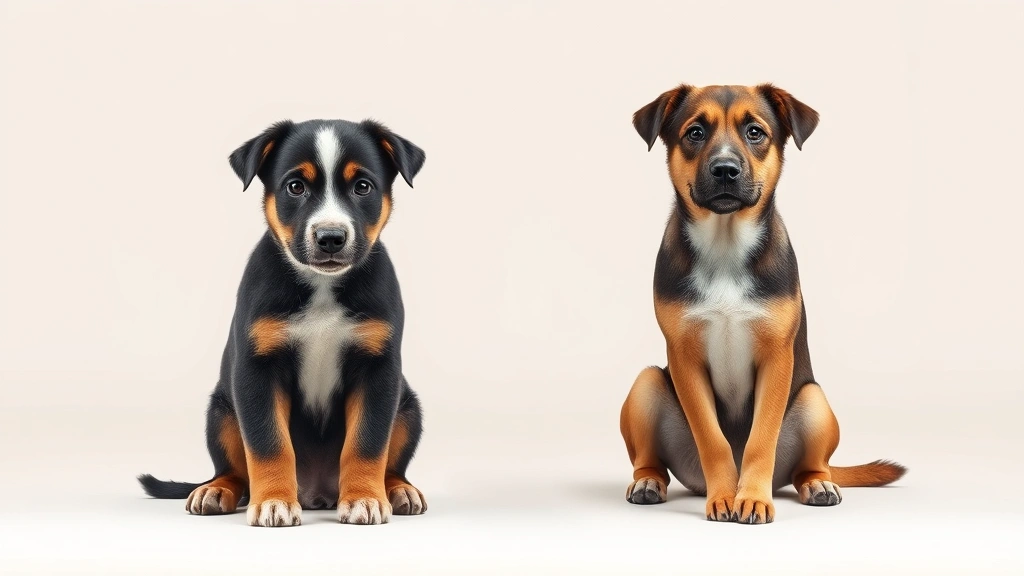
Several factors affect how quickly your dog reaches full size. Genetics is the big one—your dog’s parents’ size is usually a pretty good predictor of their adult size. Nutrition plays an enormous role too; puppies fed high-quality food with appropriate calcium and phosphorus levels tend to grow at healthier rates.
Spaying and neutering can also influence growth. Dogs that are fixed before reaching skeletal maturity sometimes grow slightly taller because the growth plates close later. Gender matters too—male dogs are typically larger than females within the same breed.
Breed-Specific Growth Variations
Different breeds have wildly different growth patterns. The McNab Dog, a medium-sized working breed, reaches full maturity around 12 to 14 months. Meanwhile, the Kangal Dog, a giant Turkish breed, might not be fully grown until 24 to 36 months.
Mixed breeds can be unpredictable, especially if you’re not sure about their parentage. A good rule of thumb is to look at the parents if you know them, or estimate based on your puppy’s paw size—a common myth says big paws mean a big dog, and it’s surprisingly accurate about 70% of the time.
Nutritional Needs During Growth
Feeding your growing dog correctly is absolutely essential for reaching healthy full size. Puppies require more calories per pound of body weight than adult dogs because they’re not only maintaining their bodies but actively building new tissue.
Large and giant breed puppies need special consideration. According to PetMD, feeding them large-breed puppy formulas helps ensure proper calcium and phosphorus ratios, preventing developmental issues. Overfeeding is actually worse than underfeeding for these breeds because rapid growth puts stress on developing bones.
Signs Your Dog Is Reaching Full Size
How do you know when your dog is done growing? Several signs indicate your pup is approaching or has reached full adult size. Their growth rate will slow dramatically—you’ll notice they’re not needing larger collars every month anymore. Their body proportions will become more balanced; puppies often look gangly and uncoordinated, but adult dogs have better proportion between legs, body, and head.
Your dog’s energy levels might change too. Some dogs become calmer as they reach adulthood, though this varies by breed and individual personality. Long-haired dogs often look noticeably different when their adult coat fully develops, which happens around the same time they reach full size.
Health Monitoring During Growth
Regular veterinary checkups during your dog’s growth phase are crucial. Your vet can monitor growth rate, check for developmental issues, and ensure your puppy is on track. They can also provide breed-specific guidance about when your particular dog should reach full size.
Watch for signs of problems like limping, reluctance to exercise, or difficulty standing up. These could indicate developmental orthopedic disease or other growth-related issues. Early intervention can prevent long-term problems.
Post-Growth Development
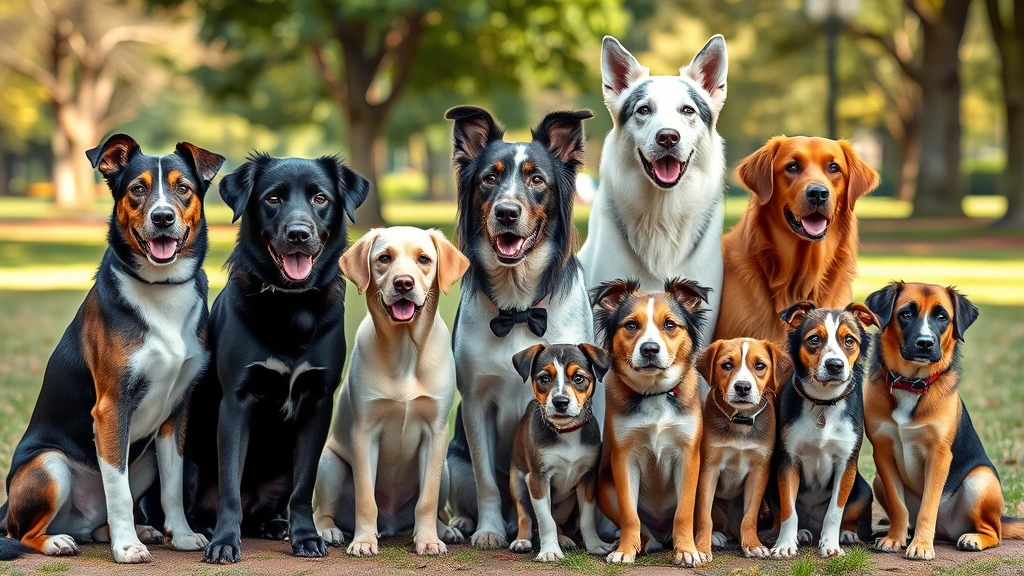
Reaching full size doesn’t mean your dog is fully mature. While physical growth might stop at 12 to 18 months for most breeds, behavioral maturity often takes longer. Many dogs don’t reach full behavioral maturity until around 2 to 3 years old, which is why your full-sized dog might still act like a goofy teenager.
Muscle development and body composition can also continue changing into adulthood. Some dogs fill out more as they age, developing more muscle definition and changing shape slightly as they mature.
Frequently Asked Questions
At what age is a dog considered full grown?
Most dogs reach their full adult size between 12 to 18 months old. Small breeds are typically done growing by 8 to 12 months, while giant breeds might not reach full size until 2 to 3 years old. The exact timeline depends on your individual dog’s breed and genetics.
Do dogs grow after 12 months?
Yes, many dogs continue growing after 12 months, especially larger breeds. While small breeds are usually done by 12 months, medium breeds might grow until 14 to 18 months, and giant breeds can continue growing until 3 years old. Even after physical growth stops, dogs may continue filling out and developing muscle.
How can I tell how big my puppy will be?
Look at your puppy’s parents if possible—they’re usually a good size indicator. Check your puppy’s paw size; larger paws often suggest a larger adult dog. If you know the breed, research the breed standard. For mixed breeds, your veterinarian can make an educated guess based on current growth rate and body structure.
Should I feed my growing dog differently?
Absolutely. Growing dogs need puppy-specific food with appropriate calorie levels and nutrient ratios. Large and giant breed puppies especially need formulas designed for their breed size to prevent developmental issues. Feeding adult food to a growing puppy can cause problems, and overfeeding can lead to joint issues later.
When should I switch from puppy food to adult food?
The timing depends on your dog’s size. Small breeds can usually switch around 9 to 12 months, medium breeds around 12 to 14 months, and large/giant breeds around 18 to 24 months. Your veterinarian can recommend the best time for your specific dog based on their growth rate and development.
Conclusion
When do dogs reach full size? The answer varies significantly based on breed, genetics, and individual factors. Small breeds typically finish growing by 12 months, medium breeds by 14 to 18 months, and giant breeds might take until 3 years old. Throughout this growth period, proper nutrition, regular veterinary care, and appropriate exercise are essential for ensuring your dog develops into a healthy, happy adult. Remember that reaching full physical size doesn’t mean your dog is behaviorally mature, so patience and consistent training remain important even after the growth phase ends. By understanding your specific dog’s growth timeline and providing appropriate care during these critical developmental months, you’re setting the foundation for a long, healthy life together.





