
When do dogs start walking? Most puppies take their first wobbly steps between 3 to 4 weeks of age, but the journey from immobile potato to confident walker is way more interesting than you’d think. Let’s dive into the developmental stages that transform your floppy furball into a four-legged explorer.
Table of Contents
- The First Weeks: Before Walking Even Happens
- Weeks 3-4: The Awkward Shuffle Begins
- Weeks 5-6: Building Confidence and Coordination
- Weeks 7-8: The Weaning-to-Independence Transition
- 3-4 Months: The Gangly Teenager Phase
- Joint Health and Walking Development
- Breed-Specific Walking Variations
- When to Worry About Walking Development
- Creating the Perfect Walking Environment
- Exercise and Play: Beyond Just Walking
- Frequently Asked Questions
- Summary: The Walking Timeline
The First Weeks: Before Walking Even Happens
Before your puppy can walk, they need to master the basics of existing. Newborn puppies (0-2 weeks) are basically adorable blobs that eat, sleep, and poop. Their eyes and ears are still closed, and they’re completely dependent on mom for everything. During this phase, they’re building muscle tone and neural connections—the unglamorous foundation for future walking.
Around 2-3 weeks, puppies start opening their eyes and ears. This is when you’ll notice them becoming slightly more aware of their surroundings, though they still mostly just want to nap and nurse. Their legs are like wet spaghetti at this point, barely capable of supporting their own weight.
Weeks 3-4: The Awkward Shuffle Begins
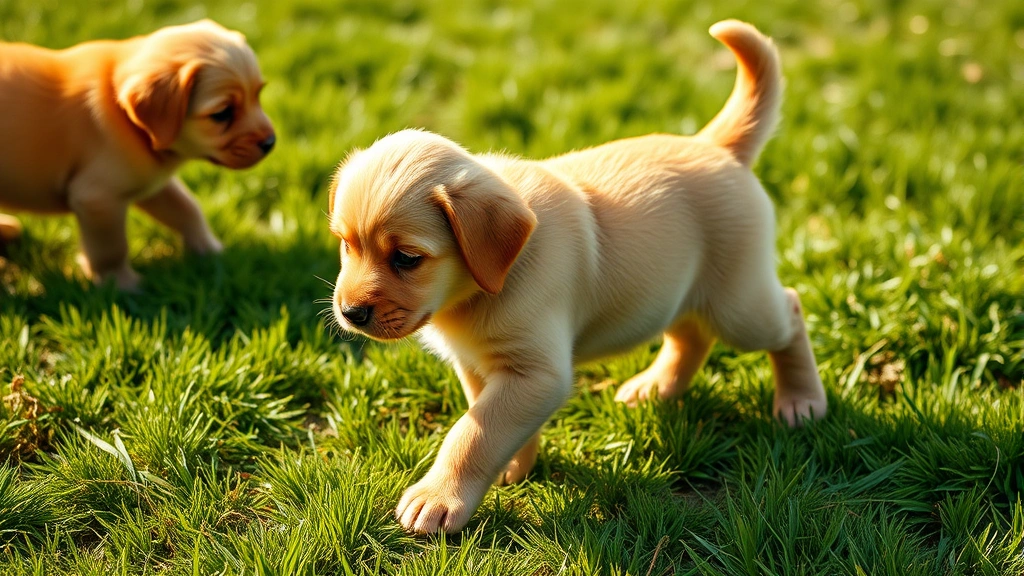
Here’s where things get adorable. When do dogs start walking? Around 3-4 weeks, puppies begin attempting their first steps. Don’t expect a graceful trot—imagine a tiny drunk person trying to navigate a room after spinning in circles. Their coordination is hilariously nonexistent, and they’ll frequently topple over like furry bowling pins.
These early attempts are crucial for puppy motor development. Each stumble teaches their brain and muscles how to work together. You might see them take two steps forward and one step sideways, which is totally normal. They’re learning proprioception (body awareness) in real-time, and it’s absolutely hilarious to watch.
Weeks 5-6: Building Confidence and Coordination
By 5-6 weeks, most puppies are walking with increasing confidence, though they still look like they’ve had a few too many at the bar. Their gait becomes steadier, and they start exploring their immediate environment more deliberately. This is when play-fighting with littermates intensifies, and you’ll see them chasing each other around (albeit in very wobbly fashion).
During this period, puppies are also developing their sense of balance and spatial awareness. They’re learning how to navigate around obstacles, climb over things, and generally figure out how their bodies work in three-dimensional space. It’s like watching a tiny software update happen in real-time.
Weeks 7-8: The Weaning-to-Independence Transition
As puppies approach 7-8 weeks (typically when they’re ready to leave their littermates), their walking ability becomes much more coordinated. They can now trot around with reasonable confidence, though they still lack the endurance of adult dogs. This is the critical period when most puppies are adopted or purchased, and you’re getting a mobile pup rather than a stationary one.
At this stage, puppy walking milestones include improved balance, faster movement, and the ability to navigate stairs (though you should still supervise carefully). Their legs are getting stronger, and they’re developing muscle memory for coordinated movement.
3-4 Months: The Gangly Teenager Phase
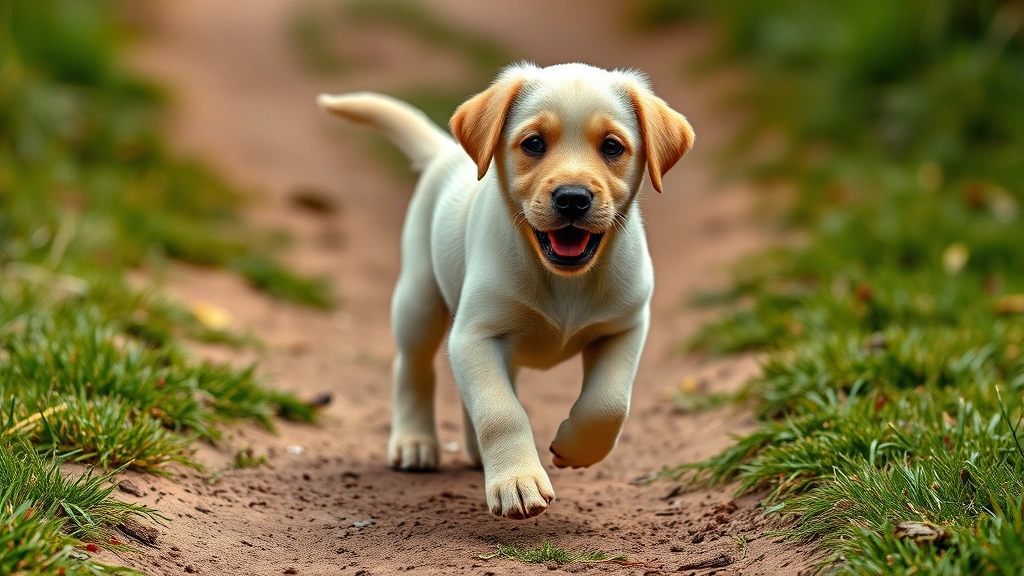
From 3-4 months onward, puppies are walking and running with much greater control, though they’re still clumsy as hell. Their legs are growing faster than their coordination can keep up with, resulting in the classic gangly teenager aesthetic. They can now handle short walks and play sessions, though you need to be careful about overexertion.
This is an ideal time to start introducing regular walking routines and monitoring whether it’s too hot to walk your dog. Short, frequent walks are better than long ones at this age, as their bones and joints are still developing. A good rule of thumb is 5 minutes of walking per month of age, twice daily.
Joint Health and Walking Development
Here’s something most people don’t think about: proper walking development is directly connected to long-term joint health. Puppies that get appropriate exercise during their growth phase tend to develop stronger bones and healthier joints. Conversely, too much exercise too early can damage developing joints, especially in large breed dogs.
If you’re concerned about your puppy’s joint development, joint supplements for dogs can provide support during the growth phase, though you should always consult your vet first. Proper nutrition and appropriate exercise are the foundation of healthy joints, and walking plays a crucial role in this development.
Breed-Specific Walking Variations
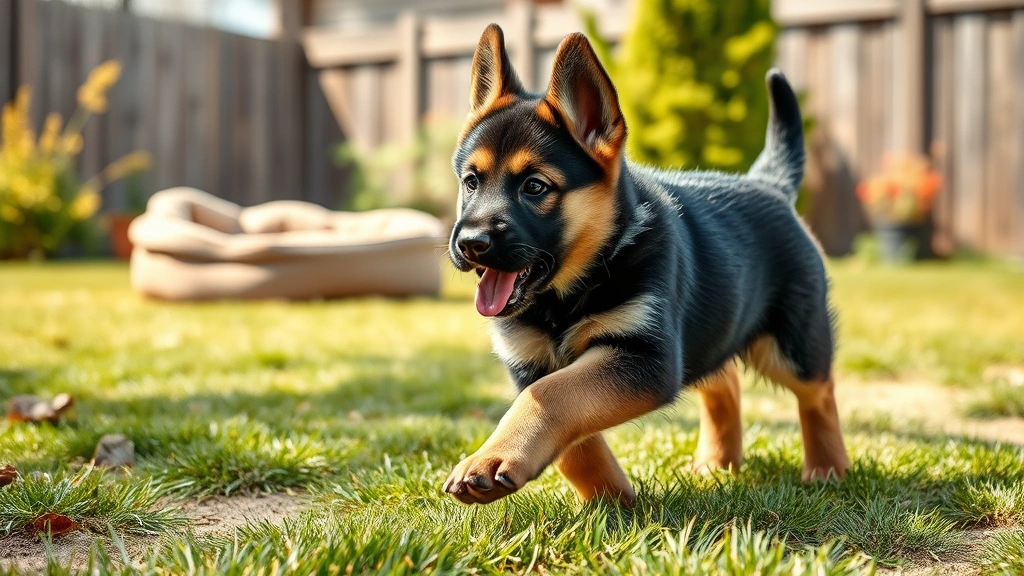
Not all puppies develop at the same rate. Large breed puppies (like German Shepherds, Labs, and Great Danes) sometimes take slightly longer to walk confidently because they have more mass to coordinate. Small breed puppies often walk earlier but with less stability initially. Giant breed puppies are basically working with a physics problem—more body to control means more coordination challenges.
Additionally, some breeds are naturally more athletic and coordinated than others. Herding breeds tend to develop confident walking earlier, while some toy breeds might seem perpetually clumsy. These variations are totally normal and don’t indicate a problem.
When to Worry About Walking Development
Most puppies follow a predictable timeline, but some variations warrant veterinary attention. If your puppy hasn’t taken any steps by 6-7 weeks, or if they’re limping, dragging a leg, or showing signs of pain, contact your vet immediately. Developmental orthopedic disease (DOD) is more common in large breeds and can affect walking ability.
Also watch for signs of neurological issues: if your puppy seems unable to coordinate their back legs or front legs, or if they’re significantly behind their littermates developmentally, get them checked out. Most issues caught early are manageable, but early intervention is key.
Creating the Perfect Walking Environment
Once your puppy is walking confidently, you’ll want to set them up for success. A memory foam dog bed provides proper support for developing joints and muscles after those early walking sessions. Puppies need adequate rest to build muscle and bone properly, so comfortable sleeping arrangements are part of the walking development equation.
Provide safe spaces for exploration and play. Puppies learn to walk and navigate by exploring, so having a secure area where they can practice without hazards is essential. Avoid slippery floors (like hardwood) when possible, as they make walking development harder and can create joint stress.
Exercise and Play: Beyond Just Walking
While walking is important, puppies also need varied movement and play for proper development. Interactive play with toys like Kong Extreme Dog Toy Fetch toys encourages running, jumping, and quick directional changes—all of which build coordination and strength. However, avoid high-impact activities like jumping from heights until their growth plates have closed (typically 12-18 months depending on breed).
Socialization walks are also crucial. Walking your puppy around different environments, surfaces, and situations builds confidence and teaches them to navigate the real world. This psychological development is just as important as the physical development of walking ability.
Frequently Asked Questions
At what age do puppies typically start walking?
Most puppies take their first steps around 3-4 weeks of age. By 5-6 weeks, they’re walking with increasing confidence, though still clumsily. By 7-8 weeks (when they typically go to new homes), they can walk and trot reasonably well.
Is my puppy developing normally if they’re not walking by 6 weeks?
Most puppies walk by 5-6 weeks, but some variation is normal. If your puppy hasn’t walked by 7 weeks or shows signs of pain, limping, or neurological issues, contact your veterinarian for an evaluation.
How much should I walk my puppy?
A good guideline is 5 minutes of walking per month of age, twice daily. So a 3-month-old puppy would get about 15 minutes of walking, twice per day. Adjust based on your puppy’s energy level and breed size.
Can I take my puppy on long walks before they’re fully grown?
Long walks before skeletal maturity can damage developing joints. Stick to shorter, more frequent walks until your puppy is at least 12-18 months old (depending on breed). Excessive jumping and high-impact activities should also be limited during growth phases.
What surfaces are best for puppies learning to walk?
Grass, dirt, and non-slip flooring are ideal for puppies learning to walk. Slippery surfaces like hardwood or tile can strain developing joints and make coordination harder. Avoid rough concrete and very uneven terrain until they’re more coordinated.
Should I be concerned if my puppy walks differently than other puppies?
Some variation is normal based on breed, size, and individual development. However, if your puppy shows consistent limping, drags a leg, or seems to be in pain, seek veterinary evaluation. Developmental issues caught early are usually manageable.
Summary: The Walking Timeline
When do dogs start walking? The answer is that it’s a gradual process starting around 3-4 weeks with those first adorable, wobbly steps, progressing through increasingly coordinated movement by 7-8 weeks, and continuing to develop through the first year of life. Understanding these milestones helps you provide appropriate exercise, recognize potential issues early, and appreciate just how much work goes into your puppy’s physical development.
Remember that every puppy is unique. While these timelines are typical, individual variation is normal. What matters most is that your puppy is progressing steadily, showing no signs of pain or distress, and getting appropriate rest and nutrition to support healthy development. By the time they’re a few months old, you’ll have a confident little walker ready to explore the world—just maybe not the hot pavement, so check whether it’s too hot to walk your dog before heading out.





