
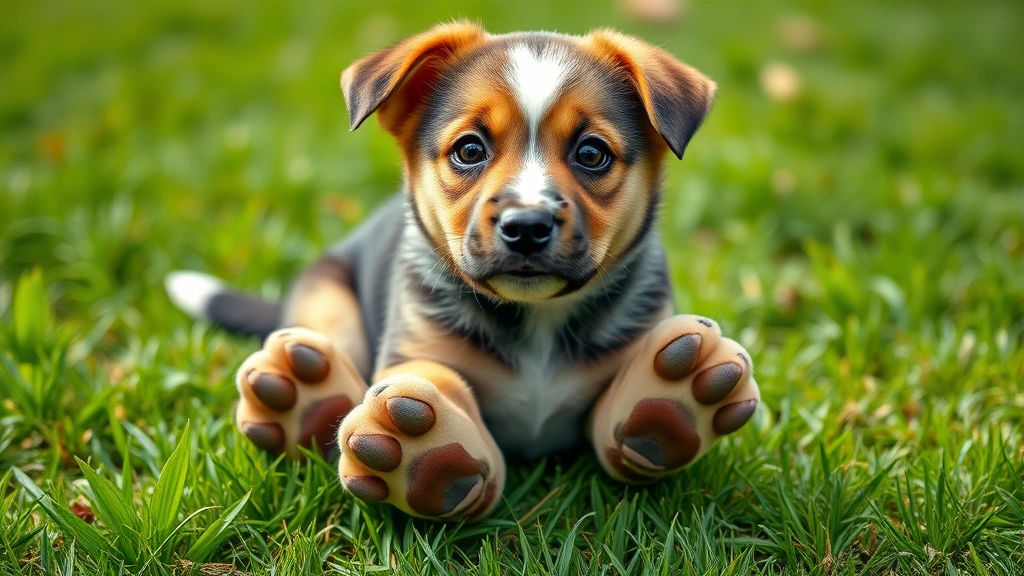
When do mixed breed dogs stop growing? It’s one of the most common questions new dog parents ask, and honestly, the answer isn’t as straightforward as you’d think. Unlike purebred dogs with predictable growth charts, mixed breeds are basically the wild cards of the canine world—they could surprise you at any moment.
Table of Contents
- Understanding Mixed Breed Growth Patterns
- Small Mixed Breeds: The Quick Growers
- Medium Mixed Breeds: The Steady Developers
- Large and Giant Mixed Breeds: The Patient Growers
- Signs Your Mixed Breed Is Still Growing
- Nutrition’s Role in Growth Timeline
- Mixed Breed Size Prediction Methods
- Growth Plate Closure and Maturity
- Common Growth Issues in Mixed Breeds
- When to Consult Your Veterinarian
- Exercise and Activity During Growth
- Frequently Asked Questions
- Summary: Patience Pays Off
Understanding Mixed Breed Growth Patterns
Mixed breed dogs are genetic lottery tickets. Your pup might inherit growth genes from a Chihuahua on one side and a Golden Retriever on the other, making predictions about their final size pretty much impossible. Most mixed breeds stop growing between 12 to 18 months of age, but some—especially larger mixed breeds—might keep growing until they’re 2 years old or even slightly beyond.
The key factor here is understanding what size category your mixed breed falls into. Small mixed breeds typically reach their adult size faster than large mixed breeds. A tiny mixed breed might be fully grown by 9 months, while a giant mixed breed could still be filling out at 24 months.
Small Mixed Breeds: The Quick Growers
Small mixed breeds, those weighing under 25 pounds, are usually the speediest when it comes to reaching adult size. These pint-sized pups typically stop growing between 9 to 12 months old. Their smaller frames don’t require as much time to develop, and their growth plates close relatively early.
If you’ve got a small mixed breed puppy, you’ll probably notice they reach their full size by their first birthday. This is great news if you’re eager to know exactly how big your furry friend will be. However, don’t be shocked if there’s still some minor filling out happening even after the 12-month mark.
Medium Mixed Breeds: The Steady Developers
Medium-sized mixed breeds, weighing between 25 and 50 pounds, are the Goldilocks of growth timelines. These pups typically stop growing between 12 to 15 months of age. If you’re curious about medium outside dog breeds, you’ll find that mixed breeds in this category develop at a steady, predictable pace.
Medium mixed breeds give you a nice window to observe their growth pattern. By around 12 months, most will be close to their adult size, though some muscular development might continue through month 15. This is the sweet spot where you can make pretty educated guesses about their final adult appearance.
Large and Giant Mixed Breeds: The Patient Growers
Now here’s where things get interesting. Large mixed breeds (50-100 pounds) and giant mixed breeds (over 100 pounds) are the slowpokes of the growth world. These big guys typically don’t stop growing until 18 to 24 months old. Some giant mixed breeds might even continue filling out until they’re 2.5 years old.
Large breed growth is slower because their bodies require more time to develop properly. Their bones need extra time to strengthen, and their skeletal system needs to fully mature before bearing their substantial weight. This extended growth period is actually beneficial—it allows their bodies to develop correctly and reduces the risk of orthopedic issues.
Signs Your Mixed Breed Is Still Growing
So how do you know if your mixed breed pup is still growing? There are several telltale signs to watch for. First, check their paws. If their paws look disproportionately large compared to their legs, they’ve probably got more growing to do. Puppies with oversized paws are basically wearing their future shoes.
Another indicator is their body shape. A growing puppy will look gangly and slightly awkward, with their legs appearing longer than their body. Once they reach their adult size, they’ll fill out and appear more proportionate. You might also notice continued appetite increases and frequent energy bursts—growing dogs need fuel and movement.
Additionally, if your vet says your pup’s growth plates haven’t closed yet, there’s definitely more growth happening. Growth plates are the soft areas at the ends of bones that eventually harden as the dog matures.
Nutrition’s Role in Growth Timeline
What you feed your mixed breed puppy directly impacts their growth timeline and final size. Proper nutrition is absolutely crucial during these developmental months. Large breed dog food is specifically formulated to support healthy growth without accelerating it too quickly, which can cause skeletal problems.
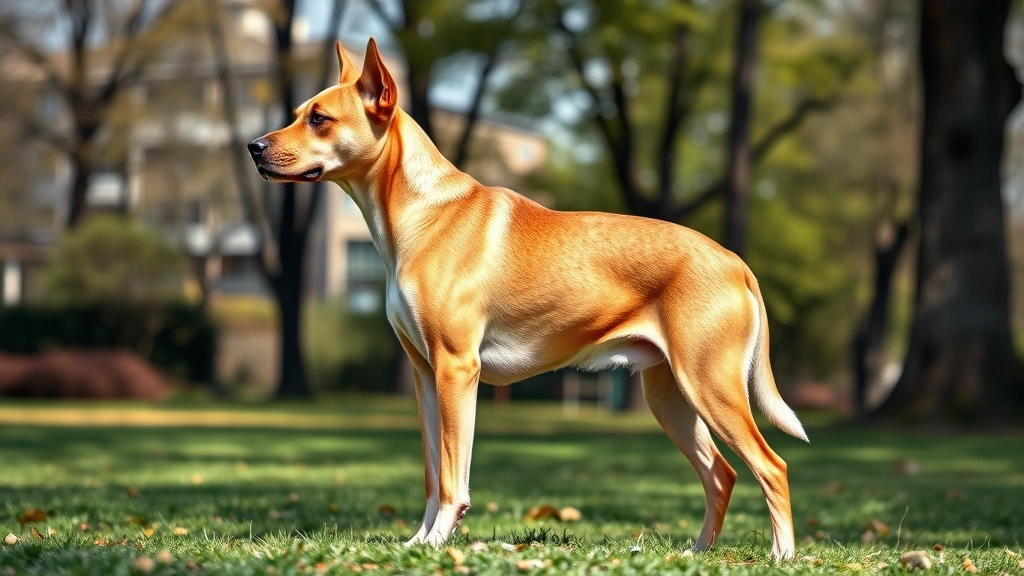
Feeding your puppy high-quality food with appropriate calcium and phosphorus levels helps ensure proper bone development. Overfeeding or feeding inappropriate food can actually speed up growth in unhealthy ways, leading to joint problems and other issues. Similarly, fresh pet food options can be excellent for growing puppies when they’re nutritionally balanced.
Always consult with your veterinarian about the best feeding plan for your specific mixed breed puppy. They can recommend appropriate portion sizes and food types based on your pup’s expected adult size and current growth rate.
Mixed Breed Size Prediction Methods
Want to predict how big your mixed breed will get? There are a few methods worth trying. The paw-size method is popular but not always accurate—measure your puppy’s paw and multiply by 2 or 2.5, depending on whether they’re male or female. This gives you a rough estimate of their adult weight.
Another method involves looking at the parents if you know their sizes. If your mixed breed is a first-generation mix, the adult size often falls somewhere between the two parent breeds. However, this gets complicated quickly with mixed breeds of mixed breeds.
Your veterinarian is honestly your best resource. They can examine your puppy’s current size, growth rate, and bone structure to make educated predictions about final adult size. They might also have experience with similar mixed breed combinations.
Growth Plate Closure and Maturity
Growth plates are the secret behind understanding when dogs stop growing. These are areas of cartilage near the ends of bones that eventually turn into solid bone. Once growth plates close, your dog stops growing taller. For most mixed breeds, growth plates close between 12 to 18 months, though large breeds might take until 24 months.
It’s important to note that just because growth plates have closed doesn’t mean your dog has reached their final adult appearance. Muscle development and filling out can continue for several more months. A dog might reach their maximum height at 18 months but continue gaining muscle and weight until they’re 2 years old.
Common Growth Issues in Mixed Breeds
Mixed breed puppies can experience growth-related problems, especially if they grow too quickly or too slowly. Hip dysplasia and elbow dysplasia are more common in rapidly growing large breeds. Ensuring appropriate nutrition and avoiding excessive exercise during growth periods helps prevent these issues.
Some mixed breeds grow unevenly, with one side developing faster than the other. This usually corrects itself as they mature, but if it seems severe, mention it to your vet. Additionally, certain mixed breeds might inherit genetic predispositions to growth issues from their parent breeds.
When to Consult Your Veterinarian
You should talk to your vet if your mixed breed’s growth seems unusually fast or slow compared to what’s expected for their size category. If your puppy stops growing prematurely or shows signs of joint problems, pain, or lameness during growth phases, schedule a vet visit immediately.
Your veterinarian can monitor growth plates through X-rays if necessary and ensure your puppy is developing appropriately. They’re also your best resource for nutrition advice and exercise recommendations during growth periods. Regular puppy check-ups (typically every 3-4 weeks until 16 weeks, then less frequently) help track growth progress.
Exercise and Activity During Growth
Here’s something many new puppy parents don’t realize: excessive exercise during growth periods can actually harm developing joints and bones. Large breed puppies especially need restricted exercise until their growth plates close. This means limiting jumping, running on hard surfaces, and repetitive activities.

A good rule of thumb is five minutes of exercise per month of age, twice daily. So a 3-month-old puppy gets about 15 minutes of exercise, twice a day. This might seem short, but it protects their developing skeleton. Once they’re fully grown, you can gradually increase exercise intensity.
Frequently Asked Questions
At what age do most mixed breed dogs stop growing?
Most mixed breed dogs stop growing between 12 to 18 months old. However, this varies significantly based on size. Small mixed breeds might stop at 9-12 months, while large and giant mixed breeds can continue growing until 24 months or beyond. Your veterinarian can give you a more specific timeline based on your individual puppy.
Can you predict a mixed breed dog’s adult size?
Predicting mixed breed adult size is challenging but possible with some methods. The paw-size method provides rough estimates, and knowing the parent breeds helps. However, your veterinarian is the best resource for accurate predictions based on your puppy’s current growth rate and bone structure.
Do mixed breeds grow faster than purebreds?
Growth rates are similar between mixed breeds and purebreds of comparable sizes. The difference is predictability. Purebreds have established growth standards, while mixed breeds vary more widely. A mixed breed the same size as a purebred will likely reach adult size at similar ages.
Should I feed my growing mixed breed puppy special food?
Yes, puppy food formulated for your dog’s expected adult size is important. Large breed puppy formulas have balanced calcium and phosphorus to support proper bone development without accelerating growth unhealthily. Consult your vet about the best food choice for your mixed breed’s specific needs.
Is my mixed breed puppy’s growth plate closure important?
Absolutely. Growth plate closure indicates when your dog stops growing taller. However, muscle development and filling out can continue after plates close. Growth plates typically close between 12-24 months depending on size. Your vet can monitor this through X-rays if needed.
Why does my mixed breed puppy look gangly and awkward?
Puppies often look awkward during growth because different body parts grow at different rates. Legs typically grow before the body fills out, creating that lanky appearance. This is completely normal and usually resolves as your puppy matures and fills out their frame.
Summary: Patience Pays Off
Understanding when your mixed breed dog stops growing helps you provide appropriate care during their developmental months. While small mixed breeds typically reach adult size by 12 months, large and giant mixed breeds might continue growing until 18-24 months or beyond. The exact timeline depends on genetics, nutrition, and overall health.
Remember that growth is just the beginning of your dog’s journey. Whether your mixed breed is a mini Bernese mountain dog mix or a giant gentle giant, proper nutrition, appropriate exercise, and regular veterinary care during growth phases set them up for a healthy, happy adult life. Be patient, trust the process, and enjoy watching your puppy transform into their unique adult self.
Your mixed breed’s unpredictability is part of their charm. That surprise growth spurt or unexpected size change is all part of the adventure of raising a mixed breed puppy. And honestly, isn’t that what makes them so special?





