

When Do Dogs Stop Growing? A Comprehensive Breed Guide
One of the most exciting aspects of dog ownership is watching your puppy transform from a tiny ball of fur into their full-size adult self. But if you’re a new dog parent, you might find yourself wondering: when exactly does a dog stop growing? The answer isn’t as straightforward as you might think. Unlike humans, who reach their adult height by their early twenties, dogs follow a much more varied timeline depending on their breed, size, and individual genetics.
Understanding your dog’s growth patterns is crucial for several reasons. It helps you provide appropriate nutrition, anticipate behavioral changes, plan for training milestones, and prepare for the transition from puppyhood to adulthood. Whether you’ve just brought home a tiny Chihuahua or a gangly Great Dane puppy, this guide will help you understand exactly what to expect during your dog’s growth journey.
The growth timeline for dogs is fascinating and complex, with some breeds reaching their full size in just a year, while others continue growing for two to three years. In this comprehensive guide, we’ll explore breed-specific growth patterns, factors that influence growth, and practical tips for supporting your puppy’s healthy development.
Understanding Canine Growth Basics
Dogs grow at remarkably different rates compared to humans and other domesticated animals. The growth process in puppies is incredibly rapid during the first few months of life, with most of the skeletal development occurring before they reach one year of age. However, the exact timeline varies dramatically based on breed size and genetics.
The primary reason for these differences lies in selective breeding. Small dog breeds were developed to maintain puppy-like characteristics and reach maturity quickly, while large and giant breeds were bred for their impressive size, which takes considerably longer to develop. This means a Chihuahua might be fully grown at eight months, while a Saint Bernard might not reach their final size until they’re three years old.
Growth plates, which are areas of cartilage near the ends of bones, play a crucial role in determining when a dog stops growing. These plates gradually harden and fuse as the dog matures. Once the growth plates have completely ossified (turned into bone), growth essentially stops. For most dogs, this process is complete by age two, but large and giant breeds may continue growing beyond this point.

Small Breed Growth Timeline
Small dog breeds, generally weighing under 25 pounds, have the quickest growth trajectory of all dog sizes. Breeds like Chihuahuas, Pomeranians, Yorkshire Terriers, and Shih Tzus typically reach their full adult size between 8 to 12 months of age. Many small breeds are actually considered fully mature by their first birthday.
By three months of age, small breed puppies have usually reached about 50% of their adult weight. At six months, they’re typically around 75-90% of their final size. This rapid growth means you’ll notice significant changes in your small breed puppy almost weekly during their first few months.
The quick maturation of small breeds also means they transition to adult food sooner than larger breeds. Understanding how much food to feed your dog becomes important as they approach adulthood. Many owners wonder about the transition from puppy to adult nutrition, and some even question whether adult dogs can eat puppy food—the answer is generally no, as adult formulas provide different nutritional balances.
- Chihuahua: 8-10 months
- Pomeranian: 10-12 months
- Yorkshire Terrier: 8-10 months
- Maltese: 9-11 months
- Shih Tzu: 10-12 months
Medium Breed Growth Timeline
Medium-sized dogs, typically weighing between 25 to 50 pounds, have a moderate growth timeline and usually reach their full adult size between 12 to 16 months of age. Popular medium breeds include Beagles, Cocker Spaniels, Bulldogs, and Australian Cattle Dogs.
At three months, medium breed puppies typically weigh about 25-30% of their adult weight. By six months, they’ve usually reached approximately 60-70% of their final size. At one year, most medium breeds are close to their full height, though they may continue to fill out and gain muscle mass for another few months.
The growth rate for medium breeds is steady and predictable, making it easier to plan for dietary changes and training milestones. If you’re curious about when your dog will stop growing, the one-year mark is typically a good checkpoint for medium breeds to assess their progress.
- Beagle: 12-15 months
- Cocker Spaniel: 12-15 months
- English Bulldog: 12-18 months
- Australian Cattle Dog: 12-16 months
- Boxer: 12-18 months
Large Breed Growth Timeline
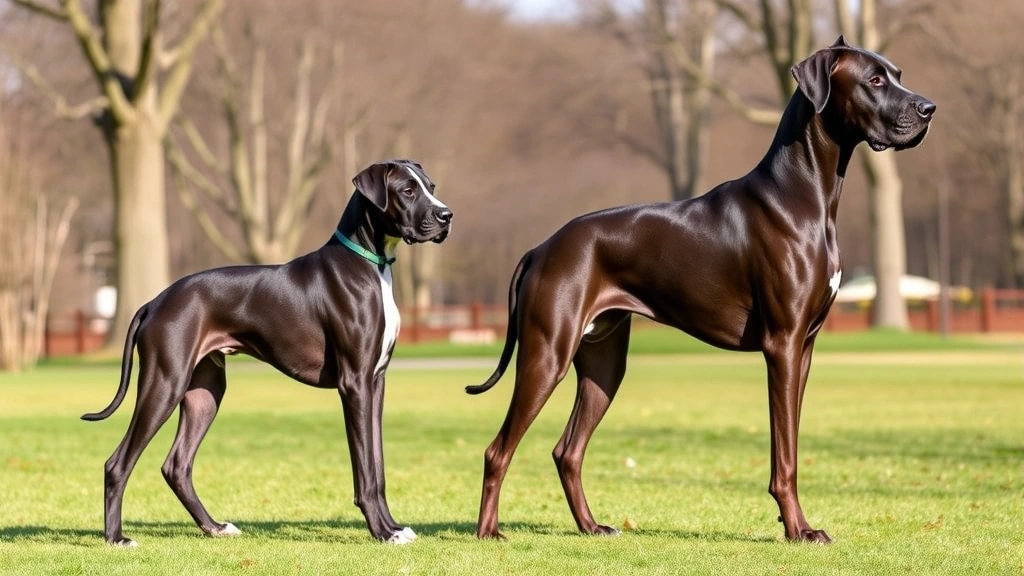
Large dog breeds, weighing between 50 to 90 pounds, have a considerably longer growth period than their smaller counterparts. Breeds like Labrador Retrievers, Golden Retrievers, German Shepherds, and Rottweilers typically continue growing until 18 to 24 months of age. Some may not reach their complete final size until they’re closer to two years old.
Large breed puppies grow more slowly than small breeds in terms of percentage gain, but the absolute amount of growth is substantial. At three months, a large breed puppy might weigh only 15-20% of their adult weight. By six months, they’re usually around 50-60% of their final size. At one year, large breed dogs are often near their full height but continue to fill out and develop muscle.
It’s important to understand when dogs are fully grown because large breeds require special consideration during their growth phase. Overfeeding and excessive exercise during growth can lead to joint problems and orthopedic issues. Large breed puppies should be fed specially formulated large-breed puppy food to ensure proper calcium and phosphorus ratios.
- Labrador Retriever: 18-24 months
- Golden Retriever: 18-24 months
- German Shepherd: 18-24 months
- Rottweiler: 18-24 months
- Vizsla: 18-22 months
Giant Breed Growth Timeline
Giant dog breeds, weighing over 90 pounds, have the longest growth periods of all canine sizes. Breeds like Great Danes, Saint Bernards, Mastiffs, and Newfoundlands may continue growing until 24 to 36 months of age. Some giant breeds don’t reach their truly full, mature size until they’re three years old or even slightly beyond.
Giant breed puppies grow at a slower percentage rate than other sizes but accumulate massive amounts of weight and size. At six months, a giant breed puppy might only be 40-50% of their adult weight. At one year, they’re typically 60-70% of their final size. The growth trajectory extends well into the second and third years of life.
Understanding when a dog is full grown is particularly important for giant breeds because their extended growth period means they remain vulnerable to growth-related health issues for a longer time. These breeds require specially formulated giant-breed puppy food and careful monitoring to prevent developmental orthopedic disease (DOD).
- Great Dane: 24-36 months
- Saint Bernard: 24-36 months
- English Mastiff: 24-36 months
- Newfoundland: 24-36 months
- Irish Wolfhound: 24-30 months
Factors Affecting Growth Rate
While breed and size are the primary determinants of growth timeline, several other factors can influence how quickly or slowly your individual dog grows. Understanding these factors can help you better support your puppy’s development and identify any potential concerns.
Genetics and Parentage: Individual genetics play a significant role in growth rate. Even within the same breed, some puppies grow faster than others. If both parents were on the smaller side of the breed standard, their offspring may mature slightly earlier than average. Conversely, puppies from larger parents may grow more slowly and reach a larger final size.
Sex Differences: Male dogs typically grow larger and sometimes take slightly longer to reach full maturity compared to female dogs of the same breed. Males often continue filling out and developing muscle mass for a few months longer than females.
Nutrition Quality: The quality and composition of your puppy’s diet directly impacts their growth rate and final size. Puppies fed premium, well-balanced diets formulated for their age and size typically develop more optimally than those fed lower-quality foods. Proper nutrition ensures strong bone development and prevents growth-related complications.
Health Status: Puppies with health issues, parasites, or nutritional deficiencies may experience slower growth. Conversely, some health conditions can cause abnormally rapid growth. Regular veterinary check-ups during the growth phase help identify and address any health-related growth concerns.
Exercise and Activity Level: Appropriate exercise supports healthy growth, but excessive exercise during the growth phase can be detrimental, particularly in large and giant breeds. Too much high-impact activity before growth plates have closed can lead to joint damage and developmental issues.
Nutrition and Growth
Proper nutrition is absolutely fundamental to supporting healthy growth in puppies. Feeding the right food at the right time is one of the most important decisions you’ll make as a dog owner. Different growth stages and breed sizes require different nutritional formulations.
Puppy Food Stages: Puppies should be fed specially formulated puppy food appropriate for their breed size. Large and giant breed puppies, in particular, need food with carefully balanced calcium and phosphorus levels to support proper skeletal development. Feeding adult food to a growing puppy or vice versa can compromise their development.
Most puppies transition from puppy to adult food around 12 months for small breeds, 12-18 months for medium breeds, and 18-24 months for large and giant breeds. However, the exact timing depends on your individual dog’s growth progress. Your veterinarian can help you determine the best time to make this transition.
Understanding proper feeding portions prevents both overfeeding and underfeeding, both of which can cause growth problems. Overfeeding accelerates growth, which can lead to joint problems and metabolic issues in large breeds. Underfeeding results in inadequate nutrition for proper development.
Caloric Requirements: Growing puppies require significantly more calories per pound of body weight than adult dogs. A growing puppy might need two to three times as many calories as an adult dog of the same final size. However, these calories must come from nutritionally complete, age-appropriate food.
Supplementation: While it might seem logical to give growing puppies supplements, most well-formulated puppy foods contain all necessary nutrients. In fact, over-supplementation with calcium and phosphorus can cause serious growth problems, particularly in large breeds. Always consult your veterinarian before adding any supplements to your puppy’s diet.
Signs Your Dog Has Stopped Growing
While you have a general timeline based on your dog’s breed, certain physical signs indicate that your dog has reached or is approaching their full adult size. These visual and behavioral cues can help you confirm that your puppy’s growth phase is concluding.
Body Proportions Stabilize: Puppies often go through awkward phases where their paws seem too big or their legs seem too long for their bodies. As they mature, these proportions become more balanced and harmonious. Once their body proportions look proportionate and balanced, they’re likely near or at full growth.
Growth Rate Slows Dramatically: During the rapid growth phase, you’ll notice visible changes week to week. As your dog approaches full maturity, the growth rate slows considerably. If you’re no longer noticing significant size changes from month to month, your dog is likely approaching their final size.
Facial Features Mature: A puppy’s face often looks different from an adult dog’s face. As they mature, their facial features become more defined and adult-like. Muzzle length and head shape typically stabilize as the dog reaches maturity.
Behavioral Changes: Puppies are typically more energetic and playful than adult dogs. As your dog reaches adulthood, their energy levels typically settle, and their behavior becomes more consistent and predictable. This behavioral maturation often coincides with reaching full physical growth.
Transition to Adult Food: When you notice that your dog has reached their expected full size and your veterinarian confirms they’re done growing, it’s time to transition to adult food. This ensures they’re getting the right nutritional balance for maintenance rather than growth.
If you’re curious about later life stages, you might wonder when a dog is considered a senior. While that’s years away for a young adult dog, understanding the full lifespan helps you plan for their long-term care.
Frequently Asked Questions
Can I tell how big my puppy will get?
While you can’t predict your puppy’s exact adult size, there are several clues. Look at the parents’ sizes if possible, as genetics play a major role. You can also examine your puppy’s paw size—larger paws often indicate a larger adult dog. Your veterinarian can provide growth projections based on your puppy’s breed and current development. For mixed-breed puppies, DNA tests can sometimes provide breed composition information that helps predict size.
Is it normal for dogs to stop growing at different rates?
Yes, absolutely. Individual puppies within the same breed can have slightly different growth timelines. Factors like genetics, nutrition, health status, and sex all influence growth rate. As long as your puppy is growing steadily and your veterinarian confirms they’re healthy, minor variations in timing are completely normal.
What happens if I feed my puppy adult food too early?
Feeding adult food to a growing puppy can result in inadequate nutrition for proper development. Puppy food is specifically formulated with the right balance of calories, protein, fat, calcium, and phosphorus for growing dogs. Adult food typically has lower calorie density and different mineral ratios, which can compromise bone development and growth.
Should I limit exercise while my puppy is growing?
Yes, especially for large and giant breed puppies. While puppies need exercise and play, excessive high-impact activity before growth plates close can damage developing joints. Avoid repetitive jumping, running on hard surfaces, or forced exercise. Instead, allow puppies to play freely at their own pace. Your veterinarian can provide specific exercise guidelines for your puppy’s breed.
When should I switch from puppy to adult food?
The timing depends on your dog’s breed size. Small breeds typically transition around 9-12 months, medium breeds around 12-18 months, and large/giant breeds around 18-24 months. The best approach is to consult your veterinarian, who can assess your individual dog’s growth progress and recommend the optimal transition time.
Can spaying or neutering affect growth?
Spaying and neutering can slightly influence growth patterns. Dogs that are spayed or neutered before growth is complete may grow slightly taller because the sex hormones that typically signal growth plate closure are absent. However, the differences are usually minimal. Always follow your veterinarian’s recommendations regarding the best timing for these procedures.
What if my puppy seems to be growing too fast or too slow?
If you’re concerned about your puppy’s growth rate, consult your veterinarian. Rapid growth can indicate overfeeding or certain health conditions, while slow growth might suggest nutritional deficiency or underlying health issues. Your vet can compare your puppy’s growth to breed standards and address any concerns.





