

When dogs get stuck together is she pregnant? This is probably the most common question pet owners frantically Google at 2 AM after witnessing their dogs in a compromising position. The short answer: not necessarily. But let’s dive into the messy, awkward, and surprisingly scientific reality of canine reproduction that’ll make you understand what’s actually happening when your pups get stuck together.
Table of Contents
- Understanding the Canine Mating Process
- The Tie Doesn’t Guarantee Pregnancy
- Signs Your Female Dog Might Be Pregnant
- What About Accidental Breeding?
- Heat Cycles and Fertility Windows Explained
- Breed-Specific Considerations for Pregnancy
- Health Considerations During Canine Pregnancy
- False Pregnancy: A Common Confusion
- Prevention: The Most Reliable Option
- When to Call Your Veterinarian
- Frequently Asked Questions
Understanding the Canine Mating Process
First things first—when dogs get stuck together, they’re experiencing what’s called the “tie” or “copulatory lock.” This isn’t some random glitch in nature; it’s actually a brilliant biological mechanism designed by evolution. During mating, the male dog’s penis swells inside the female’s vagina, and muscles contract around it, creating that stuck-together situation that makes owners panic.
The tie typically lasts anywhere from 5 to 30 minutes, though some sources report it can extend up to an hour. During this time, both dogs are basically locked in place, and yes, it looks uncomfortable and weird. But here’s the thing—it’s completely normal and happens in virtually every successful dog mating.
The Tie Doesn’t Guarantee Pregnancy
Here’s where things get interesting. Just because your female dog is tied with a male doesn’t automatically mean she’s getting pregnant. The tie is necessary for successful reproduction, but it’s not a 100% guarantee. Several factors determine whether pregnancy actually occurs:
Timing matters enormously. Female dogs are only fertile during specific days of their estrous cycle. If she’s not in the right window, even with a tie, pregnancy won’t happen. The fertile window typically lasts about 5-7 days during heat, but the exact timing varies by individual dog.
Male fertility is also crucial. Not all male dogs have equally viable sperm. Age, health, nutrition, and breed all affect sperm quality and quantity. A young, healthy stud dog has better odds than an older or unhealthy male.
Female health factors in too. A female’s reproductive health, age, and overall condition affect her ability to conceive. Older females have lower conception rates, and certain health conditions can impact fertility.
Signs Your Female Dog Might Be Pregnant
If you’re worried about pregnancy after witnessing a tie, here are the actual signs to watch for over the next few weeks. These indicators are more reliable than the tie itself.
Around 7-14 days after mating, you might notice behavioral changes. Pregnant dogs often become more affectionate or, conversely, more withdrawn. Some females experience mild morning sickness, though this isn’t universal. Within 3-4 weeks, her nipples may darken and swell, and her abdomen might start showing slight enlargement.
By week 4-5, you’ll notice more obvious physical changes. Her belly expands noticeably, and she may develop a “pendulous” abdomen. Energy levels often decrease, and she might seek out quiet, comfortable spaces to nest. Some pregnant dogs become pickier eaters, while others eat more.
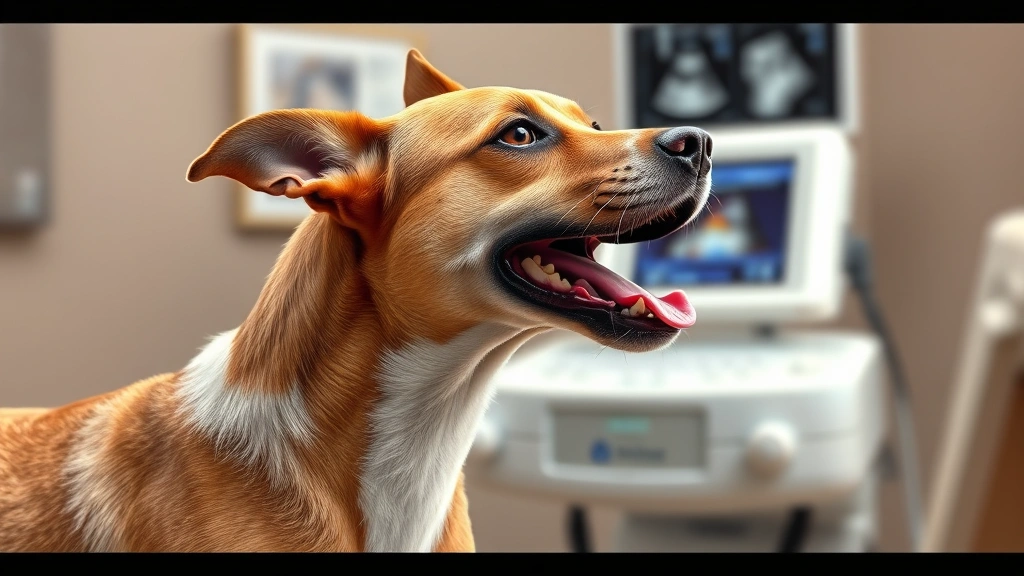
The most reliable way to confirm pregnancy is through a veterinary ultrasound around day 25-28 after mating, or an X-ray around day 45 when puppies’ skeletons calcify. A blood test for relaxin hormone can also confirm pregnancy around day 25.
What About Accidental Breeding?
Let’s be real—sometimes the tie happens when you absolutely didn’t plan for puppies. If your female dog accidentally got tied with a male, here’s what you need to know about your options and timeline.
If you catch the mating immediately, you have a small window to potentially prevent pregnancy. Some vets can administer injections (like estrogen) within 24-72 hours of mating to prevent pregnancy. However, these medications come with side effects and aren’t 100% effective, so discuss this thoroughly with your vet.

Another option is consulting with your veterinarian about spaying if you’re absolutely certain you don’t want puppies. Spaying during early pregnancy is possible but carries more risk than spaying a non-pregnant dog.
If you miss the window for prevention, you’re looking at either accepting the pregnancy or discussing abortion options with your vet. Surgical abortion is possible but risky; medical abortion using medications like prostaglandin is sometimes available. Both options should be discussed with a veterinary professional immediately.
Heat Cycles and Fertility Windows Explained
Understanding when dogs are actually fertile helps clarify why the tie doesn’t always result in pregnancy. Female dogs go through an estrous cycle typically 1-2 times per year, with each cycle lasting about 21 days total.
The cycle has four stages: proestrus (7-10 days of vulvar swelling and bloody discharge), estrus (5-14 days when she’s receptive to males and ovulation occurs), diestrus (60-90 days of pregnancy or false pregnancy), and anestrus (the quiet period between cycles).
Ovulation usually happens around day 9-10 of the heat cycle, but sperm can survive for several days in the female reproductive tract. This is why timing is so crucial—the tie needs to happen during the fertile window for pregnancy to occur. A tie on day 3 of heat might not result in pregnancy, while a tie on day 10 very well might.
Breed-Specific Considerations for Pregnancy
Different breeds have different reproductive characteristics. Large breed dogs, like those you might feed with large breed dog food, often have different pregnancy durations and litter sizes compared to small breeds.
Large breed females typically carry pregnancies for 63-65 days and often have larger litters, meaning more nutritional demands. Small breed females might carry slightly shorter pregnancies and have smaller litters. Giant breeds sometimes have lower conception rates and higher rates of dystocia (difficult birth).
Age also matters significantly. Dogs under 2 years old have lower conception rates, as do dogs over 6-7 years old. Prime breeding age is typically 2-5 years for most breeds.
Health Considerations During Canine Pregnancy
If your female dog does become pregnant after the tie, proper care is essential. Pregnant dogs need increased nutrition, particularly in the third trimester when caloric needs increase by 25-50%. Make sure she has access to high-quality food and fresh water at all times.
Watch for signs of complications like excessive lethargy (if you notice unusual lethargy in dogs, consult your vet), loss of appetite, vaginal discharge before labor, or signs of distress. Regular veterinary check-ups during pregnancy are crucial to monitor fetal development and maternal health.
Avoid strenuous exercise in the later stages of pregnancy, and provide a quiet, comfortable nesting area where she can prepare for labor. Pregnancy in dogs lasts approximately 63 days from ovulation, though this can vary by a few days.
False Pregnancy: A Common Confusion
Here’s something that confuses many dog owners: false pregnancy (pseudopregnancy). After going through heat, even if a female didn’t get pregnant, her body often mimics pregnancy due to hormonal changes. She might develop swollen nipples, milk production, behavioral changes, and even nesting behavior.
False pregnancies typically resolve on their own within 1-3 weeks but can be uncomfortable for the dog. In some cases, vets recommend spaying to prevent recurrence, as repeated false pregnancies can increase the risk of uterine infections.
Prevention: The Most Reliable Option
If you’re not planning to breed your dog, spaying is the most reliable way to prevent unwanted pregnancies. Spaying eliminates heat cycles entirely and provides additional health benefits like reduced risk of mammary cancer and uterine infections.
If you do plan to breed, work with a veterinarian and consider health testing for genetic conditions. Responsible breeding involves understanding your dog’s health history, genetic predispositions, and ensuring you have homes lined up for puppies before they’re even conceived.
For temporary prevention without surgery, some vets offer hormonal injections that suppress heat cycles, though these aren’t recommended long-term and come with their own risks.
When to Call Your Veterinarian
Contact your vet immediately if you witness an unplanned mating and want to prevent pregnancy—the sooner you act, the more options you have. You should also call if your dog shows signs of complications after mating, like excessive bleeding, inability to urinate, or severe behavioral changes.
If your female is showing pregnancy signs and you want confirmation, schedule an ultrasound around 25-30 days after mating. And if you’re unsure about anything related to your dog’s reproductive health, your vet is your best resource. They can provide breed-specific information, discuss pregnancy timelines and care, and help you make informed decisions about your dog’s future.
Frequently Asked Questions
How long does the tie last when dogs mate?
The tie typically lasts 5-30 minutes, though it can occasionally extend to an hour. During this time, the male’s penis is swollen inside the female’s vagina due to muscle contractions. It’s completely normal and necessary for successful reproduction. Trying to separate them forcefully can injure both dogs, so it’s best to let nature take its course and stay calm.
Can a dog get pregnant without a tie?
While the tie increases the likelihood of pregnancy, it’s technically possible for pregnancy to occur without a complete tie, though it’s much less common. However, a full tie provides the best conditions for sperm to reach and fertilize eggs, so most successful pregnancies involve a proper tie.
How soon can I tell if my dog is pregnant after mating?
The earliest reliable sign is a blood test for relaxin hormone around day 25 after mating. Ultrasound can detect pregnancy around day 25-30. Physical signs like nipple changes and belly enlargement typically appear by week 3-4, but these vary by individual dog and aren’t always obvious early on.
Is my dog in pain during the tie?
While the tie looks uncomfortable, dogs don’t appear to be in pain during the process. Both males and females seem relatively calm once locked together. The tie is an evolutionary adaptation that works for them, even if it makes us humans uncomfortable to witness.
What should I do if my dog gets stuck with an unknown male?
Stay calm and don’t try to forcefully separate them. Contact your vet immediately to discuss prevention options if you want to avoid pregnancy. Options include estrogen injections (within 24-72 hours), spaying, or medication. Your vet can advise based on your dog’s age, health, and your preferences.
Can spaying prevent pregnancy after mating?
Spaying can be performed even after mating, but the earlier it’s done, the safer it is. Spaying a pregnant dog carries more surgical risk than spaying a non-pregnant dog. Discuss timing and risks with your vet if this is something you’re considering.





