
When Is Dog Diarrhea an Emergency? Vet Insights
Let’s be honest—discovering your beloved pup has diarrhea isn’t exactly the highlight of your day. As a dog parent, you’ve probably dealt with this messy situation more than once. But here’s the thing: not all dog diarrhea is created equal. Sometimes it’s just a minor digestive hiccup that resolves itself, and other times it’s a red flag that demands immediate veterinary attention. Knowing the difference could literally save your dog’s life.
The tricky part? Dogs can’t tell us what’s wrong. They can’t explain whether their tummy feels a little off or if they’re experiencing severe abdominal pain. That’s where your detective skills come in. By understanding the warning signs and knowing when to pick up the phone and call your vet, you’ll be equipped to make the best decisions for your furry friend’s health.
In this comprehensive guide, we’ll break down everything you need to know about dog diarrhea emergencies. We’ll explore the red flags that signal you need to act fast, discuss the different types of diarrhea, and provide practical guidance on what to do when your pup’s digestive system goes haywire.
Red Flags: When to Call the Vet Immediately
Your dog’s diarrhea crosses into emergency territory when certain warning signs appear. According to the American Kennel Club, you should contact your veterinarian immediately if your dog exhibits any of the following symptoms:
- Blood or mucus in stool: This is never normal and requires urgent evaluation. Bloody diarrhea can indicate serious conditions like inflammatory bowel disease, parasites, or bacterial infections.
- Severe lethargy or weakness: If your pup has gone from their usual energetic self to barely moving off the couch, something serious is happening. Dehydration from prolonged diarrhea can cause dangerous weakness.
- Repeated vomiting combined with diarrhea: When your dog is losing fluids from both ends, dehydration becomes a critical concern. This combination often indicates a more serious systemic issue.
- Abdominal pain or distension: Signs include hunching, whining, or a visibly swollen belly. These symptoms suggest possible obstruction or severe inflammation.
- High fever: If you suspect your dog has a fever, it’s worth checking. Learn more about how to tell if a dog has a fever so you can act quickly.
- Diarrhea lasting more than 24-48 hours: Even without blood, persistent diarrhea warrants veterinary attention to prevent dehydration and identify underlying causes.
- Signs of dehydration: Check if your dog’s gums are dry or sticky, or if their skin doesn’t spring back when gently pulled.
- Inability to eat or drink: This compounds the risk of dehydration and suggests significant illness.
- Diarrhea in puppies, senior dogs, or immunocompromised pets: These vulnerable populations can deteriorate rapidly and need professional evaluation.
Remember, when in doubt, call your vet. It’s better to be cautious and have your concerns dismissed than to wait and have a manageable situation become life-threatening.
Types of Dog Diarrhea and What They Mean
Not all diarrhea looks the same, and the appearance can actually tell you a lot about what’s going on. Understanding these differences helps you communicate effectively with your vet and determine urgency.
Small bowel diarrhea typically appears as large, infrequent stools that are often greasy or fatty. This type usually indicates issues with nutrient absorption in the small intestine. Your dog might also experience weight loss despite eating normally.
Large bowel diarrhea features frequent, smaller stools with mucus or blood. Your dog might strain and have urgency to defecate. This type often relates to inflammation or irritation of the colon.
Hemorrhagic diarrhea contains bright red blood and is always concerning. This requires veterinary attention, as it can indicate serious conditions like viral infections, severe parasites, or inflammatory bowel disease. The ASPCA emphasizes that any bloody stool warrants professional evaluation.
Watery diarrhea suggests rapid intestinal movement or significant fluid loss. This type carries high dehydration risk, especially in small breeds or young puppies.
Mucoid diarrhea appears as stools coated in clear or yellowish mucus. This often indicates stress, dietary changes, or mild irritation.
Understanding these distinctions helps you describe your dog’s condition accurately to your vet, which accelerates diagnosis and treatment.
Common Causes of Emergency Diarrhea
Several conditions can cause diarrhea that demands emergency veterinary care. Knowing these helps you understand why your vet takes certain symptoms seriously.
Parvovirus (parvo) is a highly contagious viral infection that causes severe hemorrhagic diarrhea, often with a distinctive foul odor. Unvaccinated or incompletely vaccinated puppies are especially vulnerable. This is always an emergency requiring hospitalization and intensive care.
Bacterial infections from organisms like Salmonella or E. coli can cause severe diarrhea with blood and mucus. These sometimes indicate food poisoning or contamination.
Intestinal parasites like hookworms can cause bloody diarrhea, especially in puppies or dogs with compromised immune systems. While not always emergencies, severe infestations warrant urgent treatment.
Toxin ingestion is a genuine emergency. If your dog ate something toxic—chocolate, grapes, xylitol, medications, or household chemicals—diarrhea might be just the beginning. Call your vet or animal poison control immediately.
Inflammatory bowel disease (IBD) causes chronic diarrhea with blood and mucus. While not acutely life-threatening, it requires proper diagnosis and management.
Foreign body obstruction occurs when your dog swallows something indigestible. This might present as diarrhea initially but can progress to complete blockage—a true surgical emergency. If you suspect obstruction alongside vomiting, seek immediate care.
Pancreatitis causes diarrhea along with severe abdominal pain, vomiting, and lethargy. This inflammation of the pancreas is painful and potentially life-threatening without treatment.
Viral infections like canine coronavirus can cause severe diarrhea and dehydration. Dogs can get viral infections that compromise their digestive systems, requiring supportive care.
When Home Care Is Enough
Not every case of diarrhea requires a vet visit. If your dog is otherwise acting normally and doesn’t display any red flags, home management might be appropriate.
The 24-hour observation rule: Many cases of mild diarrhea resolve on their own within 24 hours. During this time, you can implement home care strategies while monitoring closely for worsening symptoms.
Fasting: Withholding food for 12-24 hours gives the digestive system a rest. Continue offering water in small amounts to prevent dehydration. Some vets recommend unflavored Pedialyte or bone broth if your dog won’t drink plain water.
Bland diet: Once your dog is ready to eat again, introduce easily digestible foods. Learn about what to feed a dog with diarrhea to support recovery. Good options include boiled chicken with white rice, plain pumpkin, or prescription digestive diets.
Hydration focus: This is crucial. Encourage water intake, and watch for signs of dehydration. Electrolyte solutions designed for dogs can help if your pup is struggling to drink plain water.
Probiotics: These beneficial bacteria support digestive health and can help restore balance after diarrhea. Many vets recommend adding them during recovery.
Environmental management: Reduce stress, maintain regular routines, and avoid sudden dietary changes, which commonly trigger diarrhea.
If diarrhea persists beyond 48 hours or worsens at any point, contact your vet. Better safe than sorry when your pup’s health is on the line. For comprehensive guidance, check out what to do if your dog has diarrhea.
What to Expect at the Vet
When you bring your dog in for diarrhea evaluation, your vet will conduct a thorough investigation. Here’s what typically happens:
Medical history: Your vet will ask detailed questions about onset, duration, frequency, and consistency of diarrhea. They’ll inquire about recent dietary changes, potential toxin exposure, and any other symptoms. Be prepared to describe what you’ve observed.
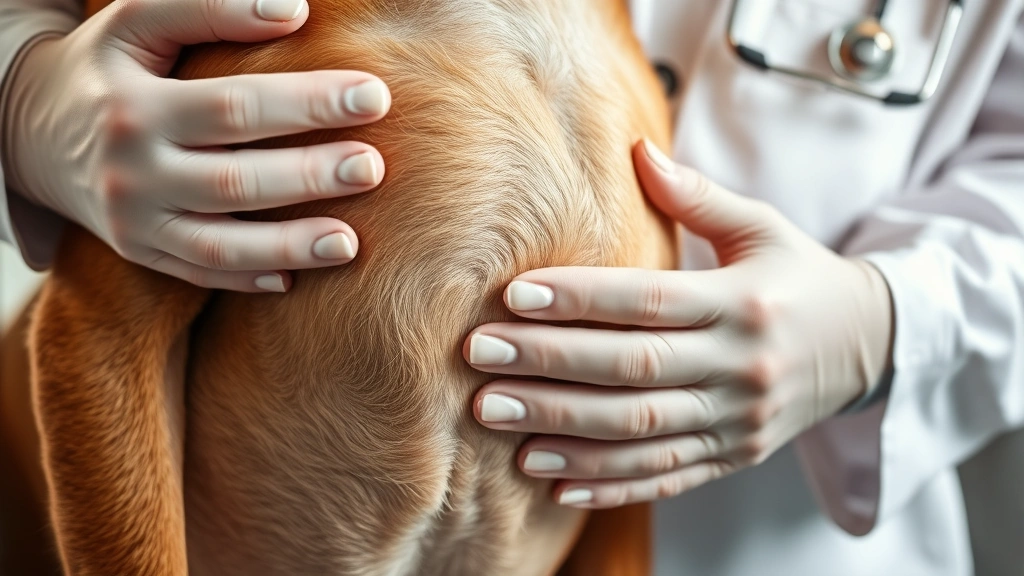
Physical examination: Your vet will palpate your dog’s abdomen to check for pain, masses, or abnormalities. They’ll assess hydration status, body condition, and overall health. Temperature will be taken to rule out fever.
Diagnostic tests: Depending on the presentation, your vet might recommend a fecal exam to check for parasites, blood work to assess organ function and infection, or imaging like X-rays or ultrasound if obstruction is suspected.
Treatment options: Based on findings, treatment might include medications to address infection or inflammation, IV fluids for dehydration, dietary modifications, or referral to a specialist. For persistent issues, your vet might recommend strategies to stop diarrhea.
Prevention discussion: Your vet will discuss ways to prevent recurrence, including vaccination status, parasite prevention, dietary management, and environmental factors.
Prevention Tips for Healthy Digestion
The best medicine is prevention. Here’s how to keep your dog’s digestive system running smoothly:
- Maintain consistent diet: Sudden dietary changes are a leading cause of diarrhea. If switching foods, do so gradually over 7-10 days, mixing increasing amounts of new food with the old.
- Avoid table scraps: Human food can trigger digestive upset. Stick to dog-appropriate treats and meals.
- Keep toxins away: Store medications, chemicals, and toxic foods securely. Prevent access to garbage and contaminated items.
- Regular parasite prevention: Year-round parasite prevention protects against intestinal parasites that cause diarrhea.
- Keep vaccinations current: Vaccines protect against viral causes of severe diarrhea like parvovirus and coronavirus.
- Manage stress: Stress can trigger diarrhea in sensitive dogs. Maintain consistent routines and provide calming activities.
- Provide appropriate exercise: Regular activity supports digestive health, but avoid excessive activity immediately after eating.
- Monitor for food sensitivities: If your dog frequently experiences diarrhea, they might have food allergies or sensitivities. Work with your vet to identify triggers.
- Use quality nutrition: High-quality, digestible diets support gut health better than low-quality foods.
Frequently Asked Questions
How long can a dog safely have diarrhea?
Mild diarrhea lasting 24-48 hours without other symptoms is often manageable at home. However, diarrhea lasting more than 2-3 days warrants veterinary evaluation. Severe diarrhea or diarrhea with additional symptoms should be addressed immediately, as dehydration can become life-threatening within hours, especially in puppies and small breeds.
Can diarrhea cause dehydration in dogs quickly?
Yes, absolutely. Dogs can become dangerously dehydrated from diarrhea much faster than humans. A combination of diarrhea and vomiting accelerates fluid loss dramatically. Puppies, senior dogs, and small breeds are particularly vulnerable. This is why persistent diarrhea requires prompt attention.
Is it safe to give my dog over-the-counter anti-diarrheal medication?
Not without veterinary guidance. While some anti-diarrheal medications are available over-the-counter, they can be harmful if the diarrhea is caused by infection or toxin. Using these without proper diagnosis might trap toxins or bacteria in the system. Always consult your vet before giving any medication.
What’s the difference between normal soft stool and diarrhea?
Normal stool holds its shape and is firm but not hard. Soft stool loses some shape but isn’t liquid. Diarrhea is completely liquid or nearly liquid with no form. If you’re unsure, describe what you’re seeing to your vet, and they’ll advise whether evaluation is needed.
Can stress cause diarrhea in dogs?
Yes, stress is a common trigger for diarrhea in dogs. Changes like moving, new pets, loud noises, or separation anxiety can upset sensitive digestive systems. If stress seems to trigger diarrhea in your dog, focus on maintaining calm routines and consider anxiety management strategies.
Should I fast my dog if they have diarrhea?
A short fast (12-24 hours) can help reset the digestive system for mild diarrhea. However, don’t fast dogs with severe diarrhea, puppies, senior dogs, or diabetic dogs without veterinary guidance. These populations need nutritional support even during digestive upset. Always consult your vet about fasting protocols.
When should I worry about my dog’s diarrhea?
Worry when diarrhea is accompanied by blood, mucus, vomiting, lethargy, abdominal pain, or signs of dehydration. Also worry if diarrhea persists beyond 48 hours, occurs in vulnerable populations, or follows potential toxin exposure. Trust your instincts—if something feels wrong, call your vet.





