
When Is It Too Hot to Walk Your Dog? Safety Tips
Summer brings sunshine, longer days, and the perfect excuse to spend more time outdoors with your furry best friend. But here’s the thing: while you’re enjoying those warm rays, your dog might be struggling in ways you don’t immediately recognize. As temperatures climb, so does the risk of heat-related illnesses in our canine companions. Knowing when it’s too hot to walk your dog isn’t just about comfort—it’s about their safety and wellbeing.
Dogs don’t regulate body temperature the same way humans do. They rely heavily on panting to cool down, which means they’re far more vulnerable to overheating than we are. Unlike us, they can’t simply remove a layer of clothing or pour a cold drink down their throat (well, the latter they can try to do to themselves). This fundamental difference makes understanding heat thresholds absolutely critical for responsible dog owners.
The question “when is it too hot to walk your dog?” doesn’t have a one-size-fits-all answer, but we’ve got the science-backed guidelines and practical tips you need to keep your pup safe during the sweltering months ahead.
Temperature Guidelines: What’s Too Hot?
Most veterinarians agree that walking your dog becomes risky when outdoor temperatures exceed 85°F (29°C), particularly if humidity is high. However, this isn’t a hard rule—it’s more of a general threshold where caution should increase significantly. The American Kennel Club provides guidance on heat safety, emphasizing that the “feel like” temperature matters more than the actual reading.
At temperatures between 85°F and 95°F, you should limit walks to early morning or late evening hours when it’s cooler. Keep outings brief—think 15-20 minutes instead of your usual 45-minute adventure. Between 90°F and 100°F, walking becomes genuinely dangerous for most dogs. Stick to shaded areas if you must go out, and consider alternatives like indoor play or swimming.
Once you hit 100°F or above, the safest option is to skip outdoor walks entirely. At this point, even a few minutes of intense heat exposure can trigger dangerous conditions. Humidity amplifies these risks dramatically—a 90°F day with 80% humidity feels significantly hotter to your dog than a dry 90°F day.
The ASPCA emphasizes that heat stress can develop rapidly, sometimes within minutes of exposure to extreme temperatures. This is why checking the weather forecast before your morning walk isn’t just convenient—it’s essential.
Signs Your Dog Is Experiencing Heat Stress
Even if you think you’re being cautious, your dog might still be overheating. Recognizing the early warning signs is crucial for preventing serious illness. Excessive panting is often the first sign your dog needs relief, though some panting during warm weather is completely normal.
Watch for these additional warning signs:
- Drooling excessively or thick, ropy saliva
- Lethargy or unusual tiredness despite minimal activity
- Glazed or unfocused eyes
- Weakness or wobbling in the hind legs
- Vomiting or diarrhea
- Rapid heartbeat that doesn’t slow down with rest
- Collapse or loss of consciousness (emergency situation)
It’s worth noting that understanding why dogs pant helps you distinguish normal cooling behavior from dangerous overheating. Normal panting is rhythmic and controlled, while heat stress panting is typically heavier, more labored, and accompanied by other symptoms.
If your dog is breathing heavily even at rest or in cool environments, this warrants a veterinary check-up to rule out heat-related complications or other underlying issues.
Breed Considerations and Risk Factors
Not all dogs handle heat equally. Certain breeds are far more susceptible to heat-related illness, which means your walking schedule needs to account for your dog’s specific characteristics.
High-risk breeds include:
- Brachycephalic (flat-faced) breeds: Bulldogs, Pugs, Boston Terriers, French Bulldogs, Shih Tzus
- Double-coated breeds: Golden Retrievers, Labrador Retrievers, German Shepherds, Huskies, Malamutes
- Senior dogs (age 7+)
- Puppies (under 6 months)
- Dogs with existing health conditions (heart disease, respiratory issues)
- Overweight or obese dogs
Brachycephalic breeds are particularly vulnerable because their shortened airways make panting—their primary cooling mechanism—less efficient. A Pug at 85°F might be in genuine danger, while a lean Greyhound could handle slightly warmer conditions. This is why breed-specific research matters.
Senior dogs and puppies have less ability to regulate body temperature effectively. Puppies haven’t fully developed their temperature regulation systems, while senior dogs often have diminished physiological responses. If you have a senior dog, err on the side of caution and reduce walking duration significantly during warm months.
Dogs with pre-existing heart conditions, respiratory issues, or obesity are at elevated risk regardless of breed. Always consult your veterinarian about appropriate exercise levels if your dog falls into any of these categories.
Safe Walking Practices During Hot Weather
Timing is everything when it comes to summer walks. The safest windows are typically before 9 AM and after 6 PM, when temperatures are lowest. These early morning and evening hours aren’t just cooler—they’re also when you’re less likely to encounter peak sun intensity.
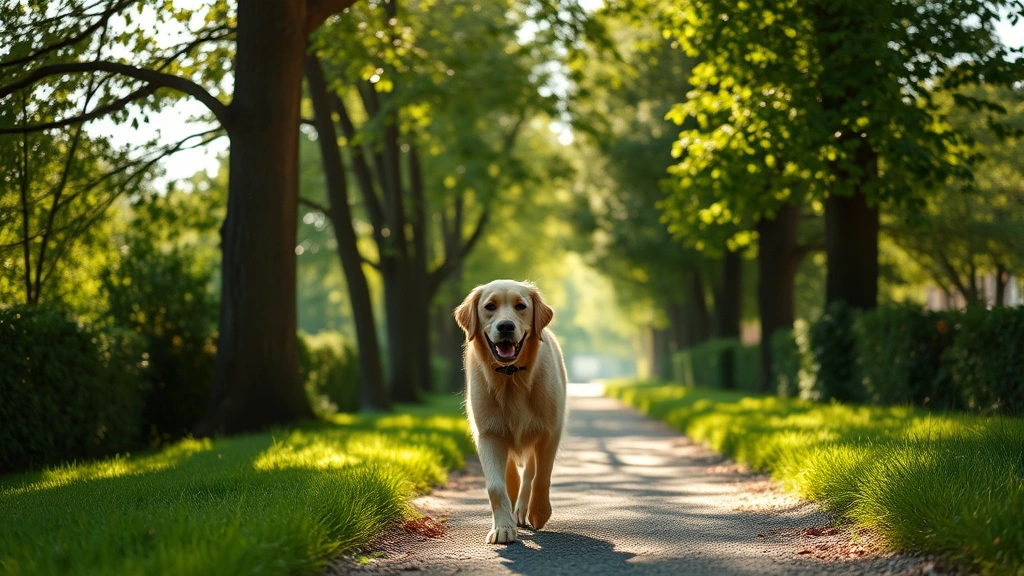
If you must walk during warmer parts of the day, prioritize shade ruthlessly. Stick to tree-lined streets, parks with dense canopy coverage, and shaded trails. Avoid open fields, sunny sidewalks, and areas with reflective surfaces that amplify heat.
Consider these practical strategies:
- Invest in a dog cooling vest or bandana designed to wick moisture and reduce body temperature
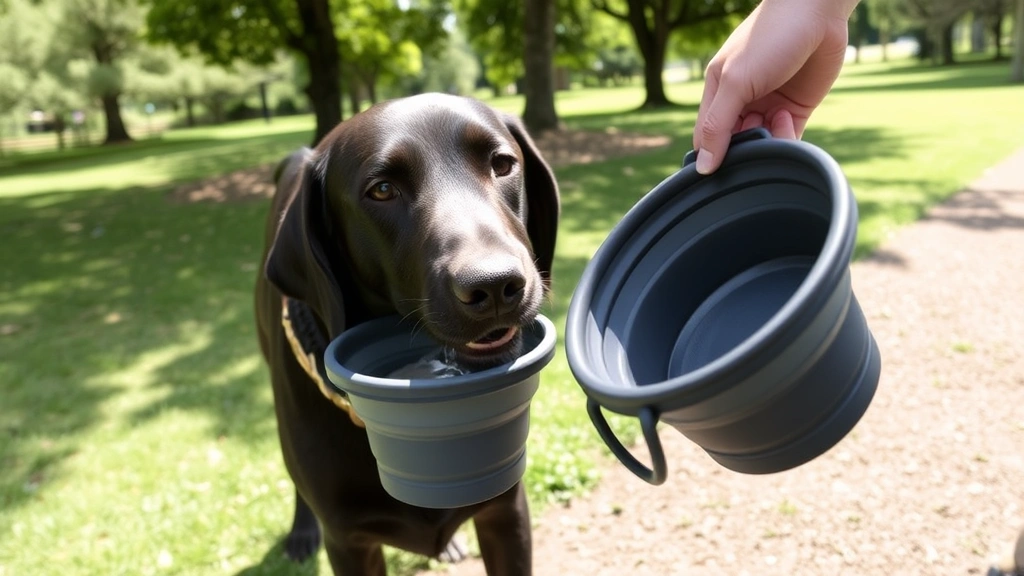
- Bring collapsible water bowls and fresh water for frequent breaks
- Keep walks shorter than usual—quality over quantity in hot weather
- Check ground temperature before stepping out (more on this below)
- Avoid midday walks entirely from June through August in most climates
- Never leave your dog in a parked car, even briefly with windows cracked
- Consider alternative exercise like swimming or indoor play
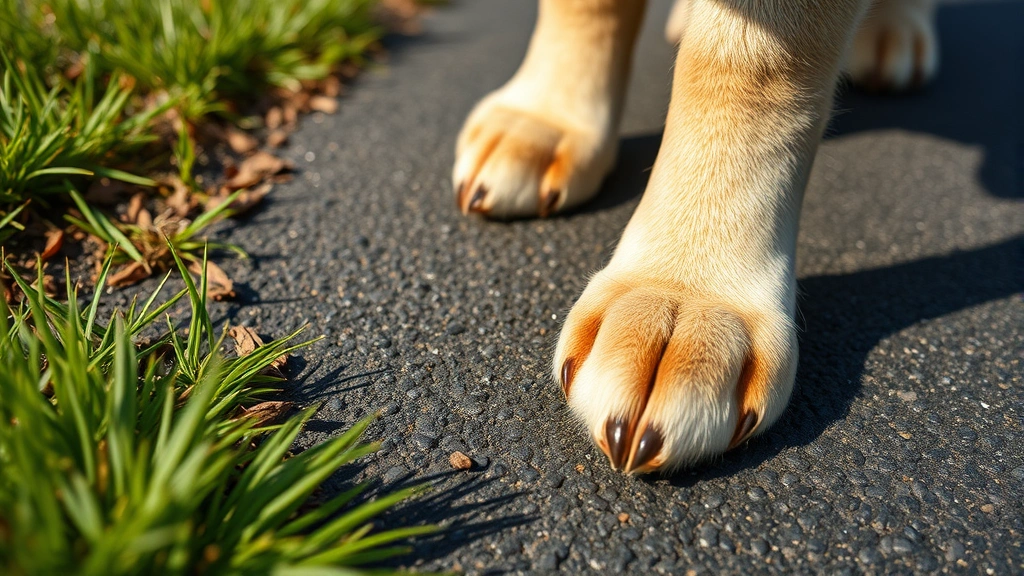
Paw protection is often overlooked but critical. Dog boots designed for hot weather can protect sensitive paw pads from scorching pavement. If boots aren’t your style, wax-based paw balms provide some protection, though they’re not foolproof.
The Hidden Danger: Pavement Temperature
Here’s something many dog owners don’t realize: the ground temperature is often significantly hotter than the air temperature. While it might be 85°F outside, the asphalt or concrete your dog walks on could be 140°F or hotter. That’s hot enough to cause burns on sensitive paw pads within seconds.
The simple test: if you can’t hold your bare hand on the pavement for 10 seconds comfortably, it’s too hot for your dog’s paws. This quick check should be part of your pre-walk routine during warm months.
Different surfaces have different heat absorption properties:
- Dark asphalt: Heats up the fastest and retains heat longest
- Concrete: Also absorbs significant heat, though slightly less than asphalt
- Sand: Can become dangerously hot, especially in direct sun
- Grass: Stays cooler longer and is your safest option
- Dirt trails: Generally cooler than pavement, especially in shaded areas
When possible, route your walks through grassy parks or dirt trails rather than city sidewalks during hot months. If pavement is unavoidable, limit exposure and watch closely for signs of discomfort like limping or refusing to walk.
Hydration and Nutrition Tips
Proper hydration is non-negotiable during hot weather. Dogs should have constant access to fresh, cool water both indoors and during walks. If your dog seems reluctant to drink, there are strategies to encourage water consumption that work better than others.
Interestingly, increased water intake during summer is normal and healthy, so don’t be alarmed if your dog’s water consumption rises. Just ensure fresh water is always available.
Practical hydration tips:
- Carry a collapsible bowl and offer water breaks every 10-15 minutes during walks
- Keep multiple water bowls throughout your home
- Offer water-rich foods like watermelon, cucumbers, and low-sodium broth
- Avoid excessive salt intake, which increases thirst without providing proper hydration
- Consider ice cubes as a refreshing treat (most dogs love them)
- Never restrict water access to punish accidents—it’s dangerous in hot weather
Regarding nutrition, slightly adjust your dog’s diet during hot months. Feed smaller portions more frequently rather than one or two large meals. Large meals can increase metabolic heat production. Some dogs eat less during hot weather, which is normal—don’t force them to finish their bowl if they’re not interested.
Avoid high-protein treats and foods that generate more metabolic heat. Stick to lighter, moisture-rich foods. Many owners find their dogs prefer meals at cooler times of day—early morning or late evening—so adjust feeding schedules accordingly.
What to Do If Your Dog Overheats
Despite your best efforts, heat illness can still occur. Knowing how to respond could save your dog’s life. Heat exhaustion and heat stroke are medical emergencies that require immediate action.
If you suspect heat illness:
- Move your dog to a cool location immediately—air-conditioned building, shade, or cool water
- Apply cool (not cold) water to their body, focusing on the head, neck, and chest
- Offer small amounts of cool water to drink if they’re conscious and able to swallow
- Use fans to increase evaporative cooling
- Apply ice packs to the groin, armpits, and neck where major blood vessels are close to the surface
- Contact your veterinarian or emergency vet clinic immediately
Never:
- Immerse your dog in ice water (this can cause shock and constrict blood vessels)
- Force them to drink large amounts (aspiration risk)
- Leave them unattended while cooling
- Assume they’re fine after cooling—internal damage can occur
Even if your dog seems to recover, veterinary evaluation is essential. Heat stroke can cause organ damage that isn’t immediately apparent. A vet can check for complications and ensure proper recovery.
The Veterinary Partner provides detailed information on heat stroke recognition and treatment, which is valuable reading for all dog owners.
Frequently Asked Questions
Can I walk my dog at 80 degrees?
Generally yes, but with precautions. At 80°F, you can walk your dog, especially during early morning or late evening when it’s cooler. However, monitor your dog closely for signs of heat stress, keep walks brief, and provide water breaks. High humidity at 80°F makes it feel hotter to your dog than the actual temperature suggests.
Is 75 degrees too hot to walk a dog?
Absolutely not. 75°F is a comfortable temperature for most dogs to exercise. This is an ideal walking temperature where you can maintain your normal routine without significant heat concerns. Just ensure your dog has access to water.
Can dogs overheat at night?
Yes, dogs can overheat during evening walks if they’re from high-risk groups or if they’ve been exercising intensely. While nighttime temperatures are lower, humidity might still be high, and some dogs struggle with temperature regulation regardless of time of day. Always monitor for heat stress signs.
What temperature is safe for dogs outside?
Temperatures below 85°F are generally safe for most dogs to be outside. Between 85-90°F, limit outdoor exposure and exercise. Above 90°F, most dogs should stay indoors in air-conditioning. Remember that these guidelines vary based on breed, age, and individual health status.
Do dogs need to wear clothes in summer?
Most dogs don’t need clothes in summer—their coats provide some temperature regulation. However, cooling vests and bandanas designed to wick moisture and reduce body temperature can be beneficial during hot walks. Never apply regular clothing that traps heat.
How long can dogs stay outside in 90-degree weather?
At 90°F, outdoor time should be minimal—ideally 10-15 minutes maximum for most dogs, and only in shaded areas. High-risk breeds (brachycephalic, senior, overweight) should have even shorter exposure. Indoor activities are safer alternatives.
Can I use a dog cooling pad?
Yes, cooling pads are excellent tools for indoor temperature regulation. They provide a cool surface for your dog to lie on without needing electricity (though some models do use water circulation). These are especially helpful for dogs who can’t tolerate outdoor heat.





