
Where Are a Dog’s Lymph Nodes? A Simple Guide
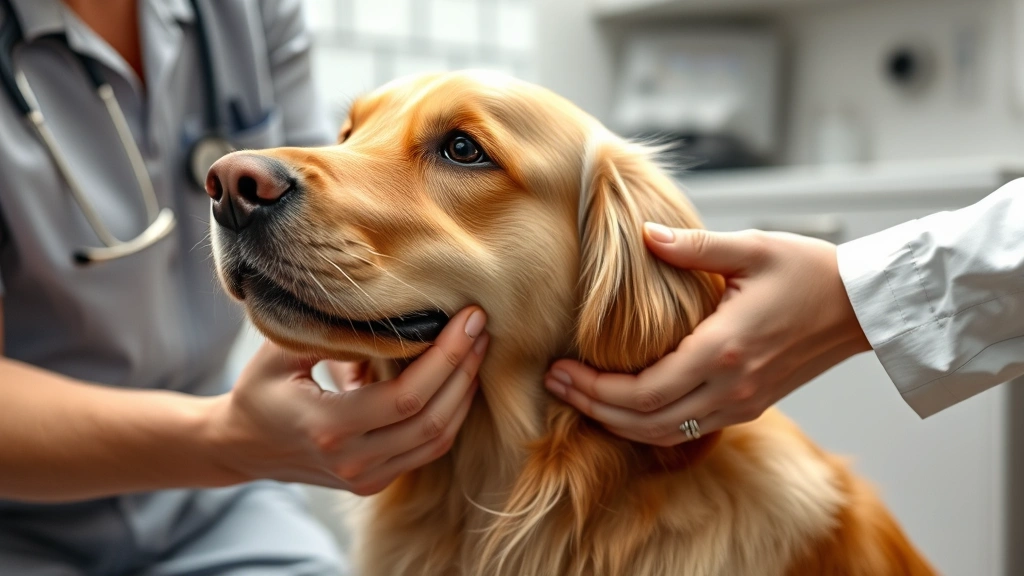
If you’ve ever felt a lump on your dog’s neck or jaw and wondered what it was, you’re not alone. Many pet parents discover their dog’s lymph nodes by accident during cuddle sessions or bath time. But here’s the thing: understanding where your dog’s lymph nodes are located and what they do is actually pretty important for keeping your furry friend healthy. Think of lymph nodes as your dog’s internal security system—they’re working 24/7 to keep harmful invaders at bay.
Your dog’s lymphatic system is one of those body systems that doesn’t get much attention until something goes wrong. Yet it plays a crucial role in maintaining immune health, fighting infections, and keeping your pup feeling their best. Whether you’re a first-time dog owner or a seasoned pet parent, knowing the basics about your dog’s lymph nodes can help you spot potential health issues early and have smarter conversations with your veterinarian.
Let’s dive into the anatomy of your dog’s lymph nodes and discover what those mysterious lumps and bumps might mean for your beloved companion.
What Are Lymph Nodes?
Lymph nodes are small, bean-shaped organs that are part of your dog’s lymphatic system. These tiny but mighty structures are scattered throughout your dog’s body and serve as checkpoints for the immune system. Each lymph node contains specialized white blood cells called lymphocytes that help identify and neutralize harmful substances like bacteria, viruses, and abnormal cells.
Think of lymph nodes as microscopic filtering stations. They collect lymph fluid from surrounding tissues and examine it for anything that shouldn’t be there. If they detect a problem, they activate an immune response to protect your pup. This is why lymph nodes often swell when your dog is fighting an infection—they’re working overtime to defend against the invader.
The lymphatic system itself is equally important. Unlike the circulatory system, which has the heart to pump blood, the lymphatic system relies on muscle contractions and movement to circulate lymph fluid. This is one reason why regular exercise is so beneficial for your dog’s overall health and immune function.
Where Are a Dog’s Lymph Nodes Located?
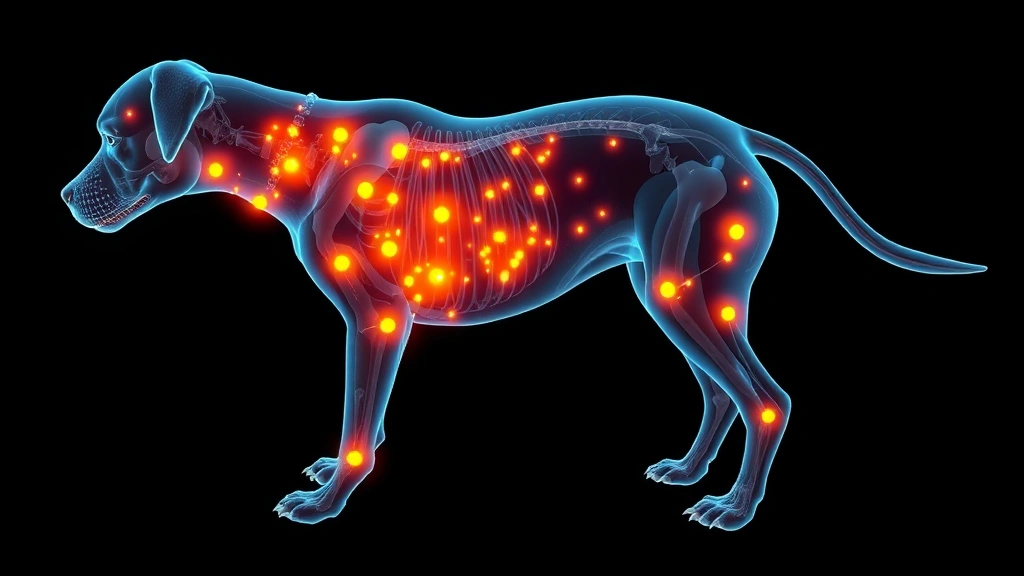
Now for the main question: where exactly are a dog’s lymph nodes? Dogs have approximately 40 to 50 lymph nodes throughout their body, though the exact number can vary slightly from dog to dog. Some of these nodes are easily accessible and can be felt during a physical examination, while others are deeper inside the body and require imaging to visualize.
The Submandibular Lymph Nodes
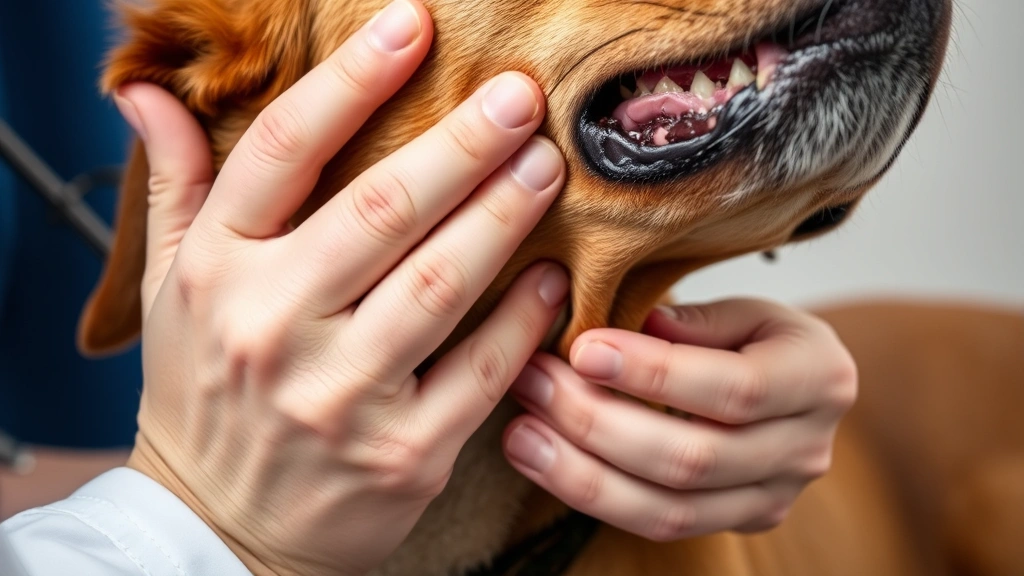
Located beneath your dog’s jaw, the submandibular lymph nodes are among the easiest to find. These nodes sit in the angle of the jaw and are about the size of a small grape. You can often feel them by gently running your fingers along the underside of your dog’s chin. These nodes drain lymph from the head and neck region, making them important sentinels for infections in the mouth, ears, and throat.
The Prescapular Lymph Nodes
Just in front of your dog’s shoulders, you’ll find the prescapular lymph nodes. These are located above the front legs and can often be felt as small bumps. They drain lymph from the front legs, chest, and neck area. If your dog has an infection or injury to the front of their body, these nodes might become enlarged.
The Popliteal Lymph Nodes
Behind your dog’s hind legs, near the knee joint, sit the popliteal lymph nodes. These are typically smaller and harder to feel than the submandibular nodes, but they’re there. They drain lymph from the hind legs and lower abdomen, making them important for monitoring infections in the rear portion of your dog’s body.
The Inguinal Lymph Nodes
In the groin area, you’ll find the inguinal lymph nodes. These nodes drain lymph from the hind legs and reproductive organs. They’re usually quite small and can be difficult to locate on a healthy dog, but they may become noticeable if enlarged.
Internal Lymph Nodes
Beyond these superficial nodes, your dog also has numerous lymph nodes deep inside the body—near the heart, lungs, liver, and throughout the digestive tract. These internal nodes can’t be felt during a physical exam but are visualized using ultrasound, X-rays, or CT scans when necessary.
How Do Your Dog’s Lymph Nodes Work?
Understanding how lymph nodes function helps explain why they swell during illness or infection. The process is actually quite fascinating and shows just how sophisticated your dog’s immune system truly is.
When your dog’s body encounters a potential threat—whether it’s bacteria, a virus, or even an allergen—the lymph nodes spring into action. The lymph fluid circulating through these nodes contains immune cells that scan for anything unusual. When they find something suspicious, they begin producing more lymphocytes to mount a defense.
This increased activity is what causes lymph nodes to swell. It’s actually a sign that your dog’s immune system is working properly and fighting back against the invader. In most cases, once the infection or issue is resolved, the lymph nodes return to their normal size.
The lymphatic system also works closely with other immune organs like the spleen and thymus gland. Together, these organs create a coordinated defense network that protects your dog from illness and disease. This is why maintaining your dog’s overall health through proper nutrition, exercise, and preventive care is so important—a healthy immune system depends on a healthy lifestyle.
Signs Your Dog’s Lymph Nodes Need Attention
As a responsible pet parent, knowing what to look for can help you catch potential problems early. There are several signs that might indicate your dog’s lymph nodes aren’t functioning properly or are responding to an underlying issue.
Visible Swelling
The most obvious sign is swelling of the lymph nodes themselves. If you notice lumps under your dog’s jaw, in front of the shoulders, or in the groin area that seem larger than usual, this warrants a veterinary visit. Some dogs naturally have more prominent lymph nodes than others, so knowing what’s normal for your individual pup is helpful.
Fever and Lethargy
If your dog has a fever, swollen lymph nodes often accompany it. You might also notice your dog seems unusually tired, lacks interest in play, or spends more time sleeping than normal. These signs suggest your dog’s immune system is fighting something and needs professional evaluation.
Appetite Changes
Dogs with swollen lymph nodes sometimes experience difficulty eating or a decreased appetite. This is particularly true if the enlarged nodes are in the neck or jaw area, as they can interfere with swallowing or make eating uncomfortable.
Discharge or Drainage
In some cases, infected lymph nodes may develop abscesses that drain pus or fluid. You might notice discharge from the skin above a swollen node or detect an unusual odor. This is definitely a sign to contact your veterinarian promptly.
Skin Issues
Swollen lymph nodes can sometimes accompany skin problems. If your dog has ringworm or other skin infections, the nearby lymph nodes may enlarge as they work to fight the infection. Similarly, if your dog has lice or other parasites, lymph node swelling might occur.
What Causes Swollen Lymph Nodes in Dogs?
Swollen lymph nodes in dogs can result from various causes, ranging from minor infections to more serious conditions. Understanding the potential culprits can help you better communicate with your veterinarian.
Infections
The most common cause of lymph node swelling is infection. This could be a bacterial infection, viral infection, or fungal infection. Ear infections, skin infections, and respiratory infections frequently cause nearby lymph nodes to enlarge. The lymph nodes are simply doing their job by ramping up immune activity.
Allergies and Inflammation
Chronic allergies or inflammatory conditions can also cause lymph node enlargement. If your dog suffers from allergies and has ongoing inflammation, their immune system stays in a heightened state of alert, which can keep lymph nodes somewhat enlarged.
Autoimmune Conditions
In some cases, autoimmune diseases cause the immune system to mistakenly attack the body’s own cells. This can result in persistent lymph node swelling. These conditions require specialized veterinary care and ongoing management.
Cancer
While less common, lymphoma and other cancers can affect lymph nodes. In these cases, the nodes themselves become cancerous and enlarge abnormally. This is why any persistent lymph node swelling warrants professional evaluation.
Vaccination Responses
Interestingly, lymph node swelling is sometimes a normal response to vaccinations. Your dog’s immune system is reacting to the vaccine and mounting a protective response. This type of swelling is usually temporary and resolves within a few days to a week.
When Should You Contact Your Veterinarian?
Not every instance of lymph node swelling requires emergency care, but knowing when to call your vet is important. Here are some guidelines to help you decide.
Contact Your Vet If:
- You notice lymph node swelling that persists for more than a few days
- The swelling is accompanied by fever, lethargy, or loss of appetite
- Your dog seems to be in pain when you touch the swollen area
- The lymph nodes continue to enlarge rather than improve
- Your dog has other symptoms like coughing, vomiting, or diarrhea along with swollen nodes
- You notice discharge or signs of infection around the swollen nodes
Seek Emergency Care If:
- Your dog has severe difficulty breathing or swallowing
- Your dog appears to be in significant distress
- There’s evidence of a severe infection with high fever
- Your dog has collapsed or shows signs of shock
Your veterinarian can perform a physical examination and may recommend diagnostic tests like blood work, ultrasound, or fine needle aspiration to determine the cause of the swelling. Early diagnosis and treatment often lead to better outcomes, so don’t hesitate to reach out if you’re concerned.
If your dog has had issues with eye problems like cherry eye or other recurring health issues, keep your vet informed about your dog’s overall health history. Similarly, conditions like dandruff can sometimes indicate underlying immune or skin issues worth monitoring. Additionally, proper ear care can help prevent infections that lead to lymph node swelling.
Frequently Asked Questions
Can I feel my dog’s lymph nodes normally?
Yes, in healthy dogs, you can often feel the submandibular lymph nodes under the jaw and the prescapular nodes in front of the shoulders. However, they should be small—about the size of a pea to a small grape—and not cause your dog any discomfort. If they feel significantly larger or seem painful, that’s worth mentioning to your vet.
How long does it take for swollen lymph nodes to return to normal?
This depends on the underlying cause. If your dog has a minor infection that clears up quickly, lymph nodes might return to normal size within a week or two. For more serious infections or conditions, it could take several weeks or longer. Your veterinarian can give you a better timeline based on your dog’s specific situation.
Are swollen lymph nodes always a sign of cancer?
No, swollen lymph nodes are far more commonly caused by infections or inflammation than by cancer. While lymphoma is a concern that needs to be ruled out, most cases of lymph node swelling are due to benign causes. Your vet can perform appropriate tests to determine the cause.
Can I treat swollen lymph nodes at home?
While you can support your dog’s overall health at home with proper nutrition and rest, you shouldn’t attempt to treat swollen lymph nodes without veterinary guidance. The underlying cause needs to be identified and addressed properly. Home remedies might mask symptoms and delay necessary treatment.
What’s the difference between swollen lymph nodes and lumps?
Swollen lymph nodes are typically symmetrical and feel relatively firm. Other lumps might be cysts, fatty deposits, or tumors that feel different and might be located in different areas. Your veterinarian can perform a physical exam and diagnostics to determine what you’re feeling.
How often should my vet check my dog’s lymph nodes?
A good veterinarian will palpate your dog’s lymph nodes during routine wellness exams. For puppies and young adult dogs, annual exams are typically recommended. Senior dogs (over 7 years old) often benefit from twice-yearly exams, which allows your vet to catch any changes in lymph node size or other health issues early.





