

So you’ve found a stray dog wandering around your neighborhood, and now you’re wondering where can I take a stray dog to get it proper care and safety. First off, good on you for wanting to help—that’s the kind of energy the world needs more of. But let’s be real: finding a lost pup and figuring out what to do next can feel overwhelming. Do you call animal control? Drive it to a shelter? Post on social media? The good news is you’ve got several solid options that can actually make a real difference in that dog’s life.
Table of Contents
- Option 1: Local Animal Shelters (The Classic Choice)
- Option 2: Emergency Veterinary Clinics (When Time Is Critical)
- Option 3: No-Kill Animal Rescue Organizations (The Compassionate Route)
- Option 4: Animal Control (The Official Authority)
- Option 5: Community Facebook Groups and Neighborhood Networks (The Grassroots Approach)
- Critical Steps Before Taking a Stray Dog Anywhere
- Understanding Stray vs. Lost vs. Abandoned Dogs
- What to Expect at a Shelter or Rescue
- Resources and Tools That Help Stray Dogs Get Home
- Financial Considerations and Getting Help
- Safety Tips for Transporting a Stray Dog
- Frequently Asked Questions
- Conclusion: You’ve Got This
Option 1: Local Animal Shelters (The Classic Choice)
Your first instinct when asking “where can I take a stray dog” should probably be your local animal shelter. These facilities are literally designed to handle stray dogs and have the infrastructure to scan for microchips, provide medical care, and work toward reuniting pups with their owners. Most shelters operate during specific hours, so call ahead before you show up with your newfound furry friend. They’ll take care of vaccinations, basic health checks, and will hold the dog for a mandatory stray hold period (usually 3-7 days) while they search for the owner. It’s a legitimate, legal way to ensure the dog gets professional care. Plus, long-term shelter situations like Jackie’s story show how shelters can provide ongoing support for animals in need.
Option 2: Emergency Veterinary Clinics (When Time Is Critical)
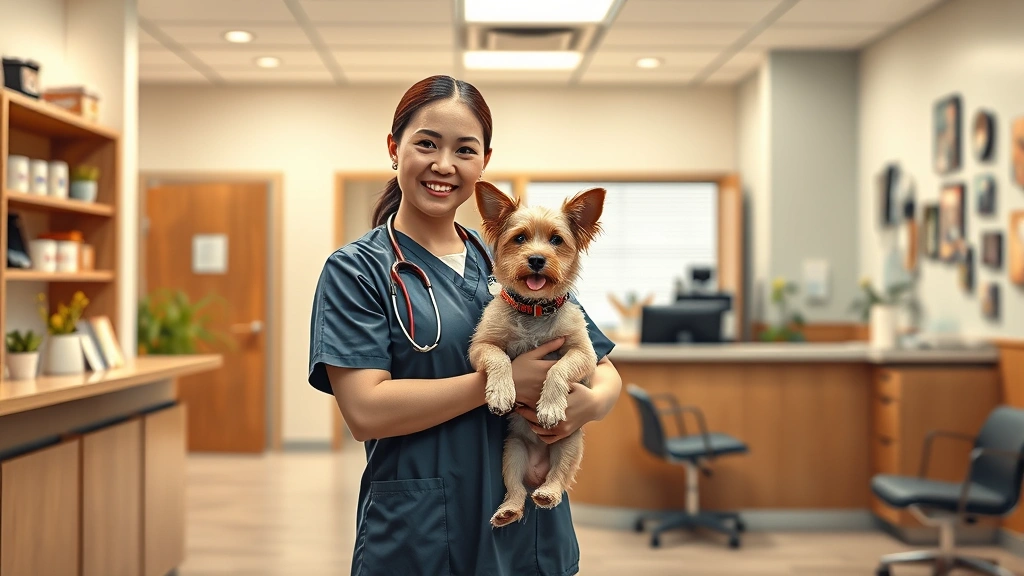
If that stray dog is injured, limping, or showing signs of distress, don’t waste time—head straight to an emergency vet clinic. These places operate 24/7 and can stabilize a sick or injured stray dog immediately. Yes, there will be costs involved, but many clinics work with local animal welfare organizations that can help cover expenses. The vet will also scan for a microchip, provide emergency treatment, and connect you with appropriate resources for the dog’s ongoing care. This is especially important if the pup is bleeding, having trouble breathing, or appears to be in pain.
Option 3: No-Kill Animal Rescue Organizations (The Compassionate Route)
If you want to ensure the stray dog gets a second chance without the risk of euthanasia, contact local no-kill rescue organizations in your area. These nonprofits specialize in taking in strays and finding them permanent homes. They’re often more flexible than traditional shelters and may have foster networks that can immediately provide safe, temporary housing. Search online for “no-kill rescues near me” or check platforms like Petfinder and Rescue Me to find breed-specific rescues. Many of these organizations will even come pick up the dog if you’re unable to transport it yourself.
Option 4: Animal Control (The Official Authority)
When you’re asking “where can I take a stray dog,” animal control is technically the legal authority for handling strays in most jurisdictions. Call your local animal control office and they’ll dispatch an officer to pick up the dog or give you instructions on how to safely bring it in. They have the authority to check for ownership, handle aggressive animals, and ensure proper documentation. While some people worry about outcomes, many modern animal control agencies work closely with shelters and rescue organizations to prioritize animal welfare. It’s an official, legal option that creates a paper trail for lost dog reunification.
Option 5: Community Facebook Groups and Neighborhood Networks (The Grassroots Approach)
Before you take that stray dog anywhere, leverage your community’s power. Post photos and the location where you found the dog on local Facebook groups, Nextdoor, and community bulletin boards. Include details like size, color, collar description, and any distinguishing features. You’d be surprised how many lost dogs get reunited with frantic owners within hours through social media. This approach works best if the dog appears healthy and safe enough to keep temporarily. Many pet owners post “lost dog” notices in the same groups, so your post might directly connect with someone searching desperately for their pup. Check out what makes dogs happy while you’re waiting to find the owner—keeping a stray calm and comfortable is part of the process.
Critical Steps Before Taking a Stray Dog Anywhere
Before you load that dog into your car, take some practical precautions. First, assess whether the dog seems aggressive or sick. If it’s growling, snapping, or showing signs of illness, contact animal control rather than attempting to handle it yourself. Second, use a leash, rope, or even a belt if the dog will tolerate it—you don’t want it bolting into traffic during transport. Third, keep the dog separated from your own pets until you’re sure it’s healthy and vaccinated. Fourth, take photos of the dog’s appearance, any collar or tags, and the exact location where you found it. This documentation helps with lost dog searches and legal records. Finally, wash your hands thoroughly after handling the stray, as you don’t know what diseases it might be carrying.
Understanding Stray vs. Lost vs. Abandoned Dogs
Here’s something important: not all dogs running around without owners are truly “strays.” Some are lost pets whose owners are desperately searching for them. Others might be outdoor dogs whose owners let them roam (which is a whole different conversation about responsible pet ownership, but that’s not today’s battle). When you find a dog, spend a few minutes checking for collar tags, harnesses, or any identifying information. Look for signs of neglect or abuse that indicate abandonment. This distinction matters because a lost dog needs to get back to its owner ASAP, while an abandoned or truly stray dog needs the shelter or rescue services we discussed. Understanding this helps you make the best decision for that individual pup.
What to Expect at a Shelter or Rescue
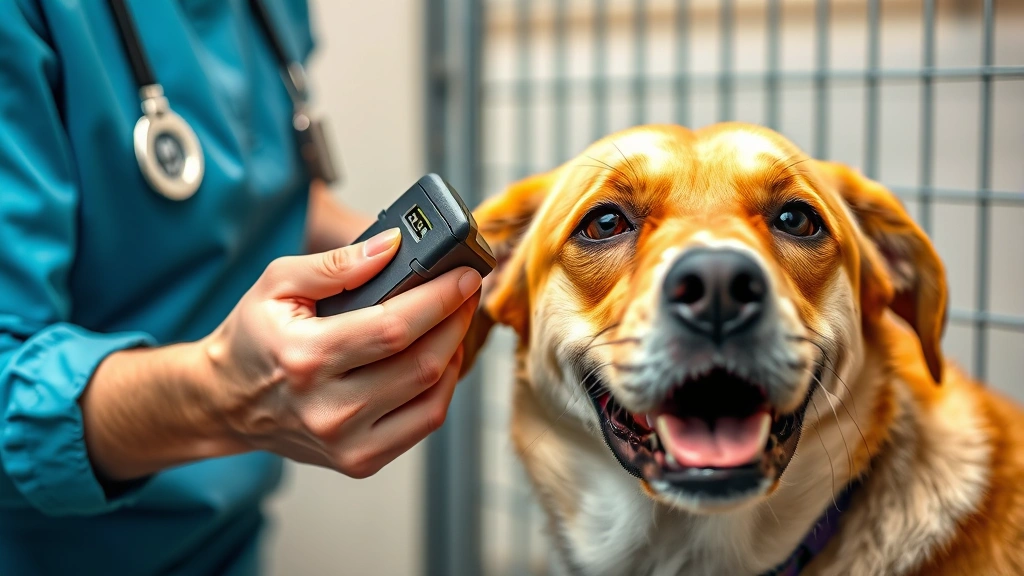
When you arrive at a shelter or rescue with a stray dog, here’s what typically happens: staff will scan for a microchip (this is the golden ticket for reunification), examine the dog’s general health, take photos, and document where and when you found the dog. They’ll ask you questions about the dog’s behavior and condition. The dog enters the system and gets placed on a stray hold, during which staff actively try to locate the owner through microchip databases, lost pet websites, and local community posts. If no owner claims the dog within the hold period, the facility will either put the dog up for adoption or transfer it to a rescue partner. It’s a structured process designed to maximize the chances of reunification. According to the American Kennel Club, microchipping dramatically increases the odds of lost dogs being returned to their owners, so that scan is genuinely critical.
Resources and Tools That Help Stray Dogs Get Home
Technology has made finding lost dogs easier than ever. Websites like PetFinder, Lost Pet USA, and Finding Rover let owners post about missing dogs and allow good Samaritans like you to report found dogs. Many shelters now use social media aggressively to post newly arrived strays, increasing the chances that owners see their missing pet. Some communities have dedicated lost and found pet Facebook groups with thousands of members. Apps like Petco Love Lost and the AKC Reunite database are specifically designed for this purpose. When you find a stray dog, using these tools costs you nothing but a few minutes of your time and could literally save a life by reuniting a dog with its heartbroken owner.
Financial Considerations and Getting Help
Let’s talk money, because it’s real. If you take a stray dog to an emergency vet clinic, you could be looking at hundreds of dollars in bills. If it’s an animal shelter, costs are typically minimal or covered by your local government. If it’s a rescue organization, they often absorb costs because they’re nonprofit operations. If you find yourself with a stray dog and money is a concern, be upfront about it. Many shelters and rescues have programs to help cover costs, and some vets offer payment plans. You can also reach out to local animal welfare organizations, churches, or community groups that sometimes have emergency pet assistance funds. Don’t let financial worry prevent you from getting that dog help—solutions exist.
Safety Tips for Transporting a Stray Dog
Safely moving a stray dog from point A to point B requires some common sense. Use a sturdy leash or makeshift restraint so the dog doesn’t bolt. If the dog is aggressive or you’re uncomfortable, call animal control to handle transport. In your vehicle, keep the dog in the back seat or cargo area, never in the front where it could become a projectile in sudden stops. Crack windows for ventilation but not so much that the dog can jump out. Keep your own pets at home to avoid conflicts. Bring paper towels or old blankets in case of accidents—stray dogs are stressed and might have digestive issues. Drive directly to your destination without unnecessary stops. And seriously, don’t leave the dog alone in a parked car, even for five minutes. These simple precautions protect both the dog and you.
Frequently Asked Questions
What should I do if I find a stray dog at night?
If it’s after hours and the dog appears safe and healthy, keep it in a secure location (like a garage or fenced yard) overnight. Post on social media immediately with photos and location details. Call emergency animal control if the dog is injured or aggressive. First thing in the morning, take the dog to a shelter, vet clinic, or rescue organization. Don’t delay—the sooner the dog gets scanned for a microchip and entered into the system, the better the chances of reunification.
Can I keep a stray dog if I want to?
Legally, probably not without proper procedures. If you want to adopt a stray dog, take it to a shelter or rescue first, let them handle the stray hold period and ownership search, and then go through the official adoption process. This protects you legally and ensures the original owner has every opportunity to reclaim their pet. Many shelters will let you adopt the same dog if no one claims it—you’d just be doing things the right way.
What if the stray dog is aggressive?
Do not attempt to handle an aggressive dog yourself. Call animal control immediately and describe the dog’s behavior. Stay at a safe distance and keep other people and pets away from the dog. Animal control officers are trained to handle aggressive animals safely. Your personal safety is the priority here—being a hero isn’t worth getting bitten.
How long do shelters keep stray dogs?
Most shelters are required by law to hold stray dogs for a mandatory period, typically 3-7 days, though this varies by location. During this time, they actively search for the owner. After the hold period, the dog may be adopted out, transferred to a rescue, or unfortunately, euthanized if the shelter is overcrowded. This is why getting the dog into the system quickly and posting on social media matters so much.
Should I try to find the owner myself?
You can definitely help by posting on social media and checking lost dog networks, but don’t let that delay getting the dog professional care. Shelters and rescues have resources and databases you don’t have access to. The best approach is to do both: get the dog to a facility while simultaneously posting online. This maximizes the chances of reunification.
What if I find a stray dog that looks like a mongrel or mixed breed?
Mixed breeds and mongrels deserve just as much care and attention as purebreds. Take them through the exact same process—scan for microchip, post on social media, get them to a shelter or rescue. In fact, mongrel dogs often make amazing pets and many people specifically seek them out for adoption. Don’t let the dog’s breed or appearance affect your commitment to helping.
Conclusion: You’ve Got This
Finding a stray dog and figuring out where can I take a stray dog doesn’t have to be complicated. You’ve got five solid options: local animal shelters, emergency vet clinics, no-kill rescues, animal control, and community networks. Each option serves a specific purpose depending on the dog’s condition and your circumstances. The key is taking action quickly, scanning for microchips, and leveraging both official channels and community resources. You’re literally changing that dog’s life by caring enough to ask the question in the first place. Whether the dog is reunited with a desperate owner or finds a new forever home through adoption, your compassion makes all the difference. Now go help that pup.





