

Finding Peace: Understanding Where Dogs Go After They Pass
The loss of a beloved dog is one of life’s most profound sorrows. Our canine companions are more than pets—they are family members, confidants, and sources of unconditional love. When they pass away, we’re left grappling with deep questions about their final destination and whether we’ll ever see them again. This article explores the spiritual, philosophical, and practical perspectives on where dogs go after they die, offering comfort to grieving pet owners navigating this difficult journey.
Throughout history, cultures and religions have developed different understandings about the afterlife for animals. Some believe in a spiritual continuation, others focus on the legacy our dogs leave behind, and many find peace through memorial practices and cherished memories. Understanding these various perspectives can help you process your grief and find meaning in the bond you shared with your four-legged friend.
Whether you’re seeking spiritual comfort, practical guidance on memorialization, or simply looking to understand your grief better, this comprehensive guide will help you find peace during this challenging time. Many pet owners wonder about do dogs go to heaven, a question that reflects the deep spiritual connection we feel with our pets.
Table of Contents
- Spiritual and Religious Perspectives on the Afterlife
- Philosophical Perspectives on Pet Mortality
- The Legacy Your Dog Leaves Behind
- Understanding the Grief Process
- Ways to Honor and Memorialize Your Pet
- Moving Forward After Loss
- Frequently Asked Questions
Spiritual and Religious Perspectives on the Afterlife
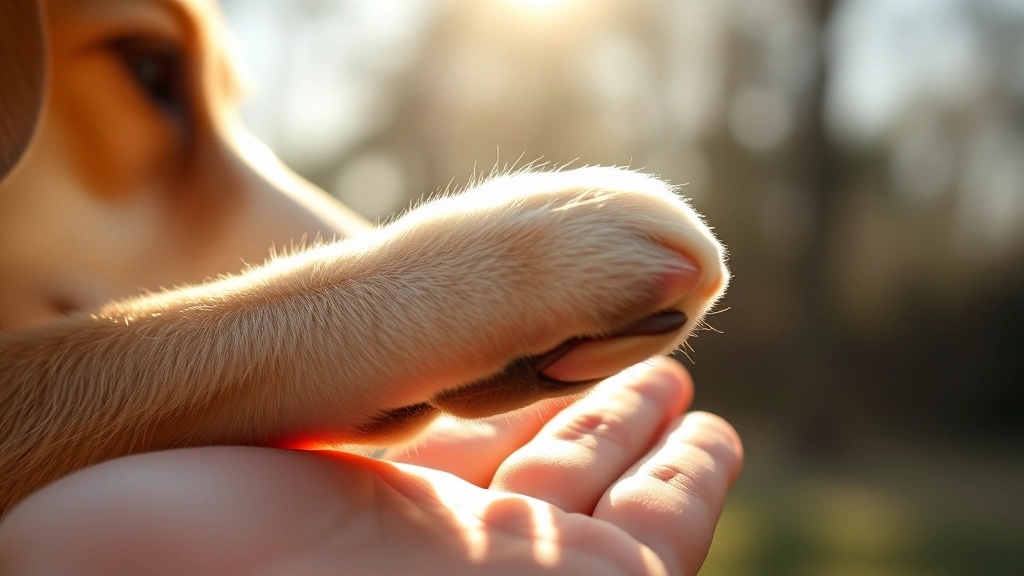
Many religious and spiritual traditions offer perspectives on whether animals have souls and what happens to them after death. In Christianity, theological debates have evolved significantly over centuries. While traditional doctrine sometimes excluded animals from the afterlife, contemporary Christian theologians increasingly argue that God’s love encompasses all creation, suggesting that beloved pets may indeed have a place in the divine realm.
Buddhism teaches that all sentient beings, including dogs, have consciousness and may be reincarnated based on their karma. This perspective offers comfort to some grieving pet owners, suggesting that their beloved dog’s soul might return in another form. Hinduism similarly embraces reincarnation, viewing all animals as sacred and part of the eternal cycle of life.
Islamic tradition shows reverence for animals, with the Prophet Muhammad known to have been compassionate toward all creatures. While interpretations vary, many Islamic scholars acknowledge that animals have spiritual worth. Jewish tradition similarly emphasizes the value of animal life, though specific beliefs about pet afterlife vary among different Jewish communities.
Indigenous spiritual practices often view animals as spiritual guides and believe that their essence continues in various forms after physical death. Native American traditions, for example, honor animal spirits and believe they maintain a presence in our lives and the natural world. These diverse spiritual perspectives remind us that why do dogs sleep so much isn’t just a behavioral question—it speaks to the deep consciousness and inner lives of our companions.
Philosophical Perspectives on Pet Mortality
From a purely philosophical standpoint, the question of where dogs go after death intersects with broader questions about consciousness, identity, and existence. Modern philosophy of mind explores whether animals possess subjective experience—what philosophers call “phenomenal consciousness.”
Many contemporary philosophers argue that dogs, with their complex emotional lives and social behaviors, do possess a form of consciousness. This recognition elevates the moral and existential significance of their lives. If dogs experience joy, sadness, loyalty, and attachment—which behavioral science confirms they do—then their existence has intrinsic value that transcends their physical presence.
The philosophical concept of legacy suggests that while physical form may cease, influence and memory persist. Your dog’s impact on your life, your family, and everyone who knew them continues indefinitely. This perspective offers solace: in this sense, your dog never truly leaves because their influence remains woven into your character and experiences.
Some philosophers draw parallels to how we understand human legacy and meaning-making after death. Just as we honor deceased loved ones through remembrance and by living according to the values they embodied, we can keep our dogs’ spirits alive through similar practices. This philosophical framework helps explain why the bond between humans and dogs—documented extensively in research on the human-animal bond—continues even after physical separation.
The Legacy Your Dog Leaves Behind
One of the most meaningful ways to understand where your dog goes is to recognize that they live on in your heart, memories, and the ways they’ve shaped who you are. Every lesson your dog taught you about unconditional love, loyalty, and living in the moment becomes part of your legacy.
Your dog’s influence extends beyond your immediate family. They may have touched the lives of neighbors, friends, veterinarians, and other pets. Perhaps your dog helped socialize other animals, provided comfort during difficult times, or simply brought joy to everyone who met them. These ripples of positive influence continue indefinitely.
The memories you created together—walks in the park, playtime, quiet moments of connection—form an indelible part of your personal history. When you recall these moments with love and gratitude rather than only pain, you’re keeping your dog’s spirit alive. Understanding this can be particularly comforting when considering behavioral quirks like why do dogs lick their paws, which reminds us of their unique personalities and the specific details that made them irreplaceable.
Many pet owners report that their dogs’ presence continues to influence daily decisions and perspectives long after death. They find themselves making choices based on values their dog embodied—patience, forgiveness, presence, and unconditional acceptance. This is perhaps the truest measure of where your dog goes: they become integrated into your moral compass and spiritual framework.
Understanding the Grief Process
The grief experienced after losing a dog is legitimate and profound. Research confirms that the human-animal bond creates real neurochemical and emotional attachments. When that bond is severed through death, the grief response mirrors losing a human family member in many ways.
Elisabeth Kübler-Ross’s five stages of grief—denial, anger, bargaining, depression, and acceptance—apply to pet loss as well. You might initially struggle to believe your dog is gone, become angry at circumstances surrounding their death, bargain with higher powers for more time, experience deep sadness, and eventually reach acceptance.
It’s important to recognize that these stages don’t necessarily occur in order, and you may cycle through them multiple times. Additionally, your grief might be complicated by the lack of social recognition some people extend to pet loss. However, reputable organizations like the Humane Society offering pet loss support and the AKC’s guidance on coping with pet loss recognize that this grief is real and deserves acknowledgment.
Physical manifestations of grief are common: insomnia, appetite changes, lethargy, and difficulty concentrating. These symptoms typically diminish over time as you process your loss. Some people experience what’s called “anniversary grief,” where the emotional pain resurfaces on significant dates like their dog’s birthday or the anniversary of their death. This is normal and doesn’t indicate that you’re not healing.
Ways to Honor and Memorialize Your Pet
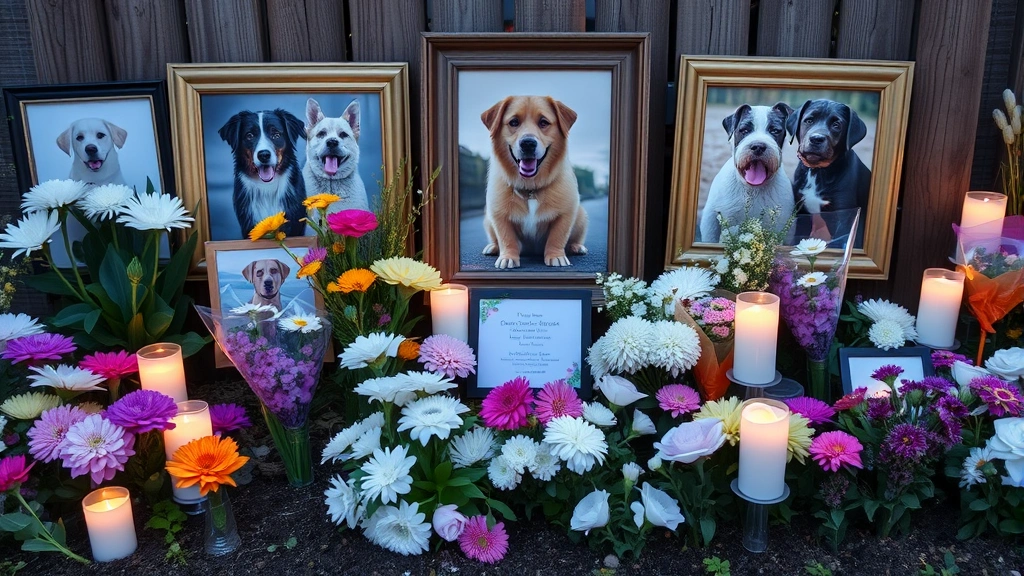
Creating meaningful rituals and memorials can provide closure and allow you to celebrate your dog’s life. These practices help answer the question of where your dog goes by placing them in a sacred space within your home and heart.
Funeral and Burial Options: Many pet owners choose to hold a small funeral service. This might include inviting close family members to share memories and stories. Some people create a small grave in their backyard, while others choose pet cemeteries that maintain respectful grounds. Cremation is another option, with ashes either scattered in a meaningful location or kept in a decorative urn.
Memory Boxes: Create a special box containing your dog’s collar, tags, favorite toys, photographs, and handwritten memories. This tangible collection can provide comfort during difficult moments.
Photographic Tributes: Compile photos into an album or digital slideshow. Some people create coffee table books or frame favorite images. These visual reminders celebrate your dog’s life and provide a way to share their story with others.
Written Memorials: Write a letter to your dog expressing your feelings, or create a biographical piece about their life and personality. Some pet owners plant memorial gardens or donate in their dog’s name to animal rescue organizations. For guidance on processing these complex emotions, PetMD offers helpful advice on handling grief after pet loss.
Charitable Contributions: Donate to animal shelters, veterinary schools, or pet rescue organizations in your dog’s memory. This transforms grief into action that helps other animals in need.
Artistic Expression: Commission a portrait, create a pet-themed art project, or write poetry about your dog. Creative outlets help process complex emotions and create lasting tributes. Some people also explore conditions like can dogs have autism to better understand their dog’s unique needs and celebrate what made them special.
Moving Forward After Loss
Healing from pet loss doesn’t mean forgetting your dog or diminishing the bond you shared. Rather, it means learning to carry your grief with grace while gradually returning to daily life. The sharp pain typically softens over months, eventually transforming into bittersweet fondness.
Many grieving pet owners find comfort in connecting with others who’ve experienced similar loss. Pet loss support groups, both online and in-person, provide spaces where your grief is understood and validated. Knowing that others have walked this path can be profoundly comforting.
Professional support through grief counseling or therapy can also be valuable. Many therapists recognize pet loss as legitimate grief deserving professional attention. Some therapists specialize specifically in pet bereavement.
Consider when and if you’re ready for another dog. Some people need months or years; others feel ready sooner. There’s no “right” timeline. A new dog doesn’t replace your deceased companion but rather creates new memories while honoring the past. Just as understanding can dogs be autistic helps us appreciate individual dog personalities, recognizing each dog’s uniqueness means a new dog won’t diminish your previous bond.
Self-care during this period is essential. Maintain healthy sleep and eating habits, exercise regularly, and engage in activities that bring you joy. Spending time in nature, where your dog may have loved to explore, can provide both comfort and healing. The AVMA’s resources on coping with pet loss offer comprehensive guidance for this transitional period.
Frequently Asked Questions
Do dogs have souls?
This deeply personal question intersects spirituality, philosophy, and science. Many spiritual traditions affirm that dogs possess souls, and modern neuroscience demonstrates that dogs have complex emotional and cognitive capacities similar to young children. Whether you believe in a literal soul or understand consciousness in different terms, the essential truth is that your dog possessed a unique, irreplaceable consciousness and presence that mattered profoundly.
Will I see my dog again after death?
This depends partly on your spiritual beliefs. Those who believe in an afterlife may envision reunion in a spiritual realm. From a secular perspective, you continue to “see” your dog through memories and by practicing the values they embodied. Some people report feeling their dog’s presence through signs like unusual animal visits or vivid dreams. These experiences offer comfort regardless of their literal interpretation. Understanding how closely attuned dogs are to our emotions—similar to how why do dogs pant relates to their emotional state—reminds us of the deep connection that transcends physical presence.
How long does pet grief typically last?
Acute grief typically peaks within the first few months but can last a year or longer. Important dates, triggers, and memories may resurface grief throughout your life. This doesn’t mean you’re not healing; it means your dog was significant enough to warrant ongoing emotional recognition. The intensity typically decreases substantially within 6-12 months for most people, though individual timelines vary considerably.
Is it wrong to get a new dog soon after losing my previous one?
There’s no universal timeline. Some people feel ready within weeks; others need years. Consider your emotional state, the needs of any other pets, and your household situation. Getting a new dog too quickly might prevent necessary grief processing, but waiting too long isn’t necessary either. Trust your instincts and seek support from those who understand pet loss. Psychology Today explores what happens when our pets die, offering psychological insights into this decision.
Why do I feel guilty about my dog’s death?
Guilt after pet loss is extremely common, even when you provided excellent care. You might feel guilty about decisions made during their illness, financial constraints that affected treatment options, or simply surviving when they didn’t. These feelings, while painful, are usually not rooted in actual fault. Speaking with a grief counselor can help process and release unfounded guilt. Remember that you loved your dog and did your best with the resources and knowledge you had.
Can my grief be as significant as losing a human family member?
Absolutely. The human-animal bond creates genuine attachment and loss. Your dog was a daily presence in your life, a source of unconditional love, and a family member. The fact that they were a different species doesn’t diminish the legitimacy of your grief. Some people are closer to their dogs than to certain human family members, and their grief reflects that proximity and bond. Professional organizations recognize pet loss as significant bereavement deserving support and acknowledgment.
What if I still feel sad about my dog months or years later?
Ongoing sadness about a beloved pet is completely normal and healthy. You don’t need to “get over” your dog’s death in the sense of moving past it entirely. Rather, you integrate the loss into your life story while gradually shifting from active grieving to cherishing memories. Significant dates, encounters with similar dogs, or seeing their favorite spots may trigger sadness indefinitely. This emotional connection is a testament to the love you shared. If grief becomes paralyzing or prevents daily functioning after an extended period, professional support like resources on coping with pet loss or therapy might be helpful. Additionally, conditions affecting dogs like why is my dog shaking remind us how we invest in understanding every aspect of our pets’ wellbeing—that same love continues even after they’re gone.
Finding peace after your dog’s death involves honoring their memory, processing your grief authentically, and recognizing that your bond transcends physical presence. Whether you believe your dog’s spirit continues in a spiritual afterlife, lives on in the legacy they’ve created, or exists in the sacred space they occupy in your heart, the essential truth remains: your dog mattered, and that matters forever. Through memorialization, community support, and the ongoing practice of living by the values your dog embodied, you ensure they are never truly gone. For additional support, resources like Dogster’s guide to dealing with the death of a dog and Wisconsin’s comprehensive pet loss guide offer ongoing support during this difficult journey.





