

Where Is a Dog’s Heart? Understanding Canine Anatomy
Ever wondered exactly where your furry best friend’s heart is located? While it might seem like a dog’s heart is somewhere in that adorable face or those wagging tail moments, the reality is far more fascinating from an anatomical standpoint. Understanding where a dog’s heart is situated isn’t just trivia for veterinary students—it’s genuinely useful knowledge for any pet parent who wants to better care for their four-legged companion.
Your dog’s heart is a remarkable organ that works tirelessly to keep your pup bouncing around the park, napping on the couch, and showering you with unconditional love. Just like humans, dogs rely on a complex cardiovascular system to distribute oxygen-rich blood throughout their bodies. But here’s where it gets interesting: canine cardiac anatomy has some unique characteristics that set it apart from our own hearts, and knowing about them can help you recognize when something might be amiss with your beloved pet.
Whether you’re a curious dog lover, a new pet parent, or someone concerned about your pup’s health, this comprehensive guide will walk you through everything you need to know about your dog’s heart location, structure, and function. Let’s dive into the anatomy of man’s best friend!
Where Exactly Is a Dog’s Heart Located?
Let’s get straight to the point: a dog’s heart is located in the chest cavity, positioned between the lungs and slightly to the left of center. If you were to draw a line down the middle of your dog’s body, the heart sits just slightly left of that midline. It’s protected by the rib cage, which acts as nature’s armor, shielding this vital organ from injury.
In anatomical terms, the heart occupies what’s called the mediastinum—that’s the central compartment of the thoracic cavity. The exact position can vary slightly depending on your dog’s breed, size, and individual anatomy. A large breed like a German Shepherd will have a different heart placement than a tiny Chihuahua, simply due to their different body proportions. However, the fundamental location remains consistent across all canines.
The heart’s position between the lungs is particularly clever from an evolutionary standpoint. This placement allows the lungs to expand and contract during breathing while the heart maintains its position and continues its critical work. It’s like nature designed the perfect workspace for these two essential organs to coexist and support each other.
If you’ve ever felt your dog’s heartbeat while petting them or listening with your ear to their chest, you were likely detecting the vibrations from the left side of their body. This is the most accessible location for feeling your pup’s pulse, and many veterinarians check this spot during routine examinations.
Understanding Canine Heart Anatomy
Now that we know where the heart is, let’s explore what makes it tick. A dog’s heart is a muscular, four-chambered organ roughly the size of a closed fist—though this varies considerably based on your dog’s size. The heart’s walls are composed of three layers: the epicardium (outer layer), the myocardium (thick muscular middle layer), and the endocardium (inner lining). These layers work together to create a powerful pumping mechanism that keeps blood flowing throughout your dog’s body.
The heart is surrounded by a double-walled membrane called the pericardium, which provides protection and reduces friction as the heart beats. Think of it as a specialized sleeping bag that keeps the heart secure and allows it to move smoothly within the chest cavity. Understanding this protective structure is important because conditions affecting the pericardium can be serious and require immediate veterinary attention.
Just like humans, dogs have four valves in their hearts: the tricuspid valve, pulmonary valve, mitral valve, and aortic valve. These valves are like one-way doors that ensure blood flows in the correct direction through the heart’s chambers. When these valves function properly, blood moves efficiently through the heart and out to the body. However, valve disease is one of the most common heart conditions in dogs, particularly in older dogs and certain breeds.
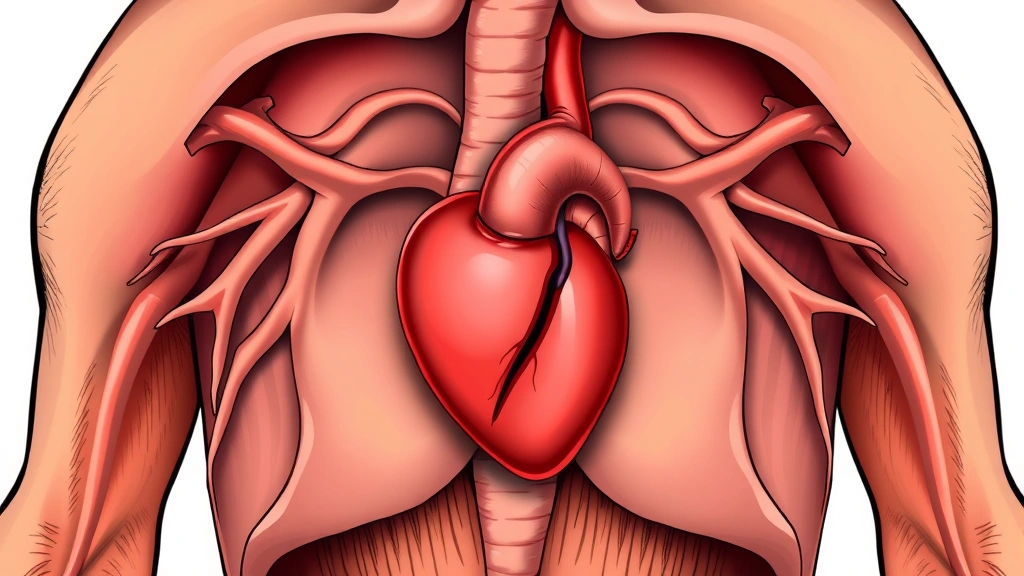
The coronary arteries supply blood to the heart muscle itself, ensuring this hardworking organ gets the oxygen and nutrients it needs to function. It’s a bit like how your car’s engine needs fuel to run—the heart needs its own dedicated blood supply to keep pumping. When these arteries become compromised, heart problems can develop.
Understanding heart anatomy also means recognizing the importance of the great vessels—the aorta and vena cava—that connect to the heart. The aorta carries oxygen-rich blood from the heart to the rest of the body, while the vena cava returns oxygen-depleted blood back to the heart. These major highways of the circulatory system are crucial for maintaining proper blood flow and delivering nutrients to every cell in your dog’s body.
The Four Chambers and How They Work
Your dog’s heart has two upper chambers called atria and two lower chambers called ventricles. This four-chambered design is what makes mammals like dogs and humans so efficient at circulating blood throughout the body. Let’s break down what each chamber does:
The right atrium receives oxygen-poor blood returning from the body through the vena cava. This blood needs to be refreshed with oxygen from the lungs, so the right atrium contracts and pushes the blood into the right ventricle.
The right ventricle then pumps this oxygen-poor blood to the lungs through the pulmonary artery. In the lungs, the blood picks up oxygen and releases carbon dioxide, which is then exhaled. This is why understanding why your dog is breathing fast can sometimes indicate cardiovascular or respiratory issues that deserve attention.
The left atrium receives the now-oxygen-rich blood from the lungs through the pulmonary veins. This oxygen-rich blood is essential for powering every cell in your dog’s body.
The left ventricle is the powerhouse of the heart. It has the thickest walls of any chamber because it needs to pump oxygen-rich blood throughout your dog’s entire body through the aorta. The left ventricle does the most work, which is why it’s often the most muscular chamber.

This entire cycle happens continuously, and in a healthy dog, it happens with remarkable efficiency. The heart’s electrical system coordinates the contractions of each chamber, ensuring they beat in the proper sequence. When you hear a heartbeat (lub-dub), you’re actually hearing the sound of the valves closing as the chambers contract and relax.
Normal Heart Rate and Vital Signs
Understanding what’s normal for your dog’s heart is crucial for recognizing when something might be wrong. A healthy adult dog’s resting heart rate typically ranges from 60 to 100 beats per minute, though this can vary based on several factors. Smaller breeds tend to have faster heart rates—sometimes reaching 100-130 beats per minute—while larger breeds often have slower rates, sometimes as low as 60 beats per minute.
Your dog’s heart rate can fluctuate based on activity level, age, health status, and even emotional state. A puppy or young dog will typically have a faster resting heart rate than an older dog. Similarly, when your dog is panting, their heart rate naturally increases to support the increased respiratory activity.
To check your dog’s heart rate at home, place your fingers on the inside of your dog’s hind leg, where the femoral artery runs close to the surface. You should feel a pulse here. Count the beats for 15 seconds and multiply by four to get beats per minute. It’s a simple skill that can help you monitor your pup’s cardiovascular health between veterinary visits.
According to the American Animal Hospital Association (AAHA), regular monitoring of vital signs is an important part of preventive pet care. Normal vital signs for dogs also include body temperature (typically 101-102.5°F) and respiratory rate (typically 10-30 breaths per minute). If you’re concerned about how to tell if your dog has a fever, understanding these baseline measurements is invaluable.
Keeping Your Dog’s Heart Healthy
Now that you understand where your dog’s heart is and how it works, let’s talk about keeping it in top shape. A healthy heart means a longer, happier life for your furry friend. Here are the key strategies for maintaining cardiovascular health:
Regular Exercise is fundamental to heart health. Daily walks, playtime, and age-appropriate activities strengthen the heart muscle and improve circulation. The amount of exercise your dog needs depends on their age, breed, and individual health status, but most dogs benefit from at least 30 minutes to an hour of activity daily.
Proper Nutrition plays a critical role in cardiovascular function. A balanced diet rich in omega-3 fatty acids, antioxidants, and appropriate levels of sodium can support heart health. Discuss your dog’s dietary needs with your veterinarian, as individual requirements vary based on age, size, and health status.
Weight Management is essential because obesity puts tremendous strain on the heart. Extra weight forces the heart to work harder to pump blood throughout a larger body, increasing the risk of heart disease. Maintaining a healthy weight through proper diet and exercise is one of the best preventive measures you can take.
Regular Veterinary Check-ups are absolutely crucial. Your veterinarian can listen to your dog’s heart, check for abnormal rhythms, and recommend preventive care based on your dog’s breed and age. Many heart conditions are more manageable when caught early.
Stress Reduction might surprise you, but a calm, happy dog tends to have better cardiovascular health. Creating a stable, loving environment helps keep your pup’s stress levels down, which is beneficial for heart function.
Understanding your dog’s skeletal system is also relevant here. Since dogs have approximately 270 bones that support their body structure and movement, maintaining proper exercise and weight helps keep the entire system—including the cardiovascular system—functioning optimally.
Warning Signs of Heart Problems
Being aware of warning signs can help you catch heart problems before they become serious. Here are some symptoms that warrant a veterinary visit:
- Persistent coughing, especially if it worsens with activity or at night
- Excessive panting or shortness of breath during normal activities—distinct from normal exercise recovery
- Lethargy and decreased activity levels, especially in normally active dogs
- Fainting or collapse during activity
- Abdominal swelling, which can indicate fluid accumulation
- Weakness in the hind legs, which sometimes accompanies heart disease
- Loss of appetite or weight loss
- Rapid or irregular heartbeat that you notice when petting your dog
If you notice sudden hind leg weakness in your dog, this could be related to cardiovascular issues or other serious conditions requiring immediate attention. Similarly, conditions like whether dogs can have asthma need to be ruled out when respiratory symptoms appear, as they can sometimes mimic heart problems.
According to the ASPCA, heart disease is one of the most common health problems in dogs, particularly in senior dogs. Early detection and management can significantly improve quality of life and longevity.
Certain breeds are predisposed to heart disease, including Cavalier King Charles Spaniels, Dachshunds, Poodles, and Boxers. If your dog is a breed prone to heart issues, discuss preventive screening with your veterinarian, as they may recommend regular echocardiograms or other diagnostic tests.
Frequently Asked Questions
Can you feel a dog’s heartbeat through their chest?
Yes! If your dog is calm and relaxed, you can often feel their heartbeat by placing your hand on their left side, just behind their front leg. This is where the heart is most accessible. The beat should feel like a steady rhythmic thumping. If you’re having trouble feeling it, try placing your ear against their chest instead—you’ll hear the characteristic “lub-dub” sound of a healthy heartbeat.
How do I know if my dog’s heart rate is abnormal?
Take your dog’s resting heart rate when they’re calm and relaxed—not after exercise or play. If the rate is consistently outside the normal range (60-100 bpm for most adult dogs, potentially higher for small breeds), or if you notice irregular beats, contact your veterinarian. Age, breed, and individual health status all affect what’s normal for your specific dog.
What’s the difference between a dog’s heart and a human heart?
While the basic structure is similar—both have four chambers and use the same circulatory principles—there are differences. Dogs’ hearts beat faster than human hearts, and the proportional size of the heart relative to body size is different. Additionally, dogs are more prone to certain types of heart disease, like mitral valve disease, which is uncommon in humans.
Can you hear a dog’s heart murmur with your ear?
Sometimes, but not always. A murmur is an abnormal heart sound caused by turbulent blood flow. While a veterinarian with a stethoscope can definitely detect murmurs, you might occasionally hear unusual sounds with your ear directly on the chest. However, professional evaluation is necessary for proper diagnosis.
At what age should I start worrying about my dog’s heart health?
While heart disease can occur at any age, it becomes more common as dogs age. Most dogs are considered seniors around age 7, and this is a good time to discuss preventive cardiac screening with your veterinarian. However, certain breeds may develop heart disease earlier, so discuss your individual dog’s risk factors with your vet.
Are there any supplements that support dog heart health?
Several supplements have been studied for cardiovascular support, including omega-3 fatty acids, CoQ10, and taurine. However, always consult your veterinarian before adding supplements to your dog’s routine, as they can interact with medications and may not be appropriate for all dogs. Your vet can recommend evidence-based options for your specific dog’s needs.
How often should my dog have their heart checked?
Adult dogs should have a heart check during annual veterinary visits. Senior dogs (age 7+) may benefit from more frequent checks—some veterinarians recommend twice-yearly exams for older dogs. Dogs with known heart conditions or breeds predisposed to heart disease may need even more frequent monitoring and diagnostic testing.





