
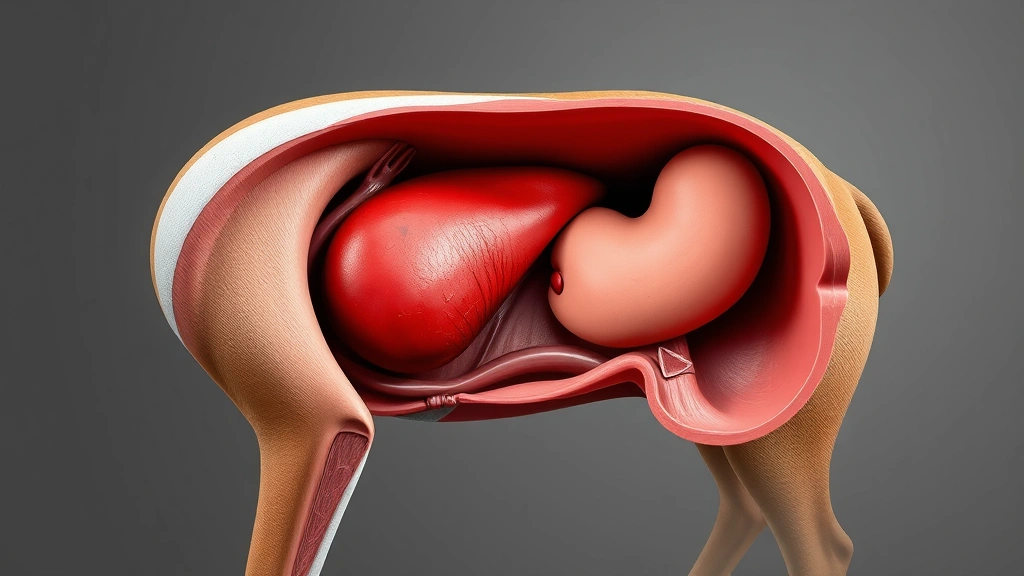
So you’re wondering where is a dog’s spleen, and honestly, it’s a question more pet owners should be asking. Your furry friend’s spleen is basically a silent guardian organ that most people never think about until something goes wrong. Let’s dig into the anatomy, function, and why you should care about this mysterious organ hanging out inside your pup’s belly.
Table of Contents
- Understanding Your Dog’s Spleen Location
- Canine Spleen Function and Why It Matters
- Splenic Health Issues in Dogs
- Splenic Tumors and Cancer Concerns
- When Your Dog Needs Spleen Surgery
- Diagnostic Methods for Splenic Problems
- Prevention and Maintaining Splenic Health
- Common Symptoms of Spleen Problems
- Breed-Specific Splenic Concerns
- Living With a Dog Without a Spleen
- Frequently Asked Questions
- Summary: Keeping Your Dog’s Spleen Healthy
Understanding Your Dog’s Spleen Location
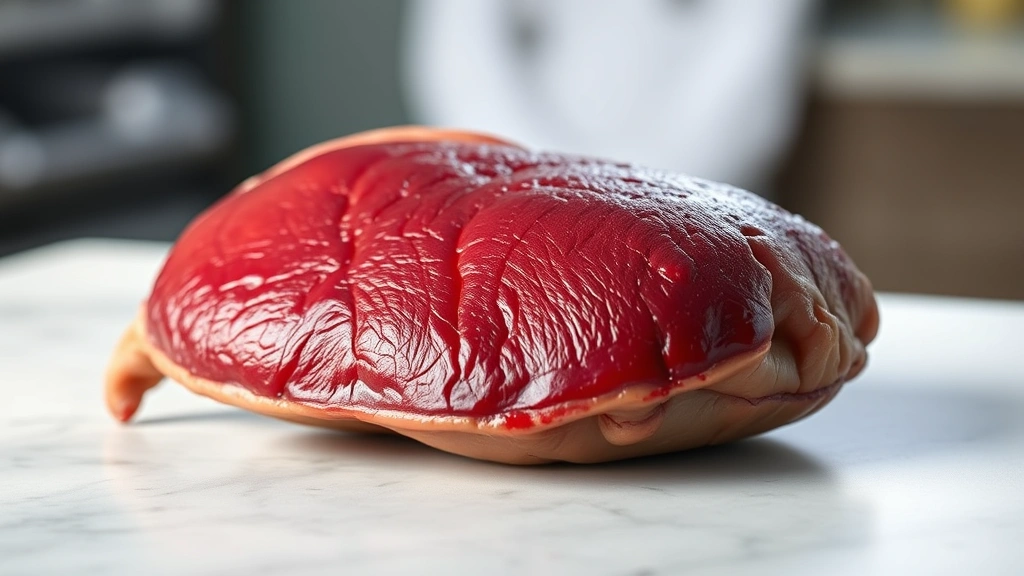
Your dog’s spleen is tucked away on the left side of the abdominal cavity, nestled between the stomach and the left kidney. Think of it as the organ that decided to play hide-and-seek with pet owners forever. In most dogs, it’s a long, thin organ that looks kind of like a dark red tongue or a flattened sausage. The exact position can vary slightly depending on your dog’s breed, size, and body shape, but it’s generally found in that left abdominal region.
The spleen typically measures anywhere from 2 to 4 inches long in medium-sized dogs, though larger breeds might have proportionally bigger spleens. It’s not something you can feel during a casual belly rub, which is probably why most people have no idea it’s even there.
Canine Spleen Function and Why It Matters
Now that you know the location, let’s talk about what this organ actually does. Your dog’s spleen is like a combination security guard, blood bank, and waste management facility all rolled into one. It filters old red blood cells, stores blood for emergencies, and helps fight infections by producing white blood cells and antibodies.
When your pup gets injured and loses blood, the spleen can contract and release stored blood back into circulation. It’s basically your dog’s biological emergency backup system. The spleen also removes damaged or infected cells from the bloodstream, keeping your dog’s immune system running smoothly. Pretty impressive for an organ most people can’t even locate on a diagram.
Splenic Health Issues in Dogs
While the spleen is usually a low-maintenance organ, it can develop problems that require veterinary attention. Splenic enlargement, or splenomegaly, is one of the most common issues vets see. This can happen due to infections, tumors, or blood disorders. Dogs with splenic issues might show signs of lethargy, loss of appetite, or abdominal pain.
Splenic torsion is another serious condition where the spleen twists on itself, cutting off its blood supply. This is a medical emergency and requires immediate surgical intervention. Large breed dogs and dogs with deep chests seem to be at higher risk. If your dog suddenly seems uncomfortable, won’t eat, or acts extremely lethargic, get to a vet immediately.
Splenic Tumors and Cancer Concerns
Unfortunately, hemangiosarcoma—a type of cancer that originates in the spleen—is relatively common in older dogs. German Shepherds, Golden Retrievers, and Labrador Retrievers seem to be at higher risk. The tricky part is that splenic cancer often doesn’t show symptoms until it’s advanced, which is why regular vet checkups matter so much.
If your vet suspects a splenic tumor, they might recommend an ultrasound or CT scan to get a better look. In some cases, surgical removal of the spleen (splenectomy) might be necessary. Dogs can live perfectly normal lives without a spleen, though they may be slightly more susceptible to certain infections.
When Your Dog Needs Spleen Surgery
There are several reasons why your vet might recommend splenectomy. Beyond cancer and torsion, severe trauma, bleeding disorders, or persistent infections might necessitate removal. The good news? Dogs are incredibly resilient and can function normally without their spleen. They just need a bit of extra monitoring and possibly more frequent vet visits.
Post-operative care is important. Your dog will need rest, pain management, and careful monitoring for infection. Most dogs bounce back quickly from spleen surgery, though older dogs might take a bit longer to fully recover.
Diagnostic Methods for Splenic Problems
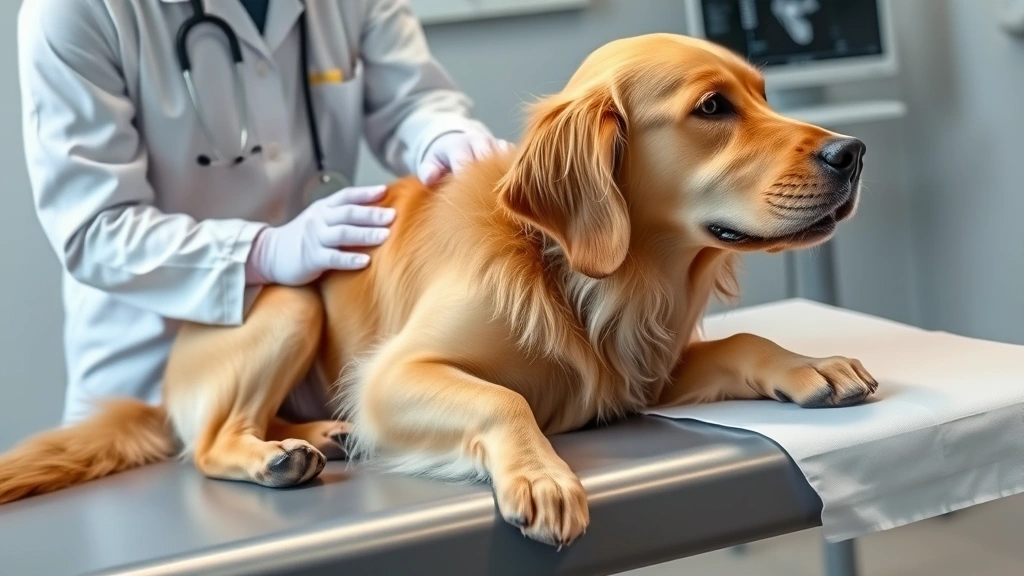
When your vet suspects a spleen issue, they have several tools at their disposal. Abdominal palpation is the first step—your vet will feel around to see if the spleen is enlarged. Blood work can reveal infections or anemia that might indicate splenic problems. Ultrasound is the gold standard for visualizing the spleen and checking for abnormalities, tumors, or fluid around the organ.
X-rays might show an enlarged spleen pushing other organs around. In some cases, your vet might recommend more advanced imaging like CT or MRI scans, especially if they’re suspecting cancer or planning surgery.
Prevention and Maintaining Splenic Health
While you can’t prevent all splenic issues, you can take steps to support your dog’s overall health. Regular veterinary checkups are crucial, especially as your dog ages. A healthy diet rich in antioxidants and omega fatty acids supports immune function. Keep your dog at a healthy weight to reduce stress on internal organs.
For large breed dogs at higher risk of splenic torsion, some vets recommend gastropexy—a surgical procedure that anchors the stomach in place. While this doesn’t prevent spleen torsion, it can prevent the often-fatal gastric dilatation-volvulus (GDV) that sometimes accompanies it. Talk to your vet about whether this preventative measure makes sense for your dog.
Common Symptoms of Spleen Problems
Your dog can’t tell you their spleen hurts, so watch for these warning signs. Abdominal pain or sensitivity when you touch their belly is a red flag. Loss of appetite, lethargy, and weakness might indicate splenic issues. Some dogs show pale gums, rapid breathing, or signs of shock—these are emergencies.
Vomiting, diarrhea (though your dog has diarrhea but is acting fine might be less concerning), and abdominal distension can all point to splenic problems. If your dog seems off and you notice any combination of these symptoms, don’t wait—call your vet.
Breed-Specific Splenic Concerns
Certain breeds have higher predispositions to splenic issues. Large and giant breeds like Great Danes, German Shepherds, and Boxers are at increased risk for hemangiosarcoma. Deep-chested breeds are more prone to splenic torsion. If you own one of these breeds, being extra vigilant about health monitoring is wise.
Mixed breeds can certainly develop splenic problems too, but knowing your dog’s breed composition helps your vet assess risk factors. Regular ultrasounds might be recommended for high-risk breeds as they age, allowing early detection of tumors.
Living With a Dog Without a Spleen
Many dogs live long, healthy lives after splenectomy. Your dog might be slightly more susceptible to certain bacterial infections, so keeping vaccinations current is important. Some vets recommend prophylactic antibiotics for dogs without spleens, especially during stressful periods or after surgery.
These dogs might need more frequent vet visits initially, but most settle into a normal routine. Your vet might recommend avoiding raw diets or environments with high pathogen exposure. With proper monitoring and care, your spleen-free pup can enjoy a great quality of life.
Frequently Asked Questions
Can dogs survive without a spleen?
Yes, absolutely. Dogs can live normal, healthy lives without a spleen. While the spleen does important work filtering blood and fighting infections, dogs have other immune mechanisms that compensate for its loss. They may need more frequent vet checkups and careful monitoring, but many dogs thrive post-splenectomy.
What does a dog’s spleen do exactly?
The spleen filters old red blood cells from the bloodstream, stores blood for emergencies, produces white blood cells and antibodies to fight infection, and helps remove damaged or infected cells. It’s essentially your dog’s biological cleanup crew and emergency blood supply.
How do I know if my dog’s spleen is enlarged?
You typically can’t feel an enlarged spleen yourself. Your vet can palpate the abdomen during an exam, and ultrasound is the best way to confirm splenomegaly. Signs might include abdominal discomfort, loss of appetite, lethargy, or pale gums, but these symptoms require professional diagnosis.
Is splenic torsion fatal in dogs?
Splenic torsion is a serious emergency that requires immediate surgery. Without treatment, it can be fatal because the twisted spleen loses blood supply and begins to die. However, with prompt veterinary intervention and surgery, many dogs survive. The key is recognizing symptoms quickly and getting emergency care.
What are the first signs of splenic cancer in dogs?
Splenic cancer often doesn’t show obvious signs until it’s advanced. Watch for lethargy, loss of appetite, abdominal pain, pale gums, rapid breathing, or signs of shock. Some dogs might have a distended abdomen. If your older dog suddenly seems unwell, get them checked out.
Should I get preventative spleen surgery for my large breed dog?
This is a question for your veterinarian. While some vets recommend gastropexy (stomach anchoring) for at-risk breeds to prevent GDV, prophylactic splenectomy isn’t typically recommended. Discuss your dog’s specific risk factors with your vet to determine the best preventative approach.
Summary: Keeping Your Dog’s Spleen Healthy
Now you know where your dog’s spleen is located—tucked on the left side of the abdominal cavity—and why this hidden organ matters. From filtering blood to fighting infections, the spleen plays a crucial role in your dog’s health. While splenic problems can be serious, early detection and prompt veterinary care can make all the difference.
Stay vigilant about your dog’s health, especially if you own a breed predisposed to splenic issues. Regular vet checkups, maintaining a healthy weight, and watching for warning signs are your best defense. And remember, even if your dog ever needs spleen removal, they can still live a wonderful, full life with proper care and monitoring.
For more information about your dog’s health, check out resources from the American Kennel Club, PetMD, or consult your veterinarian. When it comes to your pup’s spleen and overall wellness, professional guidance is always your best bet. And if your dog is dealing with digestive issues, you might find helpful information about whether Pepto Bismol is good for dogs or learn more about whether salmon is good for dogs to support their overall health. Don’t hesitate to reach out to your vet with questions—they’re your partner in keeping your dog healthy and happy.





