

Whipworms in dogs are one of those parasites that sound scarier than they actually are—but that doesn’t mean you should ignore them. These tiny intestinal worms can cause some seriously annoying symptoms in your furry friend, and if left untreated, they can lead to more serious health complications. The good news? Whipworms are totally treatable, and understanding what they are, how your dog gets them, and what to look for can help you catch the problem early.
Table of Contents
- What Exactly Are Whipworms?
- Sign #1: Chronic Diarrhea and Bloody Stools
- Sign #2: Weight Loss and Poor Coat Condition
- Sign #3: Straining and Constipation Issues
- Sign #4: Anemia and Lethargy
- Sign #5: Frequent Bowel Movements and Urgency
- How Your Vet Diagnoses Whipworms
- Proven Treatment Options for Whipworm Infections
- Prevention: The Best Medicine
- Managing Your Dog’s Health During and After Treatment
- When to Worry: Complications and Serious Cases
- The Connection to Other Parasitic Infections
- Frequently Asked Questions
- Summary: Taking Action Against Whipworms
What Exactly Are Whipworms?
Whipworms are parasitic nematodes (roundworms) that live in the large intestine and cecum of dogs. They get their charming name from their whip-like appearance—thin at one end and thicker at the other. These little troublemakers are about 2-3 inches long, which means you probably won’t see them in your dog’s poop (though sometimes you might spot them after treatment). A dog typically picks up whipworms by ingesting contaminated soil or water, making them especially common in areas where infected dogs have been. The eggs can survive in soil for years, making prevention a bit of a challenge.
Sign #1: Chronic Diarrhea and Bloody Stools
The most common symptom of whipworm infection is chronic diarrhea, often with visible blood or mucus. If your dog has been experiencing loose stools for weeks and you’ve ruled out other causes, whipworms might be the culprit. The severity varies depending on how many worms are present—a light infection might cause occasional loose stools, while a heavy infestation can lead to persistent bloody diarrhea. This is directly related to mucus in dog poop, which is a telltale sign something isn’t right in the intestinal department.
Sign #2: Weight Loss and Poor Coat Condition
Dogs with whipworm infections often experience unexplained weight loss, even when eating normally. This happens because the worms are essentially stealing nutrients from your dog’s intestines. You might also notice your dog’s coat looking dull, dry, or unhealthy—another sign that parasites are interfering with nutrient absorption. If your pup is looking a bit scruffy despite a good diet, it’s worth mentioning to your vet during your next visit.
Sign #3: Straining and Constipation Issues
Here’s where it gets interesting: whipworms can cause both diarrhea and constipation, sometimes alternating between the two. Some dogs experience straining during bowel movements, or they might seem uncomfortable when trying to go. If your dog is struggling with bathroom issues, check out our guide on my dog is constipated for more comprehensive information. The inflammation caused by whipworms irritates the intestinal lining, leading to these uncomfortable symptoms.
Sign #4: Anemia and Lethargy
In more severe cases, whipworms can cause anemia due to blood loss from the intestinal damage they create. You might notice your dog seems more tired than usual, less interested in playtime, or generally lethargic. If you notice pale gums or excessive tiredness combined with other symptoms, it’s definitely time for a vet visit. This is particularly concerning in puppies or senior dogs whose immune systems might be compromised.
Sign #5: Frequent Bowel Movements and Urgency
Dogs with whipworms often need to go outside more frequently than normal, sometimes with a sense of urgency. You might notice your dog asking to go out more often, or having accidents in the house despite being housetrained. This happens because the intestinal irritation creates a false sense of urgency, even when there isn’t much to eliminate.
How Your Vet Diagnoses Whipworms
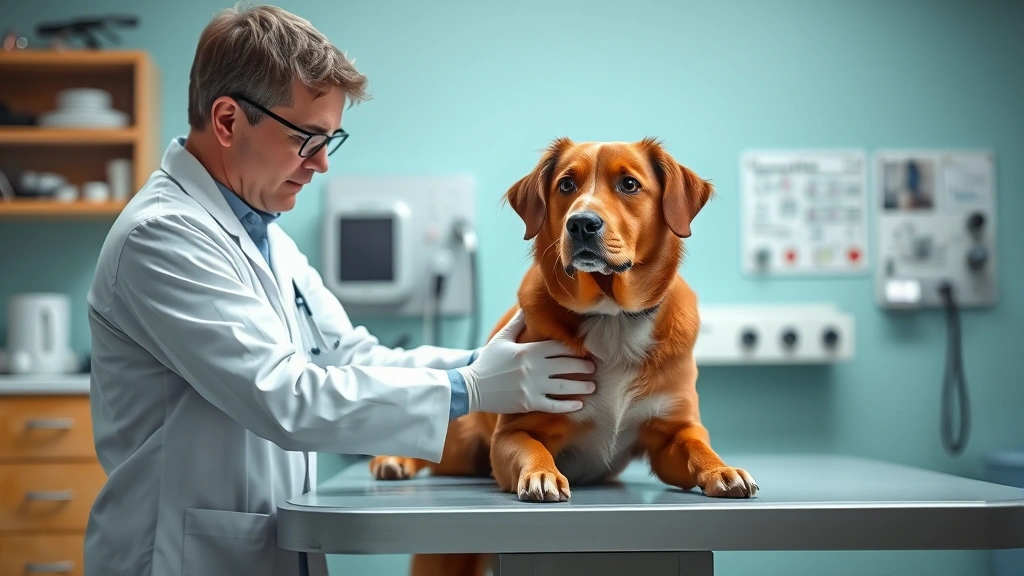
Diagnosing whipworms involves a fecal exam—basically, your vet will look at a sample of your dog’s poop under a microscope to identify whipworm eggs. The tricky part is that whipworms shed eggs intermittently, so a single negative test doesn’t necessarily mean your dog doesn’t have them. If your vet suspects whipworms but the first test is negative, they might recommend a repeat fecal exam or even a fecal flotation test using special solutions. This is why consistent symptoms warrant follow-up testing.
Proven Treatment Options for Whipworm Infections
The good news is that whipworms respond well to treatment. Most vets recommend antiparasitic medications like fenbendazole (Panacur), which is given orally for 3-5 days. Another common option is milbemycin, which is often included in monthly heartworm prevention medications. Some vets might use pyrantel pamoate or other antiparasitics depending on your dog’s specific situation. Treatment is usually straightforward and highly effective, with most dogs showing improvement within a week or two.
The typical protocol involves treating your dog, then rechecking fecal samples 2-4 weeks after treatment to ensure the infection is completely cleared. Sometimes a second round of treatment is necessary if eggs are still present. Always follow your vet’s instructions exactly—don’t skip doses or stop treatment early, even if symptoms improve.
Prevention: The Best Medicine
Preventing whipworms is easier than treating them. Regular monthly parasite prevention medications (like those used for heartworm prevention) often protect against whipworms too. Keep your yard clean by removing feces promptly, avoid areas where infected dogs have been, and ensure your dog has access to clean water. If you have multiple dogs, treat them all simultaneously to prevent reinfection. Some dogs are more prone to picking up whipworms, so if your pup is a soil-eater or spends lots of time in contaminated areas, talk to your vet about year-round prevention.
Managing Your Dog’s Health During and After Treatment
While your dog is being treated for whipworms, focus on supportive care. Make sure they’re eating a nutritious diet—you might want to consider limited ingredient dog food if your dog has a sensitive stomach. Keep them hydrated, especially if they’re experiencing diarrhea. Some vets recommend adding probiotics or digestive supplements to help restore healthy gut bacteria. If your dog is severely dehydrated from diarrhea, your vet might suggest is Pedialyte safe for dogs as a way to maintain electrolyte balance.
When to Worry: Complications and Serious Cases
While whipworms are generally manageable, severe infections can lead to serious complications. Persistent blood loss can cause anemia, and chronic intestinal inflammation can damage your dog’s digestive system long-term. If your dog shows signs of severe dehydration, extreme lethargy, or bloody diarrhea that doesn’t improve with treatment, seek veterinary care immediately. Puppies and senior dogs are at higher risk for complications, so they need extra monitoring.
The Connection to Other Parasitic Infections
Dogs can have multiple parasitic infections simultaneously. If your dog has whipworms, there’s a chance they might also have other intestinal parasites or even tick-borne illnesses. Your vet should screen for other common parasites during the fecal exam. If your dog spends time outdoors, they’re at risk for conditions like Lyme disease symptoms in dogs, which can compound health issues.
Frequently Asked Questions
Can humans get whipworms from dogs?
No, human whipworms are a different species than canine whipworms. While humans can get whipworms, it’s from contaminated food or water, not from dogs. That said, good hygiene practices (washing hands after handling your dog or cleaning up after them) are always important.
How long does whipworm treatment take?
Most whipworm treatments take 3-5 days of medication, but complete resolution can take 2-4 weeks. Your vet will likely recheck fecal samples to confirm the infection is cleared before declaring your dog whipworm-free.
Are whipworms contagious between dogs?
Whipworms aren’t directly contagious, but infected dogs shed eggs in their feces that can contaminate the environment. Other dogs can pick up the infection by ingesting these eggs from contaminated soil or surfaces.
Can whipworms come back?
Yes, reinfection is possible if your dog is exposed to contaminated soil again. This is why ongoing prevention is important, especially for dogs that spend lots of time outdoors or in high-risk areas.
What’s the difference between whipworms and other intestinal parasites?
Whipworms specifically live in the large intestine and cecum, while other parasites like roundworms and hookworms prefer the small intestine. Each type requires different treatment approaches, which is why proper diagnosis is crucial.
Summary: Taking Action Against Whipworms
Whipworms in dogs are a common but totally treatable parasitic infection. Recognizing the five essential signs—chronic diarrhea with blood, weight loss, constipation issues, anemia, and frequent bowel movements—can help you catch the problem early. With proper veterinary diagnosis and treatment using antiparasitic medications, most dogs recover completely. The key is staying proactive with prevention through monthly parasite medications and good yard hygiene. If you suspect your dog has whipworms, don’t wait—schedule a vet appointment and get a fecal exam done. Your pup will be back to their happy, healthy self in no time.





