
If you’ve noticed white dog poop in your yard, you’re not alone—and yes, it’s definitely worth paying attention to. That chalky, pale stool isn’t just a cosmetic issue; it’s your pup’s digestive system waving a red flag. We’re talking about everything from calcium overload to parasitic infections that could seriously impact your dog’s health. Let’s dig into what’s actually happening in your dog’s gut and what you need to do about it.
Table of Contents
- What Causes White Dog Poop?
- 1. Excess Calcium and Bone Consumption
- 2. Pancreatic Insufficiency and Digestive Enzyme Problems
- 3. Parasitic Infections and Worm Infestations
- 4. Liver and Bile Duct Issues
- 5. Dietary Imbalances and Nutritional Deficiencies
- When Should You Call Your Vet?
- Diagnostic Tests Your Vet Might Recommend
- Treatment Options and Management Strategies
- Prevention: Keeping Your Dog’s Poop Normal
- When Your Dog Needs Hydration Support
- Frequently Asked Questions
- Summary: Taking Action on White Dog Poop
What Causes White Dog Poop?
White or pale-colored stools in dogs aren’t random. Your dog’s digestive system is essentially sending you a message, and understanding that message is crucial for keeping your furry friend healthy. The color of your dog’s poop tells a story about what’s happening internally—whether it’s a dietary issue, a parasitic infection, or something more serious like pancreatic problems. Most cases of white dog poop fall into five main categories, each requiring different approaches to treatment and prevention.
1. Excess Calcium and Bone Consumption
The most common culprit behind white dog poop is actually pretty straightforward: too much calcium. If you’re feeding your dog a raw diet heavy on bones, or if your pup has been gnawing on chicken bones from dinner, that excess calcium gets processed through their system and comes out looking like chalk dust. When dogs consume large amounts of bone material, their bodies absorb the calcium, which then gets excreted in their stool, creating that distinctive white or pale appearance.
Raw feeding enthusiasts often encounter this issue, especially when they’re not carefully balancing calcium and phosphorus ratios. A healthy calcium-to-phosphorus ratio should be around 1.2:1, but when bones dominate the diet, this ratio goes completely haywire. The good news? This type of white dog poop usually isn’t dangerous—it’s just your dog’s body processing excess minerals. However, chronically high calcium intake can lead to serious issues like hypercalcemia or urinary calculi down the road.
If you’re concerned about your dog’s calcium intake, consider adjusting their diet with properly balanced meals that include appropriate organ meat and supplements rather than relying solely on whole bones.
2. Pancreatic Insufficiency and Digestive Enzyme Problems
Here’s where things get more serious. Exocrine pancreatic insufficiency (EPI) is a condition where your dog’s pancreas doesn’t produce enough digestive enzymes. When this happens, food passes through the digestive tract largely undigested, often resulting in pale, clay-colored, or white dog poop. This condition is particularly common in German Shepherds and other large breeds, though any dog can develop it.
Dogs with EPI don’t just have weird-colored poop—they often experience weight loss despite eating normally, have greasy or fatty stools, and may seem perpetually hungry. The pancreas is basically throwing in the towel on digestion, so nutrients just pass right through. If you suspect your dog has EPI, a simple blood test called a TLI (trypsin-like immunoreactivity) test can confirm the diagnosis. Treatment involves pancreatic enzyme supplements added to food, and many dogs do remarkably well once properly managed.
3. Parasitic Infections and Worm Infestations
Parasites are sneaky little troublemakers that can absolutely cause white dog poop. Certain intestinal parasites, particularly roundworms and tapeworms, can create a pale or chalky appearance in your dog’s stool. You might even see rice-like segments in the poop if it’s tapeworms—those are actual tapeworm segments, which is equally gross and concerning.
Puppies are especially vulnerable to parasitic infections, often picking them up from their mother or contaminated environments. Outdoor dogs that enjoy sniffing and eating things they shouldn’t are also prime candidates. The concerning part? Many parasitic infections don’t just affect poop color—they can cause malnutrition, anemia, and serious health complications if left untreated. A veterinary stool sample analysis is the gold standard for diagnosis, and treatment is usually straightforward with appropriate deworming protocols.
4. Liver and Bile Duct Issues
Your dog’s liver and bile system play crucial roles in digestion and stool color. When the liver isn’t functioning properly or when bile ducts are blocked, bile doesn’t reach the intestines in sufficient quantities. Bile is what gives poop its brown color—without it, you get pale, white, or clay-colored stools. This is actually a pretty serious sign that something’s wrong with your dog’s hepatic system.
Conditions like cholecystitis (bile duct inflammation), biliary obstruction, or chronic liver disease can all result in white dog poop. These aren’t issues you can ignore; they require veterinary investigation and often blood work to assess liver function. If your dog also seems lethargic, has yellow-tinged gums or eyes, or is vomiting, get to a vet immediately. Check out our guide on recognizing signs of a lethargic dog to understand other symptoms that might accompany liver issues.
5. Dietary Imbalances and Nutritional Deficiencies
Sometimes white dog poop is simply a sign that your dog’s diet isn’t working for their digestive system. Certain commercial dog foods, especially those heavy in fillers or low-quality ingredients, can result in pale stools. Additionally, if your dog has food sensitivities or allergies, their digestive system might be struggling to process specific ingredients, leading to abnormal stool color.
Switching to a higher-quality diet with better digestibility often resolves this issue. Look for foods with named meat sources as the first ingredients and minimal fillers. If you’re feeding a raw or home-cooked diet, ensure you’re including proper vitamin and mineral supplementation. Nutritional imbalances can cause all sorts of problems beyond white poop, including dull coat, lethargy, and weakened immunity.
When Should You Call Your Vet?
Not every instance of white dog poop requires an emergency vet visit, but certain circumstances absolutely warrant professional attention. If the white poop is accompanied by vomiting, diarrhea, loss of appetite, weight loss, or behavioral changes, get your dog to the vet. Similarly, if white stools persist for more than a few days despite dietary adjustments, or if your dog seems unwell in any way, don’t wait.
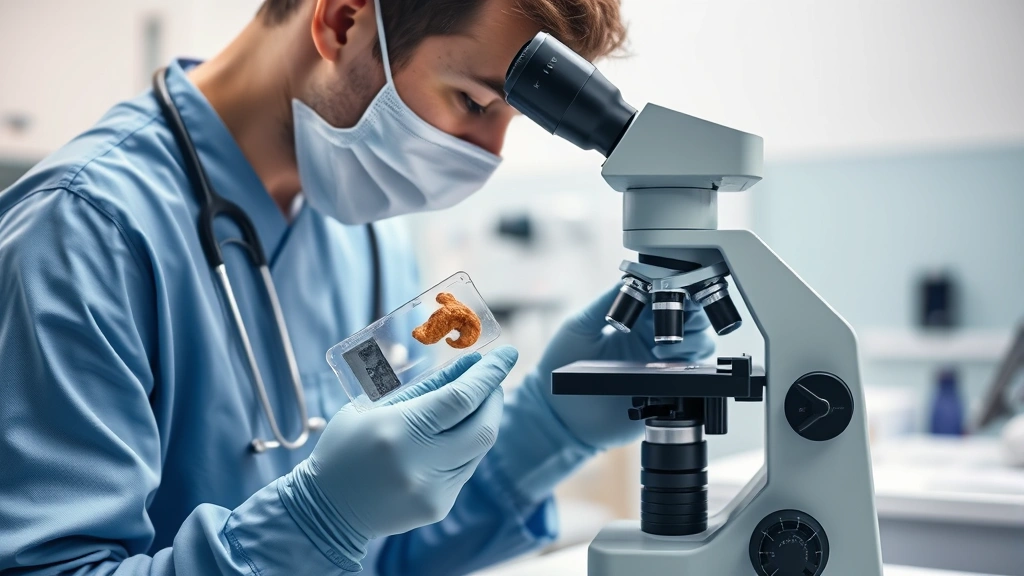
Your vet will likely perform a physical examination, possibly run blood work, and analyze a stool sample. These tests help identify whether you’re dealing with parasites, pancreatic issues, liver problems, or simple dietary adjustments. Early diagnosis of serious conditions like EPI or liver disease can make a huge difference in your dog’s long-term health outcomes.
Diagnostic Tests Your Vet Might Recommend
Expect your veterinarian to potentially recommend several diagnostic tools. A fecal examination (stool sample) can identify parasites and sometimes indicates digestive enzyme deficiency. Blood work assesses liver function, pancreatic enzymes, and overall health markers. In some cases, ultrasound imaging might be necessary to visualize the liver, pancreas, and bile ducts. Don’t be alarmed by the number of tests—your vet is being thorough to pinpoint the exact cause.
If EPI is suspected, the TLI test is the gold standard. If liver issues are a concern, liver enzymes like ALT and AST will be elevated. Some vets might recommend a cobalamin (B12) test, as EPI often results in B12 deficiency. These tests aren’t expensive compared to missing a serious diagnosis, so view them as an investment in your dog’s health.
Treatment Options and Management Strategies
Treatment depends entirely on the underlying cause. For excess calcium, simply reducing bone consumption usually resolves the issue within a few days. For parasites, appropriate deworming medication eliminates the problem. For EPI, pancreatic enzyme supplements become a lifelong management tool—but dogs with EPI can live happy, healthy lives with proper supplementation.
Liver issues might require dietary modifications, medications to support liver function, or in some cases, specific medical interventions. Consider exploring specialized diets for dogs with organ issues, as these are formulated to reduce stress on compromised systems. Some owners find that adding supplements like turmeric for dogs helps support digestive and liver health, though always consult your vet before adding supplements.
Prevention: Keeping Your Dog’s Poop Normal
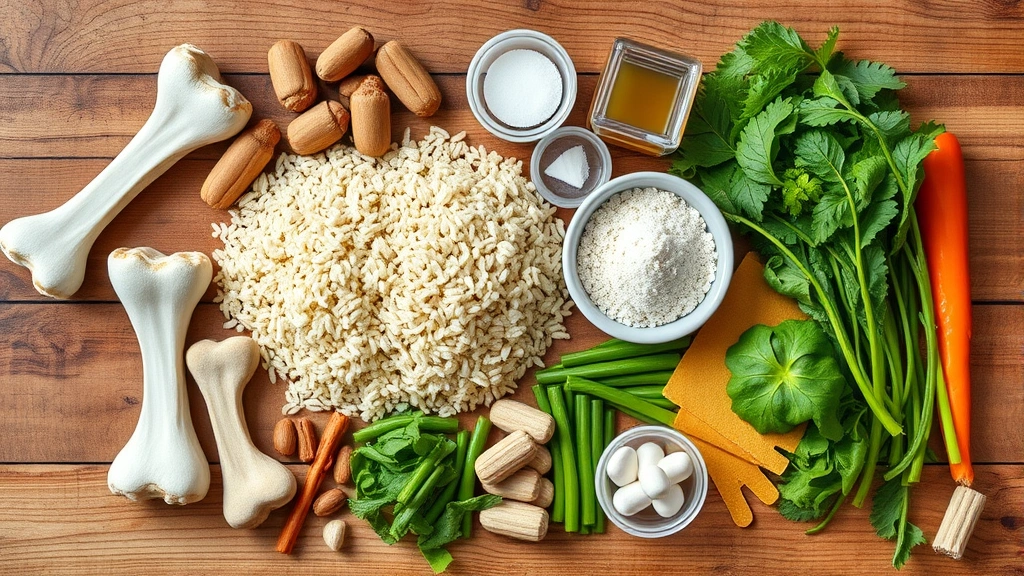
Prevention is always better than treatment. Feed a balanced, high-quality diet appropriate for your dog’s age and size. If you’re doing raw feeding, invest time in learning proper nutritional balance or work with a veterinary nutritionist. Maintain a regular parasite prevention protocol—monthly heartworm and flea prevention also typically covers intestinal parasites. Keep your dog away from scavenging opportunities, especially bones and questionable food items found outdoors.
Regular veterinary check-ups catch problems early. Annual exams and bloodwork for senior dogs help identify liver, pancreatic, or digestive issues before they become serious. Maintain good hygiene practices, especially when handling raw food or dealing with your dog’s waste, to prevent parasitic transmission.
When Your Dog Needs Hydration Support
If your dog has had diarrhea or abnormal stools for a while, they might be dehydrated. Maintaining proper hydration is crucial during digestive upset. While water is always the best choice, some owners find that electrolyte solutions like Pedialyte can help restore balance during recovery from digestive issues. Monitor your dog’s water intake and ensure fresh water is always available, especially if they’re experiencing gastrointestinal problems.
Frequently Asked Questions
Is white dog poop always a sign of a serious problem?
Not necessarily. While white dog poop can indicate serious conditions like pancreatic insufficiency or liver issues, it’s often simply the result of excess calcium from bone consumption. However, if the white stools persist for more than a few days or are accompanied by other symptoms, veterinary evaluation is warranted.
Can I treat white dog poop at home?
If you suspect excess calcium from bones, reducing bone consumption might resolve the issue. However, if the problem persists or if your dog shows other symptoms, professional diagnosis is essential. Many causes of white dog poop require specific veterinary treatment, so home remedies alone aren’t sufficient.
How long does it take for poop color to return to normal?
If the cause is dietary (excess calcium), normal brown color typically returns within 2-4 days of dietary adjustment. For parasitic infections, color improves after deworming treatment. For pancreatic or liver issues, treatment timelines vary, but improvement should be noticeable within 1-2 weeks of starting appropriate therapy.
Should I collect a stool sample for my vet?
Yes, absolutely. Bring a fresh stool sample (collected within 24 hours) in a clean container. Your vet will analyze it for parasites, undigested food, and other abnormalities. This simple test is often the key to diagnosis, so don’t skip it.
Can white dog poop indicate cancer?
While pale stools can occasionally be associated with pancreatic cancer or other malignancies affecting the digestive system, cancer is not the most common cause. However, any persistent abnormality warrants professional evaluation to rule out serious conditions.
Summary: Taking Action on White Dog Poop
White dog poop is your dog’s way of telling you something’s not right internally. Whether it’s excess calcium, parasites, pancreatic insufficiency, liver problems, or dietary issues, the underlying cause matters. Don’t ignore persistent white or pale stools—they’re a symptom worth investigating. Schedule a veterinary appointment, bring a stool sample, and be prepared to discuss your dog’s diet and any other symptoms. Most causes of white dog poop are manageable once properly diagnosed, and early intervention prevents complications. Your dog’s digestive health directly impacts their overall quality of life, so taking white poop seriously is one of the best things you can do as a responsible pet owner.





