

Finding white worms in dog poop is one of those moments that makes every dog parent want to immediately Google “Is my dog dying?” (Spoiler: probably not, but let’s talk about it). Parasitic worms are actually pretty common in dogs, and while it’s gross, it’s also totally manageable. Let’s dig into what these wiggly invaders are, why they’re hanging out in your pup’s digestive system, and—most importantly—how to send them packing for good.
Table of Contents
- What Are White Worms in Dog Poop?
- How Do Dogs Get Roundworms and Tapeworms?
- Symptoms Your Dog Might Have Worms
- Diagnosing Worms: What Your Vet Will Do
- Treatment Options for White Worms in Dog Poop
- Prevention: The Best Medicine
- Supporting Your Dog’s Recovery with Nutrition
- When to Worry: Serious Complications
- Common Questions About White Worms in Dog Poop
- Frequently Asked Questions
- Summary: Taking Action Against Parasitic Worms
What Are White Worms in Dog Poop?
When you spot white worms in dog poop, you’re likely looking at one of two culprits: roundworms or tapeworms. Roundworms look like spaghetti noodles—long, thin, and usually about 3-5 inches long. Tapeworms, on the other hand, appear as small white segments that look like grains of rice or sesame seeds. Both are intestinal parasites that live inside your dog’s digestive tract and feed on nutrients meant for your pup. Not cool, parasites. Not cool.
Roundworms (Toxocara canis) are the most common intestinal parasites in dogs, especially puppies. Tapeworms (Dipylidium caninum) are typically transmitted through fleas, so if your dog has one, they likely have the other. It’s like a parasitic two-for-one special nobody asked for.
How Do Dogs Get Roundworms and Tapeworms?
Dogs are basically walking buffets for parasites if we’re not careful. Here’s how these uninvited guests crash the party:
Roundworms: Your dog can pick up roundworms by sniffing contaminated soil, drinking from puddles with parasite eggs, eating infected rodents, or—yes—from their mother during pregnancy or nursing. Puppies are especially vulnerable, which is why vets recommend deworming them early and often.
Tapeworms: These guys need fleas to complete their life cycle. When your dog ingests a flea carrying tapeworm eggs (usually while grooming), the tapeworm sets up shop in the intestines. This is why flea prevention is non-negotiable if you want to avoid tapeworms.
Both parasites thrive in warm, moist environments and spread through contaminated feces. So yeah, that park where all the dogs play? Potential parasite central. This is also why maintaining proper hygiene around your home is crucial.
Symptoms Your Dog Might Have Worms
Beyond spotting actual worms in your dog’s poop, there are other red flags to watch for. If your dog seems lethargic or unusually tired, that could be a sign parasites are draining their energy. Here are the main symptoms:
- Visible worms in stool or vomit (the obvious one)
- Diarrhea or constipation – parasites mess with digestion
- Weight loss despite normal eating – worms are stealing nutrients
- Bloated belly – especially common in puppies with heavy worm loads
- Dull coat – nutritional deficiency showing on the outside
- Scooting – dragging their rear on the ground (uncomfortable itching)
- Vomiting – sometimes they literally cough up worms
- Poor appetite – general malaise from parasitic infection
- Anemia – in severe cases, worms cause blood loss
If you notice any combination of these symptoms, it’s time for a vet visit. Don’t wait around hoping it resolves itself.
Diagnosing Worms: What Your Vet Will Do
Your veterinarian is your best friend when it comes to confirming parasitic infections. They’ll typically ask for a stool sample (yes, really bring poop to the vet) and examine it under a microscope. This fecal flotation test is the gold standard for identifying the type of worm and determining the severity of the infection.
Sometimes, especially with tapeworms, you might see the evidence at home before a test catches it. Those rice-like segments in the stool or around the anus are basically a confirmed diagnosis. But a vet visit ensures you’re treating the right parasite with the right medication.
Your vet might also check for related conditions. If your dog has heartworm, they’ll want to address that separately since it’s a more serious parasitic infection affecting the heart and lungs.
Treatment Options for White Worms in Dog Poop
The good news? White worms in dog poop are highly treatable. Your vet will prescribe deworming medication based on the type of parasite and your dog’s age, weight, and health status.

Common deworming medications include:
- Pyrantel pamoate – effective against roundworms and hookworms
- Fenbendazole – broad-spectrum wormer covering roundworms, hookworms, whipworms, and tapeworms
- Praziquantel – specifically targets tapeworms
- Combination products – many modern dewormers hit multiple parasites at once
Most dewormers come as tablets, liquids, or spot-on treatments. A single dose often works, but your vet might recommend a second dose 2-3 weeks later to catch any worms that were in egg stage during the first treatment. Patience is key—you can’t kill eggs that haven’t hatched yet.
During treatment, keep your dog’s living space clean. Wash bedding frequently, pick up poop immediately, and disinfect areas where your dog spends time. This prevents reinfection and stops parasites from spreading to other pets.
Prevention: The Best Medicine
Once you’ve dealt with the worm problem, prevention becomes your mission. Here’s how to keep parasites out of your dog’s system:
Regular deworming: Puppies should be dewormed every 2-3 weeks until 12 weeks old, then monthly until 6 months. Adult dogs benefit from deworming 2-4 times yearly, depending on lifestyle and risk factors. Some vets recommend year-round prevention.
Flea prevention: Since tapeworms hitchhike on fleas, consistent flea prevention is non-negotiable. Monthly topicals, oral medications, or flea collars all work—choose what fits your dog’s lifestyle.
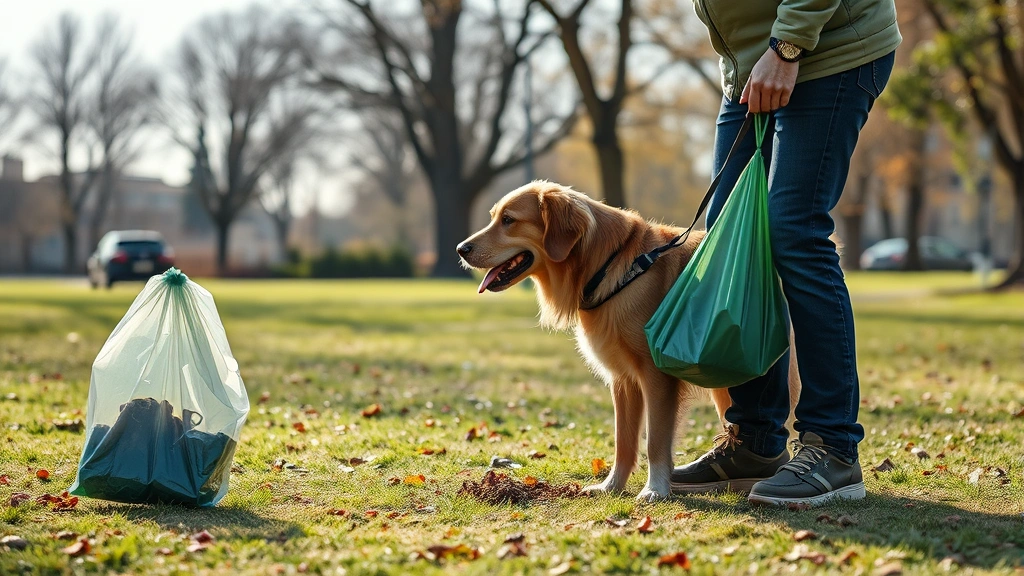
Sanitation: Pick up poop daily, wash your hands after handling feces, and keep your yard clean. Don’t let your dog drink from stagnant water or eat wildlife.
Avoid contaminated areas: Be cautious at dog parks, especially if you don’t know the vaccination and deworming status of other dogs.
Regular vet checkups: Annual fecal exams catch parasites early before they become a problem.
Supporting Your Dog’s Recovery with Nutrition
While medication kills the worms, your dog’s body needs support to recover from the nutritional damage parasites cause. A high-quality diet rich in protein helps rebuild muscle mass lost during infection. Rice is good for dogs in moderation and can actually help settle a sensitive stomach during recovery.
Some dogs benefit from supplements during recovery. Milk thistle for dogs supports liver function as the body processes deworming medications. Probiotics also help restore healthy gut bacteria disrupted by parasites and treatment.
If your dog has experienced severe weight loss or shows signs of nutritional deficiency, discuss specialized diets with your vet. Some dogs need temporary dietary adjustments to fully recover.
When to Worry: Serious Complications
Most cases of parasitic worms are straightforward to treat, but heavy infestations can cause serious problems. Puppies with severe roundworm infections can develop intestinal blockages. Massive tapeworm loads can cause malabsorption syndrome, where the dog can’t properly digest nutrients even when eating well.
If your dog shows signs of severe illness—persistent vomiting, bloody diarrhea, extreme lethargy, or abdominal pain—seek emergency vet care. These could indicate complications requiring immediate intervention.
Also, some parasites can affect humans. Roundworms can occasionally transfer to people, especially children. This is another reason why hygiene matters: wash your hands thoroughly after handling your dog’s feces, and teach kids not to put dirty hands in their mouths after petting the dog.
Common Questions About White Worms in Dog Poop
Frequently Asked Questions
Can I catch worms from my dog?
Some parasites, particularly roundworms, can theoretically infect humans, but it’s rare with good hygiene. Always wash your hands after handling dog poop and before eating. Keep your dog’s living area clean, and discourage your dog from licking your face.
How long does it take for deworming medication to work?
Most dewormers start working within 24 hours, and you might see dead worms in the stool within 2-3 days. However, a second dose is often needed 2-3 weeks later to catch worms that were in the egg stage during the first treatment.
Can my dog get worms again after treatment?
Absolutely. Deworming medication doesn’t create immunity—it just kills existing worms. Your dog can be reinfected if exposed to contaminated environments or fleas. This is why ongoing prevention is essential.
Are over-the-counter dewormers as good as prescription ones?
Prescription dewormers are generally more effective and safer because they’re dosed specifically for your dog’s weight and health status. Over-the-counter options exist but may be less reliable. Always consult your vet before treating parasites yourself.
My dog ate a flea—does that mean they’ll get tapeworms?
Not necessarily. One flea doesn’t guarantee a tapeworm infection, but it’s possible. If your dog eats a flea carrying tapeworm eggs, infection can occur. This is why consistent flea prevention is so important.
How often should I have my dog’s stool tested?
At minimum, annually for healthy adult dogs. Puppies, senior dogs, and those with compromised immune systems should be tested 2-4 times yearly. Dogs with a history of parasites might need more frequent testing.
Summary: Taking Action Against Parasitic Worms
Discovering white worms in dog poop isn’t fun, but it’s far from a disaster. These parasites are common, treatable, and preventable with proper care. The key steps are: get a vet diagnosis, follow the prescribed deworming protocol, maintain excellent hygiene, and implement prevention strategies.
Your dog’s health depends on staying ahead of parasitic infections. Regular vet checkups, consistent flea prevention, and prompt treatment of any signs of infestation will keep your pup healthy and worm-free. And remember—if you ever spot something suspicious in your dog’s poop, a quick vet visit is always the right call. Better safe than sorry when it comes to your furry friend’s health.





