
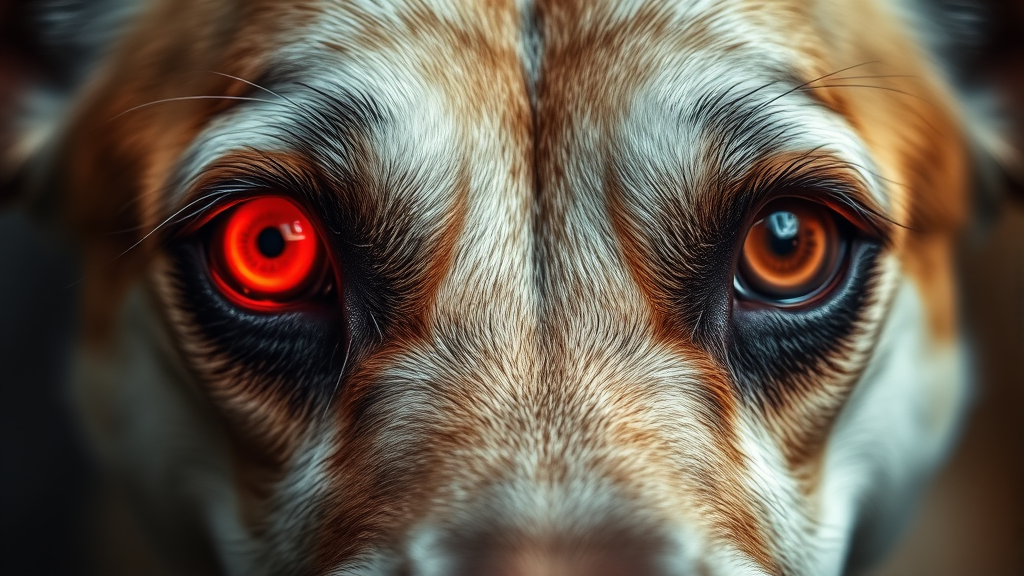
Red eyes in dogs can be alarming for pet owners, often appearing suddenly and causing concern about their furry friend’s health. While bloodshot or red eyes might look serious, they can result from various causes ranging from minor irritations to more serious medical conditions. Understanding the difference between a simple eye irritation and a condition requiring immediate veterinary attention is crucial for every dog owner.
When you notice your dog’s eyes appearing red, inflamed, or bloodshot, it’s natural to wonder what’s causing this change. The redness typically occurs when blood vessels in the eye become dilated or inflamed, which can happen due to allergies, infections, injuries, or underlying health issues. Recognizing the symptoms and knowing when to seek professional help can make a significant difference in your dog’s comfort and long-term eye health.
Common Causes of Red Eyes in Dogs
Red eyes in dogs can stem from numerous factors, with some being more common than others. Environmental irritants top the list, including dust, pollen, smoke, and cleaning chemicals that can cause immediate eye irritation. Wind exposure during car rides or outdoor activities can also lead to temporary redness and tearing.
Allergic reactions represent another frequent cause of red eyes in dogs. Just as humans can develop seasonal allergies, dogs may react to pollen, grass, mold, or even certain foods. Can dogs be allergic to cats is another common concern, as pet dander can trigger allergic responses in sensitive dogs.
Physical trauma or injuries to the eye area can cause immediate redness and swelling. This might occur from scratches during play, encounters with other animals, or accidents involving foreign objects. Even seemingly minor incidents can result in significant eye irritation that requires attention.
Symptoms to Watch For
Recognizing the accompanying symptoms of red eyes helps determine the severity of the condition. Excessive tearing or discharge is common, with clear discharge typically indicating irritation or allergies, while yellow or green discharge suggests bacterial infection. Pawing at the eyes frequently indicates discomfort or itching.
Squinting or keeping the affected eye closed signals pain or light sensitivity. Dogs may also show behavioral changes such as reluctance to go outside in bright light or general lethargy. Swelling around the eye area, changes in the eye’s appearance, or cloudiness in the cornea are more serious signs requiring immediate attention.
Sometimes red eyes accompany other health issues. If your dog shows signs of illness alongside eye redness, such as how to tell if a dog has a fever, it’s important to consider systemic conditions that might be affecting multiple body systems.
Environmental Factors and Allergies
Environmental allergens play a significant role in causing red eyes in dogs. Seasonal changes bring different challenges, with spring and fall being particularly problematic due to increased pollen counts. Indoor allergens like dust mites, mold, and household cleaning products can cause year-round irritation.
Air quality significantly impacts eye health. Poor ventilation, cigarette smoke, and strong fragrances can irritate sensitive eyes. Dogs living in urban areas may experience more eye irritation due to air pollution and environmental toxins. Regular grooming and keeping living spaces clean can help minimize exposure to these irritants.
Weather conditions also affect eye health. Dry, windy conditions can cause tear film instability, leading to dry eyes and compensatory redness. Conversely, high humidity can promote bacterial growth, potentially leading to infections. Understanding your local climate patterns helps in preventing weather-related eye issues.
Infections and Medical Conditions
Bacterial and viral infections commonly cause red eyes in dogs. Conjunctivitis, inflammation of the membrane lining the eyelids and covering the eyeball, is one of the most frequent eye conditions. This condition can be caused by bacteria, viruses, or allergens and often results in significant redness and discharge.
Dry eye syndrome, medically known as keratoconjunctivitis sicca, occurs when dogs don’t produce enough tears to keep their eyes properly lubricated. This condition causes chronic redness, thick discharge, and can lead to corneal damage if left untreated. Certain breeds are more predisposed to this condition.
More serious conditions include glaucoma, uveitis, and corneal ulcers. These conditions require immediate veterinary attention as they can lead to permanent vision loss. Similar to other health issues like what causes hot spots on dogs, early intervention is crucial for the best outcomes.

Home Care Solutions and Prevention
For minor eye irritation, gentle cleaning with sterile saline solution can provide relief. Use clean, soft cloth or gauze to gently wipe away discharge, always working from the inner corner outward. Never use human eye drops or medications unless specifically prescribed by a veterinarian, as these can be harmful to dogs.
Creating a clean environment helps prevent eye irritation. Regular grooming keeps hair away from the eyes, particularly important for long-haired breeds. Keeping your dog’s face clean and trimming facial hair can prevent irritants from accumulating near the eyes. Just as how to clean dog ears is important for overall health, maintaining eye hygiene is equally crucial.
Air purifiers and proper ventilation can reduce airborne irritants in your home. During high pollen days, limit outdoor exposure and wipe your dog’s face and paws when returning indoors. Providing fresh, clean water and a balanced diet supports overall eye health and immune function.
When to See a Veterinarian
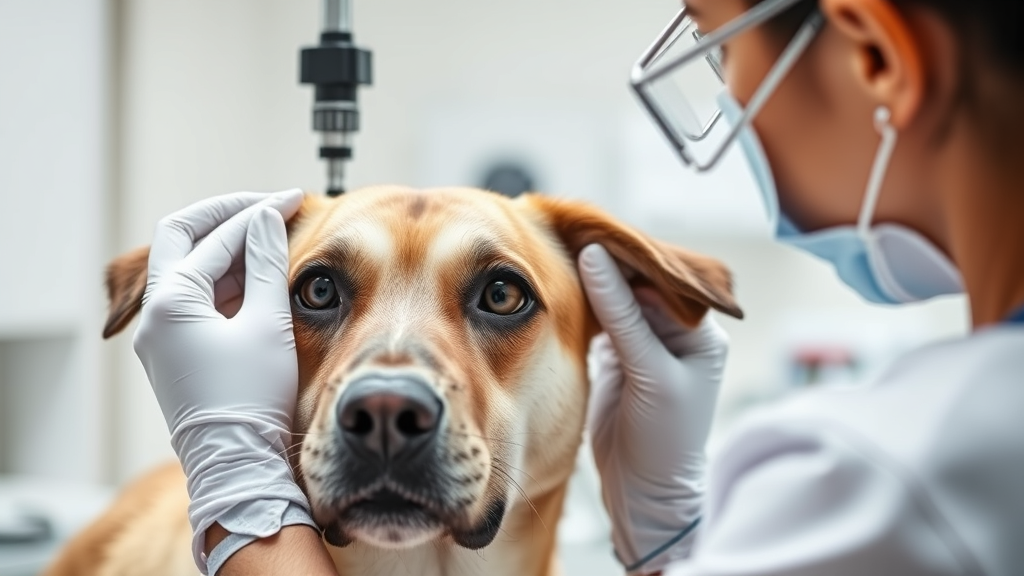
Certain symptoms warrant immediate veterinary attention. Severe pain, indicated by excessive pawing, whimpering, or reluctance to open the eye, requires prompt care. Sudden vision changes, cloudy eyes, or pupils of different sizes are emergency situations that shouldn’t be delayed.
Persistent symptoms lasting more than 24-48 hours, even if mild, should be evaluated by a professional. Green or yellow discharge, blood in the eye, or significant swelling around the eye area indicates infection or serious injury. If red eyes accompany other symptoms like why is my dog coughing or respiratory issues, systemic illness might be present.
Dogs with recurring eye problems need professional evaluation to identify underlying causes. Chronic conditions require ongoing management and monitoring to prevent complications. Regular veterinary check-ups help catch eye problems early, when they’re most treatable.
Professional Treatment Options
Veterinary treatment depends on the underlying cause of the red eyes. For bacterial infections, antibiotic eye drops or ointments are commonly prescribed. Allergic reactions may be treated with antihistamines or anti-inflammatory medications. Proper diagnosis through examination and possibly testing ensures appropriate treatment.
For more serious conditions like glaucoma or uveitis, specialized medications to reduce eye pressure or inflammation may be necessary. Some conditions require surgical intervention, particularly if there are structural problems or foreign objects present. Early treatment prevents complications and preserves vision.
Chronic conditions like dry eye syndrome require long-term management with artificial tears or medications that stimulate tear production. Regular monitoring ensures treatment effectiveness and allows for adjustments as needed. The American Veterinary Medical Association provides comprehensive guidelines for eye care in dogs.
Long-term Prevention Strategies
Preventing red eyes involves maintaining good overall health and minimizing exposure to irritants. Regular grooming, including keeping facial hair trimmed and clean, reduces the risk of irritation. Proper nutrition supports immune function and overall eye health, with omega-3 fatty acids being particularly beneficial for eye health.
Environmental management plays a crucial role in prevention. Using air purifiers, maintaining proper humidity levels, and avoiding harsh chemicals around your dog helps create an eye-friendly environment. During outdoor activities, be aware of environmental conditions that might cause eye irritation.
Regular veterinary check-ups allow for early detection of eye problems. Just as you monitor for other health issues like can dogs get colds, being attentive to eye health changes helps catch problems early. Some conditions, similar to how to treat dog ear infection without vet, may have home management options, but eye problems typically require professional evaluation.
Breed-specific considerations are important, as some breeds are more prone to eye problems. Brachycephalic breeds (flat-faced dogs) are particularly susceptible to eye injuries and dry eye. Understanding your dog’s breed predispositions helps in implementing appropriate preventive measures. The American Kennel Club provides detailed information about breed-specific eye health concerns.
Frequently Asked Questions
Can I use human eye drops for my dog’s red eyes?
No, you should never use human eye drops on your dog without veterinary approval. Many human eye medications contain ingredients that can be toxic to dogs or may worsen the condition. Always consult with a veterinarian before using any eye medications on your pet.
How long does it take for red eyes to clear up in dogs?
The healing time depends on the underlying cause. Minor irritations may resolve within 24-48 hours with proper care, while bacterial infections typically improve within 3-7 days of appropriate antibiotic treatment. Chronic conditions may require ongoing management. If symptoms persist beyond 48 hours, veterinary evaluation is recommended.
Are certain dog breeds more prone to red eyes?
Yes, some breeds are more susceptible to eye problems. Brachycephalic breeds (bulldogs, pugs, Boston terriers) are prone to eye injuries and dry eye due to their prominent eyes and shallow eye sockets. Breeds with long facial hair may experience more irritation from hair getting in their eyes. According to the PetMD, certain genetic conditions also predispose specific breeds to eye problems.
Can allergies cause red eyes in dogs?
Absolutely. Environmental allergies to pollen, dust, mold, or other allergens commonly cause red, watery eyes in dogs. Food allergies can also contribute to eye irritation. Seasonal patterns often help identify allergic causes, with spring and fall being particularly problematic for many dogs.
Is it safe to clean my dog’s red eyes at home?
Gentle cleaning with sterile saline solution is generally safe for minor irritations. Use clean, soft materials and work from the inner corner outward. However, avoid using tissues or rough materials that might further irritate the eye. If there’s significant discharge, pain, or the condition worsens, seek veterinary care immediately.
When should red eyes in dogs be considered an emergency?
Red eyes become an emergency when accompanied by severe pain (excessive pawing, whimpering), sudden vision changes, pupils of different sizes, blood in the eye, or significant trauma. According to the ASPCA, any sudden change in eye appearance or behavior warrants immediate veterinary attention.
Can red eyes be a sign of a serious disease?
Yes, red eyes can indicate serious conditions such as glaucoma, uveitis, or systemic diseases. While many cases are due to minor irritations or allergies, persistent or severe symptoms may signal more serious underlying conditions. The Merck Veterinary Manual provides comprehensive information about various eye disorders that can cause redness and require professional treatment.





