
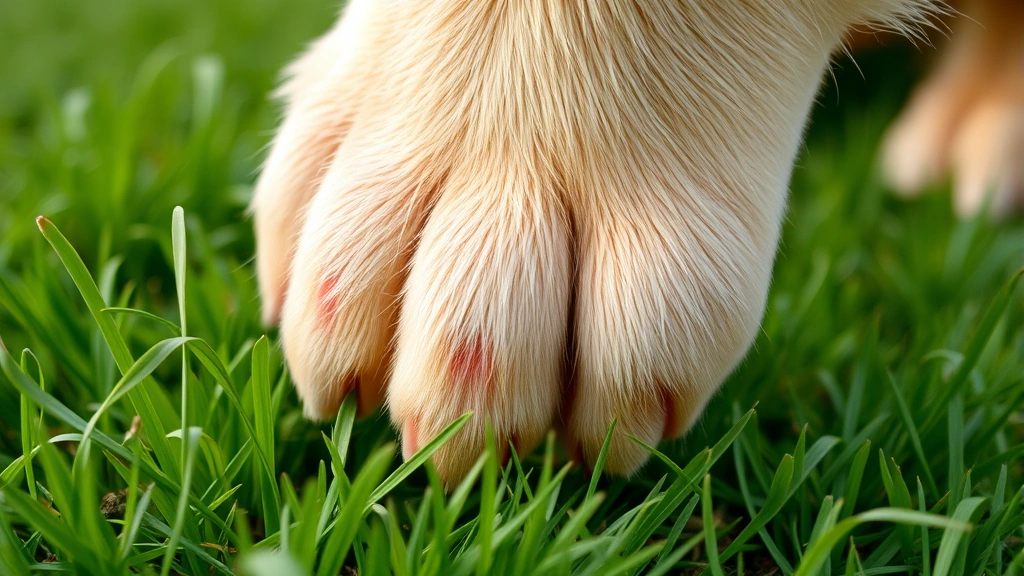
Why Are My Dog’s Paws Red? Causes and Solutions
If you’ve noticed your furry friend’s paws looking a bit rosier than usual, you’re not alone. Red paws in dogs are a surprisingly common concern that many pet owners encounter, and it can range from a minor cosmetic issue to a sign of something more serious requiring veterinary attention. The discoloration might be accompanied by other symptoms like excessive licking, swelling, or an unpleasant odor, all of which can indicate different underlying problems.
Understanding why your dog’s paws are red is the first step toward finding an effective solution. The causes can vary widely—from simple environmental factors like lawn stains to more complex health issues such as allergies, infections, or inflammatory conditions. Some causes are easily preventable, while others may require professional medical intervention.
In this comprehensive guide, we’ll explore the most common reasons behind red paws, help you identify which issue your dog might be experiencing, and provide you with practical solutions to get those paws back to their healthy, happy state.
Allergies and Allergic Reactions
One of the most common culprits behind red paws is allergies. Dogs can develop allergies to food, environmental factors, or contact irritants, and these often manifest first in the paws and between the toe pads. When a dog is allergic to something, their immune system overreacts, causing inflammation and that telltale redness.
Food allergies are particularly common and can develop at any point in your dog’s life. Common allergens include chicken, beef, wheat, and soy. If your dog has a food allergy, you might notice red paws year-round, whereas environmental allergies like pollen or dust mites typically follow seasonal patterns. The itching and inflammation can be intense, leading to your dog licking their paws excessively, which can make the situation worse.
Environmental allergies are triggered by airborne particles and can cause similar symptoms. Your dog might develop red, inflamed paws during spring when pollen counts are high, or year-round if they’re allergic to dust mites or mold. If you suspect allergies are the cause, there are several treatment options for dog allergies that your veterinarian can recommend, ranging from dietary changes to antihistamines or prescription medications.
The key to managing allergies is identifying the specific trigger. This might involve an elimination diet for food allergies or allergy testing for environmental triggers. Your vet can perform intradermal skin tests or blood tests to pinpoint exactly what your dog is allergic to.
Infections: Bacterial and Yeast
Red paws can also indicate a bacterial or yeast infection, which are surprisingly common in dogs. These infections often develop in the warm, moist environment between the toes, creating the perfect conditions for microorganisms to thrive. Yeast infections, caused by Malassezia species, are particularly prevalent and can cause intense itching and a distinctive musty odor.
Bacterial infections may result from your dog’s skin being compromised by excessive licking or scratching. When the natural skin barrier is damaged, bacteria can enter and cause secondary infections. You might notice the paws not only appearing red but also feeling warm to the touch, possibly with discharge or crusting.
Yeast infections are often associated with allergies or other underlying conditions that compromise the immune system. A dog with chronic yeast infections may have recurring episodes, and treating just the yeast without addressing the root cause won’t provide long-term relief. Your veterinarian can take a sample of the affected area to confirm whether bacteria or yeast is responsible and prescribe appropriate treatment.
Treatment typically involves topical antifungal or antibacterial medications, though systemic medications may be necessary for severe infections. The good news is that these infections respond well to proper treatment, though prevention is important to avoid recurrence.
Environmental Factors and Lawn Stains
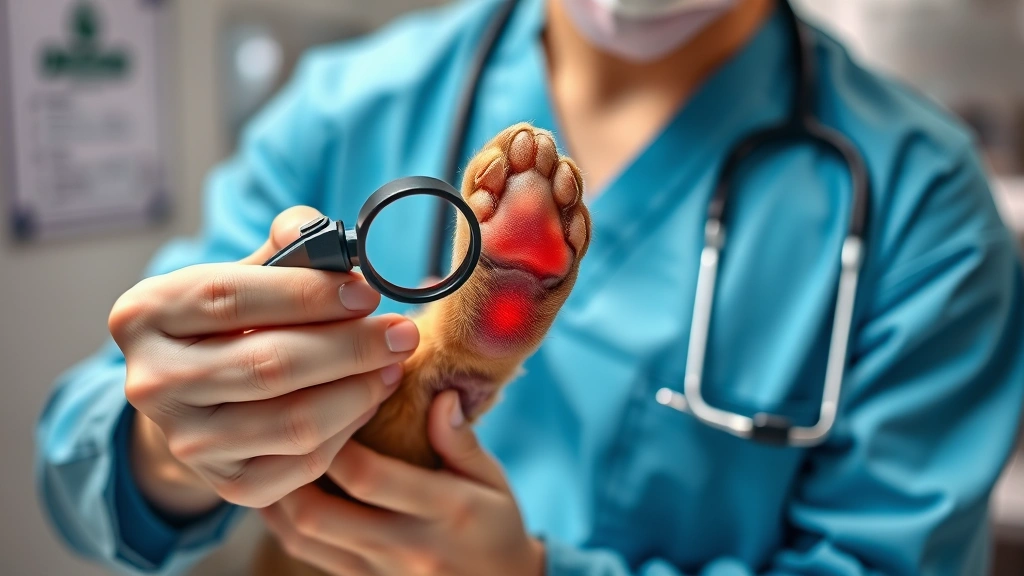
Sometimes, red paws aren’t actually a health issue at all—they’re just discoloration from environmental exposure. If you notice your dog’s paws are red or orange-tinted, particularly on the white parts of their feet, this could simply be staining from lawn chemicals, rust in soil, or natural compounds in grass and dirt.
This type of staining is especially common in dogs that spend a lot of time outdoors, particularly those with light-colored paws. While it’s not harmful, many pet owners find it unsightly. The discoloration typically appears as a reddish or rust-colored tint and is purely cosmetic. You’ll notice it’s different from the inflammation associated with actual infections or allergies because there won’t be accompanying symptoms like excessive licking, swelling, or odor.
To prevent environmental staining, you can rinse your dog’s paws after outdoor playtime, particularly after they’ve been in the grass. Some owners keep a towel or paw-washing station near the door for quick cleanups. If your lawn has been treated with pesticides or herbicides, ensure you’re using dog-safe products and that your dog stays off treated areas until they’re completely dry.
If you suspect your dog’s red paws are from environmental factors rather than a health concern, a simple wash with warm water should reveal the true color underneath. However, if the redness persists after cleaning or is accompanied by other symptoms, it’s worth investigating further.
Excessive Paw Licking and Chewing
The behavior of dogs chewing their paws can both be a cause and a consequence of red paws. While excessive licking and chewing often result from an underlying issue like allergies or infections, the behavior itself can cause or worsen redness and inflammation.
When a dog constantly licks their paws, the moisture and friction can lead to irritation, raw skin, and secondary infections. The saliva can actually encourage yeast growth, creating a vicious cycle where the more they lick, the worse the problem becomes. Some dogs develop a behavioral component to paw licking, where it becomes a self-soothing habit even after the original trigger is gone.
If your dog is excessively licking their paws, it’s important to address both the behavior and the underlying cause. There are several home remedies to stop dogs from licking their paws that can provide relief while you’re working with your vet to identify the root cause. Bitter sprays, protective booties, and distraction techniques can all help interrupt the licking cycle.
Your veterinarian might recommend an Elizabethan collar (cone) temporarily to prevent further damage while treating the underlying condition. Breaking the licking cycle is crucial because the longer a dog licks their paws, the more damage occurs and the harder it becomes to heal.
Contact Dermatitis
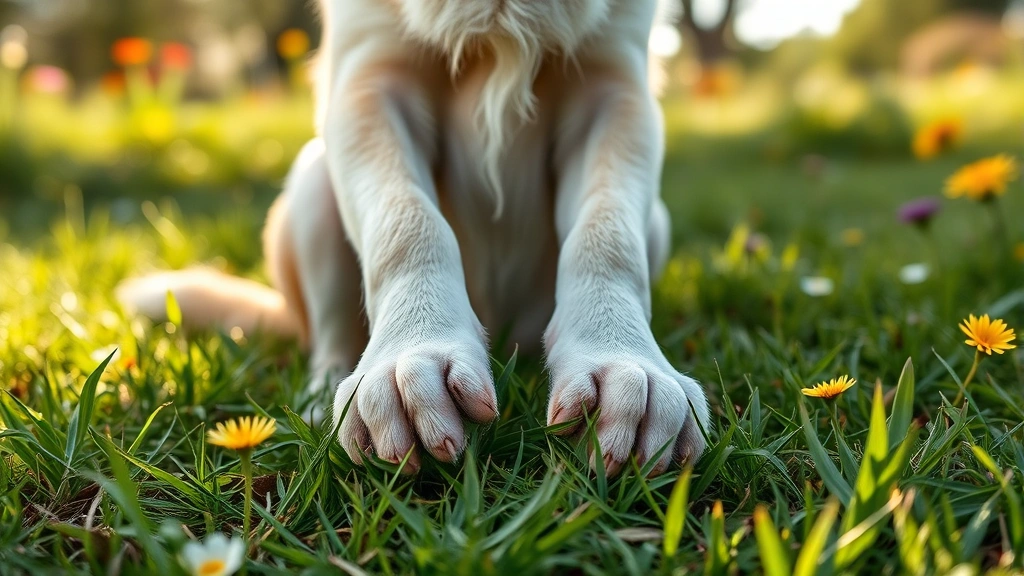
Contact dermatitis occurs when your dog’s skin reacts to something they’ve touched. Unlike systemic allergies, contact dermatitis is localized to the area that made contact with the irritant. Since dogs walk on their paws, they’re particularly susceptible to contact dermatitis on their feet.
Common culprits include cleaning products used on floors, certain types of grass or plants, road salt during winter months, or even the material of their bedding or toys. If your dog develops red paws specifically after walking through a certain area or after you’ve cleaned your floors, contact dermatitis might be the issue.
The reaction is typically confined to the paws and between the toes, though it can spread if your dog licks the affected area excessively. Symptoms usually appear within hours of exposure and can range from mild redness to significant swelling and blistering in severe cases.
Managing contact dermatitis involves identifying and eliminating the irritant, then allowing the skin to heal. Washing your dog’s paws after outdoor time can help remove potential irritants. If you use cleaning products at home, consider switching to pet-safe alternatives or ensuring your dog stays away from treated areas until they’re dry.
Inflammation and Hot Spots
Red paws can sometimes be part of a larger inflammatory response in your dog’s skin. Hot spots on dogs are areas of acute skin inflammation that can develop rapidly and become quite severe. While hot spots most commonly appear on the hips, shoulders, or back, they can occur on the paws as well.
Hot spots often develop as a result of your dog’s excessive licking or chewing in response to an initial irritation. The constant trauma to the skin causes it to become inflamed, red, and potentially infected. These lesions can become quite painful and may ooze or develop a crust.
The underlying cause of paw-related inflammation might be allergies, parasites, or even just irritation from walking on rough surfaces. Once inflammation develops, it needs prompt attention to prevent it from worsening. Your veterinarian can prescribe medications to reduce inflammation and address any secondary infections.
Prevention is key with inflammatory conditions. Keeping your dog’s nails trimmed, maintaining good paw hygiene, and addressing any underlying allergies or skin conditions can help prevent inflammation from developing in the first place.
Prevention and Care Tips
Preventing red paws starts with understanding your individual dog and their specific risk factors. Here are some practical steps you can take to keep your dog’s paws healthy:
- Regular paw inspections: Make checking your dog’s paws part of your regular grooming routine. Look for redness, swelling, discharge, or any changes in appearance.
- Keep paws clean and dry: Wash your dog’s paws after outdoor playtime, especially if they’ve been in grass, dirt, or potentially contaminated areas. Dry them thoroughly, particularly between the toes where moisture can encourage infections.
- Trim nails regularly: Long nails can cause discomfort and alter your dog’s gait, potentially leading to paw irritation. Regular trims help prevent this.
- Maintain a healthy diet: A high-quality diet supports skin health from the inside out. If you suspect food allergies, work with your vet on an elimination diet.
- Use pet-safe products: Ensure any cleaning products or yard treatments you use are safe for pets. Rinse floors thoroughly after cleaning.
- Provide appropriate exercise: Regular exercise keeps your dog healthy and can help reduce stress-related behaviors like excessive licking.
- Monitor for parasites: Keep your dog on appropriate flea and tick prevention, as parasites can cause paw irritation and secondary infections.
Additionally, maintaining good overall hygiene practices contributes to your dog’s skin health. A dog with clean ears and proper grooming is less likely to develop skin and paw issues.
When to See Your Veterinarian
While some cases of red paws can be managed at home, there are definitely situations where professional veterinary care is necessary. You should contact your veterinarian if:
- The redness persists for more than a few days or worsens despite home care efforts
- Your dog shows signs of pain, such as limping or reluctance to put weight on the affected paw
- There’s swelling, discharge, or an unpleasant odor
- Your dog is excessively licking or chewing at their paws to the point of causing damage
- Multiple paws are affected or the condition is spreading
- Your dog has other symptoms like lethargy, loss of appetite, or fever
- The problem keeps recurring despite treatment attempts
Your veterinarian can perform a thorough examination, potentially including skin scrapings or cultures to identify bacteria or yeast. They can also perform allergy testing if needed and recommend the most appropriate treatment plan for your dog’s specific situation.
Don’t hesitate to seek professional help if you’re unsure about the cause of your dog’s red paws. Early intervention often leads to faster recovery and prevents complications from developing.
Frequently Asked Questions
What does a yeast infection look like on dog paws?
A yeast infection on dog paws typically appears as red, inflamed skin, often with a distinctive musty or corn chip-like odor. The paws may feel warm to the touch, and you might notice the skin is moist or has a macerated appearance. The redness is usually concentrated between the toes and on the underside of the paw. Some dogs develop brownish discoloration on white fur due to the yeast pigment. The itching is usually intense, leading to excessive licking and chewing.
Can I treat red paws at home?
Minor cases of red paws from environmental staining or mild irritation can sometimes be managed at home with careful cleaning and monitoring. However, most cases involving actual inflammation, infection, or allergies require veterinary attention for proper diagnosis and treatment. Home remedies might provide temporary relief but won’t address the underlying cause. If you’re unsure about the severity, it’s best to have your vet evaluate your dog’s paws.
How long does it take for red paws to heal?
The healing timeline depends entirely on the underlying cause and severity. Environmental staining disappears immediately with cleaning. Mild contact dermatitis might resolve in a few days once the irritant is removed. Infections typically require 1-2 weeks of treatment, though severe cases may take longer. Allergic reactions may require ongoing management. Your veterinarian can give you a more specific timeline based on their diagnosis.
Are red paws contagious?
It depends on the cause. Fungal infections like yeast can potentially spread to other pets or even to humans in rare cases, though transmission is relatively uncommon. Bacterial infections are generally not contagious between pets. Allergies and contact dermatitis are not contagious. If your dog has an infection, it’s good practice to maintain good hygiene and monitor other pets for symptoms, but isolation is usually not necessary.
Why do some dogs have naturally red paws?
Some dogs naturally have more pigmentation in their paw pads, which can appear reddish or darker. This is completely normal and not a health concern. Additionally, some light-colored dogs may have paws that appear more pink or reddish than others due to the lighter fur and visible blood vessels beneath the skin. As long as there’s no accompanying inflammation, swelling, or behavioral changes like excessive licking, naturally red paws are nothing to worry about.
Can diet affect paw redness?
Yes, absolutely. If your dog has food allergies, switching to a limited ingredient diet or novel protein diet can significantly improve paw redness and other allergy symptoms. Additionally, a diet rich in omega-3 and omega-6 fatty acids supports skin health and can help reduce inflammation. Poor nutrition can compromise your dog’s immune system and make them more susceptible to infections. Discussing your dog’s diet with your veterinarian, especially if they have recurring paw issues, is a good idea.





