
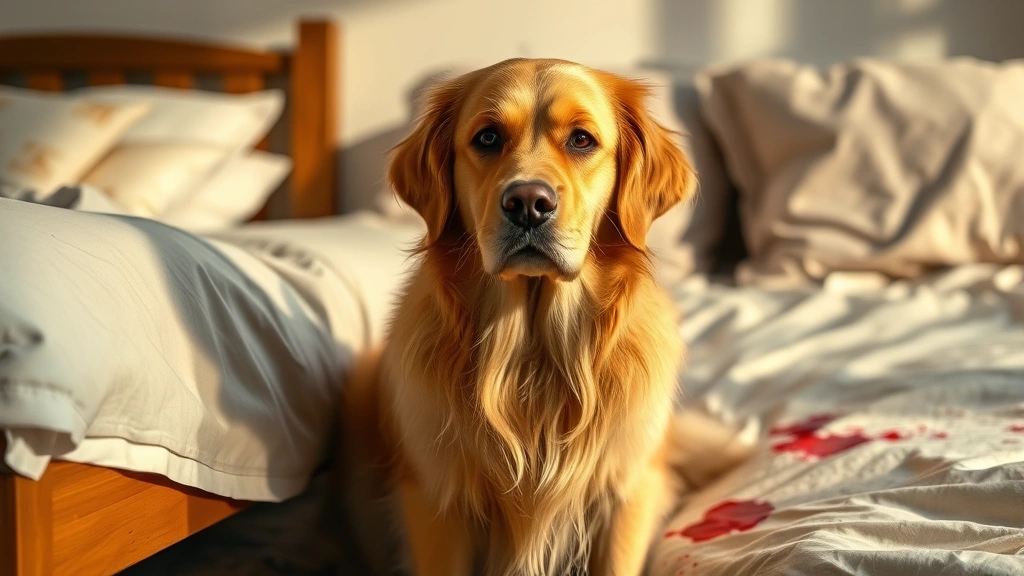
Why Did My Dog Pee on My Bed? Possible Reasons and Solutions
Discovering that your beloved dog has had an accident on your bed can be frustrating and confusing, especially if your pup is typically housetrained. This common issue leaves many dog owners wondering what went wrong and how to prevent it from happening again. The truth is, there are numerous reasons why your dog might engage in this behavior, ranging from medical issues to behavioral concerns.
Understanding the root cause is essential for addressing the problem effectively. Rather than assuming your dog is being spiteful or stubborn, it’s important to recognize that bed-wetting in dogs is often a sign that something needs attention—whether that’s a health concern, a change in their environment, or a need for additional training reinforcement.
In this comprehensive guide, we’ll explore the various reasons your dog might be peeing on your bed, help you identify which factors might apply to your situation, and provide practical solutions to resolve this frustrating behavior once and for all.
Medical Reasons Your Dog Is Peeing on Your Bed
One of the most important first steps when addressing bed-wetting is ruling out underlying medical conditions. Many dogs who suddenly start urinating inappropriately are actually experiencing health issues that require veterinary attention. Before assuming behavioral problems, schedule an appointment with your veterinarian to conduct a thorough examination and potentially run diagnostic tests.
Urinary Tract Infections (UTIs) are among the most common medical causes of inappropriate urination. Dogs with UTIs experience discomfort and urgency when urinating, which can lead them to have accidents in unexpected places, including your bed. According to the ASPCA, UTIs are particularly common in female dogs, and symptoms include frequent urination, straining, and blood in the urine.
Incontinence is another medical concern that shouldn’t be overlooked. This condition, which is more common in older dogs and spayed females, involves involuntary urine leakage. Dogs with incontinence may not even realize they’re urinating, making bed accidents particularly frustrating for owners. Understanding how long your dog can hold their bladder can help you determine if incontinence might be the issue.
Diabetes and Other Metabolic Disorders can also cause excessive urination. If your dog is drinking more water than usual and urinating more frequently, diabetes could be the culprit. This condition requires professional diagnosis and management through medication and dietary adjustments.
Kidney Disease and other organ dysfunction can impair your dog’s ability to regulate urine production. Senior dogs are particularly susceptible to these conditions, and bed-wetting may be one of the first signs that something is amiss internally.
Behavioral and Emotional Causes
Beyond medical issues, behavioral factors often play a significant role in why dogs pee on beds. Understanding your dog’s emotional state and behavioral patterns is crucial for addressing this problem effectively.
Anxiety and Stress are powerful drivers of inappropriate urination. Dogs experiencing anxiety—whether from separation anxiety, loud noises, or general stress—may resort to urinating on their owner’s bed as a way to cope with their emotions. The scent of their owner on the bed provides comfort, making it a target for stress-related accidents. If you suspect your dog is acting weird due to anxiety, this could be contributing to bed-wetting.
Submissive or Excitement Urination occurs when dogs are overstimulated or nervous. Some dogs, particularly puppies and anxious breeds, may urinate when greeting their owners enthusiastically or when feeling intimidated. This involuntary response is different from intentional marking and requires patience and positive reinforcement to overcome.
Attention-Seeking Behavior can also lead to bed-wetting in some cases. If your dog has learned that urinating on your bed results in attention—even negative attention—they may repeat the behavior. Dogs don’t distinguish between positive and negative attention the way humans do; any reaction can reinforce the behavior.
Lack of Proper House Training is particularly relevant for puppies and recently adopted dogs. If your dog never received consistent house-training or if that training has lapsed, bed accidents may occur more frequently. Reinforcing methods to stop your dog from peeing in the house can help reestablish appropriate bathroom habits.
Age-Related Factors
Your dog’s age plays a significant role in their ability to control urination. Different life stages present unique challenges when it comes to bladder control and appropriate bathroom behavior.
Puppies lack the neurological development necessary for complete bladder control. Young puppies, typically under 12 weeks old, simply cannot hold their urine for extended periods. Bed accidents in puppies are normal and expected as part of the house-training process. Patience and consistent training are essential during this developmental phase.
Senior Dogs often experience declining bladder control as they age. The muscles supporting the bladder weaken, and conditions like incontinence become more prevalent. If your older dog is suddenly having accidents on your bed, it’s worth discussing with your veterinarian whether age-related incontinence might be responsible. Many senior dogs benefit from more frequent bathroom breaks and possibly medication to support bladder function.
Dogs in Their Prime Years (roughly 2-7 years old) should have excellent bladder control if properly trained. If a dog in this age range suddenly develops bed-wetting habits, it’s often a sign that something has changed—either medically or behaviorally—that warrants investigation.
Environmental Changes and Stress
Dogs are creatures of habit, and significant changes in their environment can trigger inappropriate urination. Being attuned to what’s happening in your dog’s life can help you identify and address the root cause of bed accidents.
Moving to a New Home is a major stressor for dogs. The unfamiliar environment, new scents, and disrupted routine can lead to anxiety-related accidents. During this transition period, be extra patient with your dog and maintain consistent bathroom schedules to help them adjust.
Changes in Family Dynamics, such as a new baby, a new pet, or a family member moving out, can upset your dog’s sense of security. Some dogs respond to these changes by marking their owner’s bed with urine, essentially claiming it as a safe space or expressing their distress about the disruption.
Disrupted Routines can confuse dogs about when and where they should eliminate. If your schedule has changed—perhaps you’re working longer hours or have altered your dog’s typical bathroom schedule—this inconsistency can lead to accidents. Dogs thrive on predictability, and maintaining regular potty breaks is essential for preventing bed-wetting.
Loud Noises and Storms frighten many dogs, causing stress-related urination. Thunderstorms, fireworks, and other loud noises can trigger accidents as your dog seeks comfort and security, often on your bed where your scent is strongest.
Marking Territory vs. Accidents
It’s important to distinguish between true accidents and territorial marking, as these behaviors require different approaches to resolve.
Territorial Marking typically involves small amounts of urine sprayed on vertical surfaces, though it can occur on beds. Male dogs are more prone to marking than females, and unneutered males are particularly likely to engage in this behavior. Marking is a way for dogs to communicate their presence and establish ownership of their space. Learning more about why dogs pee on beds can help you understand whether your dog is marking or having genuine accidents.
True Accidents typically involve larger volumes of urine and occur when your dog is sleeping or resting. These accidents suggest a loss of bladder control rather than intentional marking and are more likely to have medical or age-related causes.
Distinguishing Factors include the amount of urine, the location (vertical vs. horizontal surfaces), and whether your dog seems aware of the accident. Marking behavior is intentional, while true accidents often catch dogs by surprise.
Practical Solutions and Prevention
Once you’ve identified or ruled out potential causes, it’s time to implement solutions. A multi-faceted approach often works best for addressing bed-wetting issues.
Veterinary Evaluation should always be your first step. A thorough physical examination and appropriate diagnostic testing can rule out medical conditions. Your veterinarian can also provide specific recommendations based on your dog’s age, health status, and symptoms. Checking if your dog has a fever or other symptoms can help you prepare for the vet appointment.
Establish Consistent Bathroom Schedules by taking your dog out first thing in the morning, before bedtime, and at regular intervals throughout the day. Most adult dogs need at least three to four bathroom breaks daily. For dogs prone to bed-wetting, additional evening and nighttime breaks may be necessary.
Limit Bed Access temporarily while you work on resolving the issue. Keep your dog off the bed until the behavior stops, or use waterproof mattress protectors to manage accidents. Learning how to get dog pee out of your mattress can help you address any accidents that do occur.
Reinforce House-Training through consistent positive reinforcement. Praise and reward your dog enthusiastically when they urinate in appropriate outdoor locations. This positive association encourages them to repeat the behavior in the correct place.
Manage Stress and Anxiety by creating a calm environment and providing appropriate outlets for your dog’s energy. Regular exercise, mental stimulation, and relaxation techniques can help reduce anxiety-related accidents. Consider consulting with a certified professional dog trainer if anxiety is severe.
Clean Soiled Areas Thoroughly using enzymatic cleaners that break down urine compounds. Dogs are more likely to re-mark areas where they can smell their previous urine, so thorough cleaning is essential. Regular household cleaners won’t eliminate the scent; you need specialized enzymatic products.
Consider Medication if incontinence or other medical conditions are diagnosed. Your veterinarian may recommend medications to help control urination or manage underlying health issues.
Crate Training can be effective for preventing accidents when you can’t supervise your dog. Dogs naturally avoid soiling their sleeping area, so appropriate crate training can help reinforce good bathroom habits. However, crates should never be used as punishment and should be comfortable and appropriately sized.
Frequently Asked Questions
How can I tell if my dog’s bed-wetting is medical or behavioral?
Medical causes typically involve involuntary accidents, often while your dog is sleeping or resting, and may be accompanied by other symptoms like increased thirst or frequent urination. Behavioral issues are often connected to specific triggers like stress or lack of training. A veterinary examination is the best way to determine the underlying cause. Your vet can perform urinalysis, blood work, and physical exams to rule out medical conditions.
Should I punish my dog for peeing on the bed?
No, punishment is counterproductive and can worsen the problem by increasing stress and anxiety. Dogs don’t understand punishment after the fact, and even catching them in the act may not be effective. Instead, focus on identifying the cause and implementing positive solutions. Positive reinforcement for appropriate bathroom behavior is far more effective than punishment.
How long does it take to stop a dog from peeing on the bed?
The timeline depends on the underlying cause. Medical issues may resolve quickly once treated. Behavioral problems typically require several weeks to several months of consistent training and management. Puppies may take several months to develop reliable bladder control. Senior dogs with incontinence may require long-term management strategies. Patience and consistency are key.
Can spaying or neutering affect my dog’s urination habits?
Yes, spayed females in particular can develop incontinence, though this typically occurs years after the procedure. Hormonal changes affect bladder control in some dogs. If incontinence develops after spaying, your veterinarian can recommend appropriate management, which may include medication.
What if my dog only pees on my bed and nowhere else?
This often suggests a behavioral or emotional connection to your bed specifically. Your dog may be seeking comfort, expressing anxiety about separation, or marking territory. The bed smells like you, which may make it particularly attractive to a dog experiencing stress or seeking security. Addressing the underlying emotional issue while limiting bed access is typically the best approach.
Is bed-wetting ever a sign of abuse or trauma?
Yes, dogs that have experienced abuse or significant trauma may develop anxiety-related urination issues, including bed-wetting. If you’ve recently adopted a dog with a difficult history, bed accidents may be part of their adjustment process. Patience, a consistent routine, and potentially professional behavioral training can help these dogs overcome their trauma responses.





