
So you just discovered why did my dog poop blood, and now you’re spiraling into full panic mode. Take a breath—you’re not alone, and while it’s definitely concerning, it’s not always a five-alarm emergency. Bloody stools in dogs can range from minor dietary hiccups to something that genuinely needs veterinary attention. Let’s dig into what might be happening with your furry friend and when you should absolutely call the vet.
Table of Contents
- What Does Bloody Dog Poop Actually Look Like?
- Cause #1: Dietary Indiscretion & Food Sensitivities
- Cause #2: Intestinal Parasites & Worms
- Cause #3: Colitis & Inflammatory Bowel Issues
- Cause #4: Anal Gland Problems & Rectal Issues
- Cause #5: Serious Medical Conditions Requiring Immediate Attention
- When Should You Call the Vet?
- Diagnosis: What Your Vet Will Do
- Treatment Options Based on the Cause
- Prevention: Stop Bloody Stools Before They Happen
- Home Care & Management While Waiting for the Vet
- Understanding Mucus in Dog Poop Alongside Blood
- Frequently Asked Questions
- The Bottom Line: Get Your Dog Checked Out
What Does Bloody Dog Poop Actually Look Like?
Before we dive deeper, let’s clarify what we’re actually talking about. Bloody dog stool can present in different ways, and the appearance matters. You might see bright red blood mixed into the stool (called hematochezia), which usually indicates bleeding in the lower digestive tract like the colon or rectum. Alternatively, you might notice dark, tarry stools (called melena), which suggests bleeding higher up in the digestive system. Some dogs produce stools that look almost normal but have streaks of blood on the surface. Others might have mucus in dog poop along with the blood, which is another red flag worth noting.
Cause #1: Dietary Indiscretion & Food Sensitivities
The most common culprit? Your dog ate something they shouldn’t have. Dogs are basically furry garbage disposals with zero impulse control. That chicken bone from last week’s barbecue, the spicy human food, or even a sudden switch to new dog food can trigger bloody stools. Food sensitivities and allergies are particularly sneaky—your dog might be reacting to a specific protein or ingredient that’s causing intestinal inflammation. If you recently changed brands or introduced new treats, this is likely your answer. Most dietary-related bloody stools resolve within 24-48 hours once you remove the offending item and feed bland food like boiled chicken and rice.
Cause #2: Intestinal Parasites & Worms
Parasites are basically tiny vampires living in your dog’s gut, and they love causing bloody stools. Hookworms, whipworms, and roundworms are the usual suspects, especially in puppies or dogs who spend time outdoors. These parasites attach to the intestinal lining and cause bleeding. If your dog has bloody diarrhea, is lethargic, or seems to be losing weight despite eating normally, parasites might be the villain in this story. The good news? Your vet can diagnose parasites with a simple stool sample and treat them with deworming medication. Regular parasite prevention is your best defense here.
Cause #3: Colitis & Inflammatory Bowel Issues
Colitis is inflammation of the colon, and it’s surprisingly common in dogs. It causes bloody, mucus-filled stools and urgent bathroom trips. Your dog might strain to poop or go multiple times throughout the day. Inflammatory bowel disease (IBD) is similar but more chronic. These conditions can be triggered by stress, dietary changes, or underlying immune issues. A lethargic dog with persistent bloody stools and diarrhea might be dealing with colitis. Your vet will likely recommend dietary modifications, and you might want to explore options like low protein dog food or prescription digestive diets to help manage inflammation.
Cause #4: Anal Gland Problems & Rectal Issues
Your dog’s anal glands are small sacs near the rectum that can become infected, impacted, or inflamed. When this happens, you might see bloody stools or blood on the outside of the poop. Dogs with anal gland issues often scoot their butts on the carpet (which is simultaneously gross and hilarious). They might also lick their rear end excessively or seem uncomfortable during bowel movements. While not always serious, impacted anal glands can become infected and require professional expression or antibiotics. If your dog is showing these signs, a vet visit is warranted.
Cause #5: Serious Medical Conditions Requiring Immediate Attention
Here’s where things get genuinely scary. Bloody stools can indicate more serious conditions like hemorrhagic gastroenteritis (HGE), intestinal ulcers, bleeding disorders, or even cancer. HGE causes sudden, severe bloody diarrhea and requires emergency veterinary care. Certain medications, toxins, or underlying health issues can also cause bloody stools. If your dog is showing signs of being a lethargic dog, vomiting, refusing food, or if the bloody stools are accompanied by other concerning symptoms, don’t wait—get to the vet immediately.
When Should You Call the Vet?
Let’s be real about the urgency levels. Call your vet for an appointment (not necessarily emergency) if: the bloody stools persist for more than 2-3 days, your dog seems otherwise fine but continues producing bloody poop, or if this is a recurring issue. Seek emergency veterinary care if: your dog is lethargic or acting sick, there’s a large amount of blood, your dog is vomiting or refusing food, or if they’re straining excessively. When in doubt, call your vet and describe the situation—they can help you determine urgency.
Diagnosis: What Your Vet Will Do
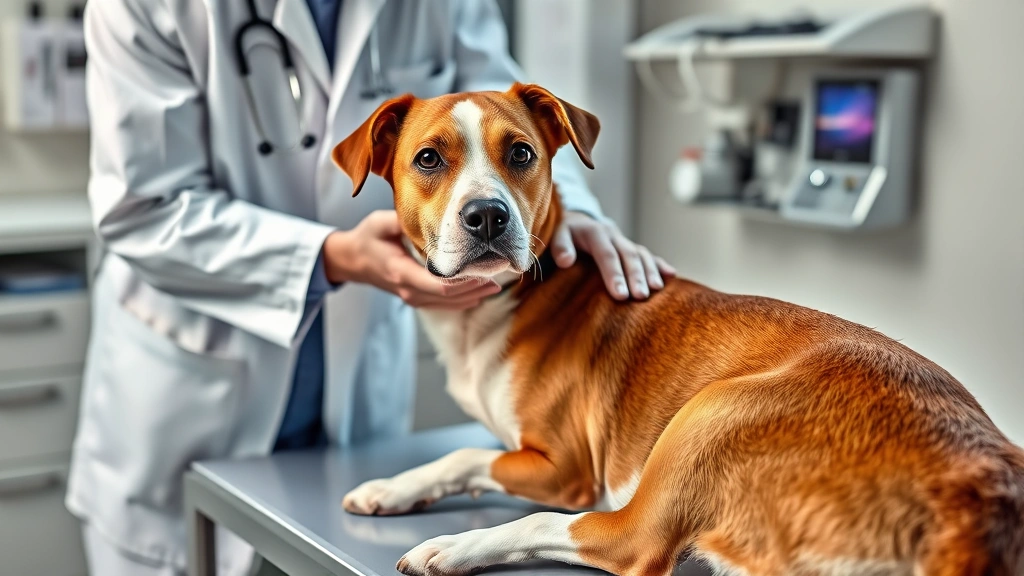
Your veterinarian will start with a thorough physical examination and ask detailed questions about your dog’s diet, recent changes, and other symptoms. They’ll likely request a stool sample to check for parasites and bacterial issues. Blood work might be necessary to assess overall health and check for clotting disorders. In some cases, your vet might recommend imaging or endoscopy to visualize the digestive tract. Don’t be alarmed by the testing—it’s just due diligence to rule out serious conditions and identify the actual cause.
Treatment Options Based on the Cause
Treatment obviously depends on the underlying cause. For dietary issues, switching to bland food and potentially exploring kidney diet for dogs or prescription diets might help. Parasites require deworming medication. Colitis often responds to dietary changes and sometimes anti-inflammatory medications. Anal gland issues might need manual expression or antibiotics. More serious conditions require specific medical interventions determined by your vet. The key is getting a proper diagnosis so you’re not just guessing at treatment.
Prevention: Stop Bloody Stools Before They Happen
Prevention is always better than treatment. Keep your dog on consistent, high-quality food and avoid sudden dietary changes. Maintain regular parasite prevention year-round—this is non-negotiable. Keep your dog away from garbage, toxic foods, and things they shouldn’t eat. Manage stress levels and maintain a healthy lifestyle. Regular vet checkups help catch issues early. If your dog has a history of digestive issues, work with your vet on a maintenance plan. And seriously, stop letting your dog raid the trash.
Home Care & Management While Waiting for the Vet
If your dog has mild bloody stools and you’re waiting for a vet appointment, you can help by feeding bland, easily digestible food like boiled chicken and white rice. Ensure they have access to fresh water to prevent dehydration. Monitor their behavior and note any changes to report to your vet. Avoid giving treats, table scraps, or anything unusual. If they seem uncomfortable or the situation worsens, don’t wait—go to the emergency vet. Keep a record of when the bloody stools started and any other symptoms you notice. This information is gold for your veterinarian.
Understanding Mucus in Dog Poop Alongside Blood
When you notice mucus in dog poop combined with blood, it typically indicates inflammation in the colon. This combination is common with colitis, parasites, or dietary sensitivities. The mucus is your dog’s body’s attempt to protect and lubricate the inflamed intestinal lining. This combination usually requires veterinary evaluation to determine the underlying cause and appropriate treatment plan.
Frequently Asked Questions
Is bloody dog poop always an emergency?
Not always, but it depends on the amount and your dog’s overall condition. A small amount of blood in otherwise normal stools might just be a minor issue, but large amounts of blood or bloody diarrhea accompanied by lethargy, vomiting, or other symptoms requires emergency care. When in doubt, contact your vet.
Can stress cause bloody stools in dogs?
Yes, stress can trigger colitis and cause bloody stools. Dogs are sensitive creatures, and major life changes, loud noises, or anxiety can upset their digestive system. If your dog recently experienced a stressful event, this might be the culprit.
How long does it take for bloody stools to resolve?
This depends entirely on the cause. Dietary issues might resolve in 24-48 hours. Parasites require deworming and might take several days to a week. Colitis might need ongoing management. Serious conditions might require extended treatment. Your vet can give you a better timeline once they’ve diagnosed the issue.
Should I change my dog’s food if they have bloody stools?
Not immediately—sudden food changes can actually make things worse. Consult your vet first. If dietary sensitivity is the cause, they’ll recommend a gradual transition to a new food or prescription diet. Abrupt changes can perpetuate the problem.
Can over-the-counter probiotics help with bloody stools?
Probiotics might help support digestive health, but they’re not a treatment for bloody stools. They could be a helpful addition to your dog’s care plan once you’ve identified and addressed the underlying cause, but don’t rely on them as a primary solution.
What’s the difference between bright red blood and dark blood in dog poop?
Bright red blood (hematochezia) usually indicates bleeding in the lower digestive tract like the colon or rectum. Dark, tarry stools (melena) suggest bleeding higher up in the stomach or small intestine. Both require veterinary evaluation, but they might indicate different issues.
The Bottom Line: Get Your Dog Checked Out
Finding bloody stools in your dog’s poop is genuinely unsettling, but remember that it’s not always catastrophic. Many cases resolve quickly with proper diagnosis and treatment. The key is not panicking, observing your dog carefully for other symptoms, and getting veterinary guidance. Your vet has seen this countless times and can quickly identify the cause and appropriate treatment. In the meantime, keep your dog comfortable, monitor their condition, and don’t delay seeking professional help if things seem serious. Your dog depends on you to be their advocate, and getting them checked out is exactly what a responsible pet parent does.





