
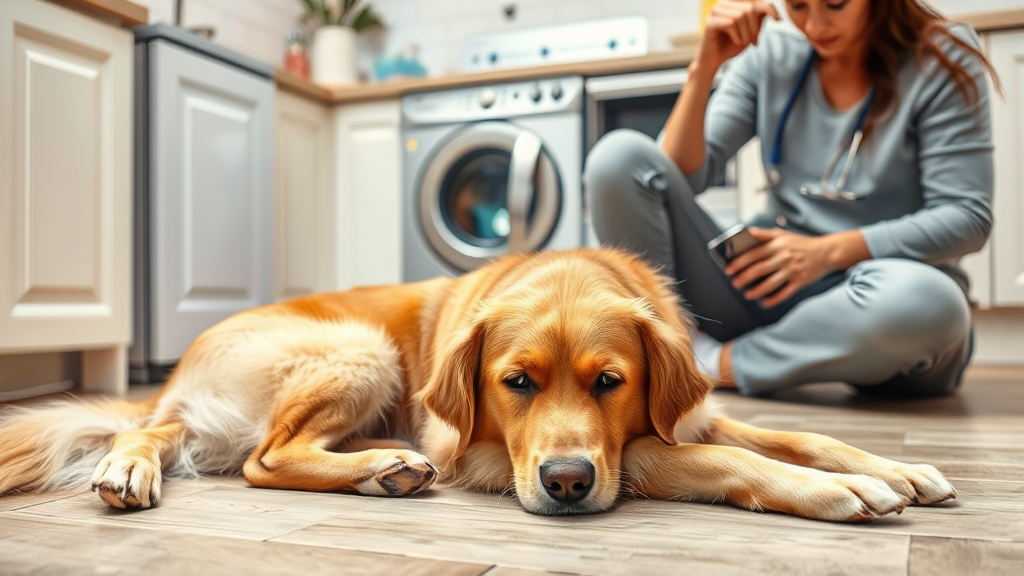
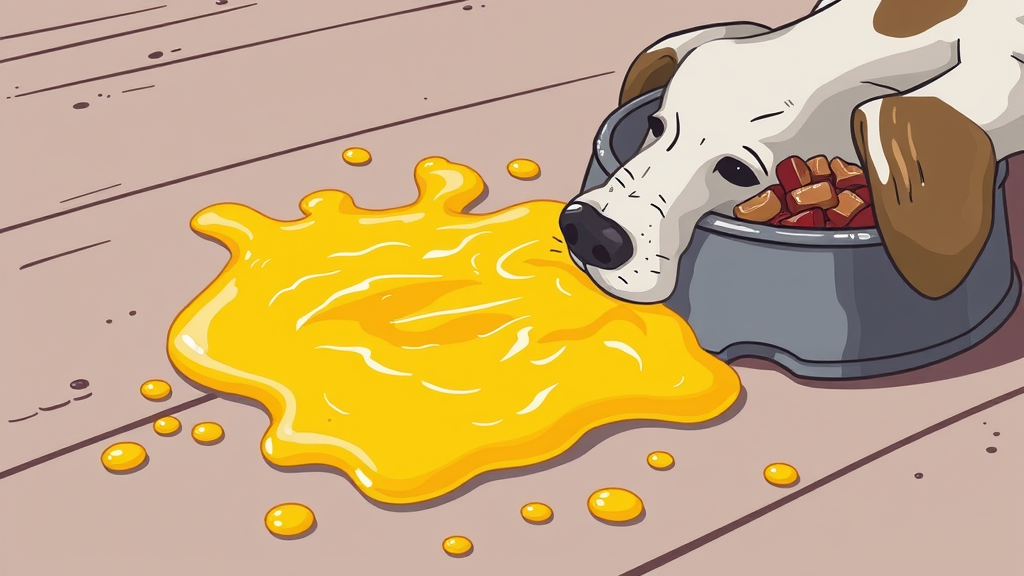
Watching your beloved canine companion vomit yellow bile can be distressing for any pet owner. This foamy, bitter-tasting fluid is actually a normal digestive secretion, but when it comes back up, it often signals an underlying issue that needs attention. Yellow bile vomit typically appears as a frothy, yellow or greenish liquid that may contain some foam or mucus.
Understanding the reasons behind your dog’s yellow bile vomiting is crucial for determining when to seek veterinary care and how to prevent future episodes. While occasional bile vomiting might not be cause for immediate alarm, persistent or frequent episodes warrant professional evaluation. This comprehensive guide will help you identify the causes, recognize warning signs, and take appropriate action to keep your furry friend healthy and comfortable.
What Is Yellow Bile and Why Dogs Vomit It
Yellow bile, also known as bilious vomiting, consists primarily of bile acids produced by the liver and stored in the gallbladder. This digestive fluid plays a crucial role in breaking down fats during the digestive process. When your dog hasn’t eaten for an extended period, bile accumulates in the stomach and small intestine, creating an acidic environment that can irritate the digestive tract.
The distinctive yellow or greenish color comes from bilirubin, a pigment created when red blood cells break down. Bile typically moves from the gallbladder into the small intestine to aid digestion, but when the stomach is empty, it can reflux backward, causing irritation and subsequent vomiting. According to the American Veterinary Medical Association, bile vomiting is one of the most common digestive issues veterinarians encounter in dogs.
Understanding why dogs throw up yellow requires recognizing that this process often occurs during early morning hours or between meals when the stomach has been empty for several hours. The foam-like appearance results from the bile mixing with gastric juices and air, creating the characteristic frothy texture that concerns many pet owners.
Common Causes of Yellow Bile Vomiting
Several factors can trigger yellow bile vomiting in dogs, ranging from benign dietary issues to more serious medical conditions. The most frequent cause is bilious vomiting syndrome, which occurs when dogs go too long between meals. This condition is particularly common in dogs that eat only once daily or have irregular feeding schedules.
Stress and anxiety can also contribute to bile vomiting, as emotional distress affects the digestive system’s normal functioning. Changes in routine, new environments, or separation anxiety may trigger episodes in sensitive dogs. Additionally, certain medications, particularly those taken on an empty stomach, can irritate the gastric lining and promote bile reflux.
Dietary indiscretions, such as eating grass, garbage, or inappropriate foods, frequently lead to digestive upset and subsequent bile vomiting. Dogs with food allergies or intolerances may experience chronic bile vomiting as their digestive systems struggle to process problematic ingredients. The American Kennel Club notes that sudden dietary changes can also disrupt normal digestion and trigger vomiting episodes.
Empty Stomach Syndrome and Hunger Pukes
Empty stomach syndrome, commonly referred to as “hunger pukes,” represents the most benign form of yellow bile vomiting. This condition occurs when dogs experience prolonged periods without food, typically 12-24 hours or more. During fasting periods, bile continues to be produced and can accumulate in the stomach, creating irritation that triggers the vomiting reflex.
Dogs experiencing hunger pukes typically vomit yellow bile in the early morning hours, before their first meal of the day. The vomiting usually occurs once and resolves after eating, with dogs appearing otherwise healthy and maintaining normal appetite and energy levels. This pattern is particularly common in dogs fed once daily or those with owners who have irregular work schedules.
Recognizing the difference between hunger pukes and more serious conditions is essential for appropriate management. If your dog consistently vomits yellow bile at predictable times and shows no other symptoms, adjusting the feeding schedule may resolve the issue completely. However, persistent or frequent episodes warrant veterinary evaluation to rule out underlying conditions.
Dietary Factors and Food-Related Issues
Diet plays a significant role in bile vomiting frequency and severity. Poor quality foods, high-fat diets, or foods containing artificial additives can irritate the digestive system and promote bile reflux. Dogs with sensitive stomachs may be particularly susceptible to dietary triggers, requiring carefully selected foods to maintain digestive health.
Food allergies and intolerances can manifest as chronic bile vomiting, especially when trigger ingredients are consumed regularly. Common allergens include beef, chicken, dairy, wheat, and soy. Identifying and eliminating problematic foods through elimination diets or allergy testing can significantly reduce vomiting episodes in affected dogs.
Eating too quickly or consuming large meals can overwhelm the digestive system and trigger bile vomiting. Dogs that gulp their food may benefit from slow-feeder bowls or smaller, more frequent meals. Additionally, understanding appropriate nutrition during digestive upset can help prevent complications and promote faster recovery.
Underlying Medical Conditions
While many cases of yellow bile vomiting are dietary or schedule-related, several serious medical conditions can cause similar symptoms. Inflammatory bowel disease (IBD) creates chronic inflammation in the digestive tract, leading to frequent vomiting, diarrhea, and weight loss. This condition requires veterinary diagnosis through blood tests, imaging, and sometimes intestinal biopsies.
Liver disease can significantly impact bile production and flow, resulting in abnormal vomiting patterns. Conditions such as hepatitis, liver shunts, or toxic exposure can cause yellow bile vomiting alongside other symptoms like jaundice, lethargy, and loss of appetite. The National Center for Biotechnology Information provides extensive research on canine liver diseases and their digestive manifestations.
Pancreatitis, an inflammation of the pancreas, commonly causes bile vomiting along with abdominal pain, diarrhea, and decreased appetite. This serious condition requires immediate veterinary attention and may necessitate hospitalization for proper treatment. Gallbladder diseases, including gallstones or cholangitis, can also disrupt normal bile flow and cause persistent vomiting episodes.
Gastrointestinal obstructions from foreign objects, tumors, or severe inflammation can prevent normal digestion and cause bile backup. These conditions are medical emergencies requiring immediate surgical intervention. Pet owners should be aware that various vomiting patterns can indicate different underlying issues.
When to Seek Veterinary Care
Determining when yellow bile vomiting requires professional veterinary evaluation is crucial for your dog’s health and well-being. Immediate veterinary attention is necessary if vomiting is accompanied by lethargy, loss of appetite, diarrhea, abdominal pain, or signs of dehydration such as dry gums or skin tenting.
Persistent vomiting lasting more than 24 hours, regardless of other symptoms, warrants veterinary evaluation. Blood in vomit, either bright red or dark coffee-ground appearance, indicates serious internal bleeding requiring emergency care. Similarly, if your dog shows signs of severe abdominal pain, such as hunched posture, restlessness, or reluctance to move, seek immediate veterinary attention.
Puppies, senior dogs, and those with pre-existing health conditions should receive prompt veterinary care for any vomiting episodes, as they are more susceptible to complications from dehydration and electrolyte imbalances. The ASPCA provides comprehensive guidelines for recognizing emergency situations in dogs.
Changes in vomiting patterns, such as increased frequency or severity, should also prompt veterinary consultation. If your dog typically experiences occasional hunger pukes but suddenly begins vomiting multiple times daily or shows additional symptoms, professional evaluation is necessary to rule out developing conditions.
Treatment and Management Options
Treatment for yellow bile vomiting depends on the underlying cause and severity of symptoms. For simple hunger pukes or empty stomach syndrome, dietary management often provides complete resolution. Dividing daily food portions into smaller, more frequent meals helps maintain consistent nutrition and prevents long fasting periods that trigger bile accumulation.
Veterinarians may prescribe medications to reduce stomach acid production or improve gastric motility in dogs with chronic bile vomiting. Proton pump inhibitors, H2 receptor blockers, or prokinetic agents can help manage symptoms while addressing underlying causes. Anti-nausea medications may provide temporary relief during acute episodes.
For dogs with food allergies or intolerances, implementing elimination diets or switching to hypoallergenic foods can significantly reduce vomiting frequency. Prescription diets designed for sensitive stomachs often contain easily digestible proteins and limited ingredients to minimize digestive irritation.
In cases where underlying medical conditions cause bile vomiting, treatment focuses on managing the primary disease. This may include antibiotics for infections, anti-inflammatory medications for IBD, or surgical intervention for obstructions or gallbladder disease. Knowing safe remedies for digestive upset can complement veterinary treatment.
Prevention Strategies for Pet Owners
Preventing yellow bile vomiting involves implementing consistent feeding schedules and dietary management strategies. Feed your dog at least twice daily, with meals spaced approximately 8-12 hours apart to prevent extended fasting periods. For dogs prone to early morning bile vomiting, providing a small bedtime snack can help maintain stomach contents overnight.
Choose high-quality, easily digestible foods appropriate for your dog’s age, size, and activity level. Avoid sudden dietary changes, instead transitioning gradually over 7-10 days when switching foods. Monitor your dog’s eating habits and remove access to inappropriate items like garbage, compost, or toxic plants that could trigger digestive upset.
Stress reduction plays an important role in preventing digestive issues. Maintain consistent routines, provide adequate exercise and mental stimulation, and address anxiety-triggering situations when possible. Regular veterinary checkups help identify and address potential health issues before they become serious problems.
Understanding normal versus abnormal vomiting patterns helps pet owners respond appropriately to their dog’s needs. Keep a diary of vomiting episodes, noting timing, frequency, and associated factors to help veterinarians identify patterns and potential triggers.
Frequently Asked Questions
Is yellow bile vomiting always serious in dogs?
Not necessarily. Occasional yellow bile vomiting, particularly in the morning before meals, is often caused by an empty stomach and can be managed through dietary adjustments. However, frequent episodes, vomiting accompanied by other symptoms, or changes in normal patterns should be evaluated by a veterinarian to rule out underlying conditions.
How can I tell the difference between bile and other types of vomit?
Bile vomit typically appears yellow to greenish in color with a foamy, frothy texture. It may contain some mucus but rarely includes food particles unless recently eaten. In contrast, white foam vomiting usually indicates different causes, while vomit containing undigested food suggests other digestive issues.
Should I withhold food after my dog vomits yellow bile?
For single episodes of bile vomiting in otherwise healthy dogs, offering a small amount of bland food like plain rice or boiled chicken after 2-4 hours can help settle the stomach. However, if vomiting persists or your dog shows other symptoms, consult your veterinarian before offering food or water. Never withhold water unless specifically instructed by a veterinary professional.
Can changing my dog’s feeding schedule prevent bile vomiting?
Yes, adjusting feeding schedules often effectively prevents bile vomiting caused by empty stomach syndrome. Feeding smaller, more frequent meals rather than one large daily meal helps maintain consistent stomach contents and reduces bile accumulation. Many dogs benefit from twice-daily feeding or adding a small bedtime snack to prevent overnight fasting.
What home remedies are safe for dogs vomiting bile?
Safe home management includes providing small amounts of bland, easily digestible foods like plain boiled rice or chicken after the vomiting stops. Ensure fresh water availability to prevent dehydration. However, avoid giving human medications or home remedies without veterinary approval, as many can be toxic to dogs. If you need emergency guidance, understanding when and how to induce vomiting in specific situations can be crucial.
How long should I monitor my dog after a bile vomiting episode?
Monitor your dog for at least 24 hours after a bile vomiting episode, watching for additional vomiting, changes in appetite, lethargy, or other concerning symptoms. If your dog returns to normal behavior, eating, and drinking within a few hours and doesn’t vomit again, the episode was likely minor. However, seek veterinary care if symptoms persist or worsen.
Are certain dog breeds more prone to bile vomiting?
While bile vomiting can affect any dog, some breeds with sensitive stomachs or genetic predispositions to digestive issues may experience it more frequently. Small breeds, senior dogs, and those with anxiety disorders may be more susceptible. According to Cornell University College of Veterinary Medicine, individual factors like stress tolerance and dietary sensitivity play larger roles than breed predisposition in most cases.





