
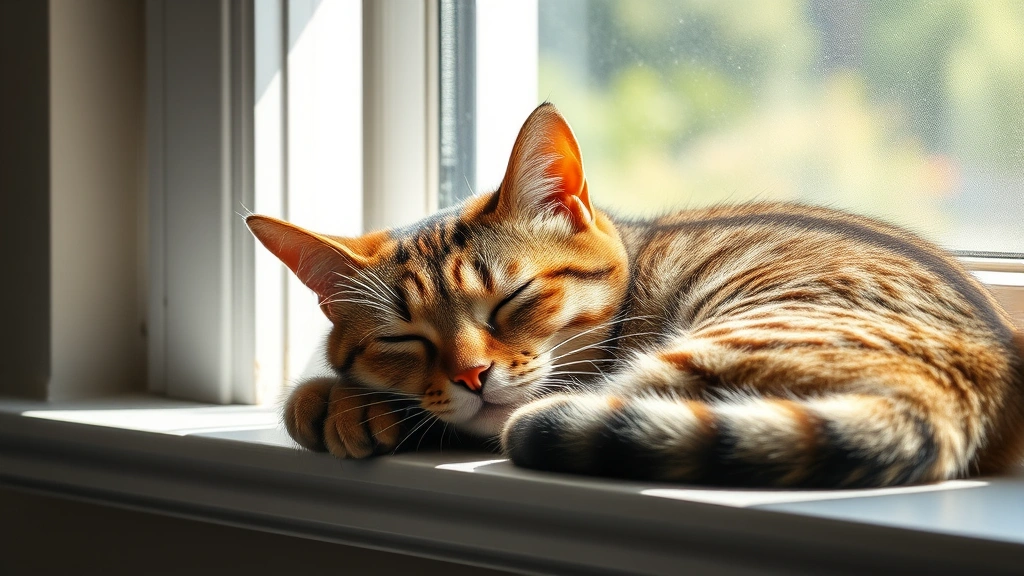
Ever wonder why do cats live longer than dogs? It’s one of pet ownership’s great mysteries. Your feline friend might outlive your canine companion by a solid decade, and there’s actually some legit science behind it. Let’s dig into the biological, behavioral, and lifestyle factors that give cats the longevity edge.
Table of Contents
- The Lifespan Gap: How Much Longer Do Cats Really Live?
- Reason #1: Metabolism and Heart Rate Differences
- Reason #2: Evolutionary History and Domestication
- Reason #3: Lifestyle and Activity Levels
- Reason #4: Predator vs. Prey Mentality
- Reason #5: Disease Susceptibility and Health Conditions
- Size Matters: Why Bigger Dogs Die Younger
- The Role of Veterinary Care and Indoor Living
- Nutrition and Dietary Needs
- Stress Levels and Temperament
- Can We Help Dogs Live Longer?
- Frequently Asked Questions
- The Bottom Line: Understanding the Lifespan Difference
The Lifespan Gap: How Much Longer Do Cats Really Live?
Let’s start with the numbers. The average cat lives 12-18 years, with some indoor cats pushing into their 20s. Dogs? They typically clock out between 8-12 years, depending on breed and size. That’s roughly 4-6 extra years for cats on average. For perspective, that’s like a human living an extra 30-40 years. Pretty significant, right?
The gap gets even wider when you compare large dog breeds to cats. A Great Dane might live only 7-10 years, while a cat of the same household could easily double that lifespan. This disparity has puzzled veterinarians and pet owners alike for decades.
Reason #1: Metabolism and Heart Rate Differences
Here’s where things get interesting. Cats have slower metabolic rates compared to dogs of similar size. Think of metabolism like an engine—a slower-burning engine lasts longer. Dogs, especially larger breeds, burn through their biological fuel much faster.
A dog’s heart beats 70-100 times per minute, while a cat’s heart beats 110-140 times per minute. Wait, that seems backwards, right? Here’s the thing: cats’ hearts are proportionally smaller relative to their body size. This efficiency means less strain on their cardiovascular system over a lifetime. Dogs, particularly large breeds, have to work their hearts harder just to pump blood through their massive bodies.
This metabolic difference is one of the primary reasons why cat lifespan exceeds dog lifespan so consistently across populations.
Reason #2: Evolutionary History and Domestication
Cats and dogs took wildly different evolutionary paths. Dogs were domesticated around 15,000-40,000 years ago and were selectively bred for specific traits—size, strength, speed, aggression. This selective breeding created the diversity we see today, from Chihuahuas to Saint Bernards.
Cats? They basically domesticated themselves around 10,000 years ago and have remained relatively unchanged. Humans didn’t breed cats for extreme physical traits the way they did dogs. This meant less genetic manipulation and fewer health complications passed down through generations.
The selective breeding of dogs, while creating amazing working and companion animals, inadvertently created health problems. Large breeds especially suffer from hip dysplasia, heart disease, and cancer at higher rates than their ancestors. Cats avoided much of this genetic baggage.
Reason #3: Lifestyle and Activity Levels
Dogs are inherently more active animals. They were bred to work—herding, hunting, retrieving, protecting. This drive to move and engage is hardwired into their DNA. That energy expenditure takes a toll on their bodies over time.
Cats are chill by comparison. They’re ambush predators that spend much of their day resting and conserving energy. An indoor cat might sleep 12-16 hours per day. That’s not laziness; it’s evolutionary efficiency. All that rest means less wear and tear on organs, joints, and muscles.
If you’re looking for a more relaxed companion, check out our guide on low energy dog breeds to find canines that match a more sedentary lifestyle. Even the calmest dogs require more activity than most cats.
Reason #4: Predator vs. Prey Mentality
This is fascinating stuff. Dogs are pack hunters—they’re designed to pursue prey over long distances. Their bodies are optimized for sustained activity and endurance. Cats are solitary ambush predators. They stalk, pounce, and rest. This fundamental difference in hunting strategy created different physiological needs.
Dogs’ bodies are essentially built for the sprint. Cats’ bodies are built for the long game. Ironically, the long game approach to life results in actual longevity. Who knew that being a couch potato (or couch cat, rather) was the secret to a longer life?

Reason #5: Disease Susceptibility and Health Conditions
Dogs are prone to a laundry list of health issues that cats largely escape. Hip dysplasia, elbow dysplasia, bloat (gastric dilatation-volvulus), and various cancers plague dogs at rates far exceeding cats. Large breed dogs are especially vulnerable.
Cats do get sick, of course. Kidney disease and diabetes are common in older cats. But they don’t suffer from the same epidemic of orthopedic and cardiovascular diseases that dogs do. Their smaller size and less extreme breeding practices mean fewer genetic time bombs waiting to explode.
Nutrition matters too. Dogs are omnivores and can thrive on varied diets. Cats are obligate carnivores with very specific nutritional needs. When those needs are met—which they usually are in domestic settings—cats maintain better metabolic health. If you’re concerned about your dog’s nutrition, our article on whether IAMS is good dog food breaks down what matters in canine nutrition.
Size Matters: Why Bigger Dogs Die Younger
There’s a brutal truth in veterinary science: size inversely correlates with lifespan in dogs. A Chihuahua might live 15-20 years, while a Great Dane lives 7-10. This pattern doesn’t hold nearly as strongly in cats because there’s far less size variation among domestic cats.
The reason? Larger animals have more cells, and more cells mean more opportunities for cancer and cellular mutations. Larger hearts have to work harder. Larger bones and joints bear more weight. It’s a mathematical problem built into biology.
Cats, being relatively uniform in size, avoid this particular disadvantage. A 15-pound cat and a 5-pound cat have much more similar lifespans than a 5-pound dog and a 100-pound dog.
The Role of Veterinary Care and Indoor Living
Here’s something often overlooked: cats are more likely to be indoor pets, while dogs often spend time outdoors. Indoor cats avoid accidents, predators, diseases, and environmental hazards. They also tend to receive consistent veterinary care.
Dogs, especially outdoor dogs, face more risks. Traffic accidents, parasites, exposure to toxins, and injuries all take their toll. Even indoor dogs tend to be more active and therefore more prone to injury.
Modern veterinary medicine has extended both species’ lifespans, but cats seem to benefit more from the safety of indoor living. If you’re considering a lower-maintenance pet option, our guide to low maintenance dogs explores breeds that require less intensive care.
Nutrition and Dietary Needs
Cats’ obligate carnivore status means they have specific, non-negotiable nutritional requirements. When these are met, their bodies function optimally. Dogs, being more flexible omnivores, can survive on less-than-ideal diets but often do.
The modern pet food industry caters well to cats’ needs. High-quality cat food is formulated precisely for feline nutrition. Dogs often end up eating foods with excessive grains and fillers that don’t serve their long-term health. For dogs, finding the right food is crucial—especially for those with health concerns. Our article on low fat dog food for pancreatitis shows how specific dietary management can extend a dog’s quality of life.
Stress Levels and Temperament
Cats are generally more independent and less anxious than dogs. Dogs are pack animals that can suffer from separation anxiety, stress from environmental changes, and emotional upheaval. Chronic stress literally shortens lifespans by triggering inflammation and weakening immune systems.
Cats, being more solitary by nature, don’t experience the same level of stress from separation or social dynamics. They’re content doing their own thing. This emotional independence translates to physiological benefits. Less stress equals lower cortisol levels, better immune function, and longer life.

Can We Help Dogs Live Longer?
The good news? Understanding why cats live longer gives us tools to extend our dogs’ lives. Maintaining healthy weight is crucial—obesity accelerates aging in dogs. Regular veterinary checkups catch problems early. Quality nutrition specifically formulated for dogs’ needs matters enormously.
Exercise should be appropriate to breed and age, not excessive. Some owners push their dogs too hard, thinking more activity equals healthier dogs. Actually, moderate exercise with plenty of rest is ideal. Keeping dogs mentally stimulated and emotionally secure also contributes to longevity.
Genetics play a role, but lifestyle choices can add years to a dog’s life. Even if your dog won’t live as long as a cat, you can absolutely maximize their years with proper care.
Frequently Asked Questions
Do all cat breeds live longer than all dog breeds?
Not quite. Some small dog breeds like Chihuahuas and Dachshunds can live 15-20 years, rivaling or exceeding cat lifespans. However, large dog breeds consistently die younger than cats of any size. So while there’s overlap, cats as a group definitely have the longevity advantage.
Can indoor dogs live as long as indoor cats?
Indoor dogs definitely live longer than outdoor dogs, sometimes adding several years to their lifespan. However, even indoor dogs typically don’t match indoor cats’ lifespans. A well-cared-for indoor cat will usually outlive a well-cared-for indoor dog by several years.
Is it true that one cat year equals seven human years?
That’s an oversimplification. A cat’s first year equals about 15 human years, the second year about 10 human years, and each year after that equals about 4 human years. So a 10-year-old cat is roughly equivalent to a 56-year-old human. Dogs age differently depending on breed size.
What’s the oldest cat ever recorded?
Creme Puff, a cat from Texas, lived to be 38 years old. The oldest dog on record was Bluey, an Australian Cattle Dog, who lived to 29 years. Even our record-holders show the feline advantage.
Should I get a cat instead of a dog if I want a longer-lived pet?
That depends on your lifestyle and preferences. Cats do live longer, but dogs offer different rewards—companionship, loyalty, and active engagement that cats don’t always provide. Choose the pet that fits your life, then optimize their care for longevity.
The Bottom Line: Understanding the Lifespan Difference
So, why do cats live longer than dogs? It’s a perfect storm of biological, evolutionary, and lifestyle factors. Slower metabolism, less extreme selective breeding, more relaxed activity levels, smaller size variation, and genetic health advantages all stack in cats’ favor.
Dogs aren’t losing this longevity game due to any flaw—they’re just built differently. Their energy, enthusiasm, and drive to please us come at a biological cost. That doesn’t mean we can’t help them live longer, healthier lives through proper nutrition, exercise, veterinary care, and emotional support.
The next time someone asks why their cat outlived their dog, you’ll have the real answer: it’s not luck, it’s biology. And that’s pretty cool science.





