

If you’ve ever wondered why do dogs bite their nails, you’re not alone—this is one of the most common questions veterinarians hear from frustrated pet parents. Your furry friend might be gnawing at their paws like they’re prepping for a doggy spa day, but what’s really going on beneath all that chewing? The truth is, nail biting in dogs can mean anything from simple grooming to serious health issues that need veterinary attention. Let’s dig into the nitty-gritty of canine nail-biting behavior and figure out what your pup is trying to tell you.
Table of Contents
- 1. Overgrown Nails and Natural Grooming Instincts
- 2. Allergies and Skin Irritation
- 3. Parasites and Skin Conditions
- 4. Anxiety, Stress, and Behavioral Issues
- 5. Pain, Injury, or Joint Problems
- When to Call Your Veterinarian
- Prevention and Home Care Tips
- Understanding Your Dog’s Body Language
- Natural Remedies and Supplements
- Frequently Asked Questions
- Conclusion: Getting to the Root of the Problem
1. Overgrown Nails and Natural Grooming Instincts
Sometimes the simplest explanation is the right one. Dogs naturally maintain their nails by chewing and biting them, much like humans trim theirs with clippers. When nails grow too long, they become uncomfortable and even painful, especially when walking or running. Your dog’s instinct kicks in, and they start gnawing away to keep things manageable.
Long nails can curl into the paw pad, creating pressure that makes walking feel like you’re wearing shoes two sizes too small. If your pup’s nails are clicking loudly on hardwood floors or curling visibly, it’s time for a trim. Regular nail maintenance—every 3-4 weeks for most dogs—can significantly reduce the urge to bite at them. Some active dogs who spend lots of time on concrete naturally wear down their nails, but indoor pups often need help.
2. Allergies and Skin Irritation
One of the most common culprits behind excessive nail biting is allergies. Dogs with food allergies, environmental allergies, or contact dermatitis often experience itching and inflammation around their paws. This itching drives them to chew and bite at their nails and the surrounding skin obsessively. If your dog is constantly licking their paws or biting at their nails, allergies might be the hidden villain.
Environmental allergens like pollen, dust mites, or mold can trigger paw irritation, especially during certain seasons. Food allergies are trickier to identify but commonly linked to chicken, beef, wheat, and dairy. You might also notice your dog has dry, flaky skin or a dull coat alongside the nail biting. Consult your veterinarian about allergy testing or an elimination diet to pinpoint the culprit.
3. Parasites and Skin Conditions
Parasites like fleas, mites, and lice can cause intense itching that sends dogs into a frenzy of nail biting and paw chewing. Even if you don’t see visible parasites, they could be lurking beneath the skin. Mange on dogs, caused by mites, is particularly notorious for causing severe itching and compulsive biting behavior. The affected areas often become red, inflamed, and prone to secondary bacterial infections.
Fungal infections like ringworm can also trigger nail biting, though they’re less common in dogs than in cats. If your dog has patches of hair loss, red or crusty skin, or a musty smell, get them checked by a vet immediately. Parasites aren’t just uncomfortable—they can spread to other pets and even humans in some cases. Regular flea and tick prevention is your best defense against this problem.
4. Anxiety, Stress, and Behavioral Issues
Just like humans bite their nails when nervous, dogs engage in compulsive nail biting when stressed or anxious. Separation anxiety, loud noises, changes in routine, or even boredom can trigger this self-soothing behavior. Some dogs develop obsessive-compulsive disorder (OCD), where they repetitively bite their nails or chew their paws to the point of injury.
If your dog only bites their nails during thunderstorms, when you leave for work, or after a move to a new house, anxiety is likely the culprit. Environmental enrichment—puzzle toys, regular exercise, and mental stimulation—can help reduce stress-related nail biting. In severe cases, your vet might recommend behavioral training or anxiety medication. The key is identifying the trigger and addressing the underlying emotional need.
5. Pain, Injury, or Joint Problems
Sometimes nail biting is a pain response. If your dog has an injury, ingrown nail, or infection around the nail bed, they’ll naturally try to address it by biting and licking. Arthritis and joint pain can also cause dogs to focus excessively on their paws. Senior dogs with joint supplements for dogs needs often show increased nail biting as they compensate for discomfort.
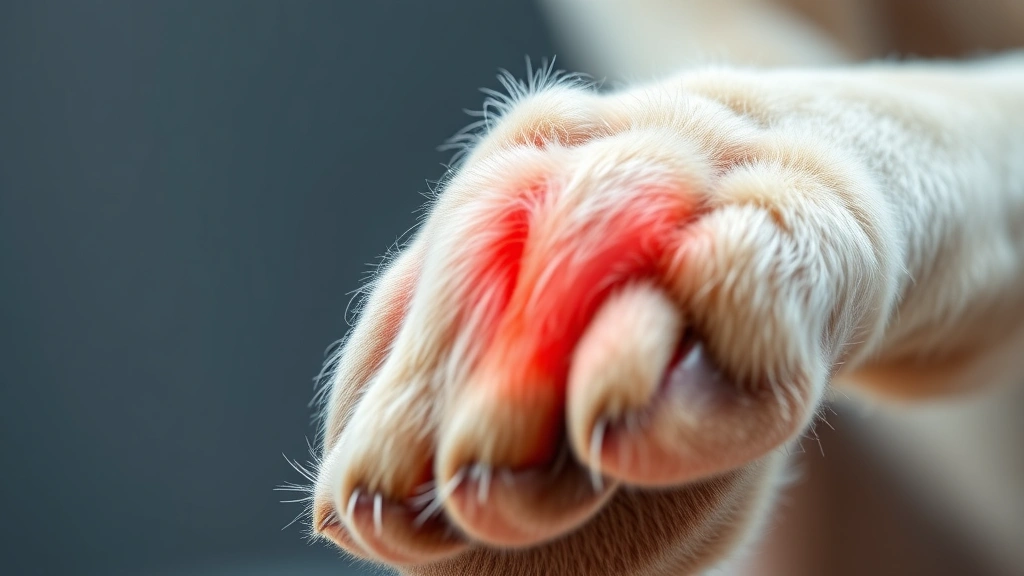
Nail bed infections, abscesses, or tumors are serious conditions that require immediate veterinary care. If you notice swelling, discharge, bleeding, or a foul smell coming from your dog’s nails or paws, don’t wait—schedule an appointment with your vet right away. Pain-related nail biting is your dog’s way of communicating that something hurts, and ignoring it can lead to worse complications.
When to Call Your Veterinarian
Occasional nail biting is normal grooming behavior, but excessive or obsessive nail biting warrants a vet visit. Red flags include bleeding paws, open sores, swelling, limping, or sudden changes in behavior. If your dog’s nail biting is accompanied by hair loss, skin lesions, or a foul odor, these are signs of infection or serious skin disease.
Your veterinarian can perform a physical exam, skin scraping, or fungal culture to identify parasites or infections. They might also recommend allergy testing or blood work if they suspect underlying health issues. Don’t rely on guesswork—professional diagnosis ensures your pup gets the right treatment quickly.
Prevention and Home Care Tips
Prevention is always easier than treatment. Keep your dog’s nails trimmed regularly, and consider using a nail grinder if your pup is sensitive to clippers. Maintain a consistent grooming routine and check paws daily for signs of redness, swelling, or debris caught between the toes.
Use Epsom salt safe for dogs soaks to soothe inflamed paws and remove dirt or infection. Keep your dog’s living area clean and dry to prevent fungal and bacterial growth. Regular exercise and mental stimulation reduce stress-related behaviors. If allergies are the issue, work with your vet on dietary changes or supplements.
Natural remedies like coconut oil or paw balms can provide temporary relief, but they’re not substitutes for proper veterinary care. Some owners swear by diatomaceous earth safe for dogs for parasite prevention, though always consult your vet before using any new product.
Understanding Your Dog’s Body Language
Pay attention to when and where your dog bites their nails. Is it only on the back legs? Does it happen at specific times of day? Is your pup licking and biting simultaneously? These details help your vet narrow down the cause. A dog that occasionally bites their nails is likely just grooming, but one that constantly chews until bleeding is sending an SOS signal.
Watch for other signs of distress like excessive panting, restlessness, or avoidance of certain activities. If your dog suddenly starts limping or refusing to put weight on a paw, pain is the likely culprit. Behavioral changes, like increased aggression or withdrawal, might indicate anxiety or stress-related issues.
Natural Remedies and Supplements
While professional veterinary care is essential, certain supplements and remedies can support your dog’s overall paw health. Omega-3 fatty acids improve skin health and reduce inflammation, helping with allergy-related nail biting. Probiotics support gut health and immune function, which can reduce allergic reactions. Collagen supplements support nail strength and growth.
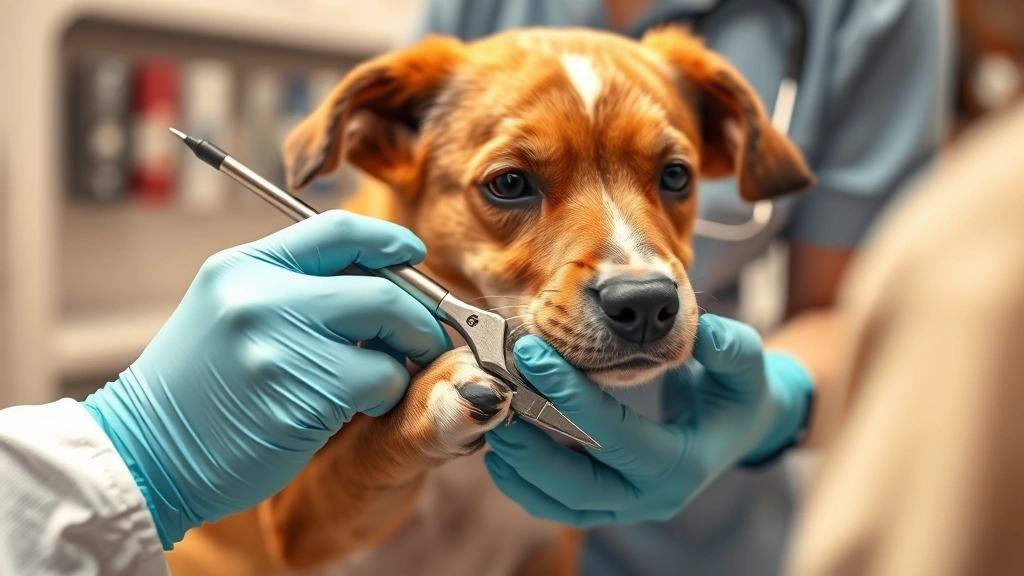
Topical treatments like paw balms with shea butter, beeswax, or calendula can soothe irritated skin and discourage biting by creating a protective barrier. Some dogs respond well to bitter-tasting sprays applied to their nails, which discourage chewing through taste aversion. However, these are band-aid solutions—they work best alongside addressing the root cause.
Frequently Asked Questions
Is it normal for dogs to bite their nails?
Yes, occasional nail biting is normal grooming behavior. Dogs naturally maintain their nails by chewing them. However, excessive or obsessive nail biting that results in bleeding, swelling, or open sores indicates an underlying health or behavioral issue requiring veterinary attention.
How often should I trim my dog’s nails?
Most dogs need nail trims every 3-4 weeks, though this varies based on activity level and nail growth rate. Dogs that spend lots of time on concrete or hard surfaces may need less frequent trims. Your vet can recommend a trimming schedule based on your individual dog’s needs.
Can I use human nail clippers on my dog?
No, human nail clippers aren’t designed for dog nails and can cause splitting or cracking. Use dog-specific nail clippers or a nail grinder designed for pets. If you’re uncomfortable trimming nails yourself, a professional groomer or veterinarian can do it safely.
What if my dog’s nail biting is caused by anxiety?
Address anxiety through environmental enrichment, regular exercise, and mental stimulation. Create a safe space where your dog can retreat during stressful situations. In severe cases, your veterinarian might recommend anxiety medication or behavioral training with a certified dog trainer.
Could nail biting indicate cancer or serious disease?
While nail biting itself isn’t typically a sign of cancer, underlying conditions like tumors in the nail bed or advanced arthritis can cause it. If your dog’s nail biting is accompanied by other symptoms like weight loss, lethargy, or behavioral changes, consult your vet immediately for a thorough evaluation.
Conclusion: Getting to the Root of the Problem
Understanding why do dogs bite their nails requires a bit of detective work, but the payoff is a happier, healthier pup. Whether it’s overgrown nails, allergies, parasites, anxiety, or pain, each cause has a specific solution. Start by observing your dog’s behavior, maintaining regular nail care, and scheduling a vet check-up if the biting seems excessive or concerning.
Your veterinarian is your best resource for accurate diagnosis and treatment. Don’t assume it’s just a grooming habit if your dog is causing injury to themselves. With patience, proper care, and professional guidance, you can help your furry friend stop the nail-biting cycle and get back to their happy, healthy self. Your dog’s paws deserve the same attention and care you give the rest of their body—so don’t ignore those warning signs.





