

Why do dogs breathe fast? It’s one of the most common questions veterinarians hear, and honestly, it can range from totally normal to “get-to-the-vet-NOW” territory. Your pup’s breathing patterns tell a story, and learning to read that story could literally save their life. Let’s dig into what’s normal, what’s not, and when you should start sweating.
Table of Contents
- Understanding Normal Dog Breathing Rates
- Why Do Dogs Breathe Fast After Exercise?
- Heat and Panting: The Cooling System Explanation
- Stress, Anxiety, and Nervous Panting
- Warning Sign #1: Fast Breathing at Rest
- Warning Sign #2: Difficulty Breathing or Labored Breathing
- Warning Sign #3: Rapid Breathing Combined with Other Symptoms
- Warning Sign #4: Rapid Breathing Associated with Breed-Specific Health Issues
- Warning Sign #5: Fast Breathing That Doesn’t Match the Situation
- Common Conditions Behind Fast Breathing
- When to Call the Vet vs. When to Go to Emergency
- What Your Vet Will Do
- Preventative Care and Monitoring
- Frequently Asked Questions
- The Bottom Line: Listen to Your Dog’s Breathing
Understanding Normal Dog Breathing Rates
First things first: not all fast breathing is a red flag. A healthy adult dog typically breathes between 10-30 times per minute when they’re chilling on the couch. Puppies? They’re little breathing machines and can hit 30-40 breaths per minute even at rest. It’s like they’re perpetually excited about life (which, let’s be honest, they are).
The tricky part is knowing your individual dog. Some breeds are naturally more energetic and breathe faster than others. Low energy dog breeds like Bulldogs tend to have slower baseline breathing, while high-energy breeds like Border Collies might naturally breathe a bit faster. You’re basically establishing your dog’s personal “normal” breathing baseline.
Why Do Dogs Breathe Fast After Exercise?
This one’s simple and totally normal. When your dog sprints after a tennis ball or zooms around the backyard like a furry tornado, their muscles demand more oxygen. Their breathing rate skyrockets as their body tries to meet that demand. This is called tachypnea, and it’s completely healthy.
The key is recovery time. A normal dog should return to their baseline breathing within 5-10 minutes after exercise stops. If your pup is still panting heavily 30 minutes after playtime ended, that’s worth investigating. They might be overheating, dehydrated, or dealing with an underlying fitness issue.
Heat and Panting: The Cooling System Explanation
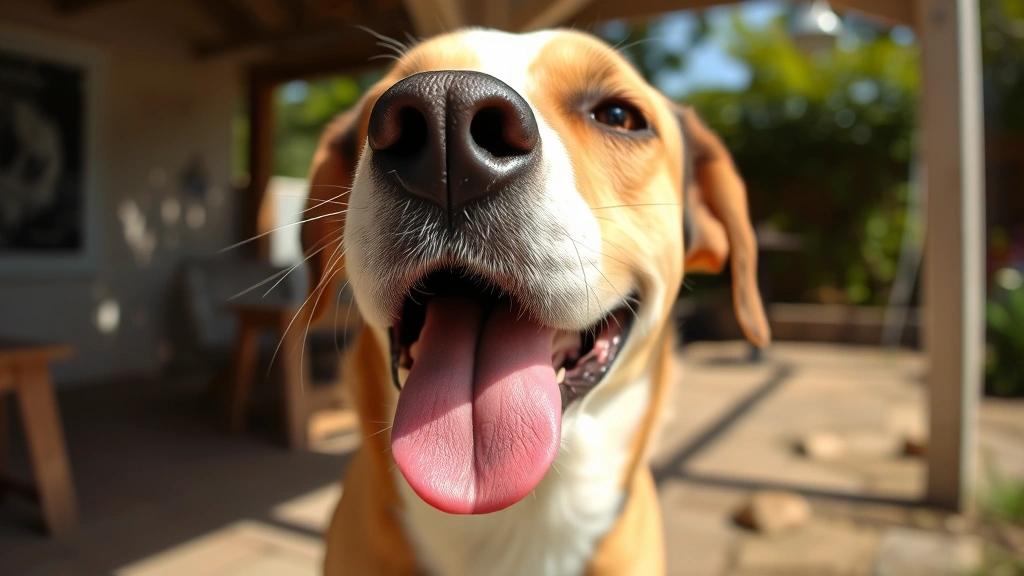
Dogs don’t sweat like humans do (except through their paw pads, which is adorable and useless for cooling). Instead, they pant to regulate body temperature. When it’s hot outside or your dog is stressed, rapid breathing is their air conditioning unit kicking into overdrive.
This is why you’ll see your dog breathing fast on summer days or during stressful vet visits. Their tongue hangs out, their breathing accelerates, and they’re essentially evaporating moisture from their mouth and respiratory tract to cool down. Totally normal, totally necessary. Just make sure they have access to fresh water and shade during hot weather.
Stress, Anxiety, and Nervous Panting
Your dog’s emotional state directly impacts their breathing. A nervous pup at the vet’s office or during a thunderstorm will breathe faster than a zen dog napping in a sunbeam. This stress-induced tachypnea is real and common.
If your dog is consistently anxious, you might want to explore calming strategies. Some dogs benefit from supplements designed for relaxation, while others need behavioral training or environmental modifications. The point is: recognize when your dog’s fast breathing is tied to stress and address the root cause.
Warning Sign #1: Fast Breathing at Rest
Here’s where things get serious. If your dog is breathing fast while they’re sleeping, lying down, or just chilling with no apparent reason, that’s abnormal. We’re talking more than 40 breaths per minute consistently at rest. This could indicate pain, respiratory disease, heart problems, or metabolic issues.
Rapid breathing at rest is your dog’s way of saying something’s wrong. Don’t ignore it. This is the kind of thing that deserves a vet visit within 24 hours, not “I’ll schedule something next month.”
Warning Sign #2: Difficulty Breathing or Labored Breathing
There’s a difference between fast breathing and labored breathing. Fast breathing is quick and rhythmic. Labored breathing involves effort—your dog’s belly heaves, their nostrils flare, and you can literally see them working to get air in and out. This is an emergency.
Labored breathing could indicate pneumonia, pulmonary edema, asthma, or airway obstruction. Call your vet immediately or head to an emergency clinic. This isn’t a “wait and see” situation. Your dog needs professional evaluation now.
Warning Sign #3: Rapid Breathing Combined with Other Symptoms
Fast breathing by itself might be nothing. But fast breathing plus other symptoms? That’s a pattern worth investigating. Watch for combinations like:
- Fast breathing + lethargy (your dog seems unusually tired)
- Fast breathing + loss of appetite
- Fast breathing + drooling or difficulty swallowing
- Fast breathing + pale gums
- Fast breathing + coughing
These combinations suggest systemic issues. Your dog might be dealing with infection, heart disease, or other serious conditions. Get them to a vet for diagnostics.
Warning Sign #4: Rapid Breathing Associated with Breed-Specific Health Issues
Certain breeds are predisposed to conditions that cause fast breathing. Bulldogs, Pugs, and other flat-faced breeds deal with brachycephalic syndrome, which makes breathing harder and faster. French Bulldogs especially are prone to respiratory issues that make them chronic fast-breathers.
If you own a breed prone to breathing problems, work with your vet to establish what’s normal for your specific dog. Sometimes surgery can help, and sometimes it’s about management and monitoring. The American Kennel Club provides breed-specific health information that can help you understand your dog’s predispositions.
Warning Sign #5: Fast Breathing That Doesn’t Match the Situation
Context matters. Fast breathing on a hot day? Normal. Fast breathing during a thunderstorm? Normal. Fast breathing on a cool evening while your dog is just standing in the yard doing nothing? Abnormal.
Your dog’s breathing should match their activity level and environment. If it doesn’t, if your pup is breathing like they just ran a marathon when they’ve been stationary, that’s a red flag. This could indicate pain, anxiety, metabolic issues, or systemic disease.
Common Conditions Behind Fast Breathing
Let’s talk specifics. What conditions actually cause rapid breathing in dogs? Here are the usual suspects:
Heart Disease: A failing heart can’t pump blood efficiently, so the body compensates with faster breathing to get more oxygen. This often includes other symptoms like weakness, coughing, or fainting.
Respiratory Infections: Pneumonia, bronchitis, and other lung infections cause inflammation and make breathing harder. Your dog might cough, wheeze, or seem generally unwell.
Pain: Dogs in pain breathe faster. It’s a stress response. If your dog had surgery recently or you suspect they’re hurting, fast breathing could be a clue.
Fever: Just like humans, dogs with infections or other illnesses that cause fever will breathe faster as their body temperature rises.
Obesity: Overweight dogs work harder to breathe because excess body weight restricts their diaphragm. This is another reason maintaining healthy weight matters, especially for low-energy breeds prone to weight gain.
Anemia: When dogs don’t have enough red blood cells, their body compensates by breathing faster to maximize oxygen absorption.
Allergies and Respiratory Issues: Dogs with allergies and other health conditions might experience inflammation that affects breathing patterns.
When to Call the Vet vs. When to Go to Emergency
Not every instance of fast breathing requires an emergency vet visit. Here’s your decision tree:
Call Your Vet During Business Hours: Your dog is breathing faster than normal but seems otherwise fine, has been like this for a few hours, and shows no other symptoms. Schedule an appointment.
Call Your Vet Immediately (or Go to Emergency): Your dog is breathing heavily and showing any of these signs: difficulty breathing, blue-tinged gums, collapse, severe coughing, excessive drooling, or extreme lethargy. Don’t wait. Go now.
When in doubt, call your vet’s office and describe the situation. They can advise whether you need to come in immediately or if monitoring at home is okay.

What Your Vet Will Do
When you bring your fast-breathing pup to the vet, expect a thorough workup. Your vet will likely:
- Take a complete history (when did this start, any recent changes, other symptoms)
- Perform a physical examination, listening to the heart and lungs
- Check temperature, pulse, and respiration rate
- Possibly do bloodwork to check for infection, anemia, or metabolic issues
- Take chest X-rays if heart or lung disease is suspected
- Perform an ultrasound if needed
This might seem like a lot, but it’s the only way to figure out what’s actually going on. Fast breathing could be nothing, or it could be the first sign of something serious. Diagnostics help your vet know which camp your dog falls into.
Preventative Care and Monitoring
The best approach to fast breathing issues is prevention and early detection. Know your dog’s normal breathing pattern. Count their breaths per minute when they’re relaxed at least once a month. This gives you a baseline so you’ll notice changes immediately.
Keep up with preventative vet care. Regular checkups catch heart disease, respiratory issues, and other problems before they become emergencies. Stay on top of weight management, dental health, and vaccinations. These all contribute to overall respiratory health.
Watch for environmental triggers. If your dog breathes faster in certain situations (like around smoke or pollution), minimize exposure. If they’re anxious, work on desensitization or talk to your vet about anxiety management.
Frequently Asked Questions
Is it normal for dogs to breathe fast while sleeping?
Occasional fast breathing during dreams or REM sleep is normal. But consistent rapid breathing throughout sleep is abnormal and warrants a vet visit. Normal sleeping dogs should breathe slowly and rhythmically.
Why does my dog breathe fast after eating?
Some dogs breathe faster after meals, especially if they ate quickly or got excited. This usually settles within 10-15 minutes. If your dog consistently breathes heavily after eating, mention it to your vet—it could relate to bloat risk or other digestive issues.
Can allergies cause fast breathing in dogs?
Yes. Allergies can cause inflammation in the respiratory tract, leading to faster breathing. If your dog has seasonal allergies or chronic respiratory issues, work with your vet on management strategies.
Is panting the same as fast breathing?
Not exactly. Panting is rapid, open-mouthed breathing usually done for cooling. Fast breathing can be with the mouth closed or open and might indicate a medical issue. Context matters.
What should I do if my dog’s breathing seems off?
First, stay calm (dogs pick up on your anxiety). Note when it started, what your dog is doing, and any other symptoms. Call your vet and describe the situation. They’ll advise whether you need to come in immediately or can monitor at home.
Can stress cause permanent fast breathing in dogs?
Stress-induced fast breathing is temporary and resolves once the stressor is removed. However, chronic stress can contribute to anxiety disorders that require behavioral intervention or medication. If your dog is constantly anxious, talk to your vet about solutions like behavioral modification and other wellness strategies.
Do senior dogs breathe faster?
Older dogs might have slightly elevated resting breathing rates due to decreased lung capacity or underlying age-related conditions like heart disease. But a dramatic increase in breathing rate in a senior dog is still abnormal and needs evaluation.
The Bottom Line: Listen to Your Dog’s Breathing
Why do dogs breathe fast? Sometimes it’s nothing. Sometimes it’s everything. The key is knowing your dog well enough to recognize when their breathing pattern changes. Fast breathing after a romp in the yard? Totally fine. Fast breathing while they’re napping? Time to call the vet.
Your dog can’t tell you when something’s wrong, so their body language and vital signs are their way of communicating. Fast breathing is part of that conversation. Pay attention, trust your instincts, and don’t hesitate to get professional help when something feels off. Your dog depends on you to be their advocate, and understanding their breathing patterns is a crucial part of that job.
Keep monitoring, stay informed, and remember: when in doubt, call your vet. They’d rather you check in about nothing than miss something important. Your pup’s health is worth it.





