
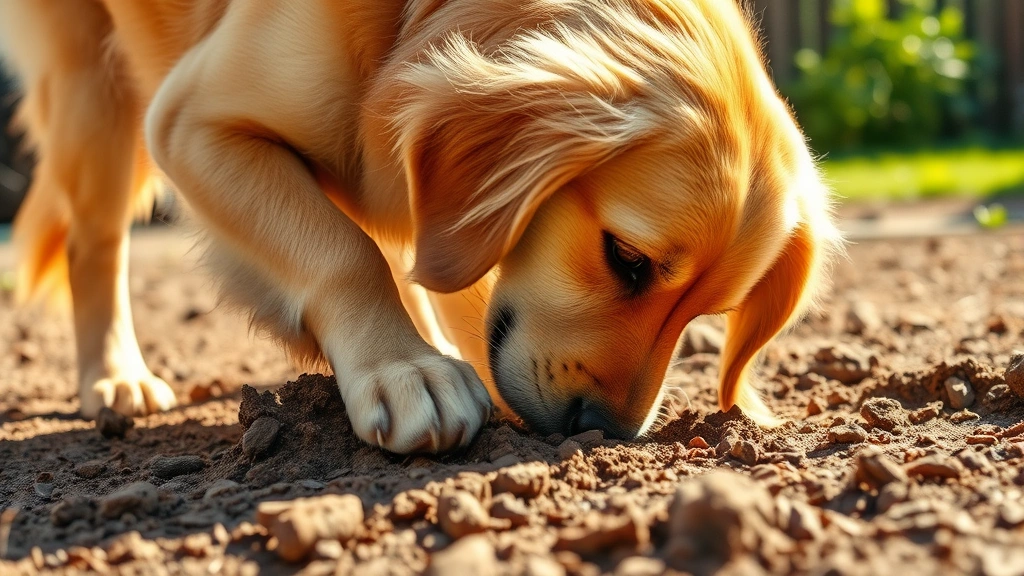
Why do dogs bury their food? It’s one of those adorable yet puzzling behaviors that makes dog owners scratch their heads while their pup digs frantically at the carpet. Your golden retriever just devoured half their bowl, and now they’re acting like they’re searching for buried treasure in your living room. The truth is, this isn’t random silliness—it’s ancient survival instinct meeting modern domestication, and it’s absolutely fascinating.
Table of Contents
- The Ancestral Roots: Why Wolves and Wild Dogs Started This Trend
- Resource Guarding and the Competitive Edge
- The Comfort and Security Factor
- Boredom and Excess Energy: The Playful Culprit
- Territorial Marking and Ownership Claims
- Medical and Nutritional Considerations
- Temperature Regulation and Food Preservation
- How to Manage Food Burying Behavior
- Breed Predispositions and Individual Differences
- When to Worry About Food Burying
- Frequently Asked Questions
- Summary: Understanding Your Dog’s Buried Treasure
The Ancestral Roots: Why Wolves and Wild Dogs Started This Trend
Before your pooch became a couch potato, their ancestors were wolves hunting across vast territories. In the wild, food wasn’t a guaranteed thing appearing in a shiny bowl twice a day. Wolves and wild dogs would kill prey, eat what they could immediately, and then bury the leftovers to save for later. This behavior, called “caching,” was literally a matter of survival. When food is scarce, you don’t leave your kill sitting out for scavengers and competitors to steal.
Your modern dog inherited this genetic memory, even if they’ve never missed a meal in their life. It’s like having a savings account programmed into their DNA. The instinct to bury food for future consumption is so deeply embedded that even well-fed pets can’t resist the urge. This is one of the most powerful reasons dogs engage in food burying behavior, and it explains why even pampered pooches feel compelled to dig.
Resource Guarding and the Competitive Edge
Another major factor in why dogs bury their food relates to competition and resource protection. In a pack environment—whether that’s wild wolves or a multi-dog household—food is valuable. By burying food, your dog is essentially saying, “This is mine, and I’m hiding it from everyone else.”
Dogs that exhibit strong resource guarding tendencies are particularly prone to burying behavior. They’re not being mean; they’re being strategic. If you have multiple dogs, you might notice that the more anxious or competitive one is more likely to bury kibble. This behavior can intensify if dogs feel they need to compete for meals. Some large breed dog food portions are bigger, which sometimes triggers more burying behavior in multi-pet households where competition feels real.
The Comfort and Security Factor
Believe it or not, burying food can be a self-soothing behavior for anxious dogs. The repetitive digging motion is calming, similar to how humans might fidget or rock when stressed. Dogs experiencing anxiety, boredom, or uncertainty might bury their food as a way to create a sense of control and security in their environment.
This is especially true for rescue dogs or those with uncertain backgrounds. If your dog came from a shelter or had a rough start, burying food might be their way of ensuring they always have a stash. It’s a coping mechanism that provides psychological comfort, even if the food never actually gets eaten.
Boredom and Excess Energy: The Playful Culprit
Sometimes, why dogs bury their food has nothing to do with survival instinct and everything to do with having too much time on their paws. Bored dogs need stimulation, and if their food bowl doesn’t provide it, they’ll create their own game. Digging, burying, and “hunting” for kibble turns mealtime into an adventure.
Dogs with high energy levels or those that don’t get enough physical exercise are more likely to engage in food burying behavior. This is particularly common in lazy dog breeds that suddenly get a burst of energy, or in working breeds that aren’t getting their jobs done. If your dog is burying food, it might be their way of saying, “Hey, I need more to do!”
Territorial Marking and Ownership Claims
Dogs communicate through scent, and burying food is a way of marking territory and claiming ownership. When your dog digs and covers their food, they’re leaving their scent on that spot and essentially saying, “This belongs to me.” It’s a territorial behavior that harks back to wild canine instincts about protecting valuable resources.
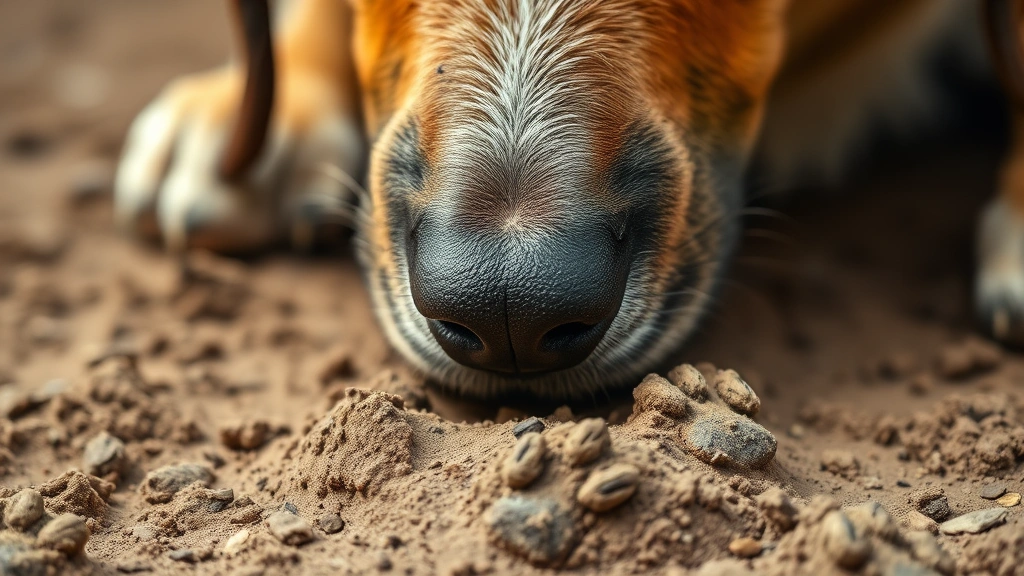
This is why some dogs will bury food in specific spots—they’re creating a mental map of their territory and their resources. If your dog always buries in the same corner or under the same blanket, they’ve claimed that as their special stash location.
Medical and Nutritional Considerations
Sometimes excessive food burying can indicate underlying issues. If your dog suddenly starts burying food when they never did before, or if the behavior becomes obsessive, it might be worth investigating. Nutritional deficiencies, digestive issues, or dental problems can cause dogs to be less interested in eating immediately, leading them to bury food instead.
Additionally, some dogs might not be getting enough calories or the right nutrition, triggering their instinct to conserve food. If you’re concerned, consulting with your vet and potentially switching to limited ingredient dog food or a different formula might help. Always rule out health issues before assuming it’s purely behavioral.
Temperature Regulation and Food Preservation
Here’s something most people don’t consider: burying food actually helps preserve it. Underground, food stays cooler and is protected from insects and bacteria. In hot climates, dogs might instinctively bury food to keep it fresh longer. This is another evolutionary advantage that explains why dogs bury their food—it’s literally food preservation technology that’s been working for thousands of years.
Your dog might not consciously understand this, but their instincts do. Burying food in cooler spots (under blankets, in the shade, in dirt) is their way of extending the food’s shelf life.
How to Manage Food Burying Behavior
If your dog’s food burying is becoming a problem—like destroying your house or creating unsanitary buried food situations—there are strategies to manage it. First, try feeding smaller portions more frequently. This reduces the temptation to save food because meals come more often. Second, supervise feeding time and remove the bowl shortly after your dog finishes eating (or seems to lose interest).
Providing appropriate outlets for digging instincts is crucial. A sandbox or designated digging area in your yard can satisfy the urge without destroying your furniture. Interactive toys and puzzle feeders also redirect the burying impulse into productive play. Make sure your dog is getting enough physical exercise and mental stimulation throughout the day.
If you suspect anxiety is driving the behavior, working with a certified dog trainer or veterinary behaviorist can help. Sometimes the issue isn’t the food burying itself but what’s causing it. Consider whether your dog might benefit from additional enrichment or environmental changes. Even something like understanding your dog’s waste patterns can give insights into their overall health and stress levels.
Breed Predispositions and Individual Differences
Some breeds are more prone to food burying than others. Terriers, hounds, and other breeds with strong prey drives and digging instincts tend to bury food more frequently. Retrievers often exhibit this behavior because they’re naturally inclined to carry and hide things. Individual personality matters too—some dogs are obsessive hoarders while others couldn’t care less about saving food.
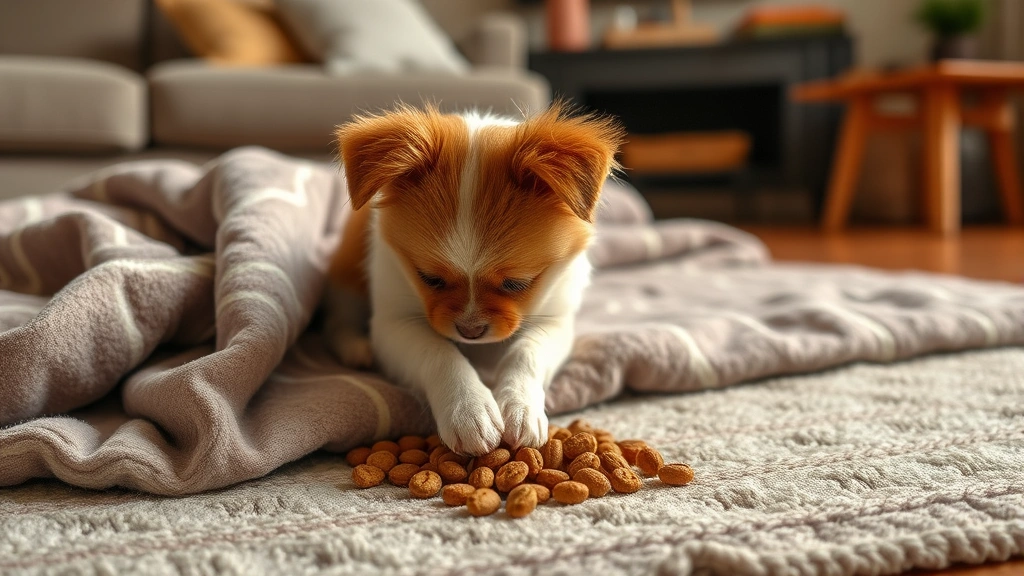
Your dog’s unique background, breed heritage, and personality all play roles in whether and how often they bury food. Understanding your specific dog’s tendencies helps you respond appropriately rather than assuming all food burying is problematic.
When to Worry About Food Burying
Most food burying is harmless and normal. However, you should be concerned if the behavior becomes obsessive, if your dog is showing signs of anxiety or stress, if they’re burying food and then not eating it (potentially wasting nutrition), or if the behavior is destructive. Additionally, if your dog buries food and it starts to rot in your home, there are hygiene and pest concerns.
Sudden changes in food burying behavior can indicate stress, illness, or changes in your dog’s environment. If your typically non-burying dog suddenly starts doing it, or vice versa, that’s worth investigating with your veterinarian.
Frequently Asked Questions
Is it normal for dogs to bury their food?
Yes, absolutely. Food burying is a completely normal canine behavior rooted in ancient survival instincts. Most dogs exhibit this behavior at some point, though frequency and intensity vary by individual.
Why does my dog bury food but never eat it?
Your dog might be satisfying the instinct to cache food without actually needing to eat it. The act of burying provides security and comfort, even if the food is never retrieved. This is particularly common in well-fed dogs and those with anxiety.
Can food burying indicate a health problem?
Sudden changes in food burying behavior can indicate health issues, nutritional deficiencies, or dental problems. If your dog’s behavior changes dramatically, consult your veterinarian to rule out underlying conditions.
How can I stop my dog from burying food?
You can’t completely stop this instinct, but you can manage it by feeding smaller portions, supervising meals, removing bowls promptly, providing designated digging areas, and ensuring adequate exercise and mental stimulation.
Do all dogs bury their food?
No, not all dogs bury food. Some dogs show no interest in this behavior at all. Breed, individual personality, anxiety levels, and environmental factors all influence whether a dog engages in food burying.
Summary: Understanding Your Dog’s Buried Treasure
Why do dogs bury their food? The answer isn’t simple because it involves multiple layers of instinct, psychology, and individual variation. From ancient survival mechanisms to modern anxiety management, food burying serves several purposes in your dog’s mind. It’s a window into their genetic heritage, their emotional state, and their unique personality.
Most importantly, food burying is rarely a sign of a problem. It’s actually a sign that your dog is a dog—complete with all the instincts, quirks, and behaviors that make them fascinating creatures. Whether your pup is burying kibble in the couch cushions or under the backyard dirt, they’re just being themselves. Understanding why they do it helps you appreciate the behavior and manage it appropriately when needed. So the next time your dog frantically digs at your carpet after eating, you’ll know they’re not being naughty—they’re just following millions of years of evolutionary programming. Pretty cool, right?





