
Why Do Dogs Chatter Their Teeth? Explained
If you’ve ever noticed your furry best friend’s teeth chattering away like a tiny jackhammer, you’ve probably wondered what’s going on in that adorable head of theirs. Dog teeth chattering might seem quirky or even amusing at first, but it’s actually your pup’s way of communicating something important. Whether it’s a sign of excitement, anxiety, cold, or a medical issue, understanding the reasons behind this behavior can help you respond appropriately and keep your dog happy and healthy.
Teeth chattering in dogs is more common than you might think, and it can mean different things depending on the context. Some dogs chatter their teeth when they’re nervous, while others do it when they’re experiencing physical discomfort. The key to being a great dog parent is learning to decode these signals and understanding what your dog is trying to tell you.
In this comprehensive guide, we’ll explore the various reasons why dogs chatter their teeth, when you should be concerned, and what you can do to help your four-legged companion feel more comfortable. Let’s dive into this fascinating canine behavior!
Cold and Shivering
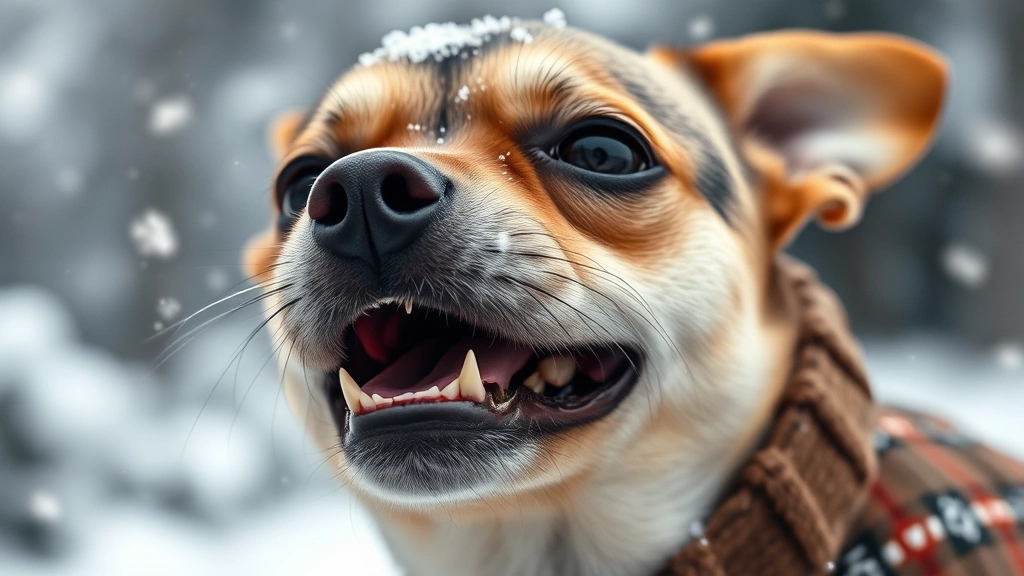
One of the most straightforward explanations for teeth chattering in dogs is simple: they’re cold! Just like humans, dogs can experience chills when their body temperature drops. When a dog shivers or chatters their teeth due to cold, it’s their body’s natural thermoregulation mechanism kicking in. Muscle contractions generate heat, which helps warm up their core body temperature.
Small breeds, senior dogs, and those with thin coats are particularly susceptible to feeling the cold. If your pup is chattering their teeth during winter walks or after a bath, cold is likely the culprit. This is especially true for breeds like Chihuahuas, Italian Greyhounds, and Whippets that lack substantial fur coverage.
You might also notice your dog is shaking or trembling along with the teeth chattering. This combination of symptoms is a clear indicator that your dog needs to warm up. Consider bringing them inside, wrapping them in a cozy blanket, or investing in a dog sweater for outdoor activities in chilly weather.
Excitement and Anticipation
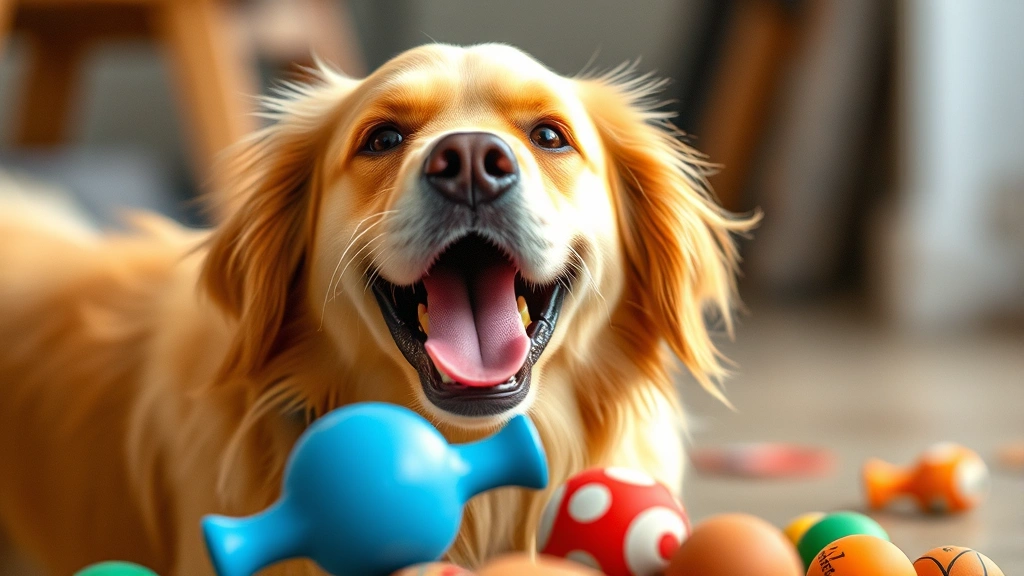
Not all teeth chattering is a sign of distress! Dogs often chatter their teeth when they’re excited or anticipating something they love. That familiar jingle of keys? The word “walk”? The sound of a treat bag opening? Your dog might respond with enthusiastic teeth chattering as they build up excitement.
This type of teeth chattering is usually accompanied by other positive signs like tail wagging, play bows, or jumping. Your pup’s whole body language will seem energetic and happy. It’s their way of channeling that nervous excitement and enthusiasm, kind of like how some people bounce their leg when they’re excited.
If your dog chatters their teeth when you’re getting ready to go outside or during playtime, you can feel confident that they’re just expressing their joy. This is actually a pretty adorable behavior that shows your dog is thrilled about what’s coming next!
Anxiety and Stress
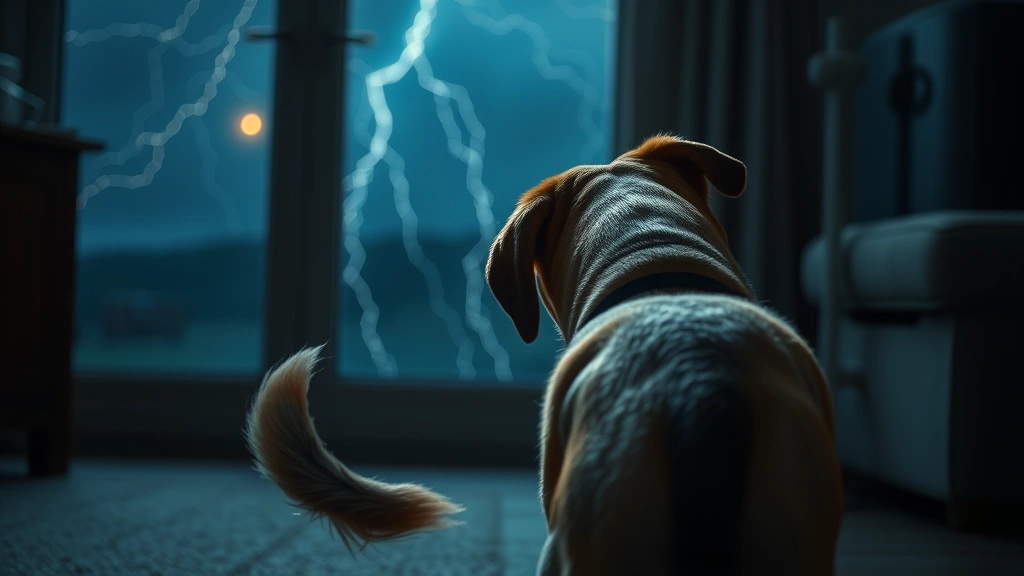
Teeth chattering can also be a sign that your dog is experiencing anxiety or stress. When dogs are nervous or fearful, they may chatter their teeth as a self-soothing mechanism. This is often seen during thunderstorms, fireworks, vet visits, or in unfamiliar situations.
If your dog is chattering their teeth due to anxiety, you’ll typically notice other stress signals too. These might include panting, pacing, whining, tucking their tail, or trying to hide. Your dog might also display shivering behaviors even when it’s not cold outside.
Understanding your dog’s anxiety triggers is crucial for helping them feel safe and secure. Some dogs benefit from calming supplements, anxiety wraps, or desensitization training. If your dog’s anxiety is severe, consulting with a veterinarian or certified dog behaviorist can provide you with effective strategies to reduce their stress.
Dental Problems and Oral Issues
Sometimes teeth chattering can indicate dental or oral health issues. If your dog has a tooth that’s loose, broken, or infected, they might chatter their teeth in an attempt to relieve discomfort. Dental disease is surprisingly common in dogs, affecting millions of pets each year.
Signs that your dog might have dental problems include bad breath, drooling, difficulty eating, swollen jaw, or avoiding certain toys. If you suspect your dog has a dental issue, it’s important to check if your dog has a fever or other signs of infection, as dental infections can become serious quickly.
Regular dental care is essential for your dog’s overall health. Brushing their teeth regularly, providing dental chews, and having professional cleanings performed by your veterinarian can help prevent dental disease and keep your pup’s smile healthy and bright.
Medical Conditions to Watch For
While teeth chattering is often benign, it can sometimes indicate underlying medical conditions. Neurological issues, seizures, or jaw problems can manifest as teeth chattering. Additionally, certain infections or metabolic conditions might cause this behavior.
If your dog’s teeth chattering is accompanied by other symptoms like lethargy, loss of appetite, vomiting, or behavioral changes, it’s time to schedule a veterinary appointment. Your vet can perform a thorough examination and run any necessary tests to rule out medical issues.
According to the American Kennel Club, understanding your dog’s normal behavior patterns makes it easier to spot when something might be wrong. Keep track of when your dog chatters their teeth and what seems to trigger it, as this information will be valuable for your veterinarian.
Conditions like excessive panting or persistent shivering might also accompany teeth chattering in cases of illness. Don’t hesitate to reach out to your vet if you’re concerned.
Reading Your Dog’s Body Language
To properly interpret your dog’s teeth chattering, you need to look at the whole picture. Context is everything when it comes to understanding canine behavior. Pay attention to your dog’s ears, tail, posture, and facial expressions along with the teeth chattering.
A happy, excited dog will have relaxed or forward-facing ears, a wagging tail, and an open, playful expression. A stressed or anxious dog will typically have ears pulled back, a tucked tail, a lowered body posture, and possibly a closed mouth (though they might still chatter their teeth).
A dog experiencing pain or discomfort might chatter their teeth while also showing signs like reluctance to move, whining, or avoiding certain activities. If your dog keeps shaking their head along with teeth chattering, they might have an ear infection or other head-related issue.
Learning to read your dog’s complete body language helps you become a more attentive and responsive pet parent. Every dog has unique ways of communicating, so spend time observing your specific pup’s patterns and preferences.
When to Contact Your Veterinarian
While occasional teeth chattering is usually nothing to worry about, certain situations warrant a call to your vet. If your dog’s teeth chattering is new, persistent, or accompanied by other concerning symptoms, it’s time to seek professional advice.
Contact your veterinarian if you notice:
- Teeth chattering that occurs frequently without an obvious cause
- Teeth chattering combined with fever, lethargy, or loss of appetite
- Signs of pain or difficulty eating
- Bad breath or visible dental problems
- Trembling or shaking that doesn’t improve with warming
- Behavioral changes or unusual stress responses
- Neurological symptoms like stumbling or disorientation
Your vet can perform a comprehensive health assessment and provide peace of mind. According to the ASPCA, regular veterinary check-ups are essential for catching health issues early before they become serious problems.
If your dog seems to be dealing with fever-related issues, consider reading our guide on how to comfort a dog with a fever for additional helpful tips. In the meantime, keep your dog comfortable and monitor their symptoms closely.
Frequently Asked Questions
Is it normal for dogs to chatter their teeth?
Yes, teeth chattering is relatively common in dogs and usually has a benign explanation. However, if it’s a new behavior or accompanied by other symptoms, it’s worth investigating with your veterinarian.
Can teeth chattering be a sign of a seizure?
While teeth chattering alone isn’t typically a seizure, certain neurological conditions can cause this behavior. If you notice teeth chattering along with other unusual movements, loss of consciousness, or stiffness, contact your vet immediately as these could indicate a seizure disorder.
Why does my dog chatter their teeth when they’re excited?
Dogs chatter their teeth when excited as a way to release nervous energy. It’s similar to how humans might fidget or bounce when they’re anticipating something fun. This is usually harmless and a sign your pup is thrilled!
How can I tell if my dog is cold versus anxious?
Cold dogs will typically have their teeth chattering along with visible shivering, and they’ll seek warm places or huddle up. Anxious dogs will chatter their teeth but may also show signs like panting, pacing, whining, or trying to hide. Context matters—consider the temperature and situation.
Should I be worried if my senior dog chatters their teeth?
Senior dogs are more prone to feeling cold and may have dental issues, so teeth chattering in older dogs should be monitored. If it’s a new behavior or accompanied by other changes, consult your vet, as senior dogs can be more susceptible to various health conditions.
Can teeth chattering indicate a jaw problem?
Yes, jaw problems, TMJ issues, or dental pain can cause teeth chattering. If your dog seems to be in discomfort, has difficulty eating, or shows swelling around the jaw area, seek veterinary care promptly.
Is there anything I can do to prevent teeth chattering?
You can minimize unnecessary teeth chattering by keeping your dog warm in cold weather, managing anxiety through training and environmental modifications, maintaining good dental health, and monitoring for signs of illness. Regular vet check-ups help catch potential issues early.





