
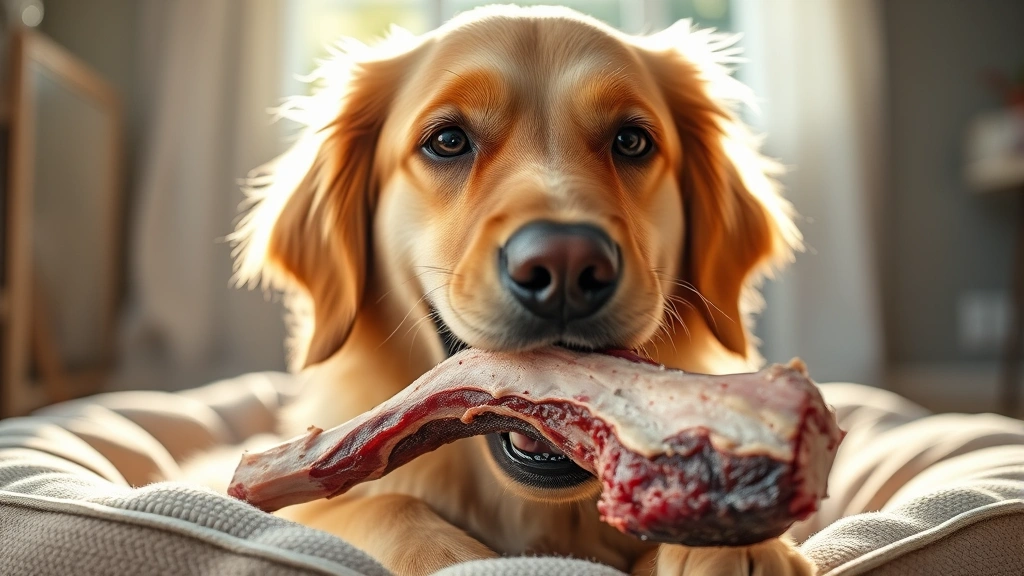
So you’re wondering why do dogs chew bones? Well, buckle up, because the answer is way more interesting than “they just like it.” Your pup isn’t randomly gnawing on a bone because they’re bored (okay, sometimes they are), but there’s actual science and instinct packed into every chomp. Let’s dig into the nitty-gritty of canine bone-chewing behavior and figure out what’s really going on in that furry little head of yours.
Table of Contents
- The Ancestral Instinct: Why Dogs Are Hardwired to Chew
- Dental Health and Natural Teeth Cleaning Benefits
- Stress Relief and Anxiety Reduction Through Chewing
- Nutritional Value: The Marrow and Mineral Jackpot
- Boredom Busting and Mental Stimulation
- Teething Puppies: Natural Pain Relief During Growth Phases
- Scent Marking and Territorial Behavior
- Jaw Strength Development and Exercise
- The Role of Taste and Texture Preferences
- Health Risks and Safe Bone-Chewing Practices
- Alternatives to Real Bones: Safe Chewing Options
- When to Worry: Signs of Problematic Chewing Behavior
- Summary: Understanding Your Dog’s Bone-Chewing Behavior
- Frequently Asked Questions
The Ancestral Instinct: Why Dogs Are Hardwired to Chew
Dogs didn’t just wake up one day and decide bones were delicious. This behavior runs deep in their DNA, inherited from their wild wolf ancestors who hunted, killed, and devoured prey—bones and all. When your golden retriever goes to town on a bone, they’re tapping into millions of years of evolutionary programming. In the wild, wolves and feral dogs would crack open bones to access the nutrient-rich marrow inside, a critical source of fat and calories. Your domesticated pup, lounging on your couch with a rawhide chew, is essentially living out their ancestral dreams. It’s not aggression or destructiveness; it’s pure instinct meeting modern pet ownership.
Dental Health and Natural Teeth Cleaning Benefits
Here’s something vets actually get excited about: bone chewing is nature’s toothbrush. When dogs gnaw on bones, the mechanical action helps scrape away plaque and tartar buildup on their teeth. This natural cleaning process can reduce the risk of gum disease and tooth decay, which means fewer trips to the vet for dental cleanings (and fewer bills for you). The friction created during chewing stimulates saliva production too, which has antimicrobial properties that fight bacteria in the mouth. It’s basically like your dog is flossing while having a snack. Pretty clever, right? Of course, this doesn’t replace regular dental care, but it’s a nice bonus that comes with letting your pup enjoy appropriate chewing objects.
Stress Relief and Anxiety Reduction Through Chewing
Dogs chew when they’re stressed, anxious, or just need to chill out. Chewing releases endorphins—those feel-good chemicals—which have a calming effect on your dog’s nervous system. If your pup is dealing with separation anxiety, loud noises, or general nervousness, offering them a bone or durable chew toy can be therapeutic. The repetitive motion of chewing is meditative for dogs, similar to how humans might stress-eat or fidget when anxious. This is why Kong Extreme Dog Toy Fetch products are so popular—they give anxious dogs a healthy outlet for their nervous energy. Instead of destructive chewing on your furniture, a good bone redirects that anxiety into something productive and satisfying.
Nutritional Value: The Marrow and Mineral Jackpot
Let’s talk nutrients. Bones aren’t just something to gnaw on; they’re packed with nutritional goodness. The marrow inside bones is rich in fat, collagen, and essential minerals like calcium and phosphorus. When dogs chew and eventually consume small pieces of bone, they’re getting a natural supplement that supports bone health, joint function, and a shiny coat. Raw bones, in particular, contain more bioavailable nutrients than processed alternatives. That said, not all bones are created equal, and some can splinter or cause digestive issues. This is why choosing the right type of bone matters—raw meaty bones are generally safer than cooked bones, which become brittle and prone to splintering. Always supervise your dog during bone chewing sessions to ensure they’re not ingesting large chunks that could cause blockages.
Boredom Busting and Mental Stimulation
A bored dog is a destructive dog, and bone chewing is the ultimate boredom buster. Dogs need mental and physical stimulation, and chewing engages their brain while keeping their mouth and teeth busy. For dogs with high chewing drives or those left alone for extended periods, having appropriate chew objects is essential. This is especially true for low energy dog breeds that might otherwise resort to destructive behaviors indoors. The act of working through a bone requires problem-solving and persistence, which provides cognitive enrichment. Think of it as a puzzle toy that also tastes amazing. When your dog is occupied with a bone, they’re not chewing your shoes, your couch, or your favorite pair of socks.
Teething Puppies: Natural Pain Relief During Growth Phases
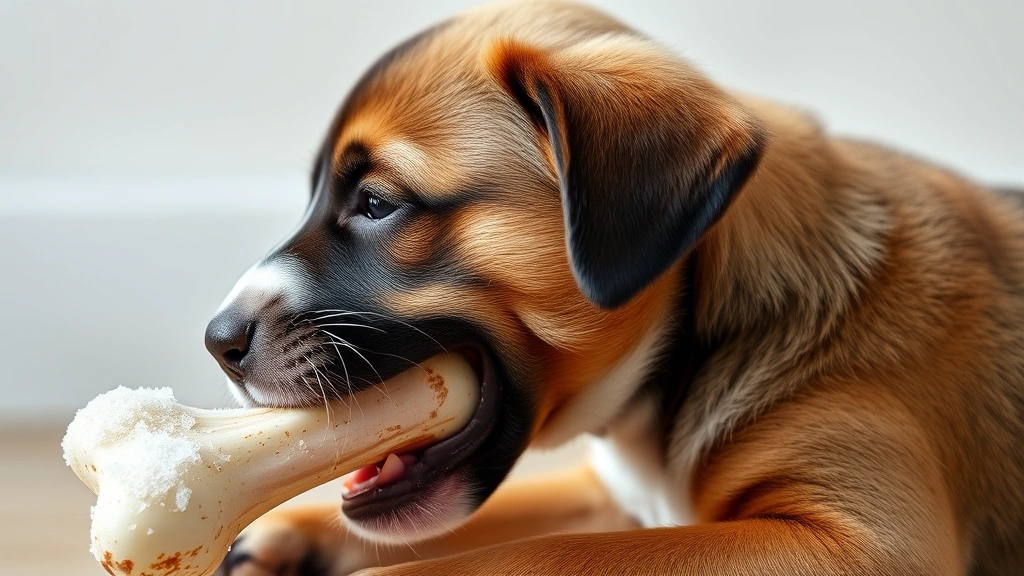
Puppies chew bones for a completely different reason than adult dogs: pain relief. When puppies are teething (usually between 3 to 6 months old), their gums are sore, swollen, and uncomfortable as new teeth push through. Chewing on bones—especially cold or frozen ones—provides numbing relief similar to how a teething ring helps human babies. The pressure and coolness soothe inflamed gums and help ease the discomfort of emerging permanent teeth. Offering appropriate chew toys during this phase is crucial for managing puppy teething behavior and preventing them from gnawing on inappropriate objects. Frozen bones or specialized puppy chew toys can be lifesavers during this stage.
Scent Marking and Territorial Behavior
Dogs have a powerful sense of smell, and bones carry scent markers that are meaningful to them. When your dog chews a bone, they’re also leaving their saliva on it, essentially claiming it as theirs. This is a form of territorial behavior and scent marking, even if it’s subtle. In multi-dog households, this is why dogs might guard their bones—they’re marking territory and establishing ownership. Understanding this behavior helps explain why some dogs become possessive over chew items and why it’s important to manage bone-chewing in households with multiple pets. This territorial aspect of bone chewing is another throwback to their wild ancestors, who would guard food sources to ensure survival.
Jaw Strength Development and Exercise
Chewing bones is like CrossFit for your dog’s jaw. The resistance and effort required to gnaw through a bone builds and maintains jaw strength, which is important for overall health and function. Regular chewing exercise keeps the jaw muscles toned and flexible, contributing to better bite force and overall oral health. For working dogs or breeds with strong bite drives, appropriate chewing outlets are essential for proper development and muscle maintenance. This is why puppies especially benefit from varied chew toys—they’re building the strength and coordination they’ll need as adults. The physical exertion involved in bone chewing also counts as exercise, which is beneficial for dogs that need mental and physical activity.
The Role of Taste and Texture Preferences
Let’s be honest: bones taste good to dogs. The combination of marrow, meat residue, and the unique texture creates a flavor profile that’s absolutely irresistible to most canines. Different bones offer different tastes and textures—raw knuckle bones have a different feel than marrow bones or chicken bones. Dogs develop preferences based on their individual taste buds and sensory experiences. Some dogs prefer softer, more pliable chews, while others love the challenge of harder bones. Understanding your dog’s texture and taste preferences helps you select appropriate chew items that they’ll actually enjoy. This is also why chewing on sticks appeals to many dogs—the texture and taste are naturally appealing, though safety is always a concern with natural objects.
Health Risks and Safe Bone-Chewing Practices
Not all bone chewing is created equal, and there are legitimate risks to consider. Cooked bones become brittle and can splinter, potentially causing intestinal blockages or perforations—a serious veterinary emergency. Bones that are too small can be swallowed whole and cause choking or blockages. Excessive bone chewing can lead to fractured teeth, especially in aggressive chewers. Raw meaty bones are generally safer than cooked alternatives, but supervision is always necessary. According to the American Kennel Club, pet owners should choose appropriately sized bones, supervise chewing sessions, and remove bones if they become small enough to swallow. If your dog shows signs of digestive distress after bone chewing, consult your veterinarian immediately. Always prioritize safety over convenience when it comes to your pup’s chewing habits.
Alternatives to Real Bones: Safe Chewing Options
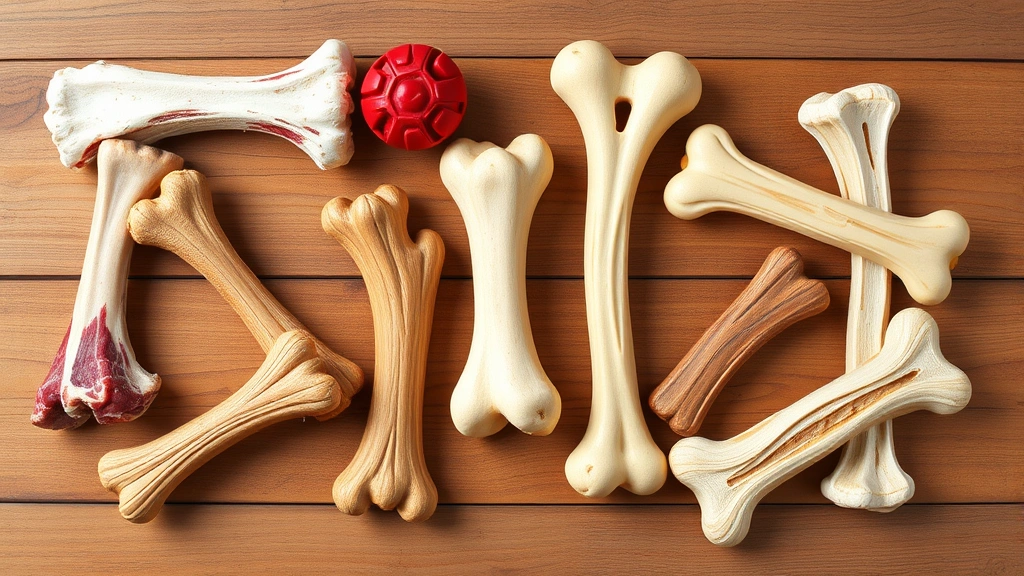
If you’re concerned about the risks of real bones, there are plenty of safe alternatives. Rubber chew toys like Kong Extreme toys are durable, long-lasting, and can be filled with treats or frozen for added enrichment. Dental chews are specifically designed to promote oral health while satisfying the chewing urge. Bully sticks, yak chews, and other natural alternatives provide the satisfaction of chewing without some of the risks associated with real bones. Lick mats offer a different type of enrichment that satisfies the need to work for food without the bone-chewing element. Rope toys, puzzle toys, and interactive chew toys all provide mental stimulation and satisfy the chewing drive. The key is finding what works best for your individual dog’s needs, preferences, and safety profile. Consult with your vet about the safest options for your specific pup, especially if they have a history of gagging or swallowing issues.
When to Worry: Signs of Problematic Chewing Behavior
While normal bone chewing is healthy, excessive or obsessive chewing can indicate underlying issues. If your dog is chewing destructively on inappropriate objects, it might signal anxiety, boredom, or even medical problems like dental disease or parasites. Sudden changes in chewing behavior warrant a vet visit—they could indicate pain, nutritional deficiencies, or behavioral issues. Some dogs develop compulsive chewing disorders that require professional intervention. If your pup is chewing to the point of injuring their mouth, breaking teeth, or showing signs of distress, it’s time to consult a veterinarian or certified animal behaviorist. Understanding the difference between normal, healthy bone chewing and problematic behavior is crucial for your dog’s wellbeing. According to PetMD, excessive chewing can sometimes indicate serious health or behavioral issues that shouldn’t be ignored.
Summary: Understanding Your Dog’s Bone-Chewing Behavior
So, why do dogs chew bones? The answer is multifaceted: it’s instinct, it’s health maintenance, it’s stress relief, and it’s just plain fun for your furry friend. Dogs chew bones because their ancestors did, because it feels good, because it cleans their teeth, and because bones taste amazing. Understanding the “why” behind this behavior helps you provide appropriate outlets for your dog’s natural chewing drive while keeping them safe. Whether you choose real bones, safe alternatives, or a combination of both, the key is supervision, appropriate sizing, and knowing your individual dog’s needs and preferences. Bone chewing is a normal, healthy behavior when done safely—so let your pup enjoy their natural instincts while you enjoy a few moments of peace and quiet.
Frequently Asked Questions
Is it safe for dogs to chew bones?
Raw meaty bones are generally safer than cooked bones, which can splinter and cause serious digestive issues. Always supervise bone chewing, choose appropriately sized bones, and remove them if they become small enough to swallow. If you’re unsure, consult your veterinarian about the safest options for your specific dog.
Can bones help clean my dog’s teeth?
Yes! The mechanical action of chewing bones helps scrape away plaque and tartar buildup, reducing the risk of gum disease and tooth decay. However, bone chewing shouldn’t replace regular dental care and professional cleanings recommended by your vet.
Why does my dog guard their bone so aggressively?
Dogs guard bones due to territorial instinct and resource guarding behavior—it’s a throwback to their wild ancestors protecting food sources. This is normal behavior, but managing it properly in multi-dog households is important to prevent conflicts and injuries.
What are the best alternatives to real bones?
Safe alternatives include Kong toys, bully sticks, yak chews, dental chews, rope toys, and puzzle toys. Each offers different benefits and levels of enrichment. Choose based on your dog’s chewing style, preferences, and any safety concerns your vet has mentioned.
How often should I give my dog a bone to chew?
Most dogs can safely chew bones several times per week, though frequency depends on individual dogs, their chewing intensity, and your vet’s recommendations. Monitor your dog’s teeth and digestive health, and adjust frequency accordingly if you notice any issues.





