
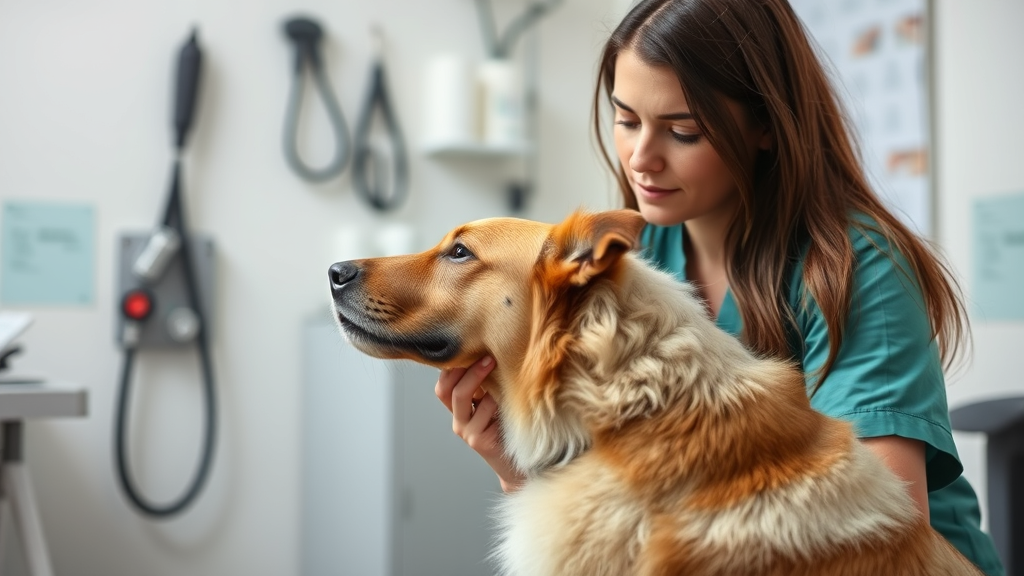
Watching your dog drag their bottom across the floor can be both concerning and embarrassing, especially when it happens in front of guests. This behavior, commonly known as scooting, is more than just an awkward moment—it’s often your dog’s way of communicating that something is bothering them. Understanding why dogs engage in this behavior is crucial for addressing the underlying causes and helping your furry friend find relief.
Scooting is a natural canine response to discomfort in the anal area, and while it might seem humorous to observers, it typically indicates an issue that requires attention. From impacted anal glands to intestinal parasites, several factors can contribute to this behavior. The good news is that most causes of scooting are treatable, and with proper care and preventive measures, you can help your dog stop this uncomfortable habit for good.
Understanding Why Dogs Scoot
When dogs drag their bottom across the ground, they’re attempting to relieve discomfort, itching, or irritation in their anal region. This instinctive behavior serves as their primary method of addressing issues they cannot reach with their paws or mouth. The scooting motion helps them apply pressure and friction to the affected area, providing temporary relief from whatever is bothering them.
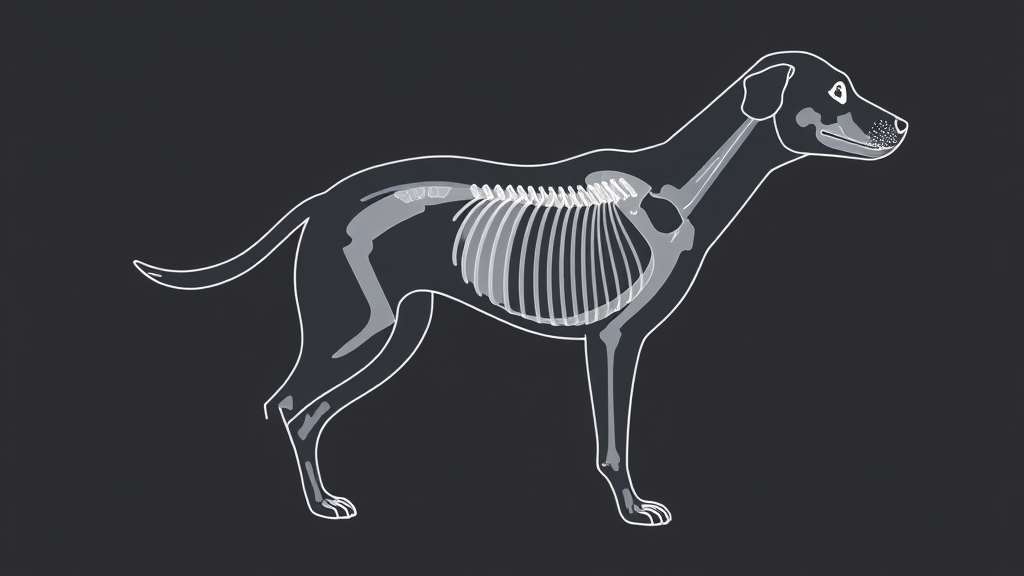
The anatomy of a dog’s rear end includes several sensitive structures that can become problematic. Most notably, dogs have two small anal glands (also called anal sacs) located on either side of their anus. These glands normally empty during bowel movements, but when they become impacted, infected, or inflamed, they can cause significant discomfort that leads to scooting behavior.
It’s important to recognize that scooting is not a behavioral problem that can be trained away—it’s a physical response to discomfort. Punishing or discouraging this behavior without addressing the underlying cause will only lead to continued distress for your pet. Instead, focus on identifying and treating the root cause to provide lasting relief.
Common Causes of Scooting Behavior
Several factors can contribute to why dogs drag their butt across surfaces, and understanding these causes is essential for effective treatment. The most frequent culprits include anal gland issues, which account for the majority of scooting cases. However, other conditions such as intestinal parasites, allergies, and skin irritations can also trigger this behavior.
Dietary factors play a significant role in scooting frequency. Dogs fed low-quality diets or those lacking sufficient fiber may experience softer stools that don’t adequately express the anal glands during defecation. This can lead to impaction and subsequent scooting. Additionally, food allergies can cause inflammation and itching around the anal area, prompting dogs to seek relief through scooting.
Environmental allergens such as pollen, dust mites, or cleaning chemicals can also irritate sensitive skin around the rear end. Some dogs may develop contact dermatitis from certain fabrics, grass types, or even the materials in their bedding, leading to localized itching and scooting behavior.
Anal Gland Problems: The Primary Culprit
Anal gland issues represent the most common reason for scooting behavior in dogs. These small, grape-sized sacs are located at approximately the 4 and 8 o’clock positions around the anus and contain a foul-smelling secretion used for scent marking. Under normal circumstances, these glands empty naturally during bowel movements when firm stools apply adequate pressure.
When anal glands become impacted, they fill with thick, pasty material that cannot be expressed naturally. This condition causes significant discomfort and pressure, leading dogs to scoot in an attempt to manually express the glands. If left untreated, impacted anal glands can become infected, forming painful abscesses that may require surgical intervention.
Signs of anal gland problems include not only scooting but also excessive licking of the anal area, a fishy odor, swelling around the anus, and difficulty sitting comfortably. Some dogs may chase their tails more frequently or show signs of general discomfort when the glands are problematic. According to the American Kennel Club, small breed dogs are more prone to anal gland issues due to their anatomy and stool consistency.
Parasites and Infections
Intestinal parasites are another significant cause of scooting behavior in dogs. Worms such as tapeworms, roundworms, and whipworms can cause irritation and itching around the anal area, prompting dogs to drag their bottom for relief. Tapeworms are particularly notorious for causing scooting, as segments of the worm can be seen around the anus and cause intense itching.
Understanding what worms look like in dog poop can help you identify a potential parasite problem early. Additionally, learning how to tell if your dog has worms through other symptoms can prompt faster treatment and resolution of scooting behavior.
Bacterial or fungal infections in the anal area can also trigger scooting. These infections may develop secondary to other conditions like allergies or anal gland problems, creating a cycle of irritation and discomfort. The American Veterinary Medical Association recommends regular fecal examinations to detect and treat parasites before they cause significant discomfort.
Yeast infections are particularly common in dogs with compromised immune systems or those taking antibiotics. These infections can cause intense itching and inflammation, making scooting a natural response to the discomfort. Proper diagnosis through veterinary examination and appropriate antifungal treatment can resolve these issues effectively.

Allergies and Skin Irritation
Food allergies and environmental sensitivities can manifest as skin irritation around the anal area, leading to scooting behavior. Common food allergens for dogs include beef, chicken, dairy, wheat, and soy. When dogs have food sensitivities, inflammation can occur throughout the digestive tract and surrounding tissues, including the sensitive skin around the anus.
Environmental allergies to pollen, mold, dust mites, or other airborne particles can also cause localized itching and irritation. Some dogs may be sensitive to certain fabrics, cleaning products, or even the grass in their yard. This type of contact dermatitis can make the anal area uncomfortable and prompt scooting behavior.
Interestingly, dogs with allergies may exhibit other behaviors as well, such as excessive paw licking. If you notice your pet engaging in multiple unusual behaviors, understanding why dogs lick their paws can provide insight into potential underlying allergic conditions that might also be contributing to scooting.
Seasonal patterns in scooting behavior can help identify environmental allergens. Dogs that scoot more frequently during spring or fall may be reacting to increased pollen levels, while year-round symptoms might suggest food allergies or indoor environmental factors.
When to See a Veterinarian
While occasional, brief episodes of scooting may not require immediate veterinary attention, persistent or frequent scooting definitely warrants professional evaluation. You should schedule a veterinary appointment if your dog scoots more than once or twice per week, shows signs of pain or discomfort, or if the behavior is accompanied by other symptoms.
Red flag symptoms that require prompt veterinary care include swelling around the anus, visible discharge or bleeding, a strong fishy or foul odor, difficulty defecating, or signs of pain when sitting or walking. These symptoms may indicate serious conditions such as anal gland abscesses, severe infections, or other complications that require immediate treatment.
The Humane Society emphasizes the importance of professional diagnosis, as attempting to treat scooting at home without understanding the underlying cause can sometimes worsen the condition or delay necessary treatment.
During the veterinary examination, your doctor will likely perform a physical examination including a rectal exam to check the anal glands, examine a fecal sample for parasites, and discuss your dog’s diet and recent changes in behavior. This comprehensive approach ensures accurate diagnosis and appropriate treatment.
Safe Home Remedies and Care
While professional veterinary care is often necessary for persistent scooting, there are some safe home remedies and preventive measures you can implement. Maintaining proper hygiene by gently cleaning your dog’s anal area with warm water and mild, pet-safe cleansers can help remove irritants and provide comfort.
Dietary modifications can significantly impact scooting behavior. Adding fiber to your dog’s diet through pumpkin, sweet potato, or veterinary-recommended fiber supplements can help firm up stools and promote natural anal gland expression. However, always consult with your veterinarian before making significant dietary changes.
Some dogs benefit from regular grooming around the anal area, particularly long-haired breeds where fecal matter can accumulate and cause irritation. Keeping this area clean and well-trimmed can prevent many hygiene-related scooting episodes. Just as understanding how to clean dogs ears is important for overall health, maintaining anal area hygiene is equally crucial.
Warm compresses applied to the anal area for 5-10 minutes can provide temporary relief from discomfort and may help with minor anal gland issues. However, this should be done gently and only as a temporary measure while seeking veterinary care for persistent problems.
Prevention Strategies for Long-term Success
Preventing scooting requires a comprehensive approach that addresses the most common underlying causes. Regular veterinary check-ups, typically every 6-12 months, allow for early detection and treatment of anal gland problems, parasites, and other issues before they become severe enough to cause scooting.
Maintaining your dog on a high-quality diet with appropriate fiber content is crucial for healthy bowel movements and natural anal gland expression. Work with your veterinarian to determine the best diet for your dog’s specific needs, considering factors such as age, size, activity level, and any existing health conditions.
Regular parasite prevention through monthly heartworm and intestinal parasite medications can prevent worm infestations that commonly cause scooting. The Centers for Disease Control and Prevention provides guidelines for responsible pet ownership including parasite prevention protocols.
For dogs prone to anal gland issues, some veterinarians recommend regular professional expression of the glands every 4-8 weeks. However, this should only be done by trained professionals, as improper technique can cause injury or trauma to the delicate gland structures.
Weight management plays a crucial role in preventing scooting, as overweight dogs are more prone to anal gland problems and may have difficulty with natural gland expression. Maintaining your dog at an appropriate weight through proper diet and regular exercise supports overall anal health.
Environmental management can help dogs with allergies that contribute to scooting. This may include using hypoallergenic bedding, avoiding certain cleaning products, or managing exposure to known allergens. Some dogs may also exhibit other stress-related behaviors during allergy flare-ups, and understanding why dogs lick everything can help identify broader allergic or anxiety-related issues.
Additionally, being aware of other behavioral changes in your pet can help you address multiple issues simultaneously. For instance, if you notice unusual eating habits alongside scooting, understanding why dogs eat poop might reveal digestive issues that could be contributing to both behaviors.
Frequently Asked Questions
How often is normal for a dog to scoot?
Occasional scooting (once or twice per month) may be normal, especially if it’s brief and resolves quickly. However, frequent scooting (more than once per week) or prolonged episodes typically indicate an underlying problem that requires veterinary attention. Any scooting accompanied by other symptoms should be evaluated promptly.
Can I express my dog’s anal glands at home?
While it’s technically possible to express anal glands at home, it’s not recommended for inexperienced pet owners. Improper technique can cause serious injury, trauma, or infection. It’s safer and more effective to have anal gland expression performed by a veterinarian or professional groomer trained in the procedure.
Will changing my dog’s diet stop the scooting?
Dietary changes can help with scooting caused by soft stools or food allergies, but they won’t resolve issues like impacted anal glands or parasites. Adding fiber to promote firmer stools can help with natural anal gland expression, but any persistent scooting should be evaluated by a veterinarian to determine the specific cause.
Is scooting always a sign of anal gland problems?
No, while anal gland issues are the most common cause of scooting, other conditions like intestinal parasites, allergies, skin irritation, or infections can also trigger this behavior. Proper veterinary diagnosis is essential to identify the specific cause and provide appropriate treatment.
How long does it take for scooting to stop after treatment?
The timeline for resolution depends on the underlying cause. Anal gland expression may provide immediate relief, while parasite treatments typically show improvement within 1-2 weeks. Allergic conditions may take longer to resolve, requiring 4-6 weeks of treatment and environmental management for significant improvement.
Can certain dog breeds be more prone to scooting?
Yes, small breed dogs are generally more prone to anal gland problems due to their anatomy and typically softer stools. Breeds like Chihuahuas, Cocker Spaniels, and Poodles commonly experience anal gland issues. Additionally, dogs with food allergies or sensitive digestive systems may scoot more frequently regardless of breed.
Should I be concerned if my dog suddenly starts scooting frequently?
Yes, sudden onset of frequent scooting warrants veterinary attention, especially if accompanied by other symptoms like odor, swelling, or signs of discomfort. Rapid changes in behavior often indicate acute problems that may require prompt treatment to prevent complications or worsening of the condition.





