
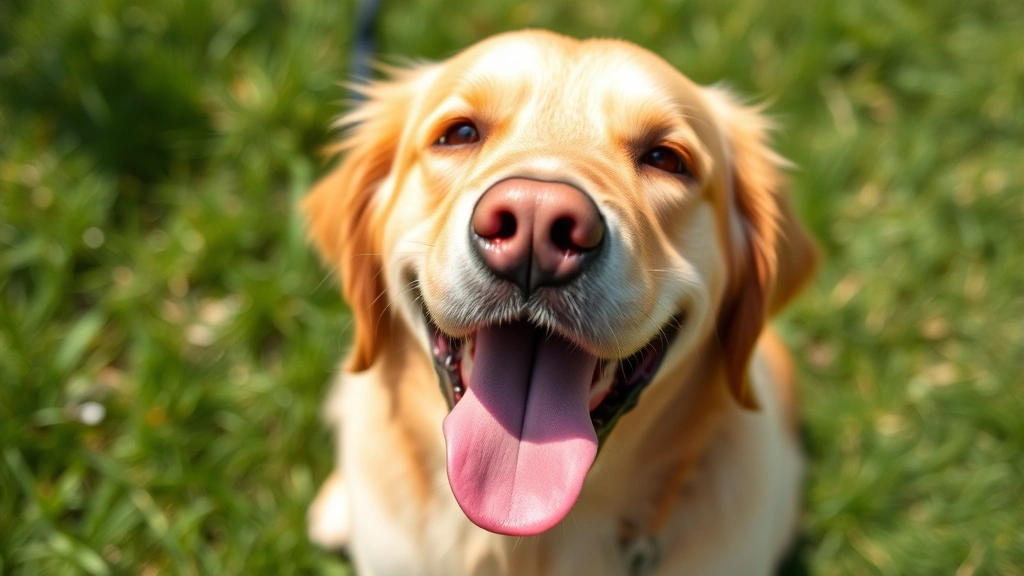
Why Do Dogs Drool? Understanding the Reasons Behind Your Pup’s Slobber
If you’re a dog owner, you’ve probably experienced the joy of finding a wet spot on your couch or feeling a string of drool on your pants leg. Drooling is one of those quirky dog behaviors that can range from endearing to downright messy, but have you ever wondered why do dogs drool? The answer isn’t as simple as you might think. While some drooling is completely normal and healthy, excessive slobbering can sometimes indicate underlying health issues that need attention.
Dogs drool for a variety of reasons, from the completely natural and biological to signs that something might need veterinary care. Understanding what’s behind your dog’s drooling can help you determine whether it’s just part of their personality or a red flag worth investigating. Whether your furry friend is a heavy drooler by breed or you’ve noticed a sudden change in their drooling habits, this comprehensive guide will help you understand what’s going on.
In this article, we’ll explore the fascinating science behind canine drooling, the different reasons dogs produce saliva, and when you should be concerned about excessive slobbering. By the end, you’ll have a clear understanding of your dog’s drooling habits and be better equipped to keep your pup healthy and happy.
The Biology of Dog Drool: How It Works
To understand why dogs drool, we first need to understand what’s actually happening in their mouths. Saliva production is a natural biological process in all mammals, including dogs. Your dog’s salivary glands work continuously to produce saliva, which serves several critical functions for their health and well-being.
Dogs have several pairs of salivary glands located throughout their mouth and head. These glands produce saliva that helps with digestion, keeps the mouth moist, and protects teeth and gums. The submandibular glands, located under the jaw, are the primary producers of saliva in dogs. Unlike humans who produce saliva mainly during meals, dogs produce saliva almost constantly throughout the day.
Saliva in dogs contains enzymes that begin the digestive process, but it also serves a protective function. It contains antibacterial properties that help prevent infections and keep the mouth healthy. This is why you’ll often see dogs licking their wounds—they’re instinctively using their saliva’s healing properties.
The amount of drool your dog produces depends on several factors, including their individual physiology, breed characteristics, emotional state, and overall health. Some dogs are simply more prone to drooling than others, and that’s perfectly normal. However, understanding the biological mechanisms can help you recognize when something might be amiss.
Normal Reasons Dogs Drool
There are many perfectly normal and healthy reasons why your dog might be drooling. Understanding these common causes can help you relax when you see your pup’s tongue hanging out with a bit of slobber.
Anticipation of Food
One of the most common reasons dogs drool is the anticipation of food. When dogs see, smell, or even hear food-related cues (like the sound of a can opener or the rustling of a treat bag), their salivary glands kick into high gear. This is a conditioned response that’s similar to Pavlov’s famous experiments. Your dog’s body is preparing for digestion before the food even reaches their stomach. If you notice your dog drooling more during meal times or when you’re preparing food, this is completely normal behavior.
Excitement and Happiness
Dogs often drool when they’re excited or happy. Whether your pup is greeting you at the door, getting ready for a walk, or playing with their favorite toy, increased drooling can be a sign of positive emotions. This is especially common in dogs that are highly food-motivated or play-driven. The excitement triggers increased saliva production, which is a natural physiological response.
Heat and Temperature Regulation
During hot weather or after exercise, dogs may drool more as part of their temperature regulation process. While dogs primarily cool themselves through panting (which you can read more about in our article on why do dogs pant), increased drooling can also be part of this cooling mechanism. If your dog is drooling excessively during summer months or after a vigorous play session, it’s likely just their body’s way of staying cool.
Stress and Anxiety
Interestingly, dogs also drool when they’re stressed or anxious. If your dog drools more during thunderstorms, car rides, or visits to the vet, this could indicate they’re feeling nervous or overwhelmed. Some dogs also drool when they’re trying to calm themselves down, similar to how humans might take deep breaths during stressful situations.
Mouth and Dental Issues
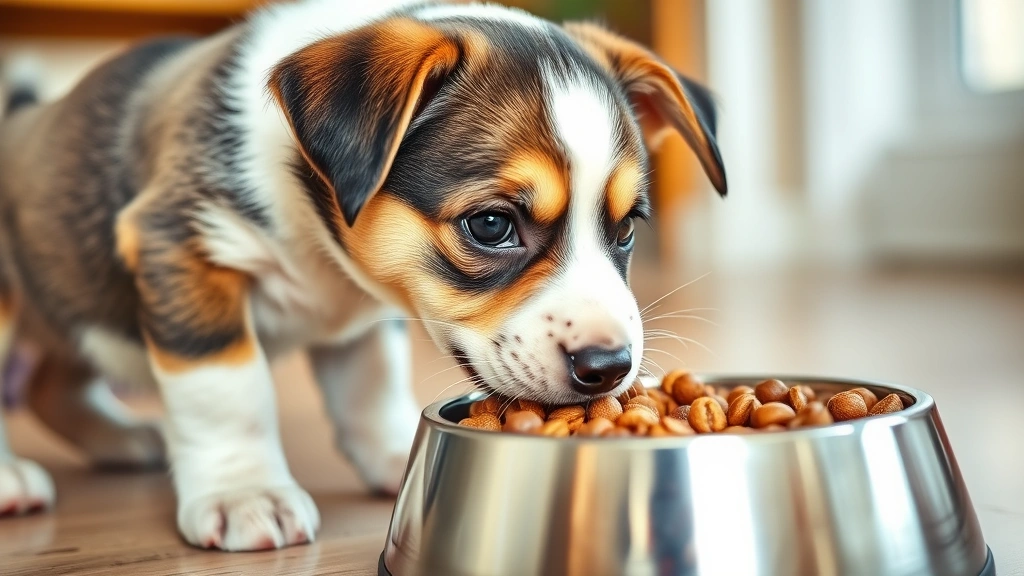
Sometimes drooling can be related to minor discomfort in the mouth. If your dog has food stuck between their teeth, a small irritation, or is teething (in puppies), they might drool more than usual. This is usually temporary and resolves on its own once the irritant is removed or the tooth fully emerges.
Breed Differences in Drooling
Not all dogs drool equally. In fact, some breeds are notorious for their slobbery nature, while others barely drool at all. This breed-specific drooling is largely determined by genetics and the structure of a dog’s mouth and jowls.
Heavy Drooling Breeds
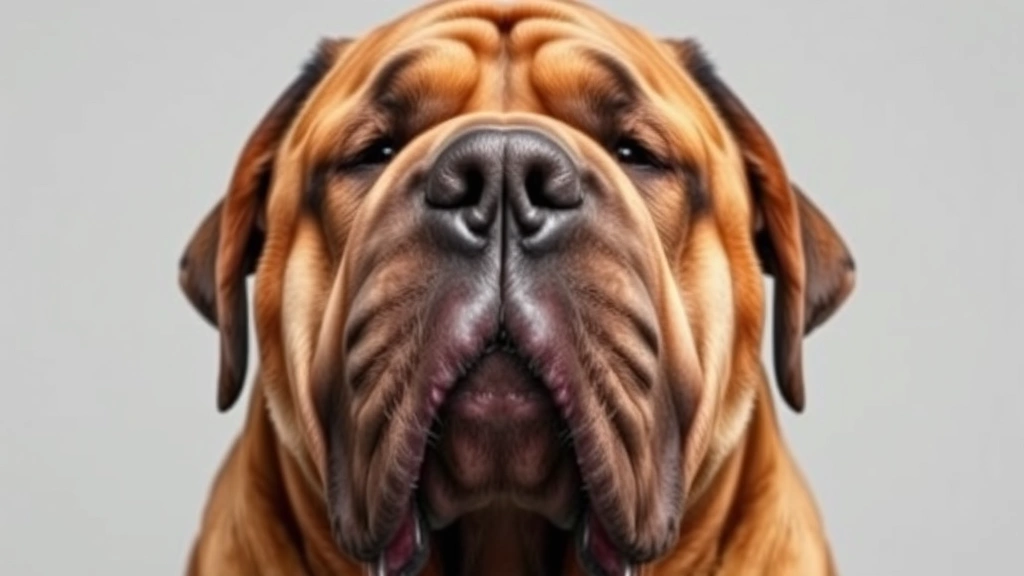
Certain dog breeds are predisposed to heavy drooling due to their physical characteristics. Breeds with loose lips and jowls, such as Bulldogs, Mastiffs, Saint Bernards, and Bloodhounds, naturally drool more than other breeds. These dogs have excess skin around their mouth that doesn’t seal tightly, allowing saliva to escape more easily. If you own one of these breeds, drooling is simply part of the package and not cause for concern.
The loose skin around the mouths of these breeds actually served a purpose historically. Bloodhounds, for example, were bred to track scents over long distances, and their droopy lips helped trap scent particles. Mastiffs and Bulldogs were bred for other tasks where their facial structure became a breed standard.
Light Drooling Breeds
On the opposite end of the spectrum, some breeds are known for minimal drooling. Breeds with tighter lips and less excess skin, such as Poodles, Chihuahuas, and many terrier breeds, tend to drool very little under normal circumstances. If you have one of these breeds and notice a sudden increase in drooling, it might be worth investigating further as it could indicate a change in their health status.
Individual Variation
Even within the same breed, individual dogs can have different drooling tendencies. Some dogs are simply more slobbery than their littermates, and this is perfectly normal. Your dog’s unique personality, stress levels, and individual metabolism all play a role in how much they drool.
When Drooling Becomes a Health Concern
While most drooling is normal and healthy, there are times when excessive drooling can indicate an underlying health problem. Knowing the difference between normal slobbering and problematic drooling is important for your dog’s well-being.
Sudden Changes in Drooling Habits
If your dog suddenly starts drooling significantly more than usual, this is worth paying attention to. A sudden change in any bodily function can indicate that something has changed with your dog’s health. This is especially concerning if your dog is a breed or individual that typically doesn’t drool much. Keep track of when the increased drooling started and any other symptoms you might have noticed.
Excessive Drooling Combined with Other Symptoms
Drooling becomes more concerning when it’s accompanied by other symptoms. If your dog is drooling excessively while also showing signs of breathing heavy or having difficulty swallowing, this warrants veterinary attention. Other concerning symptoms paired with drooling include bad breath (learn more about why your dog’s breath stinks), difficulty eating, swelling in the face or jaw, or behavioral changes.
Foul-Smelling Drool
If your dog’s drool has an unpleasant odor, this could indicate dental disease or oral infections. While some dog breath isn’t pleasant, drool that smells particularly foul might suggest periodontal disease or other mouth infections. You can learn more about addressing this issue in our guide on how to get rid of bad dog breath fast.
Drooling Accompanied by Behavioral Changes
Pay attention if your dog’s excessive drooling is coupled with behavioral changes. If your normally active dog becomes lethargic while drooling more, or if they seem to be in pain, these are red flags. Similarly, if your dog’s licking behavior increases along with drooling, it might indicate stress or anxiety that needs to be addressed.
Medical Conditions That Cause Excessive Drooling
Several medical conditions can cause excessive drooling in dogs. If you suspect your dog’s drooling might be health-related, understanding these conditions can help you have a more informed conversation with your veterinarian.
Dental Disease and Oral Infections
One of the most common medical causes of excessive drooling is dental disease. Periodontal disease, tooth decay, and oral infections can all trigger increased saliva production. Dogs with dental problems may also have difficulty eating or show a preference for soft foods. Regular dental check-ups and good oral hygiene can help prevent these issues. According to the American Association of Feed Control Officials, proper nutrition also plays a role in maintaining dental health.
Nausea and Gastrointestinal Issues
Dogs experiencing nausea often drool excessively. This can be caused by various gastrointestinal issues, food sensitivities, or eating something they shouldn’t have. If your dog is drooling and seems uncomfortable, if they’re not eating normally, or if they’re having digestive issues, these could all be signs of a gastrointestinal problem. You might want to explore what you can give a dog for upset stomach and when to seek veterinary care.
Neurological Issues
Certain neurological conditions can affect a dog’s ability to swallow properly or control their salivary glands. Conditions like epilepsy, stroke, or nerve damage can result in excessive drooling. These conditions are often accompanied by other neurological symptoms such as tremors, loss of coordination, or behavioral changes.
Infections and Illnesses
Viral or bacterial infections can cause inflammation in the mouth and throat, leading to increased drooling. Conditions like canine distemper, rabies, or other infectious diseases may present with excessive drooling as one symptom. This is why it’s crucial to keep your dog’s vaccinations current.
Foreign Objects and Mouth Injuries
If your dog has something stuck in their mouth, between their teeth, or has an injury to their mouth or throat, they may drool excessively. Splinters from sticks, grass awns, or other foreign objects can cause irritation and increased saliva production. If you suspect your dog has something lodged in their mouth, seek veterinary attention promptly.
Tumors and Growths
In older dogs, excessive drooling can sometimes indicate oral tumors or other growths in the mouth. These can interfere with normal swallowing and saliva management. Early detection is important, so any unusual changes warrant a veterinary evaluation.
Kidney and Liver Disease
Chronic conditions like kidney disease or liver disease can cause excessive drooling as one of many symptoms. These systemic diseases often present with multiple signs including changes in appetite, increased thirst, and behavioral changes alongside increased drooling.
Managing Your Dog’s Drooling
Whether your dog’s drooling is normal or health-related, there are strategies you can employ to manage it and keep your home cleaner.
Practical Solutions for Heavy Droolers
If you have a breed prone to drooling, invest in some practical tools. Washable drool bibs or bandanas can catch excess saliva and keep your dog more comfortable. Keep towels handy for wiping your dog’s face and mouth. You might also consider furniture covers or blankets in areas where your dog likes to rest. Many owners of heavy drooling breeds find that having a dedicated “dog towel” by the door for post-outdoor cleanup is invaluable.
Maintain Good Oral Hygiene
Regular teeth brushing can help prevent dental disease, which is a common cause of excessive drooling. Aim to brush your dog’s teeth several times a week, or daily if possible. Professional dental cleanings from your veterinarian are also important, especially as your dog ages. According to the American Association of Feed Control Officials, proper dental care is part of overall health maintenance.
Monitor Your Dog’s Health
Keep track of your dog’s drooling patterns and any changes you notice. Document when the drooling occurs, how much it is, and whether it’s accompanied by other symptoms. This information will be invaluable if you need to discuss concerns with your veterinarian. Taking photos or videos can also help your vet understand the extent of the issue.
Regular Veterinary Check-ups
Schedule regular wellness exams for your dog, especially as they age. Your veterinarian can assess your dog’s oral health, check for any abnormalities, and discuss any concerns you have about drooling or other behavioral changes. The American Kennel Club recommends regular veterinary care as part of responsible pet ownership.
Address Underlying Health Issues
If your dog’s excessive drooling is related to stress, anxiety, or other health conditions, work with your veterinarian to address the root cause. Whether it’s medication, behavioral training, or dietary changes, treating the underlying issue often helps reduce excessive drooling.
Proper Hydration and Nutrition
Ensure your dog is eating a high-quality diet and has access to fresh water. Proper nutrition supports overall health, including oral health. Some dogs may benefit from dental-specific diets that help keep teeth clean through their texture and composition.
Frequently Asked Questions
Is it normal for dogs to drool?
Yes, it’s completely normal for dogs to drool. All dogs produce saliva, and many dogs drool regularly, especially certain breeds with loose lips and jowls. The amount of drooling varies by breed, individual dog, and circumstances. However, a sudden increase in drooling warrants investigation.
Why does my dog drool when they’re excited?
Dogs drool when excited because their salivary glands become more active during heightened emotional states. Excitement triggers physiological responses in your dog’s body, including increased saliva production. This is a normal, healthy response and isn’t cause for concern.
Can excessive drooling indicate a serious health problem?
Excessive drooling can sometimes indicate health issues, particularly when accompanied by other symptoms like difficulty swallowing, bad breath, behavioral changes, or difficulty eating. If your dog’s drooling habits have changed suddenly or seem excessive compared to their normal pattern, consult your veterinarian.
What breeds are known for heavy drooling?
Breeds commonly known for heavy drooling include Bulldogs, Mastiffs, Saint Bernards, Bloodhounds, Boxers, and Basset Hounds. These breeds have loose skin around their mouths and jowls that don’t seal tightly, allowing saliva to escape more easily.
How can I tell if my dog’s drooling is a sign of a health problem?
Watch for sudden changes in drooling habits, accompanying symptoms like difficulty swallowing or eating, foul-smelling drool, behavioral changes, or signs of pain or discomfort. If your dog’s drooling is accompanied by lethargy, loss of appetite, or other concerning symptoms, schedule a veterinary appointment.
Should I be concerned about my dog’s drool?
In most cases, dog drool is nothing to worry about. However, if you notice a significant change from your dog’s normal drooling patterns, or if the drooling is accompanied by other symptoms, it’s worth discussing with your veterinarian. When in doubt, it’s always better to err on the side of caution.
Can stress cause dogs to drool more?
Yes, stress and anxiety can cause dogs to drool more than usual. If your dog drools excessively during stressful situations like thunderstorms, car rides, or vet visits, this is likely a stress response. Over time, addressing the underlying anxiety can help reduce stress-related drooling.
What should I do if my dog suddenly starts drooling excessively?
If your dog suddenly starts drooling significantly more than usual, observe them for other symptoms and schedule a veterinary appointment. Your vet can rule out dental disease, infections, foreign objects, or other health issues that might be causing the increased drooling.
Conclusion
Understanding why your dog drools is an important part of being a responsible pet owner. While most drooling is completely normal and healthy—whether your dog is a naturally heavy drooler or just excited about dinner—it’s important to recognize when changes in drooling habits might indicate a health concern. By staying observant, maintaining good oral hygiene, and keeping up with regular veterinary check-ups, you can ensure your furry friend stays healthy and happy. If you ever have concerns about your dog’s drooling or any other aspect of their health, don’t hesitate to reach out to your veterinarian. The ASPCA and your local veterinary clinic are excellent resources for pet health information and care.





