
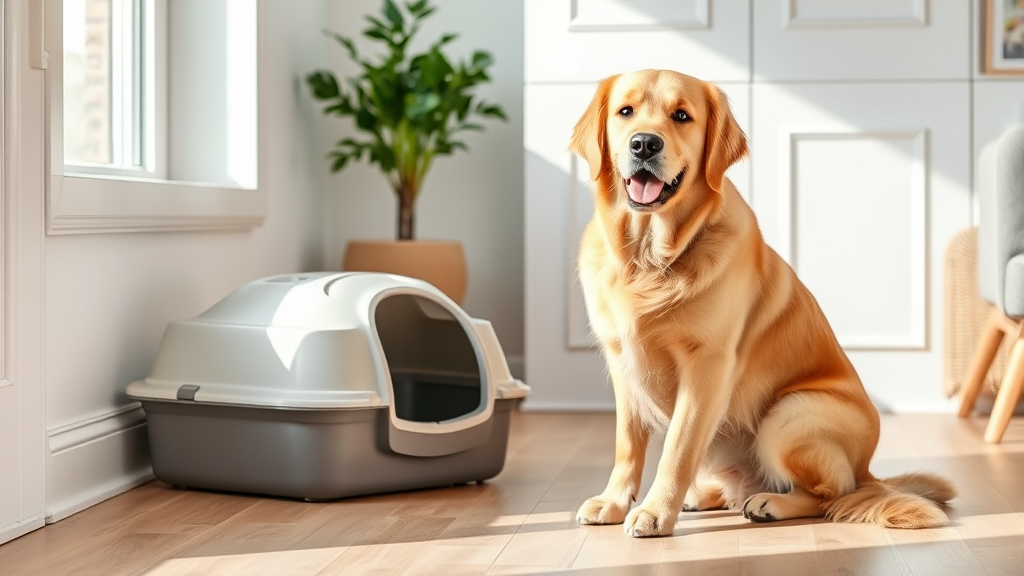
If you’ve ever caught your dog sneaking a forbidden snack from the litter box, you’re not alone. This disgusting behavior, known as coprophagia, is surprisingly common among our canine companions. While it may make you cringe and wonder about your pet’s judgment, understanding why do dogs eat cat poop is the first step toward addressing this unsavory habit.
The good news is that this behavior, while unpleasant, is typically harmless and can be effectively managed with the right strategies. From environmental management to training techniques, there are numerous proven methods to keep your dog away from the litter box and maintain better hygiene in your multi-pet household.
Understanding Why Dogs Eat Cat Feces
The behavior of eating cat feces stems from several evolutionary and behavioral factors that are deeply ingrained in canine nature. Dogs are natural scavengers, and their ancestors survived by consuming whatever nutrients they could find, including the waste of other animals. Cat feces, in particular, contains partially digested proteins and fats that can be appealing to dogs.
From a nutritional standpoint, cat food is typically higher in protein and fat content than dog food, making cat waste more “nutritionally dense” from a dog’s perspective. This is especially true for dogs who may have nutritional deficiencies or are simply drawn to the rich smell and taste. The behavior is also linked to curiosity and exploration, as dogs use their mouths to investigate their environment.
Some dogs develop this habit due to boredom, stress, or attention-seeking behavior. If a dog receives a strong reaction from their owner when caught eating cat feces, they may continue the behavior because any attention, even negative attention, is rewarding to them. Understanding these underlying motivations is crucial for developing an effective prevention strategy.
Potential Health Risks and Concerns
While occasional consumption of cat feces is rarely dangerous for healthy dogs, there are several health considerations pet owners should be aware of. The primary concern is the transmission of parasites and bacteria that may be present in cat waste. Common intestinal parasites like roundworms, hookworms, and Giardia can be transmitted between cats and dogs through fecal matter.
Bacterial infections are another potential risk, particularly if the cat is ill or carrying harmful bacteria like Salmonella or E. coli. These pathogens can cause digestive upset in dogs, leading to symptoms like vomiting, diarrhea, and abdominal discomfort. If your dog experiences these symptoms after consuming cat feces, you may need to know what to feed dog with diarrhea or how to stop diarrhea in dogs.
Additionally, cat litter itself can pose risks if consumed along with the feces. Clay-based litters can cause intestinal blockages, while clumping litters may expand in the digestive tract. Scented litters contain chemicals that could be harmful if ingested in large quantities. Regular veterinary check-ups and parasite screenings become even more important for dogs with this habit.
Immediate Prevention Strategies
The most effective immediate solution is physical prevention through environmental management. Moving the litter box to an inaccessible location is often the simplest approach. Consider placing it in a room with a door that can be closed, or use a baby gate to create a barrier that cats can navigate but dogs cannot.
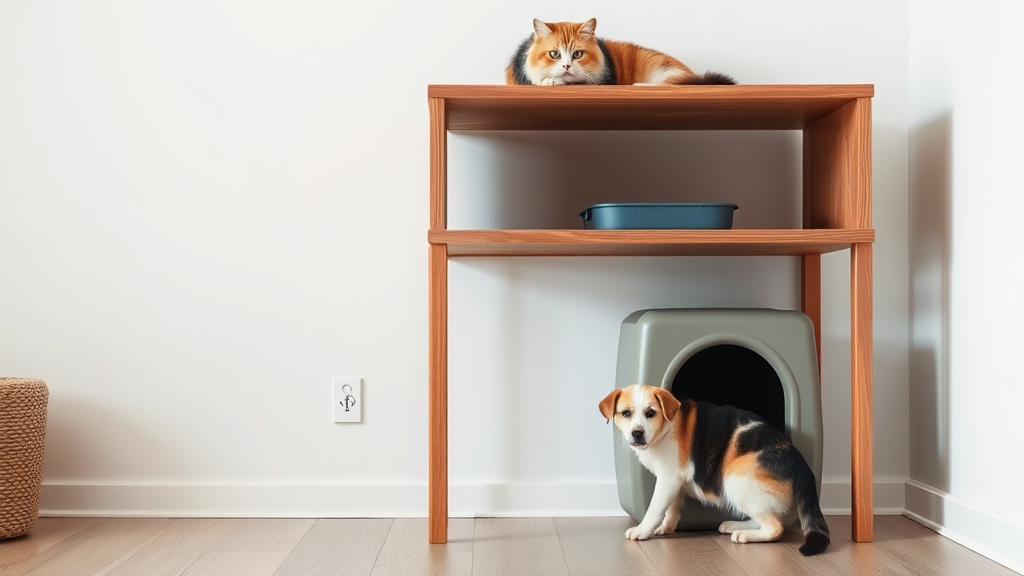
Elevated placement is another effective strategy. Cats are natural climbers and can easily access litter boxes placed on counters, tables, or specially designed cat furniture. This keeps the waste out of your dog’s reach while maintaining easy access for your feline companions. Some pet owners install cat doors or use covered litter boxes with openings too small for dogs to access.
Immediate cleanup is crucial for success. The longer cat feces remains in the litter box, the more opportunity your dog has to discover and consume it. Developing a routine of scooping the litter box multiple times daily, especially after meals when cats typically eliminate, significantly reduces temptation.
Training Methods to Stop the Behavior
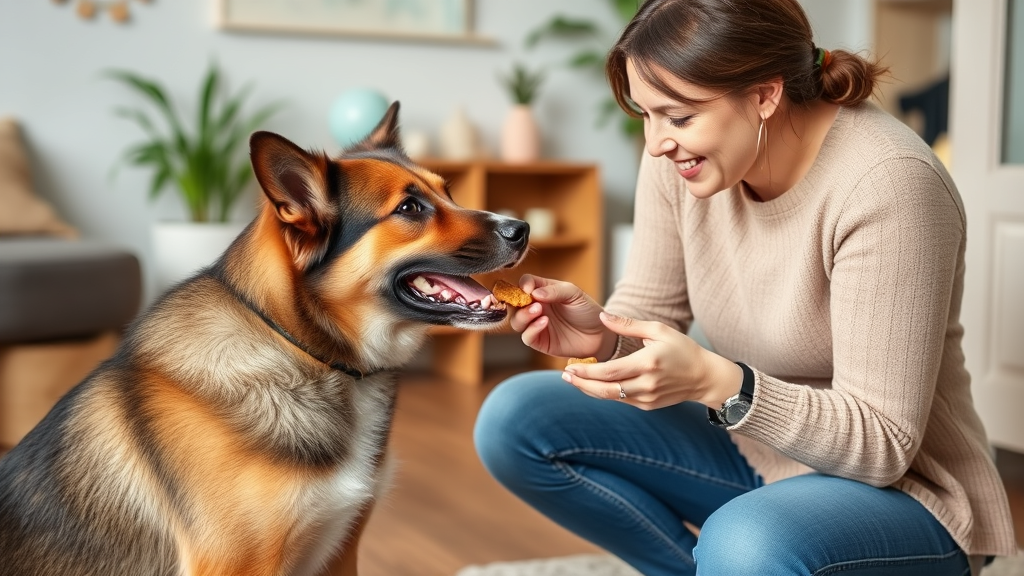
Positive reinforcement training is highly effective for addressing coprophagia. Start by teaching a strong “leave it” command using high-value treats and consistent practice. Begin with less tempting items and gradually work up to situations involving the litter box area. When your dog successfully ignores cat feces and responds to the “leave it” command, immediately reward them with praise and treats.
Redirect the behavior by providing alternative activities when your dog approaches the litter box area. This could include puzzle toys, chew toys, or engaging in training exercises. The goal is to make other activities more rewarding than investigating cat waste. Consistency is key – every family member must respond the same way to prevent confusion.
Counter-conditioning can also be effective. This involves changing your dog’s emotional response to cat feces from positive (tasty treat) to neutral or negative. You can accomplish this by pairing the presence of cat waste with something your dog finds unpleasant, such as a firm “no” command or temporary removal from the area, followed by redirection to appropriate activities.
Environmental Management Solutions
Creating physical barriers is one of the most reliable long-term solutions. Pet gates designed specifically for multi-pet households allow cats to pass through while keeping dogs out. Some gates feature small openings at the bottom that accommodate cats but are too small for most dogs. Magnetic or electronic pet doors can also provide selective access based on collar-activated systems.
Litter box design modifications can significantly impact accessibility. Covered litter boxes with small entrance holes, top-entry litter boxes, or boxes with high sides can deter dogs while remaining functional for cats. Some manufacturers produce litter boxes specifically designed for multi-pet households, incorporating dog-deterrent features while maintaining feline usability.
Consider the overall layout of your home when planning litter box placement. Quiet, low-traffic areas that cats prefer for elimination are often naturally less accessible to dogs. Basements, utility rooms, or dedicated pet areas can provide ideal locations. Ensure adequate ventilation and lighting in these areas to maintain hygiene and encourage regular use by cats.
Dietary Factors and Nutritional Solutions
Nutritional deficiencies can contribute to coprophagia, making dietary evaluation important. Dogs lacking certain nutrients, particularly protein, fat, or B vitamins, may be more inclined to seek these nutrients in cat feces. Consulting with a veterinarian about your dog’s current diet can help identify potential deficiencies and appropriate supplements or diet modifications.
Some commercial products are designed specifically to make feces less appealing to dogs. These supplements, added to the cat’s food, create an unpleasant taste in their waste without affecting the cat’s health or digestion. Veterinary-recommended deterrent products can be effective when combined with other prevention strategies.
Ensuring your dog receives adequate mental and physical stimulation through their regular diet can also help. Interactive feeding toys, puzzle feeders, and scheduled meal times can reduce boredom-driven behaviors like seeking alternative food sources. This approach addresses the behavior from multiple angles, making it more likely to succeed.
Long-term Success and Maintenance
Maintaining long-term success requires consistency and patience. Most dogs need several weeks to months of consistent intervention before the behavior is completely eliminated. During this period, it’s essential to remain vigilant and prevent any opportunities for regression, as even occasional access to cat feces can reinforce the unwanted behavior.
Regular monitoring and adjustment of your prevention strategies may be necessary as circumstances change. Moving to a new home, introducing new pets, or changes in household routines can trigger a return of the behavior. Being prepared to reinforce training and environmental management during transitions helps maintain progress.
It’s worth noting that some dogs may have related behaviors, such as eating other inappropriate items. Understanding why do dogs eat poop in general or why do dogs eat dirt can provide insights into addressing these related issues. Additionally, if you’re introducing new pets to your household, learning how do i introduce a cat to a dog properly can help prevent stress-related behaviors.
Success also depends on addressing any underlying health issues. Regular veterinary check-ups ensure that nutritional deficiencies, digestive problems, or other health concerns aren’t contributing to the behavior. Some dogs may also have sensitivities or allergies that affect their behavior, so understanding whether can dogs be allergic to cats or if can dogs get colds from humans can help you maintain overall pet health.
Creating a comprehensive management plan that includes environmental controls, training, and health monitoring provides the best chance for long-term success. Remember that every dog is different, and what works for one may not work for another. Be prepared to try multiple approaches and remain patient throughout the process.
Frequently Asked Questions
Is it dangerous for my dog to eat cat poop?
While generally not immediately dangerous for healthy dogs, eating cat feces can transmit parasites, bacteria, and cause digestive upset. The main risks include intestinal parasites like roundworms and hookworms, bacterial infections, and potential intestinal blockage if cat litter is consumed. Regular veterinary check-ups and parasite screenings are recommended for dogs with this habit.
Why does my dog prefer cat poop over regular dog treats?
Cat feces is often more appealing to dogs because cat food is typically higher in protein and fat content than dog food, making the waste more “nutritionally dense” and flavorful from a dog’s perspective. The rich smell and taste can be more enticing than regular dog treats, especially for dogs with nutritional deficiencies or strong scavenging instincts.
How long does it typically take to stop this behavior?
Most dogs require several weeks to months of consistent intervention before the behavior is completely eliminated. The timeline depends on factors such as the dog’s age, how long the behavior has been established, consistency of prevention methods, and individual personality traits. Younger dogs and those with recently developed habits typically respond faster to intervention.
Can I use punishment to stop my dog from eating cat poop?
Punishment is generally not recommended as it can increase stress and anxiety, potentially worsening the behavior. Instead, focus on positive reinforcement training, environmental management, and redirection techniques. Positive reinforcement methods are more effective and help build a stronger relationship with your dog while addressing the unwanted behavior.
Should I be concerned if my dog ate cat litter along with the feces?
Yes, consuming cat litter can be more serious than eating feces alone. Clay-based litters can cause intestinal blockages, while clumping litters may expand in the digestive tract. If your dog has consumed a significant amount of litter, contact your veterinarian immediately. Watch for signs of digestive distress, difficulty defecating, or changes in appetite and behavior.
Will getting my dog more exercise help reduce this behavior?
Increased physical and mental stimulation can help reduce coprophagia, especially if the behavior is driven by boredom or excess energy. Regular exercise, interactive toys, training sessions, and puzzle feeders can provide appropriate outlets for your dog’s energy and curiosity. However, exercise alone may not eliminate the behavior if it’s driven by nutritional factors or strong instinctual drives.
Is there a specific dog breed more prone to eating cat feces?
While any dog can develop this behavior, some breeds with strong scavenging instincts or high food motivation may be more prone to coprophagia. Breeds with strong prey drives or those bred for hunting and retrieving might be more inclined to investigate and consume cat waste. However, individual personality and environmental factors are typically more important than breed predisposition.





