
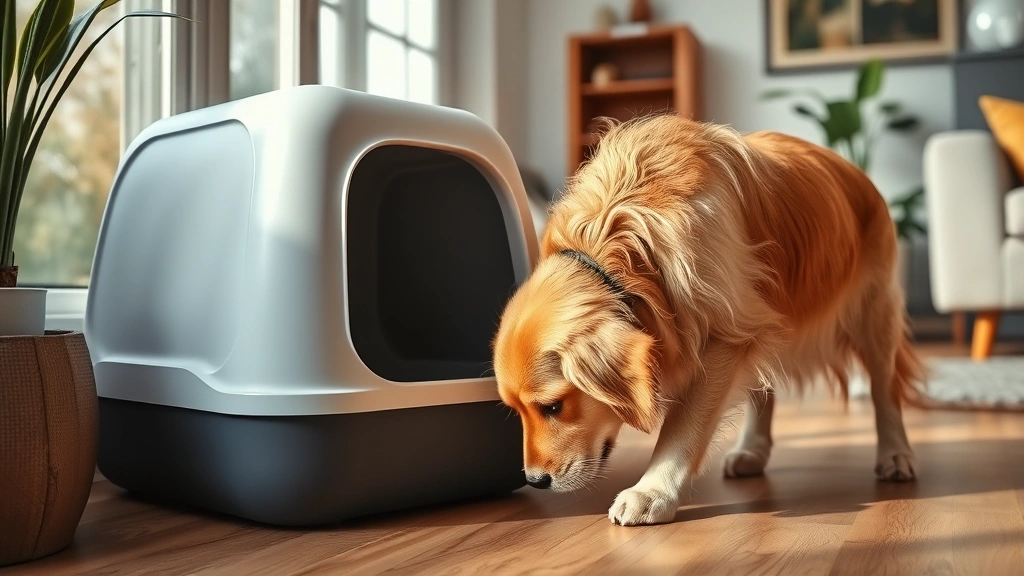
If you’ve ever caught your dog sneaking a snack from the litter box, you’re not alone—and yes, why do dogs eat cat poop is one of the most common questions pet parents ask their vets. It’s gross, it’s confusing, and it definitely makes you question your dog’s judgment. But here’s the thing: there are legitimate reasons your furry friend is treating the cat’s bathroom like an all-you-can-eat buffet, and more importantly, there are proven strategies to stop it.
Table of Contents
- The Disgusting Truth: What’s Actually Happening
- Why Dogs Are Attracted to Litter Box Snacks
- Health Risks: Why You Should Actually Care
- Solution #1: Make the Litter Box Inaccessible
- Solution #2: Improve Your Dog’s Diet and Digestion
- Solution #3: Train the “Leave It” Command
- Solution #4: Manage Boredom and Provide Mental Stimulation
- Solution #5: Use Deterrents and Environmental Management
- When to Call Your Vet
- The Role of Breed and Individual Personality
- Frequently Asked Questions
- Putting It All Together: Your Action Plan
- Final Thoughts
The Disgusting Truth: What’s Actually Happening
Let’s be real—cat poop doesn’t smell bad to dogs the way it smells bad to us. To your dog, cat feces is basically a delicacy. Cat food is protein-rich and high in fat, which means cat poop is essentially a concentrated version of those nutrients. From a dog’s perspective, it’s like finding a stash of premium treats. Your dog isn’t being gross for the sake of being gross; they’re following their instincts and their nose.
Why Dogs Are Attracted to Litter Box Snacks
Understanding the root cause of this behavior is half the battle. Dogs eat cat poop for several interconnected reasons that go beyond simple mischief. First, there’s the nutritional angle. If your dog’s diet is lacking certain nutrients or digestive enzymes, they may seek out cat feces to fill that gap. Cat poop contains undigested nutrients that make it appealing from a nutritional standpoint.
Second, there’s the behavioral component. Some dogs are simply scavengers by nature. Their ancestors survived by eating whatever was available, and that instinct still runs deep. Boredom and lack of mental stimulation can also drive this behavior—your dog might be eating cat poop simply because it’s there and it’s interesting.
Third, medical issues could be at play. Dogs with malabsorption problems, pancreatic insufficiency, or other digestive disorders may seek out cat feces because they’re desperate for nutrients their bodies aren’t absorbing properly. If this is the case, a vet visit is essential.
Health Risks: Why You Should Actually Care
Beyond the “ew factor,” there are legitimate health concerns with coprophagia (the fancy term for eating poop). Cat feces can contain parasites like toxoplasma, roundworms, and hookworms that can infect your dog. It can also harbor bacteria like E. coli and salmonella. Additionally, if your cat is on medication, your dog could inadvertently ingest those drugs through the litter box.
The good news? Most healthy dogs with strong immune systems won’t get seriously ill from occasional litter box snacking. But why take the risk when you can prevent it?
Solution #1: Make the Litter Box Inaccessible
The simplest solution is often the best one. If your dog can’t reach the litter box, they can’t eat cat poop. There are several ways to accomplish this:
Baby gates or pet gates: Install a gate that’s tall enough for your cat to jump over but low enough to keep your dog out. Most dogs won’t attempt to jump gates the way cats naturally do.
Litter box furniture: Invest in a litter box enclosure or furniture designed specifically to keep dogs out while allowing cats access. These range from simple covered boxes to stylish furniture pieces that hide the litter box entirely.
Room access: Keep the litter box in a room your dog can’t enter—a spare bedroom, bathroom, or laundry room works perfectly. A cat door allows your feline friend exclusive access.
This approach requires zero behavior modification and works immediately. It’s the most reliable solution for multi-pet households.
Solution #2: Improve Your Dog’s Diet and Digestion
Sometimes the solution lies in what’s going into your dog’s bowl. A high-quality diet with proper digestive enzymes and balanced nutrition can eliminate the nutritional drive to eat cat poop. Consider these dietary adjustments:
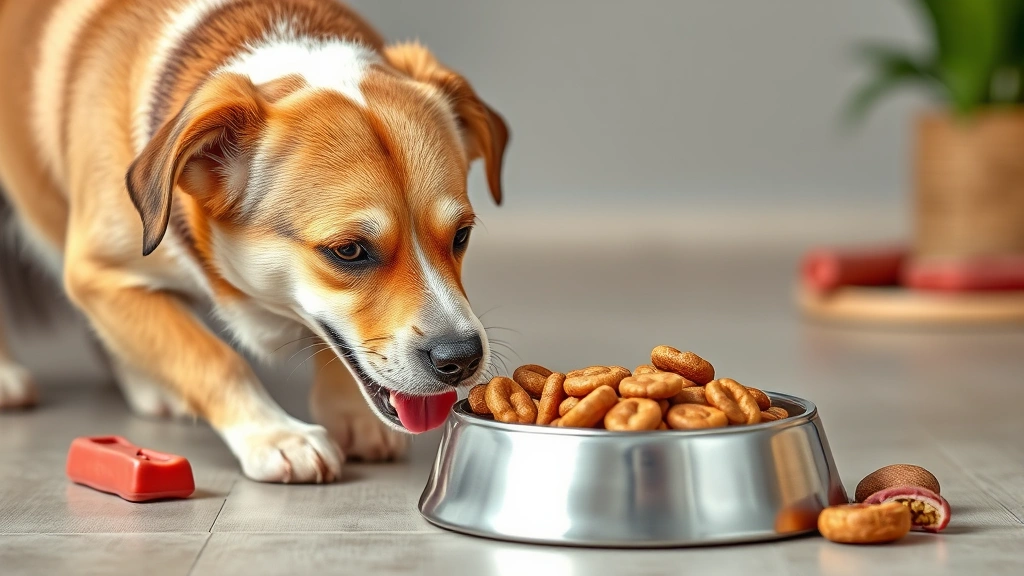
Switch to premium dog food: Higher-quality foods with better digestibility mean your dog’s body can absorb more nutrients, reducing the urge to scavenge. Look for foods with named meat proteins and whole grains or vegetables.
Add digestive enzymes: Supplements containing protease, amylase, and lipase can help your dog break down food more efficiently. Many vets recommend these for dogs showing coprophagia tendencies.
Probiotics: A healthy gut microbiome supports better digestion and nutrient absorption. Probiotic supplements designed for dogs can make a real difference.
If your dog has a history of digestive issues or you suspect malabsorption, consult your vet about prescription diets or additional supplements. This is also a good time to rule out conditions like exocrine pancreatic insufficiency (EPI).
Solution #3: Train the “Leave It” Command
A solid “leave it” command is invaluable for this situation and dozens of others. Here’s how to train it effectively:
Start with low-stakes items your dog finds mildly interesting but not irresistible. Use high-value treats as rewards. Say “leave it,” wait for your dog to move away from the item, and immediately reward with a better treat or toy. Practice this daily in various environments.
Once your dog masters “leave it” with regular objects, you can apply it to the litter box scenario. However, this requires consistent reinforcement and isn’t foolproof—especially if your dog gets unsupervised access to the litter box.
Solution #4: Manage Boredom and Provide Mental Stimulation
A bored dog is more likely to engage in unwanted behaviors, including eating cat poop. Increase your dog’s physical exercise and mental stimulation through:
Daily walks and playtime: At least 30-60 minutes of activity depending on your dog’s age and breed.
Puzzle toys and enrichment: Kong toys, snuffle mats, and interactive feeders keep dogs mentally engaged.
Training sessions: Regular training provides both mental stimulation and reinforces your bond.
Socialization: Playdates with other dogs or visits to dog parks provide environmental enrichment.
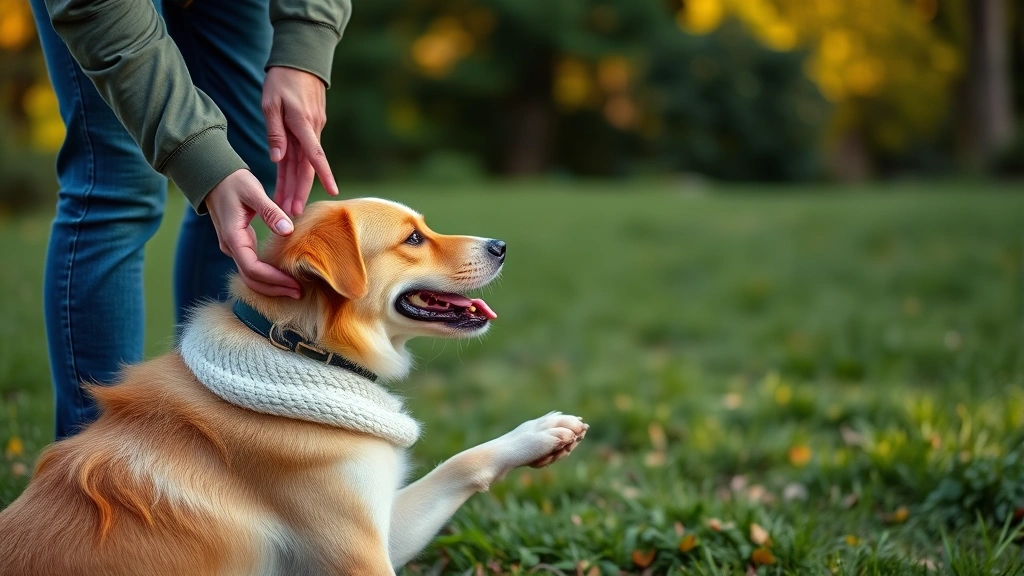
A tired dog is less likely to spend time investigating the litter box. This solution works best in combination with others.
Solution #5: Use Deterrents and Environmental Management
Sometimes you need to make the litter box less appealing. Several options exist:
Taste deterrents: Products designed to make feces taste bad can discourage eating. These are added to food and make the resulting poop unappealing. Brands like FortiFlora and Deter make products specifically for this purpose.
Litter additives: Some products added to cat litter make it taste unpleasant to dogs while remaining safe for cats.
Supervision: Keep your dog supervised during times when they’re most likely to visit the litter box, typically after meals or first thing in the morning.
These deterrents work best as part of a comprehensive strategy rather than as standalone solutions.
When to Call Your Vet
If your dog suddenly starts eating cat poop after never showing interest before, or if the behavior is accompanied by other symptoms like weight loss, diarrhea, or increased appetite, schedule a vet appointment. These could indicate underlying health issues like parasites, malabsorption disorders, or nutritional deficiencies.
Your vet can run tests, assess your dog’s diet, and rule out medical causes. They might also recommend specific supplements or prescription foods tailored to your dog’s needs.
The Role of Breed and Individual Personality
Some dogs are more prone to coprophagia than others. Scent hounds and dogs with strong prey drives tend to be more interested in feces. Additionally, dogs with a history of food scarcity or those rescued from neglectful situations may engage in this behavior more frequently. Understanding your dog’s individual personality and history helps you choose the most effective intervention strategy.
Frequently Asked Questions
Is eating cat poop dangerous for dogs?
Eating cat poop can expose dogs to parasites, bacteria, and potentially medications. While most healthy dogs won’t get seriously ill from occasional exposure, it’s best to prevent the behavior. According to the American Kennel Club, parasitic infections from feces are a real concern in multi-pet households.
Can I use cat repellent sprays to stop my dog from eating litter box contents?
Cat repellent sprays designed to keep dogs away from litter boxes can work, but they require consistent application and may not be foolproof. Physical barriers are generally more reliable. However, combining deterrent sprays with other solutions increases effectiveness.
Will my dog get sick from eating cat poop once?
A single incident is unlikely to cause serious illness in a healthy dog, but it’s not guaranteed. The risk increases with repeated exposure. PetMD recommends preventing access as the safest approach rather than relying on your dog’s immune system.

How long does it take to stop this behavior?
If you implement physical barriers (like a baby gate or litter box enclosure), the behavior stops immediately. If you’re relying on training or dietary changes, expect 2-4 weeks to see noticeable improvement. Consistency is key.
Could my dog have a nutritional deficiency?
Yes, it’s possible. Dogs with poor-quality diets or underlying digestive issues may seek out cat feces to supplement their nutrition. This is why upgrading to a higher-quality dog food with good protein sources like lamb can help. If you suspect a deficiency, ask your vet about bloodwork and nutritional assessments.
Is coprophagia a sign of anxiety or behavioral problems?
Not necessarily. While stress and boredom can contribute to the behavior, it’s usually driven by nutritional or scavenging instincts rather than psychological issues. That said, addressing boredom and providing mental stimulation never hurts.
Can probiotics really help reduce coprophagia?
Probiotics can help if the behavior is driven by poor digestion or nutrient malabsorption. They support healthy gut bacteria and improve digestive efficiency. Many vets recommend them as part of a comprehensive approach to addressing this behavior.
Putting It All Together: Your Action Plan
Start with the easiest solution: making the litter box inaccessible. A simple baby gate or litter box enclosure solves the problem for most households. If that’s not feasible, combine dietary improvements with the “leave it” command and environmental management.
If your dog has a history of digestive issues or the behavior is new and persistent, schedule a vet visit to rule out medical causes. Your veterinarian might recommend dietary supplements like yogurt or probiotics to support digestive health, or they might suggest adjusting your dog’s diet to include easily digestible foods.
Remember, this behavior is fixable. Thousands of dog owners successfully manage multi-pet households without their dogs eating cat poop. With patience, the right strategy, and consistency, you can too.
Final Thoughts
Why do dogs eat cat poop? The answer combines instinct, nutrition, and opportunity. The good news is that understanding these factors gives you multiple tools to address the problem. Whether you choose physical barriers, dietary improvements, training, or a combination approach, you have options that actually work. Your dog isn’t being intentionally gross—they’re just following their instincts. Your job is to redirect those instincts in a healthier direction, and with the strategies outlined here, you absolutely can.





