
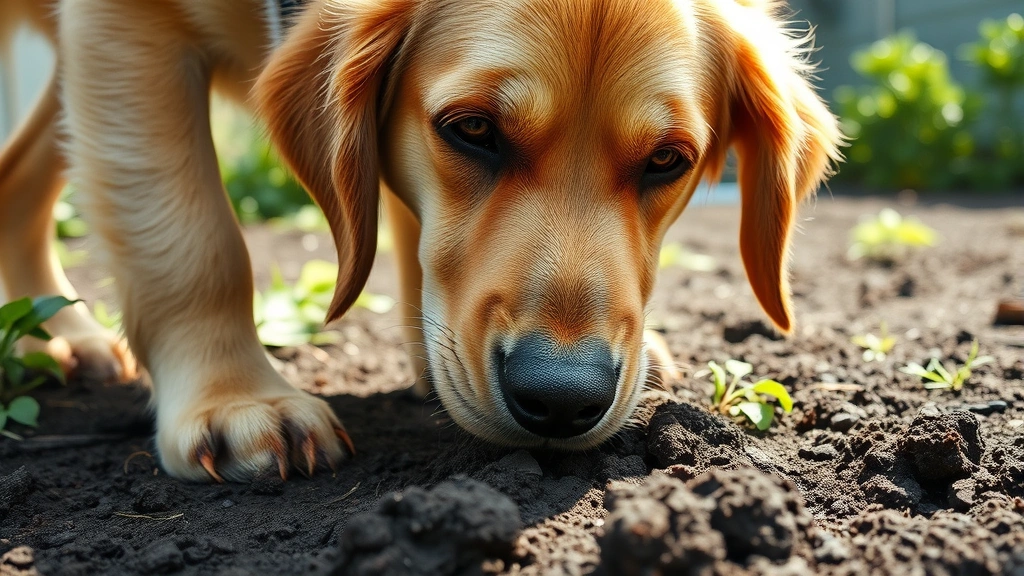
If you’ve ever caught your furry best friend munching on dirt like it’s a five-star meal, you’re not alone. Why do dogs eat dirt? It’s one of those quirky behaviors that makes dog owners scratch their heads and wonder if their pup has lost their mind. The truth is, there are actually several legitimate reasons your dog might be treating your garden like an all-you-can-eat buffet, and most of them aren’t cause for panic. Let’s dig into this muddy mystery and figure out what’s really going on with your soil-snacking sidekick.
Table of Contents
- The Nutritional Deficiency Connection
- Digestive Issues and Gut Health
- Boredom and Behavioral Reasons
- Medical Conditions to Rule Out
- Environmental Factors and Habit Formation
- Age-Related Dirt Eating in Puppies
- Nutritional Solutions and Dietary Changes
- When to Contact Your Veterinarian
- Prevention Strategies for Dirt-Eating Dogs
- Understanding Your Dog’s Instincts
- Creating a Healthy Outdoor Environment
- Frequently Asked Questions
- Conclusion: Understanding Your Dirt-Eating Pup
The Nutritional Deficiency Connection
One of the most common reasons dogs eat dirt is because they’re missing essential nutrients in their diet. This behavior, called pica, often indicates that your dog’s body is craving minerals it’s not getting enough of. Dogs might be instinctively seeking iron, zinc, or calcium when their regular kibble isn’t cutting it nutritionally. It’s like their internal alarm system going haywire, telling them, “Hey, we need something more here!”
If your dog is on a low-quality commercial diet, they might not be getting the complete nutritional profile they need. This is especially true for dogs with digestive issues that prevent proper nutrient absorption. Consider upgrading to a higher-quality dog food or adding supplements recommended by your vet. Many dogs who switch to nutrient-dense diets stop their dirt-eating habits almost immediately.
Digestive Issues and Gut Health
Your dog’s digestive system plays a massive role in their overall health, and when something’s off down there, they might turn to dirt as a remedy. Dogs instinctively know that certain types of soil can help settle an upset stomach—it’s an ancient survival mechanism. If your pup has diarrhea or other digestive troubles, the dirt-eating might actually be their way of self-medicating.
Conditions like inflammatory bowel disease, parasites, or food sensitivities can all trigger dirt-eating behavior. The good news? Once you address the underlying digestive issue, the dirt-eating usually stops. Adding probiotics or switching to a limited-ingredient diet can work wonders. Mashed pumpkin for dogs is actually a great natural remedy for digestive issues that might be causing this behavior in the first place.
Boredom and Behavioral Reasons
Sometimes your dog eats dirt for the same reason humans stress-eat an entire bag of chips: boredom. Dogs are intelligent creatures that need mental stimulation and physical exercise. When they’re not getting enough of either, they’ll find ways to entertain themselves—even if it means turning your backyard into their personal snack bar.
Dogs with anxiety or those who spend too much time alone are particularly prone to this behavior. It becomes a self-soothing mechanism, much like how some humans chew their nails. The solution here is straightforward: increase playtime, provide puzzle toys, and make sure your dog gets adequate exercise. A tired dog is a well-behaved dog, and that includes not eating dirt.
Medical Conditions to Rule Out
While dirt-eating is often harmless, it can sometimes indicate more serious health issues. Conditions like liver disease in dogs can cause strange cravings and behavioral changes. Additionally, lethargy in dogs paired with dirt-eating might suggest an underlying medical problem that needs attention.
Anemia, thyroid problems, and hormonal imbalances can all trigger pica-like behavior. If your dog is eating dirt frequently and showing other symptoms like weight loss, lethargy, or changes in appetite, it’s time for a vet visit. Your veterinarian can run blood tests and perform a thorough examination to rule out medical causes. According to the American Kennel Club, pica in dogs should always be evaluated by a professional.
Environmental Factors and Habit Formation
Sometimes dogs eat dirt simply because it’s there and they’ve gotten into a habit. If your dog has done it once and nothing bad happened, they might think, “Well, that wasn’t so terrible. Let’s do it again!” Before you know it, you’ve got a full-blown dirt-eating habit on your hands.
Environmental enrichment can help break this cycle. Provide appropriate chewing toys, rotate toys to keep things interesting, and supervise outdoor time when possible. If your dog is eating dirt from a specific spot, consider blocking access to that area temporarily while you work on addressing the root cause.

Age-Related Dirt Eating in Puppies
Puppies explore the world with their mouths, and sometimes that exploration includes tasting dirt. This is relatively normal puppy behavior, similar to how human toddlers put everything in their mouths. Most puppies outgrow this phase as they mature and learn what’s edible and what’s not.
However, if your puppy is eating excessive amounts of dirt or continues the behavior into adulthood, you’ll want to investigate further. Ensure your puppy is on a high-quality growth formula appropriate for their age and breed size. Puppies have different nutritional needs than adult dogs, and meeting those needs properly can prevent many behavioral issues down the road.
Nutritional Solutions and Dietary Changes
The first step in stopping dirt-eating is ensuring your dog gets optimal nutrition. Look for dog foods with high-quality protein sources, balanced minerals, and added probiotics. Many premium dog foods now include digestive enzymes and supplements specifically designed to support gut health and nutrient absorption.
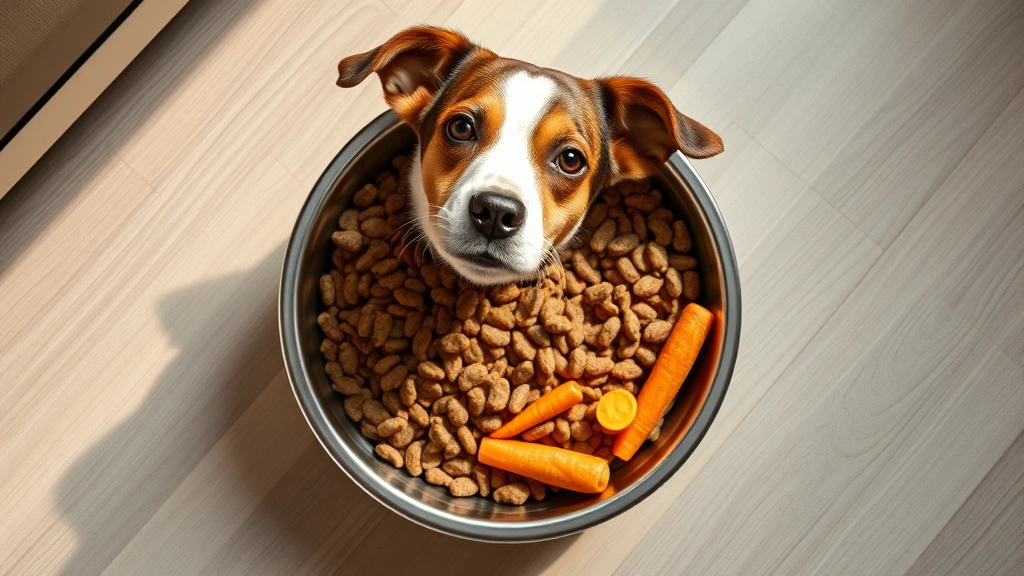
Adding whole foods to your dog’s diet can also help. Spinach is good for dogs in moderation and can provide additional vitamins and minerals. Other safe additions include sweet potatoes, carrots, and lean meats. Always introduce new foods gradually and consult with your vet before making major dietary changes, especially if your dog has existing health conditions.
When to Contact Your Veterinarian
You should schedule a vet appointment if your dog’s dirt-eating is frequent, if they’re showing other symptoms, or if the behavior is new and sudden. Your vet can perform a physical examination, check for parasites, and potentially run blood work to identify nutritional deficiencies or medical issues.
According to PetMD, sudden changes in eating behavior warrant professional evaluation. Don’t wait around hoping the problem resolves itself, especially if your dog seems unwell or is consuming large quantities of soil. Dirt can contain harmful bacteria, parasites, and toxins that pose real health risks.
Prevention Strategies for Dirt-Eating Dogs
Prevention is always better than cure. Keep your dog’s environment clean and free of accessible dirt piles. Provide plenty of supervised outdoor time with appropriate toys and activities. Ensure your dog gets adequate exercise—at least 30 minutes to an hour daily, depending on breed and age.
Training is also crucial. Teach a strong “leave it” command so you can interrupt dirt-eating behavior when it happens. Reward your dog heavily for choosing toys or treats over dirt. Consistency is key; everyone in your household needs to enforce the same rules and commands.
Understanding Your Dog’s Instincts
Dogs have thousands of years of evolutionary history driving their behaviors. Eating dirt isn’t necessarily a sign your dog is broken or sick—it’s often just them being a dog. Wild canines sometimes eat dirt for various reasons, and your domestic dog’s instincts haven’t changed much despite living in your home.
Understanding these instincts helps you approach the problem with compassion rather than frustration. Your dog isn’t trying to drive you crazy; they’re responding to internal or external cues that make dirt-eating seem like a good idea. Once you identify and address those cues, you’ll likely see the behavior diminish naturally.
Creating a Healthy Outdoor Environment
If your dog spends a lot of time in the backyard, make sure that space is enriching and safe. Remove access to pesticides, fertilizers, and other chemicals that could be harmful if ingested along with soil. Provide shaded areas, fresh water, and interesting elements like digging boxes filled with safe materials.
Some dogs actually enjoy digging and playing in dirt—it’s not always about eating it. By providing a designated digging area with appropriate soil or sand, you can satisfy this instinct safely while protecting the rest of your yard. This outlet for natural behavior can actually reduce unwanted dirt-eating elsewhere.
Frequently Asked Questions
Is it dangerous for dogs to eat dirt?
Eating dirt can expose dogs to parasites, bacteria, and toxins, so it’s not ideal. However, occasional dirt consumption usually isn’t harmful. Frequent or excessive dirt-eating should be addressed with your vet to rule out underlying issues.
Can dirt-eating indicate a serious health problem?
While often harmless, dirt-eating can sometimes signal nutritional deficiencies, digestive issues, or medical conditions. If the behavior is new, frequent, or accompanied by other symptoms, consult your veterinarian for proper evaluation.
How long does it take to stop a dog from eating dirt?
The timeline depends on the cause. Behavioral changes might take weeks of consistent training and environmental modification. Nutritional or medical issues may improve once addressed, sometimes within days or weeks.
Should I punish my dog for eating dirt?
Punishment is ineffective and can create anxiety. Instead, focus on prevention, redirection to appropriate toys, and addressing the underlying cause. Positive reinforcement works much better for modifying behavior.
Can I give my dog supplements to prevent dirt-eating?
If nutritional deficiency is the cause, appropriate supplements recommended by your vet can help. However, supplements alone won’t solve behavioral or medical causes. Always work with your veterinarian to determine what your dog actually needs.
Conclusion: Understanding Your Dirt-Eating Pup
So, why do dogs eat dirt? The answer isn’t always simple, but it’s usually manageable once you identify the cause. Whether it’s a nutritional gap, digestive upset, boredom, or a medical issue, there’s almost always a solution. Start by scheduling a vet appointment to rule out health concerns, then work on environmental enrichment, proper nutrition, and training.
Remember, your dog isn’t being difficult or gross—they’re communicating something to you through their behavior. By paying attention and taking action, you’re not just stopping an annoying habit; you’re potentially improving your dog’s overall health and quality of life. With patience, consistency, and the right approach, you can help your furry friend kick the dirt-eating habit for good.





