

If you’ve ever caught your dog in the act of eating poop, you’re not alone. This disgusting behavior, known scientifically as coprophagia, affects up to 16% of dogs and is one of the most common complaints pet owners bring to veterinarians. While it may seem revolting to us humans, understanding why dogs eat poop is the first step toward effectively addressing this unwanted behavior.
The good news is that coprophagia, while unpleasant, is rarely harmful to your dog’s health and can often be successfully managed with the right approach. From nutritional deficiencies to behavioral triggers, there are multiple reasons why dogs engage in this behavior, and equally diverse solutions to help you finally put an end to it.
Understanding Coprophagia: The Science Behind the Behavior
Coprophagia is derived from the Greek words “copros” (feces) and “phagein” (to eat), literally meaning “feces eating.” This behavior is actually quite common in the animal kingdom and serves various purposes depending on the species. In dogs, coprophagia can manifest in several forms: eating their own feces (autocoprophagia), consuming other dogs’ waste, or ingesting feces from other animals like cats, rabbits, or livestock.
Research conducted by the American Kennel Club reveals that certain breeds are more prone to this behavior, including Labrador Retrievers, Golden Retrievers, and Beagles. Interestingly, the behavior is more common in multi-dog households, suggesting social learning may play a role.
From an evolutionary perspective, wild canids often consume feces as a survival mechanism. Mother wolves and dogs naturally clean their den by eating their puppies’ waste, both to maintain hygiene and avoid attracting predators. This instinctual behavior can sometimes persist into adulthood, especially in dogs that weren’t properly weaned or socialized.
Common Reasons Why Dogs Eat Poop
Understanding the root causes of coprophagia is essential for developing an effective treatment plan. The reasons can be broadly categorized into medical, behavioral, and environmental factors.
Medical Causes
Several medical conditions can trigger coprophagia in dogs. Malabsorption disorders prevent proper nutrient absorption, leading dogs to seek additional nutrition from feces. Pancreatic insufficiency, intestinal parasites, and certain medications like steroids can increase appetite and drive this behavior. Dogs with diabetes or thyroid disorders may also exhibit increased scavenging behaviors, including eating feces.
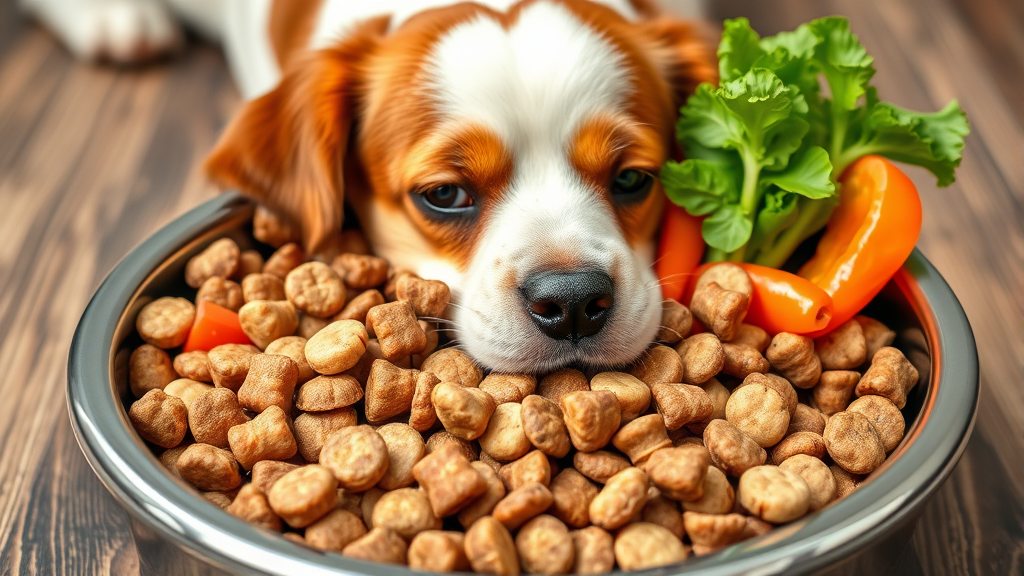
Nutritional deficiencies play a significant role, particularly in dogs fed poor-quality diets lacking essential vitamins and minerals. Just as some dogs may benefit from eating broccoli for its nutrients, they might turn to feces when their diet lacks proper nutrition.
Behavioral Triggers
Anxiety and stress are major contributors to coprophagia. Dogs experiencing separation anxiety, boredom, or environmental stress may engage in this behavior as a coping mechanism. Attention-seeking is another common cause – if a dog receives a strong reaction (even negative attention) when caught eating poop, they may repeat the behavior to get their owner’s attention.
Some dogs develop the habit simply out of curiosity or boredom, especially if they spend long periods alone without adequate mental stimulation. Young puppies are naturally more exploratory and may sample feces as part of their normal investigative behavior.
Environmental Factors
The cleanliness of the dog’s environment significantly impacts this behavior. Dogs in overcrowded or unsanitary conditions are more likely to eat feces. Additionally, if waste isn’t cleaned up promptly, it provides more opportunities for the behavior to occur and become habituated.
Health Implications and When to Worry
While coprophagia is generally not life-threatening, it does carry certain health risks that pet owners should be aware of. The primary concern is the potential transmission of parasites, bacteria, and viruses that may be present in feces.
Intestinal parasites such as roundworms, hookworms, and giardia can be transmitted through fecal consumption. These parasites can cause digestive upset, weight loss, and other health complications. Additionally, bacteria like Salmonella and E. coli may be present in feces and can cause serious gastrointestinal infections.
According to the American Veterinary Medical Association, regular fecal examinations are crucial for dogs that engage in coprophagia to monitor for parasitic infections. The behavior can also lead to bad breath, dental issues, and social problems during interactions with humans and other pets.
Proven Prevention Strategies That Work
The most effective approach to preventing coprophagia involves a combination of environmental management, dietary improvements, and behavioral modifications. Consistency is key – all family members must follow the same protocols for success.
Environmental Management
Immediate waste removal is the cornerstone of prevention. Clean up feces as soon as possible, ideally within minutes of elimination. This removes the opportunity and helps break the habit cycle. In multi-pet households, supervise interactions and separate animals during elimination times if necessary.
Create a structured routine for bathroom breaks and feeding times. Dogs thrive on predictability, and establishing regular schedules can reduce anxiety-driven behaviors. Ensure your dog has access to fresh water at all times and provide adequate mental stimulation through puzzle toys, training sessions, and interactive games.
Dietary Optimization
Feed a high-quality, balanced diet appropriate for your dog’s age, size, and activity level. Poor nutrition can drive coprophagia, so investing in quality food is essential. Some dogs benefit from smaller, more frequent meals rather than one or two large meals per day.
Consider the timing of meals in relation to elimination. Some dogs are more likely to eat feces when hungry, so adjusting meal schedules may help. Just as you might research whether dogs can eat corn or other human foods, ensure your dog’s regular diet meets all nutritional requirements.
Training Techniques to Stop the Behavior
Positive reinforcement training is the most effective method for addressing coprophagia. The goal is to redirect the behavior and reward appropriate alternatives rather than simply punishing the unwanted behavior.
The “Leave It” Command
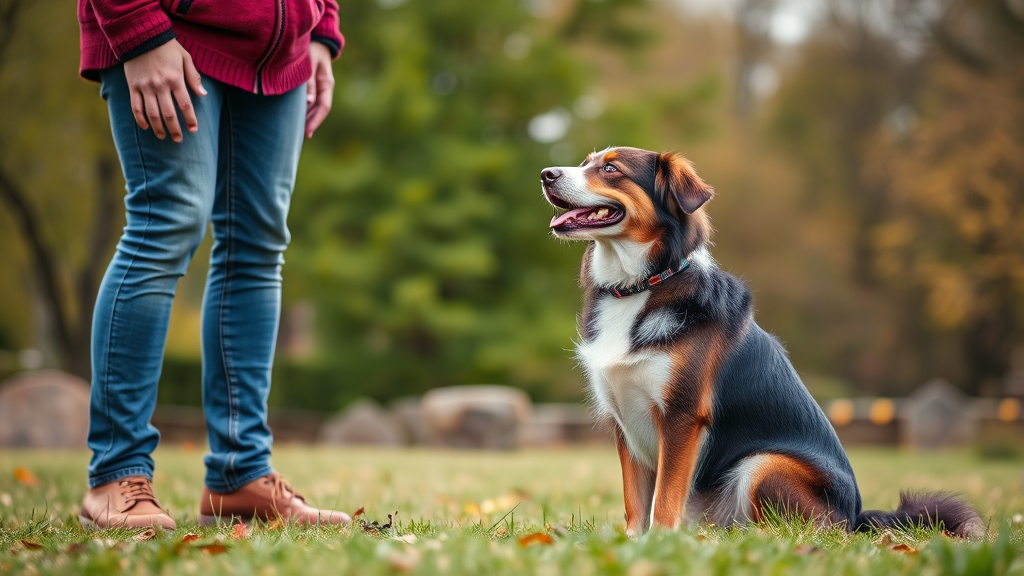
Teaching a strong “leave it” command is invaluable for preventing coprophagia. Start training in a controlled environment with less tempting items, gradually working up to practicing around feces. Reward your dog immediately when they comply with the command, using high-value treats and enthusiastic praise.
Practice the command regularly in various situations to ensure reliability. The key is to catch your dog before they engage in the behavior – once they’ve started eating feces, it’s too late for the “leave it” command to be effective in that moment.
Recall Training
A solid recall command allows you to call your dog away from feces before they have a chance to consume it. Practice recall in increasingly distracting environments, always rewarding successful responses with treats, play, or other rewards your dog values highly.
Redirection Techniques
When you notice your dog showing interest in feces, immediately redirect their attention to an appropriate activity. This might involve calling them for a training session, offering a special toy, or engaging them in play. The goal is to make the alternative more appealing than the unwanted behavior.
Dietary Solutions and Supplements
Several dietary modifications and supplements have shown promise in reducing coprophagia. These approaches work by either making the feces less appealing or addressing underlying nutritional needs that may be driving the behavior.
Commercial Deterrent Products
Various commercial products are designed to make feces taste unpleasant to dogs. These typically contain ingredients like monosodium glutamate, yucca extract, or other bitter compounds. While results vary between individual dogs, many owners report success with these products when used consistently.
Popular options include tablets that are given with meals and powder supplements that can be sprinkled on food. The FDA recommends choosing products from reputable manufacturers and consulting with your veterinarian before starting any new supplement regimen.
Natural Deterrents
Some pet owners find success with natural deterrents added to their dog’s food. Pineapple, pumpkin, and certain spices can alter the taste of feces, making it less appealing. However, it’s important to research the safety of any human food before offering it to your dog, just as you would when considering whether dogs can eat blackberries or mushrooms.
Digestive Enzymes and Probiotics
Adding digestive enzymes or probiotics to your dog’s diet may help improve nutrient absorption and reduce the drive to seek additional nutrition from feces. These supplements can be particularly beneficial for dogs with underlying digestive issues or those fed lower-quality diets.
When to Seek Professional Help
While many cases of coprophagia can be managed at home, certain situations warrant professional intervention. Contact your veterinarian if the behavior suddenly appears in an adult dog that has never exhibited it before, as this could indicate an underlying medical condition.
Persistent coprophagia that doesn’t respond to consistent training and management efforts may require professional help from a certified dog behaviorist or veterinary behaviorist. These professionals can develop customized behavior modification plans and may recommend anti-anxiety medications if stress is a contributing factor.
Additionally, if your dog shows signs of illness after eating feces, such as vomiting, diarrhea, lethargy, or loss of appetite, seek veterinary care promptly. The Humane Society emphasizes the importance of addressing behavioral issues early before they become deeply ingrained habits.
Frequently Asked Questions
Is it normal for puppies to eat poop?
Yes, coprophagia is relatively common in puppies and is often a normal part of their exploratory behavior. Puppies learn about their environment through their mouths, and they may sample feces out of curiosity. Most puppies outgrow this behavior as they mature, especially with consistent training and proper management. However, it’s still important to discourage the behavior and maintain good hygiene practices.
Can eating poop make my dog sick?
While occasional consumption of feces rarely causes serious illness in healthy dogs, there are potential health risks. Feces can contain parasites, bacteria, and viruses that may cause digestive upset or more serious infections. Dogs that regularly eat poop should have routine fecal examinations to check for parasites, and any signs of illness following feces consumption should be evaluated by a veterinarian.
Why does my dog only eat cat poop?
Cat feces is particularly appealing to many dogs because it’s high in protein and fat, making it seem like a tasty treat. Cats are obligate carnivores with different digestive systems than dogs, so their waste contains more undigested proteins. This behavior is extremely common and can be managed by keeping litter boxes out of reach, using baby gates, or placing litter boxes in elevated locations.
Do certain dog breeds eat poop more than others?
Research suggests that some breeds may be more prone to coprophagia, including retrievers, terriers, and hounds. However, any dog of any breed can develop this behavior. The tendency may be related to breeding purposes – for example, retrievers were bred to have soft mouths and willingness to pick up various objects, which might extend to feces consumption in some individuals.
Will changing my dog’s food stop them from eating poop?
Improving diet quality can help reduce coprophagia, especially if the behavior is driven by nutritional deficiencies or poor digestion. High-quality foods with better digestibility may reduce the appeal of feces as a supplemental food source. However, dietary changes alone are rarely sufficient – most cases require a combination of better nutrition, environmental management, and training.
How long does it take to stop a dog from eating poop?
The timeline for stopping coprophagia varies greatly depending on the underlying cause, the dog’s age, how long the behavior has been established, and the consistency of the training approach. Some dogs respond to management and training within a few weeks, while others may take several months. Deeply ingrained habits in older dogs typically take longer to modify than recently developed behaviors in young dogs.
Should I punish my dog for eating poop?
Punishment is not recommended for addressing coprophagia and can often make the problem worse. Harsh corrections may increase anxiety, which can actually drive the behavior, or teach the dog to be sneakier about when they eat feces. Instead, focus on positive reinforcement training, environmental management, and addressing any underlying causes. Redirect the behavior and reward your dog for making better choices.





