

Why Do Dogs Eat Sticks? Understanding the Behavior
If you’ve ever watched your furry friend happily chomping away on a stick during a park visit, you’ve probably wondered what’s going through their head. Stick-eating is one of those quirky dog behaviors that leaves many pet parents scratching their heads in confusion. Is it normal? Is it dangerous? And most importantly, why do dogs seem to find fallen branches so utterly irresistible?
The truth is, stick-eating in dogs is more common than you might think, and there are actually several legitimate reasons why your pup might be drawn to these woody morsels. From natural instincts to nutritional deficiencies, boredom to medical issues, the reasons behind this behavior are surprisingly diverse. Understanding what motivates your dog to gnaw on branches is the first step toward keeping them safe and healthy.
In this comprehensive guide, we’ll explore the fascinating world of canine stick consumption, break down the underlying causes, discuss potential health risks, and provide you with practical strategies to manage and redirect this behavior. Whether you’re dealing with a stick-obsessed puppy or a full-grown branch enthusiast, you’ll find answers here.
Natural Instincts and Ancestral Behavior
At their core, dogs are descended from wolves, and certain behaviors have remained hardwired into their DNA despite thousands of years of domestication. One of these ancestral behaviors is the instinct to chew on objects in their environment. In the wild, wolves and wild canines would gnaw on bones, bark, and wood as part of their natural foraging and survival behaviors.
Chewing serves multiple purposes for dogs. It’s a way to explore their environment, maintain dental health by naturally cleaning their teeth, and satisfy their primal urge to bite and tear. Sticks, with their varied textures and sizes, provide an interesting sensory experience that appeals to these deep-rooted instincts. The act of breaking down a stick mimics the feeling of hunting and consuming prey, which gives your dog a sense of accomplishment and satisfaction.
Additionally, the texture of bark and wood can provide satisfying tactile stimulation. Some dogs are simply attracted to the natural scent and flavor of wood, especially if it comes from trees they find interesting. This is particularly true for sticks from trees like apple, willow, or birch, which have naturally sweet or aromatic qualities that dogs find appealing.
Nutritional Deficiencies and Pica
One of the more concerning reasons why dogs might eat sticks relates to a condition called pica, which is characterized by the consumption of non-food items. While pica can sometimes be behavioral, it often indicates an underlying nutritional deficiency. Dogs experiencing pica may be lacking essential minerals like iron, zinc, or calcium, or they might have vitamin deficiencies affecting their metabolism.
When your dog is missing key nutrients, their body sends signals to seek out alternative sources. Sticks and dirt contain various minerals, and while they’re not ideal sources, your dog’s instincts are trying to compensate for what’s missing from their diet. This is similar to why humans sometimes crave ice or non-food items when they’re deficient in certain nutrients.
If you suspect nutritional deficiency is driving your dog’s stick-eating behavior, it’s worth evaluating their current diet. Are they eating a complete and balanced commercial dog food? Is it appropriate for their age and activity level? Sometimes, switching to a higher-quality food or one specifically formulated for your dog’s life stage can resolve the issue. However, it’s also important to note that dogs eating dirt might indicate similar nutritional concerns.
Interestingly, the relationship between pica and nutritional deficiency isn’t always straightforward. Some dogs with excellent diets still engage in stick-eating, suggesting that other factors are also at play. A veterinary consultation can help determine whether nutritional issues are contributing to your dog’s behavior.
Boredom, Anxiety, and Stress
One of the most common reasons dogs eat sticks is simply because they’re bored. Dogs require mental and physical stimulation to stay happy and healthy. When they don’t get enough exercise or mental enrichment, they’ll find ways to entertain themselves—and gnawing on sticks is a readily available option.
Boredom-related stick-eating is particularly common in dogs that spend a lot of time in backyards or confined spaces without adequate enrichment. It becomes a self-soothing activity, similar to how humans might fidget with objects when they’re restless. The repetitive action of chewing can actually be calming for anxious dogs, which is why some dogs turn to sticks when they’re stressed or experiencing separation anxiety.
Dogs experiencing anxiety or stress may also eat sticks as a coping mechanism. If your dog exhibits other stress behaviors—like excessive barking, pacing, or destructive behavior—alongside stick-eating, anxiety could be the culprit. Some dogs that chew their paws excessively also eat sticks, suggesting a common anxiety-driven root cause.
The good news is that addressing boredom and anxiety through increased exercise, training, puzzle toys, and interactive play can significantly reduce stick-eating behavior. Dogs that are mentally and physically stimulated are less likely to resort to destructive chewing behaviors. Consider incorporating daily walks, training sessions, and enrichment activities into your dog’s routine.
Teething and Puppy Development
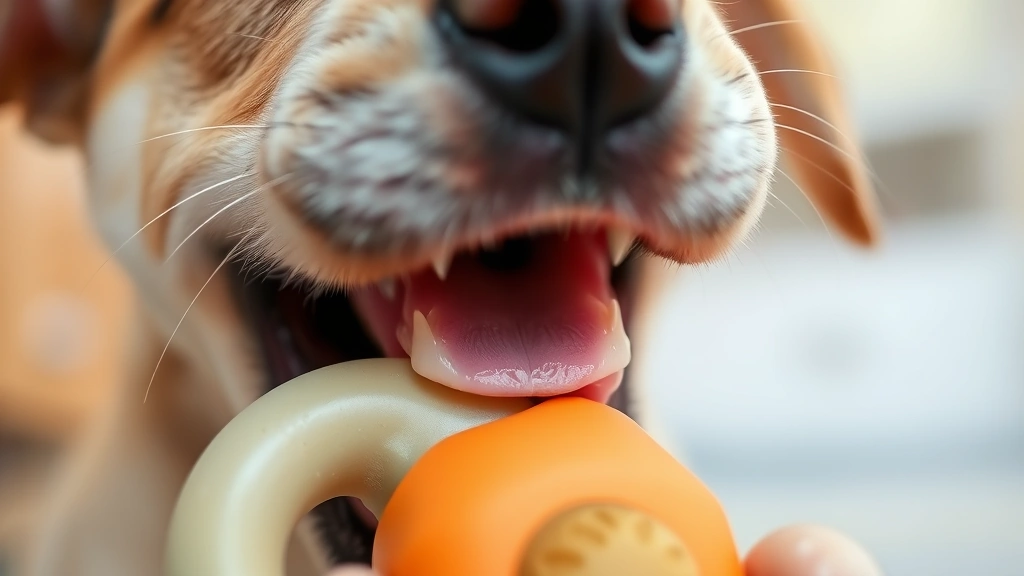
If you have a puppy, stick-eating might simply be part of the teething phase. Puppies begin losing their baby teeth around three to four months of age, and the process continues until they’re about seven months old. During this time, puppies experience significant discomfort and pressure in their gums, and they naturally seek out objects to chew on for relief.
Sticks provide the perfect outlet for teething puppies. The hard texture provides counter-pressure that feels good on sore gums, and the act of chewing releases endorphins that help alleviate pain. This is why puppies seem to chew on everything during the teething phase, including your furniture, shoes, and yes—sticks.
While teething-related stick-eating is generally a phase that will pass, it’s important to provide appropriate alternatives. Offer your puppy designated chew toys, rubber toys designed for teething, and even frozen washcloths to chew on. This helps satisfy their natural urge while protecting them from the risks associated with stick consumption. Remember that puppies are also more prone to intestinal blockages from stick fragments, making supervision especially important during this developmental stage.
Health Risks Associated with Stick Eating
While stick-eating might seem harmless, it actually poses several significant health risks to your dog. Understanding these dangers is crucial for protecting your pet’s wellbeing. The most serious risk is intestinal blockage, which occurs when stick fragments accumulate in the digestive tract and prevent normal passage of food and waste.
Intestinal blockages can be life-threatening and often require emergency surgical intervention. Symptoms include vomiting, loss of appetite, abdominal pain, constipation, and lethargy. If your dog shows any of these signs, seek veterinary care immediately. Blockages are particularly dangerous because they can develop gradually, with symptoms sometimes not appearing until significant damage has occurred.
Beyond blockages, stick-eating can cause other complications. Splinters from sticks can perforate the mouth, throat, or digestive tract, leading to infection and internal bleeding. Wood fragments can also cause inflammatory bowel disease or other digestive issues. Additionally, sticks may be contaminated with pesticides, fungicides, or other chemicals if they’ve fallen from treated trees or been exposed to lawn treatments.
Dogs that eat sticks are also at risk for dental damage. Chewing on hard wood can fracture teeth, leading to pain, infection, and potentially costly dental procedures. Some dogs also experience mouth lacerations or infections from splinters embedded in their gums or cheeks.
It’s worth noting that the risks associated with stick-eating are similar to those related to dogs eating bones, which also carry blockage and perforation risks. Both behaviors require careful management and supervision.
Effective Management Strategies
Now that you understand why dogs eat sticks and the associated risks, let’s explore practical strategies for managing this behavior. The most effective approach combines prevention, redirection, and training.
Environmental Management
The first line of defense is preventing access to sticks. During outdoor time, supervise your dog closely and remove sticks from areas where they spend time. If you have a backyard, regularly clear fallen branches and trim low-hanging branches that your dog might easily access. While you can’t eliminate all sticks from your dog’s environment, reducing readily available options is a good start.
Consider using a muzzle during outdoor activities if your dog has a severe stick-eating habit, though this should be combined with other training methods rather than used as a sole solution. Some pet parents also find success with basket muzzles that allow their dog to pant and drink while preventing them from picking up sticks.
Providing Appropriate Alternatives
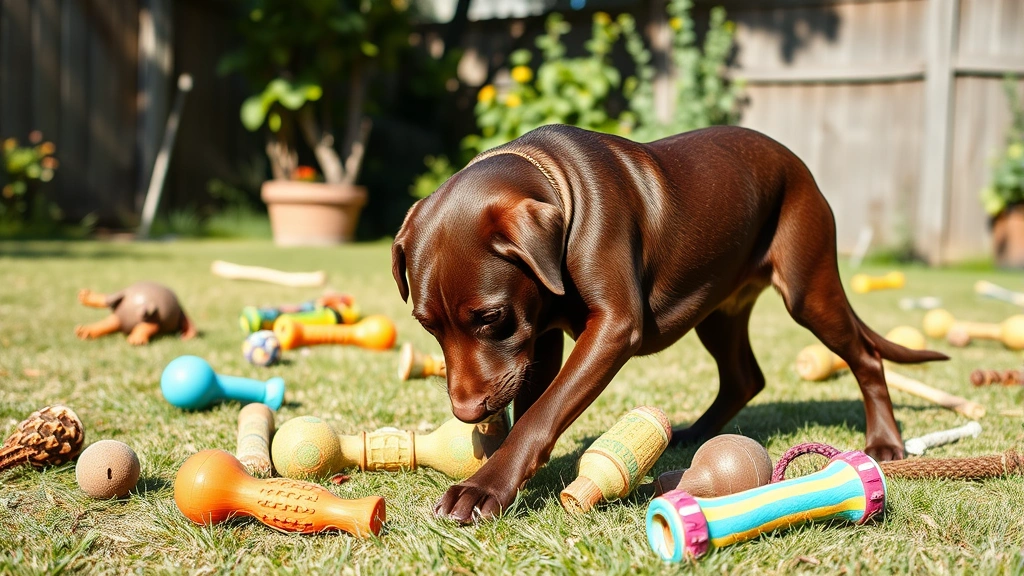
Dogs that eat sticks often benefit from having appropriate chewing outlets. Invest in high-quality chew toys designed to satisfy your dog’s natural chewing urges. Options include rubber toys like Kongs, nylon chews, bully sticks, yak chews, and rope toys. Rotate toys regularly to keep them interesting and maintain your dog’s engagement.
Puzzle toys and interactive toys that require problem-solving can also redirect the energy your dog would otherwise spend on sticks. These toys provide mental stimulation while satisfying the chewing instinct. Frozen toys can be particularly effective, as they’re soothing and long-lasting.
Increasing Exercise and Enrichment
A tired dog is less likely to engage in destructive behaviors like stick-eating. Ensure your dog gets adequate daily exercise appropriate for their age, breed, and health status. This might include walks, runs, fetch games, swimming, or agility training. Mental enrichment is equally important—incorporate training sessions, scent work games, and puzzle toys into your routine.
Dogs that receive sufficient physical and mental stimulation are significantly less likely to resort to stick-eating out of boredom. This is especially true for high-energy breeds that require substantial daily activity.
Training and Redirection
Train a strong “leave it” or “drop it” command. These commands are invaluable for preventing your dog from eating sticks when you notice them attempting to pick one up. Start training in low-distraction environments and gradually practice in more challenging settings.
When you catch your dog with a stick, calmly redirect them to an appropriate toy. Reward them generously for engaging with the toy instead. This positive reinforcement approach teaches your dog that appropriate chewing is rewarded, making them more likely to choose these items over sticks.
Dietary Evaluation
Consult with your veterinarian about your dog’s current diet. Ensure they’re eating a complete and balanced food appropriate for their life stage and health status. If you suspect nutritional deficiencies, your vet might recommend dietary changes, supplements, or further testing.
Just as some dogs experience issues that lead them to eat poop, dietary imbalances can contribute to stick-eating. A veterinary assessment can help rule out nutritional causes.
Addressing Underlying Anxiety
If your dog’s stick-eating appears to be anxiety-related, work with your veterinarian or a certified dog behaviorist to address the underlying anxiety. This might involve behavior modification training, environmental changes, or in some cases, anti-anxiety medication. Anxiety-driven behaviors often require a multi-faceted approach.
Some dogs that engage in repetitive behaviors like stick-eating benefit from calming supplements, anxiety wraps, or other anxiety-management tools. Identifying and addressing the root cause is more effective than simply preventing access to sticks.
Frequently Asked Questions
Is it normal for dogs to eat sticks?
Yes, stick-eating is a fairly common behavior in dogs. While it’s not necessarily a sign of a serious problem, it does warrant attention given the health risks involved. Most dogs eat sticks occasionally without incident, but frequent or compulsive stick-eating should be addressed through the management strategies discussed above.
Can sticks kill a dog?
While many dogs eat sticks without serious consequences, sticks can potentially be fatal if they cause a severe intestinal blockage or perforation. In rare cases, untreated blockages can lead to death. This is why it’s important to take stick-eating seriously and seek veterinary care if you suspect your dog has ingested a significant amount of wood.
What should I do if my dog swallows a stick?
If you witness your dog swallowing a stick, monitor them closely for signs of distress. Watch for vomiting, loss of appetite, abdominal pain, lethargy, or constipation. If any of these symptoms appear, contact your veterinarian immediately. Don’t wait for symptoms to develop if the stick was large or if you’re concerned—your vet can perform X-rays to check for blockages.
How can I tell if my dog has a blockage from eating sticks?
Signs of intestinal blockage include persistent vomiting, loss of appetite, abdominal pain (indicated by whining or reluctance to move), constipation or inability to defecate, lethargy, and dehydration. Some dogs may also have diarrhea or straining. These symptoms can develop over hours or days. Seek immediate veterinary attention if you suspect a blockage.
Why does my dog prefer sticks to toys?
Dogs may prefer sticks to toys for several reasons: the natural texture and scent appeal to them, sticks are freely available in many environments, and the behavior might be driven by boredom, anxiety, or nutritional deficiencies. Additionally, some dogs simply find the variability of sticks more interesting than repetitive toys. Increasing toy variety and novelty while addressing underlying causes can help shift their preference.
Is there a connection between stick-eating and other pica behaviors?
Yes, dogs that eat sticks often also engage in other pica behaviors like eating dirt or rocks. This suggests a common underlying cause, often nutritional deficiency or anxiety. If your dog exhibits multiple pica behaviors, a veterinary evaluation is especially important to rule out medical issues.
Can I give my dog wood chews instead of letting them eat sticks?
Commercial wood chews designed for dogs are generally safer than natural sticks because they’re treated to reduce splinter risk and are made from sustainably harvested, pesticide-free wood. However, they still carry some risks. The safest approach is to provide a variety of chew options including rubber toys, bully sticks, and yak chews, while preventing access to natural sticks.
When should I call the vet about stick-eating?
Contact your veterinarian if: your dog eats sticks compulsively or obsessively; you notice signs of intestinal blockage; your dog shows other signs of pica alongside stick-eating; the behavior is new and accompanied by other behavioral changes; or if you’re concerned about nutritional deficiencies. Your vet can perform appropriate testing and recommend management strategies tailored to your dog’s specific situation.





