
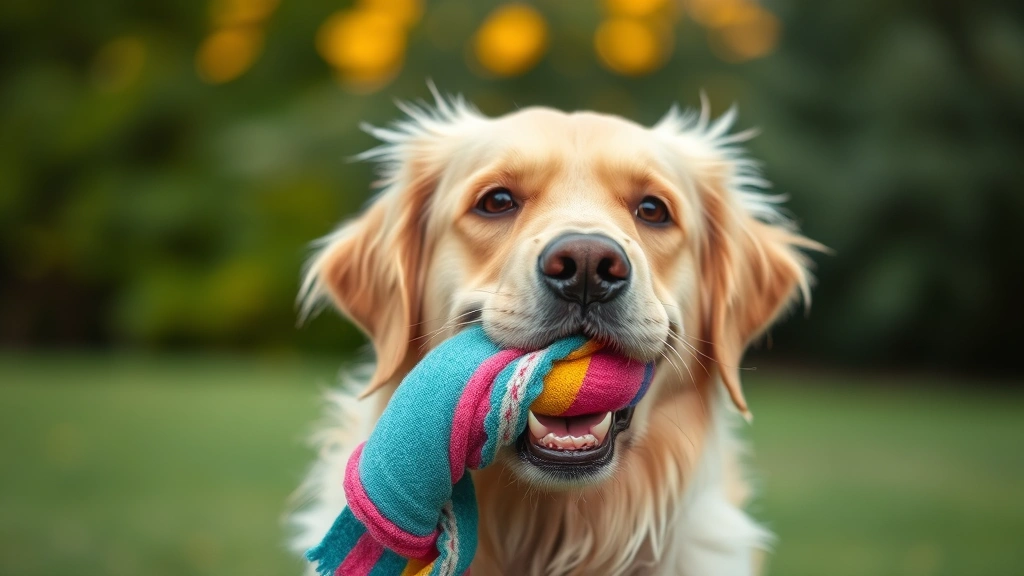
If you’ve ever wondered why do dogs eat underwear, you’re not alone—and honestly, it’s one of the most baffling behaviors dog owners face. One minute your pup is napping peacefully, and the next, you catch them mid-chew with your favorite pair of boxer briefs dangling from their mouth like some kind of fabric trophy. It’s equal parts hilarious and horrifying, especially when you realize the potential health risks involved.
Table of Contents
- 1. Pica: When Your Dog’s Appetite Goes Rogue
- 2. Separation Anxiety and Stress-Related Behavior
- 3. Attention-Seeking Behavior (Yes, Even Negative Attention Counts)
- 4. Teething, Texture Preferences, and Oral Fixation
- 5. Medical Issues and Underlying Health Problems
- The Real Danger: Why This Isn’t Just a Funny Habit
- Prevention Strategies: Keeping Your Underwear Safe (and Your Dog Safer)
- Training Tips to Redirect the Behavior
- When to Call the Vet
- The Role of Anxiety and Environmental Factors
- Laundry Management: A Practical Approach
- Frequently Asked Questions
The truth? There’s actually some pretty solid science behind this weird behavior, and it’s not just because your dog has a weird fetish for your laundry. Let’s dive into the real reasons your furry friend is treating your underwear drawer like an all-you-can-eat buffet.
1. Pica: When Your Dog’s Appetite Goes Rogue
One of the most common culprits behind why dogs eat underwear is a condition called pica. Pica is basically when dogs (or humans, for that matter) develop an obsession with eating non-food items. It’s not just about being mischievous—it’s a genuine behavioral or medical issue that needs attention.

Pica can stem from nutritional deficiencies, gastrointestinal issues, or even boredom. Some dogs with pica will eat anything from socks to plastic bags, and yes, your underwear collection is apparently fair game. If your dog is consistently eating non-food items, it’s time to chat with your vet. They can rule out underlying health conditions and recommend appropriate interventions.
2. Separation Anxiety and Stress-Related Behavior
Dogs are emotional creatures, and sometimes they act out in weird ways when they’re anxious. If your pup is munching on your underwear, it could be a sign of separation anxiety. Your underwear smells like you—it’s basically a comfort item for your dog, like a security blanket for a toddler.

When you leave the house, your dog might grab your underwear to self-soothe. Unfortunately, this often leads to ingestion, which is where the danger lies. If your dog shows other signs of separation anxiety—like excessive barking, destructive behavior, or pacing—you might want to work with a professional dog trainer or behaviorist to address the underlying anxiety.
3. Attention-Seeking Behavior (Yes, Even Negative Attention Counts)
Let’s be real: if your dog steals your underwear and you chase them around the house yelling, congratulations—you’ve just made it the best game ever. Dogs don’t always distinguish between positive and negative attention. If they’ve learned that stealing underwear gets them a reaction from you, they’ll keep doing it.

This is classic attention-seeking behavior. Your dog has figured out that this particular action guarantees you’ll engage with them, even if you’re frustrated. Breaking this cycle means not rewarding the behavior with a chase or dramatic response. Instead, redirect their attention to appropriate toys and reward calm behavior.
4. Teething, Texture Preferences, and Oral Fixation
Puppies and young dogs often have a strong urge to chew and explore their world with their mouths. Underwear, with its soft, stretchy texture, is basically the canine equivalent of bubble wrap—irresistibly satisfying to chew on. This is especially true during the teething phase when puppies are dealing with sore, itchy gums.

Some dogs just prefer certain textures over others. If your dog gravitates toward fabric items specifically, they might simply enjoy the way underwear feels in their mouth. Providing appropriate chew toys with similar textures—like rope toys or fabric-based toys—can help redirect this urge to something less problematic.
5. Medical Issues and Underlying Health Problems
Sometimes why do dogs eat underwear comes down to legitimate health concerns. Gastrointestinal issues, parasites, or nutritional imbalances can trigger pica and abnormal eating behaviors. Dogs with conditions like gastrointestinal inflammation or digestive upset might eat inappropriate items as their body tries to manage discomfort.
Thyroid problems, diabetes, and other metabolic conditions can also increase a dog’s appetite and lead to indiscriminate eating. If your dog is suddenly interested in your underwear when they previously weren’t, a vet visit is in order. Your veterinarian can run blood work and perform a physical exam to rule out medical causes.
The Real Danger: Why This Isn’t Just a Funny Habit
Here’s where the humor stops: eating underwear can be genuinely dangerous for your dog. Fabric doesn’t digest like food does. Instead, it can accumulate in your dog’s stomach or intestines, potentially causing a blockage. Intestinal blockages are serious medical emergencies that often require surgery.

Signs of intestinal blockage include vomiting, loss of appetite, abdominal pain, constipation, and lethargy. If your dog has swallowed underwear and shows any of these symptoms, get them to an emergency vet immediately. Don’t wait it out hoping it’ll pass on its own—blockages can be life-threatening.
Prevention Strategies: Keeping Your Underwear Safe (and Your Dog Safer)
The best solution is prevention. Here are practical steps to keep your underwear out of your dog’s mouth:

Store Underwear Securely: Keep your underwear in closed drawers or hampers that your dog can’t access. Use child-proof locks if necessary. A curious pup can open surprisingly difficult containers.
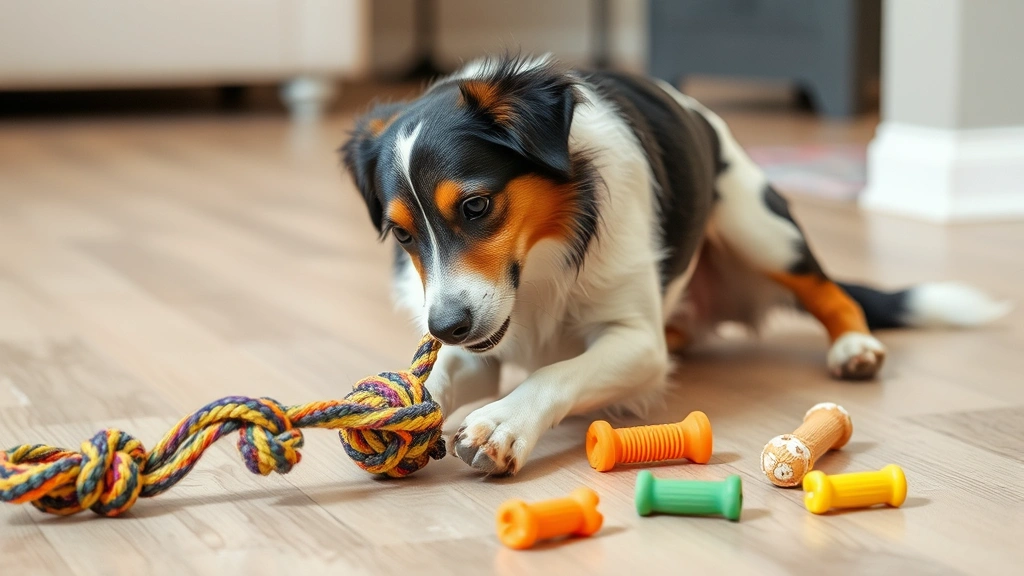
Provide Appropriate Chew Toys: Offer high-quality chew toys that satisfy your dog’s need to gnaw. Rubber toys, puzzle toys, and safe chewing alternatives to rawhide can redirect the urge.

Increase Exercise and Mental Stimulation: A bored dog is a mischievous dog. Regular exercise, training sessions, and interactive play can reduce destructive behaviors. Aim for at least 30 minutes of physical activity daily, depending on your dog’s age and breed.
Use Bitter Deterrents: Apply bitter-tasting sprays to items you want to protect. Dogs generally dislike these tastes and may avoid treated items.
Crate Training: When you can’t supervise your dog, crate training provides a safe space and prevents unsupervised access to your laundry.
Training Tips to Redirect the Behavior
If your dog has already developed a taste for underwear, retraining is possible. Use positive reinforcement to reward your dog for ignoring your laundry and choosing appropriate toys instead. When you catch them about to grab your underwear, redirect them with a firm “leave it” command and immediately offer a preferred toy.

Consistency is key. Everyone in your household needs to enforce the same rules and boundaries. Mixed messages will confuse your dog and slow progress.
When to Call the Vet
Contact your veterinarian if:

- Your dog is eating non-food items regularly (pica behavior)
- You suspect your dog has swallowed underwear or other fabric
- Your dog shows signs of intestinal blockage (vomiting, lethargy, loss of appetite)
- The behavior is new or has suddenly increased in frequency
- Your dog has other behavioral or health concerns
Your vet can rule out medical causes, perform imaging if necessary, and recommend behavioral interventions. For severe cases, they might refer you to a veterinary behaviorist.
The Role of Anxiety and Environmental Factors
Environmental stressors can amplify the urge to eat underwear. Changes in routine, new pets, moving houses, or even changes in your work schedule can trigger anxiety-driven behaviors. If you suspect anxiety is the culprit, consider working with a professional trainer or behaviorist. They can help desensitize your dog to triggers and teach coping mechanisms.

In some cases, your vet might recommend anti-anxiety medication as a temporary measure while behavioral training takes effect. There’s no shame in this—sometimes our dogs need a little chemical help to break bad habits, just like humans do.
Laundry Management: A Practical Approach
Simple laundry habits can make a huge difference. Keep dirty laundry in a closed hamper, not a pile on your bedroom floor. Wash your hands after handling your underwear (for hygiene reasons anyway), so your dog isn’t tempted by lingering scent. Store clean underwear in closed drawers or containers.
If you have a particularly determined pup, consider keeping your bedroom door closed or using a baby gate to restrict access to areas where laundry is stored. It might seem extreme, but it’s far better than dealing with emergency vet visits.
Frequently Asked Questions
Is it dangerous if my dog ate my underwear?
Yes, it can be. Fabric doesn’t digest and can cause intestinal blockages, which are medical emergencies. If you know your dog swallowed underwear, contact your vet immediately. Don’t assume it’ll pass on its own—blockages often require surgery.
Why does my dog specifically target underwear?
Underwear smells strongly of you, making it comforting for anxious dogs. It also has a soft, satisfying texture that appeals to dogs who like to chew. The combination of scent, texture, and accessibility makes underwear an irresistible target.
Can pica be cured?
Pica can be managed and improved with proper treatment. If it’s caused by nutritional deficiencies, supplementation helps. If it’s behavioral, training and environmental management work. Medical causes need to be addressed by your vet. Complete elimination depends on the underlying cause.
What should I do if I catch my dog eating underwear?
Don’t panic or chase them—this rewards the behavior. Instead, calmly redirect them with a “leave it” command and offer a preferred toy. If they’ve already swallowed it, monitor them closely for signs of blockage (vomiting, lethargy, loss of appetite) and contact your vet if symptoms appear.
How long does it take for a blockage to develop?
Blockages can develop within hours or take several days, depending on the size of the foreign object and your dog’s individual digestive system. This is why immediate vet attention is crucial if you know your dog has swallowed something dangerous.
Are certain dog breeds more prone to eating underwear?
Not specifically underwear, but some breeds are more prone to pica and destructive chewing. Retriever breeds, Labs, and young dogs in general tend to be more oral-focused. However, any dog can develop this behavior regardless of breed.
Can anxiety medication help with this behavior?
If the behavior is anxiety-driven, medication can help reduce the underlying anxiety, making behavioral training more effective. However, medication alone won’t solve the problem—it needs to be paired with environmental management and training. Work with your vet and a behaviorist to develop a comprehensive plan.





