
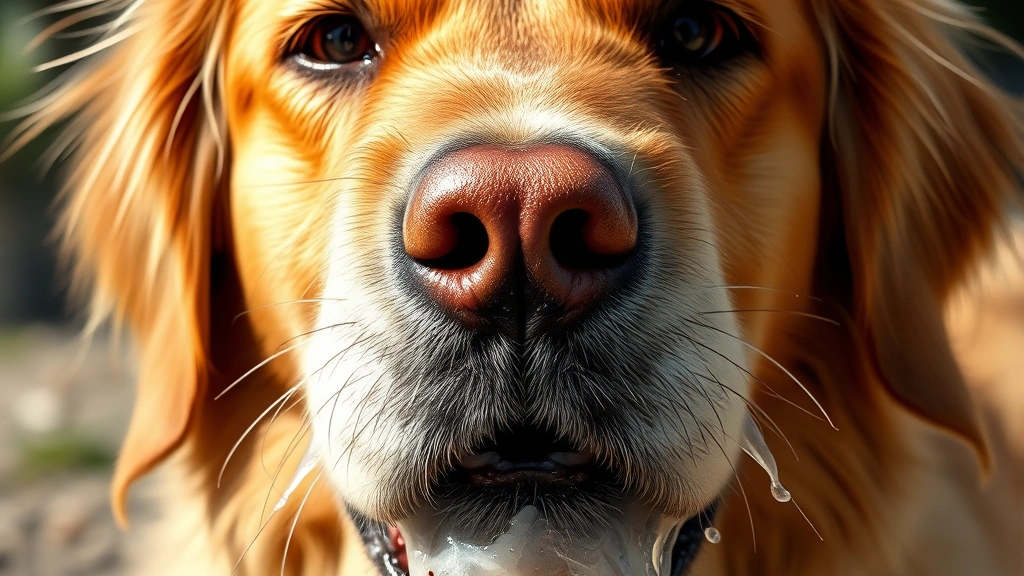
If you’ve ever noticed your furry best friend drooling excessively or foaming at the mouth, you’ve probably experienced that split second of panic. Why do dogs foam at the mouth? It’s one of those questions that can send pet parents spiraling into worst-case scenarios. The good news? Sometimes it’s totally harmless. The not-so-good news? Sometimes it’s not. Let’s break down what’s actually happening when your pup looks like they’ve been chewing on a cappuccino machine.
Table of Contents
- Understanding Excessive Drooling vs. Mouth Foam in Dogs
- Seizures and Neurological Issues: The Most Serious Cause
- Rabies: Why This Deserves Its Own Section
- Nausea and Gastrointestinal Distress
- Dental Disease and Oral Problems
- Stress and Anxiety Responses
- Heat Exhaustion and Overheating
- Poisoning and Toxic Ingestion
- When to Call the Vet vs. Emergency Care
- Treatment Options Based on Diagnosis
- Prevention and Home Care Strategies
- Frequently Asked Questions
- The Bottom Line: Know Your Dog
Understanding Excessive Drooling vs. Mouth Foam in Dogs
Before we dive into the scary stuff, let’s clarify what we’re actually looking at. Drooling and foaming are two different things, though they’re often confused. Normal drooling is clear, watery saliva that helps dogs digest food and keep their mouths moist. Foam, on the other hand, is bubbly, frothy, or white-ish saliva that typically indicates something’s going on beneath the surface. Some breeds like Saint Bernards and Mastiffs are just naturally drooly—it’s their thing. But if your pup suddenly starts producing excessive foam, that’s when you should pay attention.
Seizures and Neurological Issues: The Most Serious Cause
Let’s address the elephant in the room: seizures. If your dog is foaming at the mouth while also experiencing muscle twitching, loss of consciousness, or paddling movements, you’re likely looking at a seizure. This is serious stuff and requires immediate veterinary attention. Seizures can be caused by epilepsy, brain tumors, or metabolic disorders. The foaming happens because your dog’s muscles contract involuntarily, and their saliva gets whipped into a froth. If this is happening, don’t wait—get to an emergency vet. For more information about symptoms that might accompany seizures, check out our guide on lethargic dog symptoms.
Rabies: Why This Deserves Its Own Section
Yeah, we’re going there. Rabies is the big scary one, and while it’s rare in vaccinated dogs, it’s worth knowing about. The classic image of a rabid dog foaming at the mouth exists for a reason. Rabies causes hypersensitivity and excessive salivation, leading to that distinctive foam. Other signs include aggression, excessive drooling, difficulty swallowing, and behavioral changes. If you suspect rabies exposure—your dog was bitten by a wild animal or an unvaccinated dog—contact your vet or animal control immediately. This is a public health emergency. This is why keeping your dog’s rabies vaccination current isn’t optional; it’s essential.
Nausea and Gastrointestinal Distress
Sometimes the foam is your dog’s way of saying, “Hey, my stomach feels weird.” Nausea causes excessive salivation, which can appear foamy. This might happen if your dog ate something they shouldn’t have, has an upset stomach, or is experiencing acid reflux. You might notice other signs like loss of appetite, vomiting, or lethargy. If your dog seems otherwise normal but is just producing extra foam, it could be something minor. However, if the foaming is accompanied by other symptoms, it’s worth a vet visit. If your dog has eaten something potentially toxic, don’t assume they’re fine—get them checked out.
Dental Disease and Oral Problems
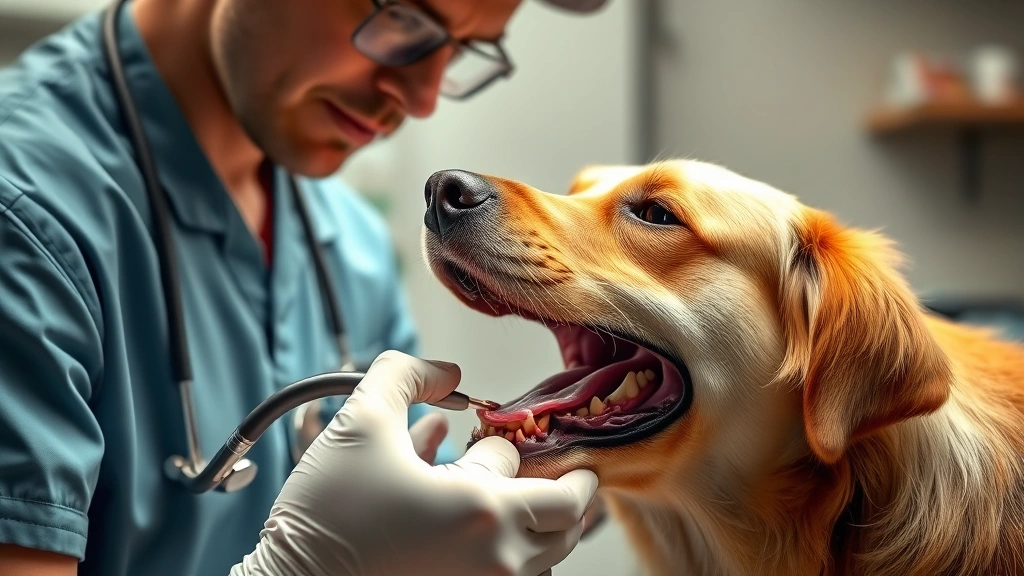
Your dog’s mouth is a breeding ground for bacteria if you’re not careful. Dental disease, tooth abscesses, or oral infections can cause excessive salivation and foaming. You might notice bad breath, difficulty eating, or swelling around the jaw. The foam is basically your dog’s immune system working overtime to fight infection. Regular dental care—brushing, professional cleanings, and chew toys—can prevent a lot of these issues. If your dog is showing signs of dental disease, your vet can recommend treatment options.
Stress and Anxiety Responses
Dogs can literally foam at the mouth when they’re stressed or anxious. Think about that nervous pup at the vet’s office or the dog who hates car rides. Anxiety triggers the sympathetic nervous system, which increases saliva production. The foam might look alarming, but it’s usually harmless once the stressor is removed. If your dog is a chronic worrier, you might explore calming strategies like methocarbamol for dogs or other anxiety management techniques under veterinary guidance.
Heat Exhaustion and Overheating
Dogs can’t sweat like we do, so they rely on panting to cool down. When a dog overheats, excessive panting leads to foam formation. This is especially dangerous in brachycephalic breeds (flat-faced dogs) who struggle with temperature regulation. Signs of heat exhaustion include excessive panting, drooling, weakness, and sometimes collapse. If your dog is overheating, get them to a cool place immediately, offer water, and contact your vet. Prevention is key: never leave your dog in a hot car, provide shade and water during outdoor activities, and be extra cautious during summer months.
Poisoning and Toxic Ingestion
Certain toxins cause excessive salivation and foaming. This includes pesticides, certain plants, medications, and chemicals. If you suspect your dog has eaten something toxic, foaming at the mouth might be one of several symptoms including vomiting, tremors, or difficulty breathing. Call your vet or the ASPCA Animal Poison Control Center immediately. Don’t wait to see if symptoms develop—time matters with poisoning. Keep a list of toxic substances and plants away from your pup, and store medications and cleaning supplies securely.
When to Call the Vet vs. Emergency Care
So your dog is foaming. Do you call your regular vet or head to the emergency clinic? If your dog is having seizures, showing signs of rabies, struggling to breathe, or unresponsive, go to the emergency vet now. If your dog seems otherwise normal but is producing extra foam, you can probably schedule a regular vet appointment. However, if the foaming is new and accompanied by other symptoms like lethargy, vomiting, or behavioral changes, don’t wait. Your vet can run tests, examine your dog’s mouth and neurological function, and determine what’s actually going on. They might recommend bloodwork, imaging, or other diagnostics depending on what they find.
Treatment Options Based on Diagnosis
Treatment depends entirely on the underlying cause. For seizures, your vet might prescribe anti-seizure medications. For dental disease, professional cleaning or extraction might be needed. For anxiety, behavioral modification or medication could help. For heat exhaustion, cooling and supportive care are essential. For poisoning, treatment depends on what was ingested and might include activated charcoal, IV fluids, or specific antidotes. This is why diagnosis is so important—you can’t treat the problem until you know what it is. Your vet might also recommend supplements or medications like Mometamax for dogs if there’s an underlying infection or inflammation.
Prevention and Home Care Strategies
You can’t prevent every cause of foaming, but you can reduce the risk of many. Keep your dog’s rabies and other vaccinations current. Maintain good dental hygiene with regular brushing and professional cleanings. Keep toxic substances out of reach. Avoid overheating by providing shade and water. Manage stress through exercise, training, and a consistent routine. Monitor your dog’s behavior and health regularly so you catch changes early. If your dog has a history of seizures or other conditions, work closely with your vet on management and prevention strategies. Some dogs benefit from dietary changes or supplements that support overall health.
Frequently Asked Questions
Is foaming at the mouth always a sign of rabies?
No, absolutely not. While rabies does cause foaming, it’s just one of many possible causes. Most cases of foaming are due to benign reasons like stress, nausea, or dental issues. However, if there’s any possibility of rabies exposure, contact your vet or animal control immediately.
Can normal excitement cause a dog to foam at the mouth?
Yes, excited or anxious dogs can produce foamy saliva. If your dog foams when they’re excited about a car ride or playing, and they’re otherwise healthy, it’s likely just excitement-induced excessive salivation.
What should I do if my dog suddenly starts foaming?
Stay calm and assess the situation. Is your dog having seizures or showing other alarming symptoms? Go to the emergency vet. Is your dog otherwise normal? Schedule a vet appointment. Document what you observe—when it started, how long it lasts, what else is happening—to help your vet diagnose the issue.
Can stress cause foaming at the mouth in dogs?
Yes, stress and anxiety trigger increased saliva production. Dogs at the vet, in cars, or in stressful situations might foam. Once the stressor is removed, the foaming usually stops. If your dog is chronically stressed, talk to your vet about management strategies.
Is dog foam contagious?
The foam itself isn’t contagious, but if it’s caused by something infectious like certain bacteria or viruses, those could be contagious. This is another reason to get a diagnosis from your vet.
How can I tell the difference between normal drooling and concerning foam?
Normal drool is clear and watery. Concerning foam is bubbly, frothy, or white-ish. If it’s sudden, excessive, or accompanied by other symptoms, it’s worth investigating. When in doubt, call your vet.
The Bottom Line: Know Your Dog
The most important thing you can do is know your dog. You’re the expert on their normal behavior, so when something changes, you’ll notice. Foaming at the mouth can range from completely harmless to genuinely serious, and only a veterinarian can determine which category your pup falls into. Don’t panic, but don’t ignore it either. Trust your gut, document what you observe, and reach out to your vet. They’re your partner in keeping your dog healthy and happy. Remember, most cases of foaming turn out to be manageable once properly diagnosed. Your dog is lucky to have someone who cares enough to investigate what’s going on.





