Why Do Dogs Get Eye Boogers? Causes Explained
If you’ve ever woken up to find your furry best friend with crusty gunk in the corners of their eyes, you’re not alone. Those little deposits—affectionately known as “eye boogers”—are one of the most common things pet parents encounter. But what exactly are they, and should you be concerned? The answer is more interesting than you might think, and understanding the causes can help you keep your pup’s peepers in tip-top shape.
Eye boogers in dogs are completely normal in most cases. Just like humans, dogs produce tears and eye discharge throughout the day. This natural process helps keep their eyes moist, protected, and free from debris. However, when you notice excessive buildup, discoloration, or if your dog seems uncomfortable, it might be time to investigate what’s going on behind those soulful eyes.
In this comprehensive guide, we’ll explore everything you need to know about canine eye discharge, from the benign causes to the ones that warrant a veterinary visit. We’ll also share practical tips for keeping your dog’s eyes clean and healthy, because let’s face it—nobody wants to see their pup squinting in discomfort.
What Are Eye Boogers in Dogs?
Eye boogers, or as veterinarians prefer to call them, ocular discharge, are a combination of tears, mucus, oils, and debris that accumulate in the corners of your dog’s eyes. This discharge is completely natural and serves an important purpose in maintaining eye health. Your dog’s tears contain special proteins and antibodies that protect the eye surface from bacteria and keep it moist.
The term “eye boogers” might sound silly, but it’s actually quite descriptive. These crusty formations typically appear as dark, reddish-brown, or yellowish deposits in the medial canthus—that’s the fancy term for the inner corner of the eye closest to the nose. Some dogs wake up with just a tiny bit of this discharge, while others seem to accumulate more throughout the day.
Understanding the composition of these deposits helps explain why they form. Your dog’s eyes are constantly producing tears through lacrimal glands. These tears don’t just disappear; they either drain through tiny ducts into the nasal passages or evaporate. When tears, oils, and environmental particles mix together and dry, they create those telltale crusty bits we call eye boogers.
Normal Eye Discharge vs. Problem Discharge
Not all eye discharge is created equal. Learning to distinguish between normal, harmless eye boogers and discharge that signals a problem is crucial for responsible pet ownership. Normal discharge is typically clear to slightly cloudy, minimal in quantity, and doesn’t cause your dog any apparent discomfort.
Here’s what healthy eye discharge looks like: small amounts of dark or reddish-brown crusty material in the corners of the eyes, particularly after sleep. Your dog shouldn’t be excessively rubbing their eyes, and the whites of their eyes should be bright and clear. If you notice your pup occasionally pawing at their eyes but not obsessively, that’s usually nothing to worry about.
Problem discharge, on the other hand, shows several red flags. Excessive tearing that leaves wet streaks on the face, thick and ropy discharge, or any discharge that’s green, yellow, or appears pus-like warrants attention. If your dog’s eyes appear red or inflamed, or if they’re keeping their eyes partially closed, these are signs that something needs professional evaluation. Additionally, if the discharge has an unpleasant odor or if your dog seems to be in pain, it’s time to schedule a veterinary appointment.
Common Causes of Dog Eye Boogers
Understanding why your dog develops eye boogers can help you address the underlying issue. There are numerous causes, ranging from completely harmless to requiring medical intervention. Let’s break down the most common culprits.
Environmental Irritants and Allergies
Just like humans, dogs can be sensitive to environmental factors. Dust, pollen, smoke, and other airborne particles can irritate your dog’s eyes and trigger increased tear production. Seasonal allergies are particularly common and can cause excessive eye discharge during spring and fall when pollen counts are high.
Allergies in dogs aren’t limited to environmental triggers. Food allergies can also manifest as eye problems, and if your dog has red, irritated eyes, it might be worth discussing dietary factors with your veterinarian. Dogs with allergies often have multiple symptoms, so you might notice itching in other areas as well.
Tear Duct Issues
Some dogs have naturally narrower tear ducts or ducts that don’t drain properly. This condition, called epiphora, causes tears to accumulate and overflow rather than draining into the nasal passages as they should. Certain breeds are more prone to this issue, and it often results in a distinctive reddish-brown staining below the eyes.
Blocked tear ducts can develop due to infection, inflammation, or anatomical abnormalities. When tears can’t drain properly, they accumulate and create more noticeable discharge. This is why some dogs seem to have perpetually wet faces despite being perfectly healthy.
Infections
Bacterial, viral, or fungal infections can cause abnormal eye discharge. If your dog has recently caught a cold, you might notice increased eye discharge as part of their overall illness. Conjunctivitis, commonly known as pink eye, is a frequent culprit and can be caused by various pathogens.
Eye infections often present with more obvious symptoms than simple eye boogers. Your dog’s eyes might appear swollen, the discharge might be thick and discolored, and your pup will likely be uncomfortable. An infection requires prompt veterinary attention to prevent complications.
Foreign Objects
Sometimes a speck of dust, a grain of sand, or even a tiny hair can lodge in your dog’s eye and trigger increased tearing and discharge. Your dog’s natural response is to produce more tears to flush out the irritant. Most minor foreign objects work themselves out naturally, but occasionally they need professional removal.
Dry Eye Syndrome
Counterintuitively, dry eyes can sometimes cause excessive discharge. When a dog has dry eye syndrome (keratoconjunctivitis sicca), their eyes aren’t producing enough tears. The eye compensates by producing thick, ropy discharge instead. This condition is more serious than simple eye boogers and requires veterinary treatment to manage.
Eyelid Problems
Conditions like entropion (where the eyelid rolls inward) or ectropion (where it rolls outward) can cause irritation and abnormal discharge. These anatomical issues are often breed-specific and may require surgical correction. Eyelashes that grow in unusual directions can also irritate the eye surface.
Skin Conditions
If your dog has general skin issues or conditions like hot spots on their body, this can sometimes extend to the eye area. Dermatitis or other inflammatory skin conditions can affect the delicate skin around the eyes and contribute to discharge.
Breed-Specific Factors
Certain dog breeds are genetically predisposed to eye issues that result in increased discharge. Understanding your breed’s tendencies can help you know what to expect and when to be concerned.
Flat-Faced Breeds: Bulldogs, Pugs, Shih Tzus, and other brachycephalic breeds have shortened muzzles and eye sockets that are positioned differently than in other dogs. This anatomical difference often means they naturally produce more eye discharge. Their tear drainage systems are compromised by their facial structure, leading to chronic tearing and discharge.
Small Breeds: Toy breeds like Chihuahuas, Maltese, and Yorkshire Terriers frequently have tear duct issues and are prone to epiphora. The reddish-brown tear staining under their eyes is so common in these breeds that it’s almost considered normal.
Breeds with Prominent Eyes: Dogs with large, protruding eyes like Pekingese and some Spaniel varieties are more susceptible to eye irritation simply due to their eye anatomy. Their eyes have less protection from their eyelids, making them more vulnerable to environmental irritants.
Long-Haired Breeds: Dogs with long facial hair, such as Old English Sheepdogs or Afghan Hounds, often experience eye irritation from hair rubbing against their eyes. This can increase discharge production.
When to Worry About Your Dog’s Eyes
While most eye boogers are harmless, certain signs indicate you should seek veterinary care. Being able to recognize these warning signs helps you catch problems early when they’re easier to treat.
Contact your veterinarian if you notice any of the following:
- Excessive discharge that soaks the fur around the eyes
- Discharge that’s thick, green, yellow, or contains pus
- Redness or swelling of the eye or surrounding tissue
- Your dog keeping their eye partially or completely closed
- Excessive pawing or rubbing at the eyes
- Cloudiness or haziness in the eye itself
- Visible ulceration or scratches on the eye
- Changes in your dog’s behavior related to their eyes, such as reluctance to go outside or bumping into objects
- Discharge accompanied by other symptoms like fever or lethargy
- Discharge from only one eye that develops suddenly
Remember, your veterinarian is the best resource for determining whether your dog’s eye discharge is normal or problematic. When in doubt, it’s always better to have a professional take a look.
Cleaning and Prevention Tips
Keeping your dog’s eyes clean and healthy is an important part of preventive care. Here are practical strategies to minimize excessive eye boogers and maintain eye health.
Regular Gentle Cleaning
For dogs that tend to accumulate eye boogers, gentle daily cleaning can help prevent buildup. Use a soft, damp cloth or specialized pet eye wipes to gently remove discharge from the corners of the eyes. Never use harsh materials or rub aggressively, as the eye area is sensitive. Just like you’d learn how to properly clean your dog’s ears, proper eye cleaning technique is important.
Warm water on a soft cloth is often sufficient for regular maintenance. For dogs with significant tear staining, there are pet-safe products specifically designed to remove these marks. Always approach your dog calmly during this process to keep them comfortable.
Maintain Good Hygiene
Keep the hair around your dog’s eyes trimmed if your dog has long facial hair. This prevents hair from rubbing against the eye surface and reduces irritation. If your dog spends time outdoors, rinse their face afterward to remove dust and pollen.
Address Underlying Health Issues
If your dog has allergies, work with your veterinarian to manage them effectively. Whether it’s seasonal allergies, food sensitivities, or environmental triggers, controlling the underlying condition will often reduce eye discharge. A dog with well-managed allergies will have fewer eye boogers overall.
Provide Proper Nutrition
A high-quality diet supports overall health, including eye health. Omega-3 fatty acids and antioxidants support tear production and eye function. Discuss nutrition with your veterinarian if you’re concerned about your dog’s health.
Regular Veterinary Check-ups
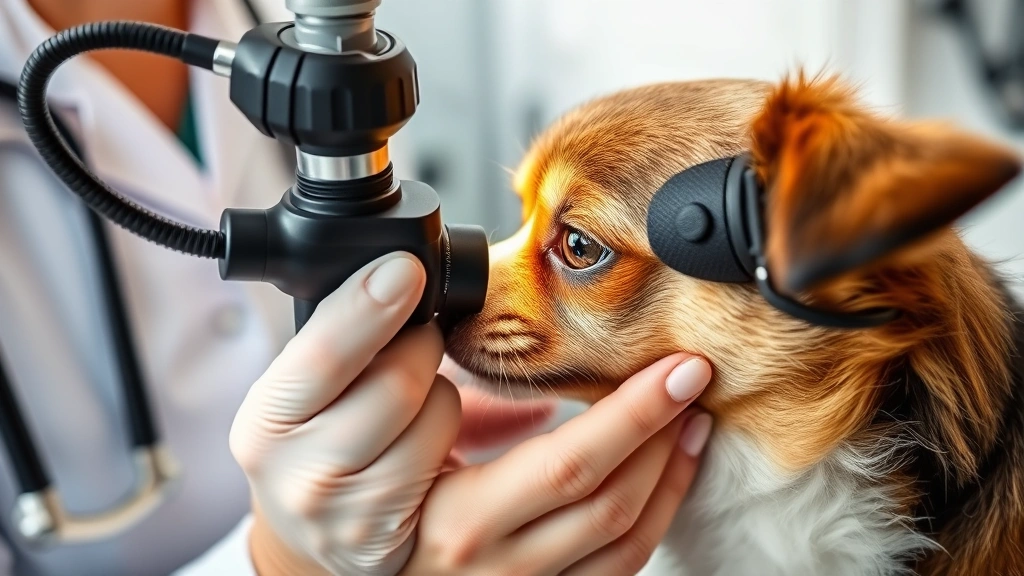
Routine veterinary visits allow your vet to monitor your dog’s eyes and catch problems early. During these visits, mention any changes in your dog’s eye discharge or behavior. Your veterinarian can spot issues that might not be obvious to you.
Manage Environmental Factors
If your dog is sensitive to smoke or air pollution, try to minimize their exposure. Use air filters in your home during high pollen seasons. Keep your dog’s living area clean to reduce dust and other irritants.
Consider Tear Supplements
For dogs prone to dry eye or excessive discharge, your veterinarian might recommend tear supplements or lubricating eye drops. These can help maintain proper tear production and eye health. Never use human eye drops on your dog without veterinary approval.
Frequently Asked Questions
Is it normal for dogs to have eye boogers?
Yes, it’s completely normal for dogs to have small amounts of eye discharge, especially after sleep. However, the amount should be minimal, and the discharge should be clear to slightly cloudy. If the discharge is excessive or discolored, it warrants investigation.
Why does my dog have more eye boogers in the morning?
During sleep, your dog’s eyes don’t blink, so tears and debris accumulate in the corners of their eyes. When they wake up, you see the buildup that occurred overnight. This is completely normal and similar to the eye crusting humans experience.
Can eye boogers indicate an infection?
While normal eye boogers don’t indicate infection, certain characteristics of discharge can signal a problem. Green, yellow, or pus-like discharge, especially accompanied by redness or swelling, suggests infection and requires veterinary attention.
How can I tell if my dog’s eye discharge is due to allergies?
Allergy-related eye discharge is often accompanied by other allergy symptoms like itching, sneezing, or skin irritation. The discharge is usually clear to slightly cloudy and occurs seasonally or consistently depending on the allergen. If you suspect allergies, discuss this with your veterinarian.
Should I use human eye drops on my dog?
No, you should never use human eye drops on your dog without explicit veterinary approval. Dog eyes are different from human eyes, and many human products can be harmful to dogs. Always consult your veterinarian before using any eye products.
What’s the difference between eye boogers and tear staining?
Eye boogers are the crusty deposits that accumulate in the corners of eyes, while tear staining refers to the reddish-brown discoloration on the fur below the eyes caused by chronic tearing. Both can occur together, particularly in breeds prone to epiphora.
Can I prevent my dog from getting eye boogers?
While you can’t completely prevent eye boogers—they’re a natural part of eye function—you can minimize excessive discharge by managing allergies, maintaining good hygiene, and addressing any underlying health issues. Regular cleaning and preventive care go a long way.
Is there a home remedy for dog eye discharge?
For minor, normal eye discharge, gentle cleaning with warm water and a soft cloth is sufficient. However, if the discharge is excessive or abnormal, home remedies won’t address the underlying cause. Your veterinarian can recommend appropriate treatments based on the diagnosis.
When should I be worried about my dog’s eye discharge?
Be concerned if the discharge is excessive, discolored (green, yellow, or bloody), accompanied by redness or swelling, or if your dog seems uncomfortable. Any sudden change in the amount or character of discharge also warrants a veterinary visit.
Are certain dog breeds more prone to eye boogers?
Yes, flat-faced breeds like Bulldogs and Pugs, small breeds like Chihuahuas, and breeds with tear duct issues are more prone to eye discharge. Understanding your breed’s predispositions helps you know what’s normal for your individual dog.