
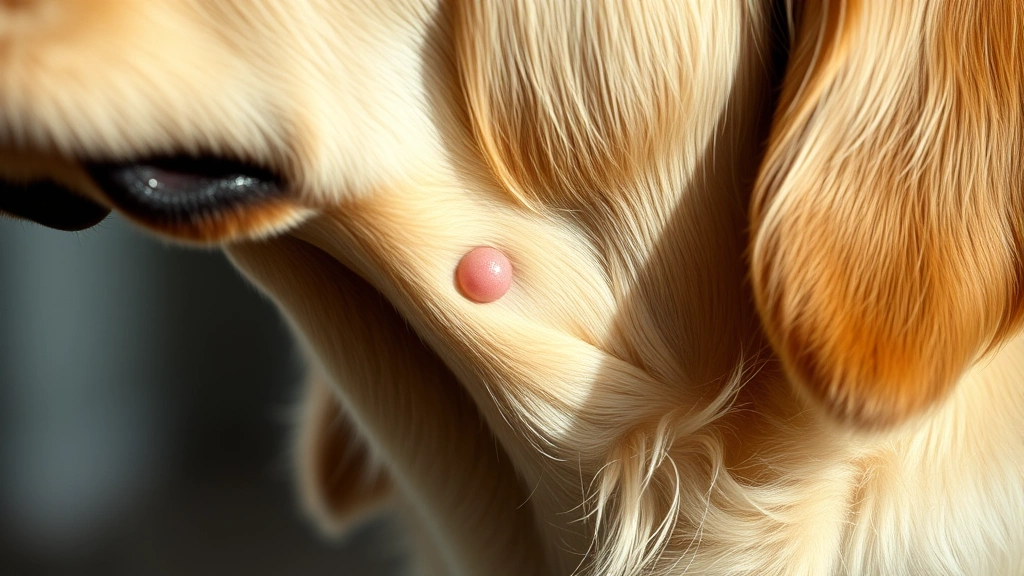
So you’re petting your pup and suddenly feel something weird—a little fleshy bump hanging off their skin. Welcome to the wonderful world of why do dogs get skin tags. Don’t panic! While they look kinda gross (let’s be honest), these little dangly things are usually harmless. But understanding what causes them and when to worry is important for any dog parent who wants to keep their furry friend in tip-top shape.
Table of Contents
- What Are Skin Tags on Dogs, Anyway?
- Cause #1: Age and Genetics
- Cause #2: Friction and Rubbing
- Cause #3: Obesity and Weight Issues
- Cause #4: Hormonal Changes and Insulin Resistance
- Cause #5: Underlying Skin Conditions
- When Should You Worry About Dog Skin Tags?
- Treatment Options for Canine Skin Tags
- Prevention Tips for Future Skin Tags
- When to See a Vet About Skin Tags
- Frequently Asked Questions
What Are Skin Tags on Dogs, Anyway?
Skin tags are small, benign growths that hang off your dog’s skin like tiny fleshy pendants they never asked for. They’re technically called acrochordons (fancy vet speak), and they’re made of loose, excess skin. Think of them as your dog’s body producing a little too much skin in one spot and deciding to let it hang out. Literally.
These growths are typically flesh-colored or slightly darker and can range from the size of a sesame seed to a small pea. They’re most commonly found in areas where there’s friction—like the neck, armpits, groin, or anywhere your dog’s skin folds over itself. The good news? They’re almost never cancerous, and most dogs don’t even notice they have them.
Cause #1: Age and Genetics
Here’s the truth: older dogs get skin tags more often than younger pups, kind of like how we humans develop age spots. As your dog gets older, their skin loses elasticity and becomes more prone to these little growths. If your senior pup is sporting a few skin tags, it’s just part of the aging process—nothing to lose sleep over.
Genetics also play a huge role. Some dog breeds are just predisposed to developing skin tags more than others. Older dogs, particularly those over 7 years old, are significantly more likely to develop these growths. If your dog’s parents had skin tags, there’s a decent chance your pup will too. It’s basically written in their DNA.
Cause #2: Friction and Rubbing
Your dog’s skin is constantly moving, stretching, and rubbing against itself—especially in areas where skin folds exist. This constant friction can irritate the skin and cause these little growths to develop. Dogs with loose, saggy skin (looking at you, Shar-Peis and Bulldogs) are particularly prone to skin tags because they have more folds creating more friction.
Collars that are too tight can also contribute to skin tag development around the neck area. If your dog wears a collar 24/7, the constant rubbing might be encouraging these growths. Consider giving your pup collar-free time, especially if they’re developing tags around the neck.
Cause #3: Obesity and Weight Issues
Overweight dogs are more susceptible to skin tags because excess weight creates more skin folds and friction. When your dog carries extra pounds, their skin has to stretch more, and areas of friction multiply. This is yet another reason to keep your pup at a healthy weight—not just for their joints and heart, but for their skin too.
If your dog is overweight, working with your vet to develop a weight management plan can help prevent future skin tags and improve overall health. You might also want to explore joint supplements for dogs if your pup is struggling with mobility issues related to weight.

Cause #4: Hormonal Changes and Insulin Resistance
Sometimes skin tags can be linked to hormonal imbalances or insulin resistance in dogs. Conditions like Cushing’s disease or hypothyroidism can cause skin changes, including the development of skin tags. If your dog suddenly develops multiple skin tags along with other symptoms like excessive drinking, weight gain, or lethargy, it’s worth mentioning to your vet.
Dogs with diabetes are also more prone to skin issues and growths. If you notice your lethargic dog developing skin tags alongside other concerning symptoms, get them checked out by a professional.
Cause #5: Underlying Skin Conditions
Sometimes skin tags can develop alongside other skin conditions like mange on dogs or other dermatological issues. While skin tags themselves aren’t contagious or dangerous, they can occasionally indicate that your dog’s skin needs some extra TLC.
If your dog has a history of skin problems or allergies, they might be more prone to developing skin tags. Using a quality medicated dog shampoo can help maintain skin health and potentially reduce the likelihood of future growths.
When Should You Worry About Dog Skin Tags?
Here’s the thing: most skin tags are completely harmless and don’t require treatment. However, you should contact your vet if:
- The skin tag is bleeding or oozing
- Your dog is licking or scratching at it constantly
- It’s growing rapidly or changing appearance
- It’s in a location that causes your dog discomfort
- You’re unsure whether it’s actually a skin tag or something else
Your vet can examine the growth and confirm it’s benign. Sometimes what looks like a skin tag might actually be a wart, mole, or something that needs attention.
Treatment Options for Canine Skin Tags
If your dog’s skin tags aren’t causing problems, you don’t need to do anything. Seriously. They’re like little beauty marks that your dog probably doesn’t even notice. However, if they’re bothersome or located somewhere that causes irritation, your vet can remove them.
Removal options include cryotherapy (freezing), surgical removal, or ligation (tying off the blood supply). These are typically quick procedures, though they might require sedation depending on the location and your dog’s temperament. Talk to your vet about whether removal makes sense for your situation.
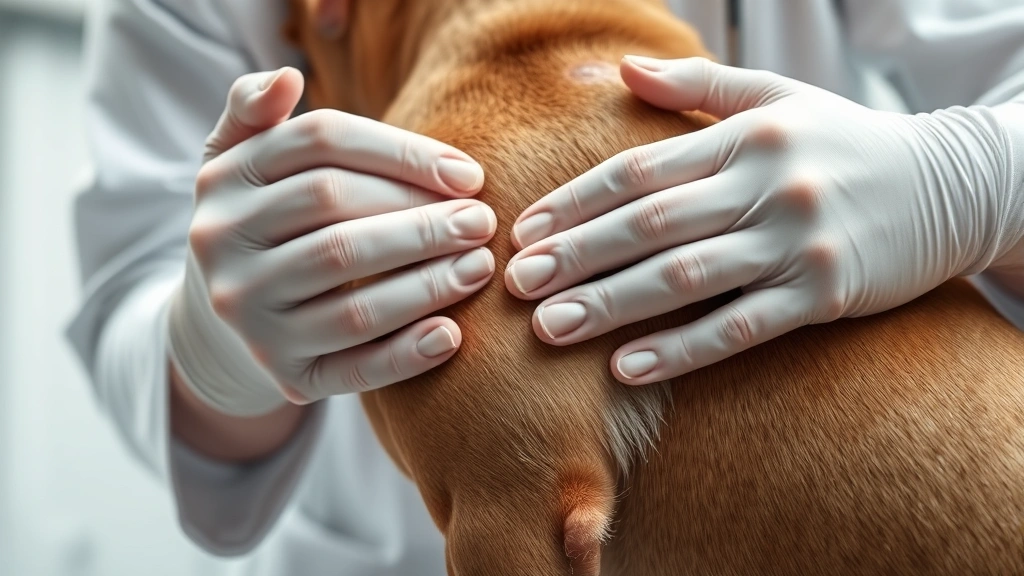
Some people swear by witch hazel for dogs as a natural remedy, but evidence supporting its effectiveness for skin tags is limited. Always check with your vet before applying anything topical to your dog’s skin.
Prevention Tips for Future Skin Tags
While you can’t completely prevent skin tags (thanks, genetics!), you can reduce the risk:
- Maintain a healthy weight: Keep your dog at an ideal body condition to minimize skin folds and friction
- Ensure proper collar fit: Make sure collars aren’t too tight and give your dog collar-free time
- Regular grooming: Keep your dog’s skin clean and dry, especially in fold areas
- Monitor for other conditions: Watch for signs of hormonal imbalances or other health issues
- Healthy diet: Feed high-quality food to support skin health from the inside out
When to See a Vet About Skin Tags
Schedule a vet appointment if you notice multiple skin tags developing suddenly, if they’re causing your dog distress, or if you’re simply unsure whether what you’re seeing is actually a skin tag. Your vet can provide peace of mind and rule out other conditions. Remember, it’s always better to be safe than sorry when it comes to your dog’s health.
Frequently Asked Questions
Are dog skin tags contagious?
No, skin tags are not contagious at all. They’re benign growths that won’t spread to other dogs or even to other parts of your dog’s body. Your pup can hang out with other dogs without any risk of passing along skin tags.
Can I remove my dog’s skin tag at home?
We strongly recommend against DIY removal. While the internet might suggest various home remedies, removing skin tags at home can lead to infection, excessive bleeding, or pain for your dog. Always let a veterinarian handle removal if it’s necessary.
Do skin tags hurt dogs?
Most skin tags don’t hurt or bother dogs at all. However, if they’re in an area that gets rubbed constantly or if your dog licks at them, they can become irritated. Some dogs might find them annoying, but generally they’re painless.
How much does it cost to remove a dog’s skin tag?
Removal costs vary depending on your vet, location, and the number of tags being removed. Expect anywhere from $200 to $500+ for professional removal. Since most skin tags don’t require removal, discuss with your vet whether it’s necessary before committing to the procedure.
Can skin tags indicate cancer in dogs?
Skin tags themselves are benign and not cancerous. However, if you notice growths that are changing rapidly, bleeding, or look unusual, have your vet check them out to rule out other conditions. When in doubt, get a professional opinion.





