
If you’ve ever wondered why do dogs get stuck together when mating, you’re not alone—it’s one of the most common questions pet owners ask their vets, usually with a mix of concern and awkward curiosity. The good news? It’s completely normal, and there’s actual science behind this seemingly bizarre phenomenon.
Table of Contents
- The Biological Reason Behind the Tie
- Understanding Canine Reproductive Anatomy
- Why Evolution Favored the Tie
- What Happens During the Tie
- Common Misconceptions About Dog Mating
- How Long Does the Tie Last
- Breeding Considerations and Responsible Breeding
- Health Implications and When to Call the Vet
- Spaying and Neutering as an Alternative
- Frequently Asked Questions
- Summary
The Biological Reason Behind the Tie
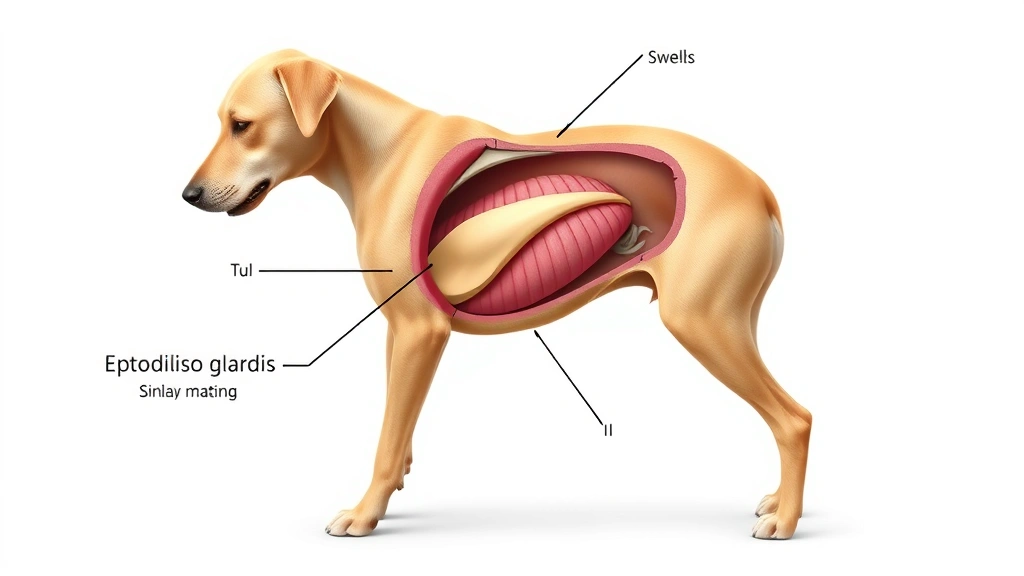
When dogs mate, they don’t just hook up and move on like some mammals do. Instead, they enter what’s called a “tie” or “lock,” where the male’s penis swells inside the female’s vagina, and they become physically locked together for anywhere from 5 to 30 minutes (sometimes even longer). This isn’t a malfunction or an emergency—it’s actually an evolutionary feature that’s been hardwired into canine reproduction for thousands of years.
The male dog’s penis has a special structure called the bulbus glandis, which is essentially a bulbous area that swells with blood during arousal. Once inside the female, this swelling increases significantly, creating a tight seal. The female’s vaginal muscles also contract around it, essentially locking them together. It’s nature’s way of ensuring maximum reproductive success.
Understanding Canine Reproductive Anatomy
To really get why this happens, you need to understand how different dog anatomy is from humans. The male dog’s penis is covered in bone (yes, actual bone—called the baculum), which helps maintain rigidity. The bulbus glandis is separate from the rest of the penis and swells independently during mating.
The female’s reproductive tract is also uniquely designed for this process. Her vagina has natural muscular contractions that help guide sperm toward the uterus and, conveniently, help keep that tie locked in place. It’s all perfectly designed by Mother Nature to make sure puppies happen.
Why Evolution Favored the Tie
From an evolutionary standpoint, the tie serves several purposes. First, it ensures that sperm is deposited deep within the female’s reproductive tract, increasing the chances of fertilization. Second, it prevents the female from mating with other males immediately after, which would reduce the genetic success of the first male’s offspring. Third, it keeps the pair together long enough for sperm to travel where it needs to go.
This reproductive strategy has been so successful that it’s remained virtually unchanged for millions of years. Dogs, wolves, and their wild relatives all use this same mechanism, which tells you it’s an incredibly effective system.
What Happens During the Tie
During the tie, both dogs are typically calm, though they might seem uncomfortable or stressed if they don’t understand what’s happening. Some dogs will try to turn around or pull away, which can cause anxiety for inexperienced owners. However, the tie is painless for both parties—it’s just an unusual sensation they’re not used to.
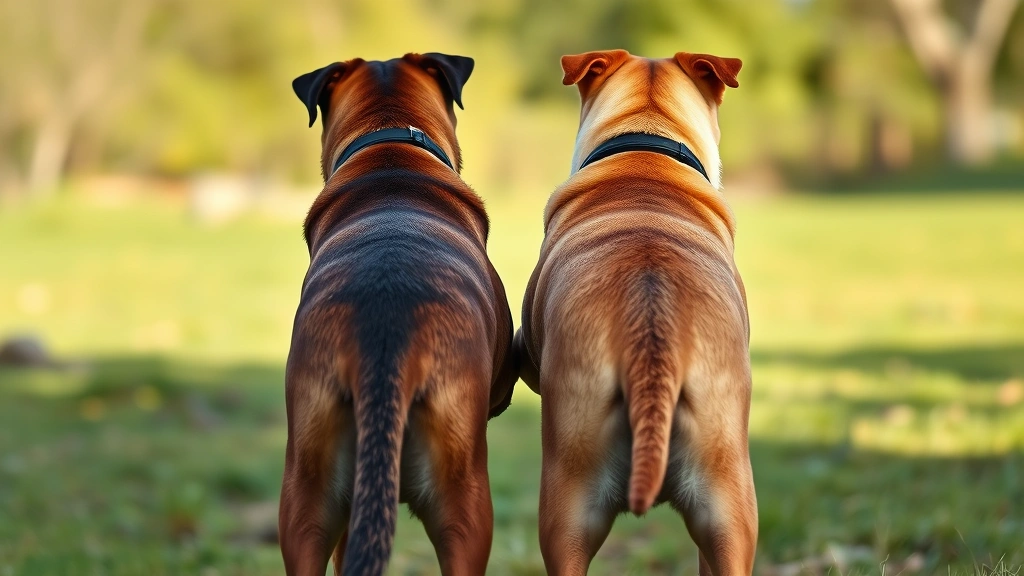
The male will usually dismount and turn around so the pair is facing away from each other, rear-to-rear. This position is completely normal and allows both dogs to be more comfortable while locked together. They’ll stand like this, sometimes panting heavily, until the swelling naturally reduces and they separate on their own.
Common Misconceptions About Dog Mating
One huge myth is that you should try to separate dogs during a tie. Pulling them apart forcefully can cause serious injury to both animals, including tearing of the vaginal tissue or damage to the penis. The best thing to do is leave them alone and let nature take its course. They will separate naturally without any intervention.
Another misconception is that the tie is a sign something went wrong. It’s not. It’s exactly what’s supposed to happen. If dogs didn’t tie during mating, that would actually be unusual and potentially indicate a problem with fertility.
People also sometimes worry that the tie is painful. While it might look uncomfortable, it’s not. Dogs aren’t screaming in pain—they’re just experiencing an unfamiliar sensation. If you’re concerned about your dog’s health during breeding, consult with your veterinarian beforehand.
How Long Does the Tie Last
The duration of the tie varies considerably between individual dogs. Some ties last just 5 minutes, while others can go for 30 minutes or more. Larger breed dogs tend to have longer ties than smaller breeds, though there’s plenty of individual variation. The tie will naturally end when the swelling of the bulbus glandis decreases enough to allow separation.
There’s no “normal” length of time—anything from a few minutes to half an hour is completely typical. If a tie lasts much longer than an hour, that’s when you might want to contact your vet, but this is rare.
Breeding Considerations and Responsible Breeding
If you’re planning to breed your dog, understanding the mating process is crucial. Responsible breeding involves health testing, genetic screening, and ensuring both parents are in excellent health. Before breeding, you should have your dog screened for hereditary conditions common to their breed. This is where consulting resources like those from the American Kennel Club (AKC) becomes invaluable.
Breeding should only be done by people who understand the commitment involved—not just in the mating process, but in caring for the mother during pregnancy and nursing, and finding good homes for the puppies. It’s also worth noting that false pregnancy in dogs can be dangerous, so understanding your dog’s reproductive health is essential.
Health Implications and When to Call the Vet
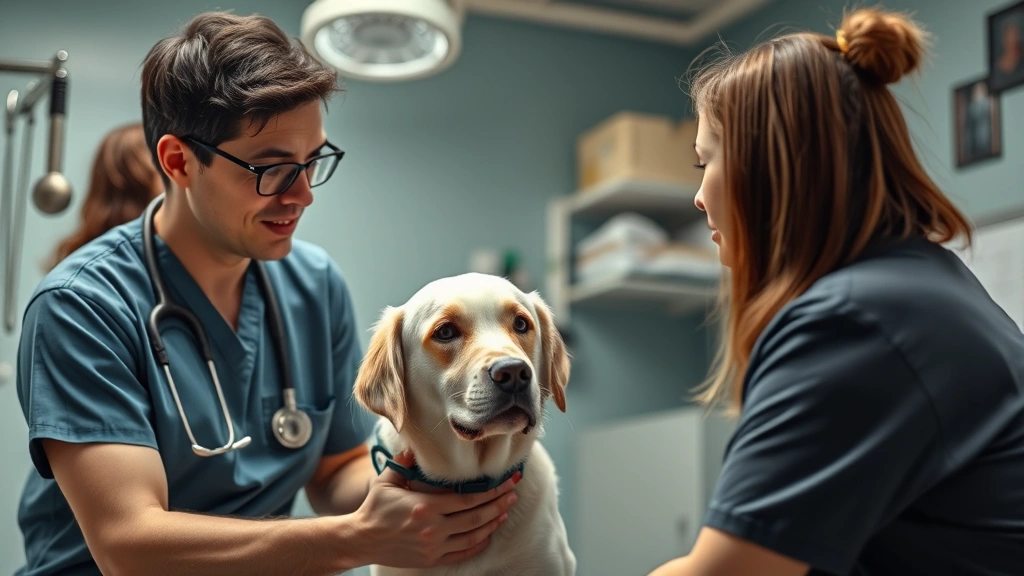
While the tie itself is normal and healthy, there are situations where you should contact your veterinarian. If your dog shows signs of pain, excessive bleeding, or if the tie lasts longer than an hour and the dogs seem distressed, that warrants a call to your vet. Additionally, if mating doesn’t result in pregnancy after multiple attempts, fertility issues might be at play.
It’s also important to ensure your dog is up-to-date on vaccinations before breeding. Regular health checks and preventive care—like the leptospirosis vaccine for dogs—are essential for any breeding animal. Your vet can also provide guidance on the best timing for breeding based on your dog’s heat cycle.
Spaying and Neutering as an Alternative
If you’re not planning to breed your dog, spaying or neutering is the responsible choice. These procedures eliminate the risk of unwanted litters, reduce the risk of certain cancers and infections, and can help with behavioral issues. Most vets recommend spaying or neutering around 6 months of age, though this can vary based on breed and individual health factors.
For most pet owners, spaying and neutering is the best option. It prevents the stress of managing a dog in heat and eliminates the risk of accidental breeding.
Frequently Asked Questions
Is it normal for dogs to get stuck together when mating?
Absolutely! The tie is a completely normal and healthy part of dog reproduction. It’s caused by the swelling of the bulbus glandis (a part of the male’s penis) combined with the female’s vaginal contractions. This mechanism ensures successful fertilization and has been part of canine reproduction for millions of years.
How long will dogs stay stuck together?
The tie typically lasts anywhere from 5 to 30 minutes, though it can occasionally last longer. The duration varies between individual dogs and breeds, with larger dogs often having longer ties. The dogs will separate naturally once the swelling reduces—you don’t need to do anything to help them.
Should I separate dogs if they get stuck?
No! Never forcefully separate dogs during a tie. Pulling them apart can cause serious injuries including tearing of the vaginal tissue or damage to the penis. Just let them be; they’ll separate on their own when the time is right. If they seem extremely distressed or the tie lasts over an hour, contact your vet.
Can a dog get pregnant without a tie?
While pregnancy is possible without a tie, the tie significantly increases the chances of successful fertilization. The tie keeps sperm in the optimal location for the longest amount of time, which is why it evolved as part of the reproductive process. Without a tie, fertility rates are notably lower.
What should I do if my dog is in heat and I don’t want puppies?
The best option is spaying, which completely prevents heat cycles and eliminates the possibility of accidental pregnancy. If your dog is currently in heat, keep her away from intact males until the heat cycle ends (typically 2-3 weeks). After that, schedule a spay appointment with your vet.
Summary
Why do dogs get stuck together when mating? It’s an evolutionary adaptation that maximizes reproductive success. The male’s penis swells inside the female’s vagina, and her muscles contract around it, creating a temporary lock that lasts anywhere from minutes to half an hour. This process is completely normal, painless, and shouldn’t be interrupted. If you’re a pet owner, understanding this natural phenomenon helps you stay calm if you witness it. And if you’re not planning to breed your dog, spaying or neutering remains the most responsible choice for pet ownership.





