
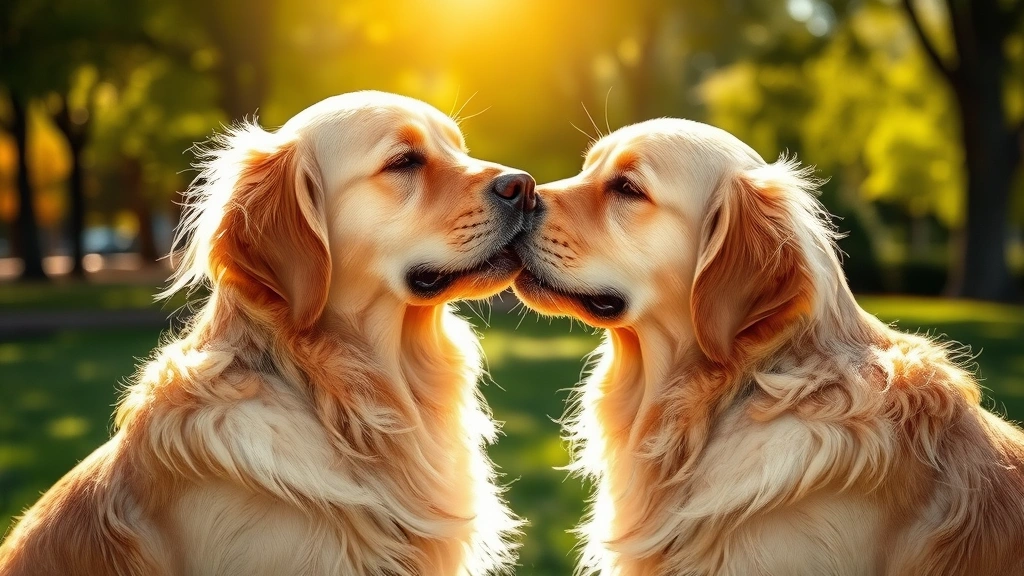
If you’ve ever wondered why do dogs groom each other, you’re not alone—it’s one of the most adorable and confusing behaviors dog owners witness. One moment your pups are wrestling like tiny furry wrestlers, and the next they’re gently licking each other’s faces like they’re applying a spa treatment. But this behavior is way more than just cute—it’s actually packed with meaning, bonding, and survival instincts that date back thousands of years.
Table of Contents
- The Social Bond: It’s Not Just About Hygiene
- Maternal Instincts and Pack Hierarchy
- Scent Marking and Pack Identity
- Stress Relief and Comfort Seeking
- Parasite Control and Health Maintenance
- Submission and Respect in Dog Dynamics
- Play and Affection: The Fun Factor
- When Grooming Becomes a Problem
- Breed-Specific Grooming Behaviors
- Creating a Grooming-Friendly Environment
- Understanding Your Dogs’ Communication
- Frequently Asked Questions
- Summary: The Deeper Meaning Behind Dog Grooming
The Social Bond: It’s Not Just About Hygiene
Let’s get real: when dogs groom each other, they’re not exactly running a mobile pet spa. Instead, they’re reinforcing their social hierarchy and strengthening their pack bonds. In wild dog packs and their wolf ancestors, grooming was (and still is) a crucial way to maintain group cohesion. When your dogs lick each other, they’re essentially saying, “Hey buddy, I trust you, and we’re in this together.” This behavior mirrors what you see in happy dog dynamics, where trust and affection are the foundation of their relationships.
Dogs that groom each other are literally bonding at a chemical level. The act releases oxytocin—the same “love hormone” that floods a mother dog’s brain when she’s nursing puppies. So when your two canine companions are licking each other’s ears, they’re flooding their brains with feel-good chemicals that strengthen their emotional connection.
Maternal Instincts and Pack Hierarchy
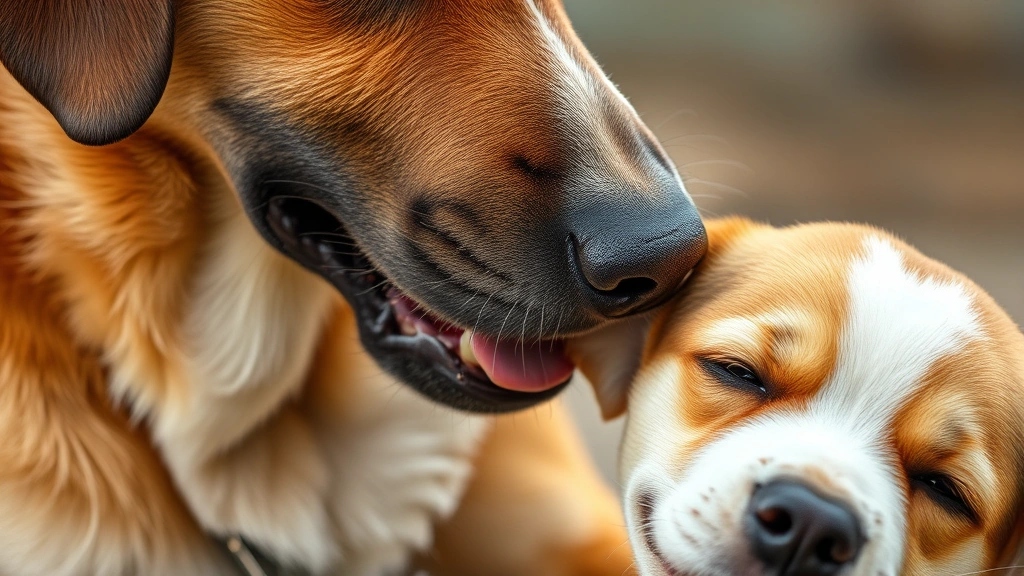
One of the primary reasons dogs engage in mutual grooming relates to their maternal and hierarchical instincts. Mother dogs groom their puppies obsessively—it’s not vanity, it’s survival. They clean their pups to remove parasites, stimulate circulation, and keep them healthy. Even as adult dogs, this instinct doesn’t completely disappear. A more dominant or nurturing dog might groom a subordinate dog as a way of expressing care and reinforcing their role in the pack structure.
This is especially noticeable in multi-dog households where one dog naturally takes on a more protective or maternal role. They might groom the younger, smaller, or more submissive dog more frequently. It’s their way of saying, “I’ve got your back, and I’m looking out for you.”
Scent Marking and Pack Identity
Dogs live in a world of scents that we humans can barely comprehend. When they groom each other, they’re not just cleaning—they’re creating a unified pack scent. By licking and grooming their packmates, dogs exchange pheromones and scent markers that essentially brand them as members of the same group. This is why dogs often smell like each other after spending time together, and it’s actually a sign of a healthy, bonded pack.
This scent-sharing behavior is deeply rooted in canine evolution. In the wild, a unified pack scent helps members identify each other quickly and warns off intruders. Your domestic dogs are just following ancient instincts when they engage in this behavior, even if they’re just lounging in your living room.
Stress Relief and Comfort Seeking
Just like humans might reach out for a hug when stressed, dogs use grooming as a calming mechanism. When a dog is anxious, nervous, or dealing with uncertainty, a companion dog might initiate grooming to soothe them. The gentle licking releases endorphins—natural painkillers and mood elevators—that help reduce stress and anxiety in both the groomer and the groomed.
This is why you might notice your dogs grooming each other more during thunderstorms, fireworks, or other stressful situations. They’re essentially providing comfort and reassurance to each other. It’s a beautiful example of canine empathy and emotional intelligence. If you’re curious about whether your dog is experiencing stress or contentment, understanding these grooming behaviors is key to recognizing signs your dog is happy.
Parasite Control and Health Maintenance
Before modern veterinary medicine, dogs relied on each other for basic health maintenance. Mutual grooming allowed pack members to remove parasites, dirt, and debris from hard-to-reach places like ears, the back of the neck, and between toes. While your domesticated pups don’t face the same survival pressures as their wild ancestors, this instinct remains hardwired into their behavior.
A dog grooming another dog’s ears might be removing an actual irritant or parasite, or they might just be following an ancient impulse. Either way, it’s a form of cooperative health care that strengthens the bond between them. Just monitor to make sure the grooming doesn’t become obsessive or cause irritation—there’s a difference between affectionate grooming and compulsive behavior.
Submission and Respect in Dog Dynamics
In dog hierarchies, grooming can also be a sign of submission and respect. A subordinate dog might groom a more dominant dog as a way of showing deference and maintaining peace within the group. This is especially true when grooming focuses on the face and head—areas that carry significant social meaning in dog communication.
Conversely, a dominant dog grooming a subordinate dog reinforces their position and expresses protective care. It’s a nuanced form of communication that helps establish and maintain the social structure of your multi-dog household. Understanding these dynamics can help you recognize whether your dogs have a healthy hierarchy or if there’s tension brewing beneath the surface.
Play and Affection: The Fun Factor
Sometimes, dogs groom each other simply because they enjoy it. What starts as a grooming session can quickly turn into playful wrestling or a game of chase. For many dogs, grooming is just another way to interact with their favorite packmates—it’s fun, it feels good, and it’s a normal part of their social repertoire.
Some dog breeds and individual personalities are naturally more affectionate and grooming-focused than others. If you’ve ever owned lazy dog breeds, you might notice they’re less likely to initiate intense grooming sessions, preferring to conserve energy. Meanwhile, more energetic and social dogs might engage in mutual grooming as part of their overall playful interaction style.
When Grooming Becomes a Problem
While mutual grooming is generally healthy and normal, there are situations where it can become problematic. Excessive grooming—especially if it causes hair loss, skin irritation, or injury—might indicate stress, allergies, parasites, or medical issues. If one dog is obsessively grooming another to the point of causing damage, it’s time to consult your veterinarian.
Additionally, if grooming sessions consistently escalate into aggression or fighting, you might be dealing with dominance issues or resource guarding that require professional intervention. The line between affectionate grooming and obsessive behavior can be thin, so pay attention to your dogs’ body language and overall well-being.
Breed-Specific Grooming Behaviors
Different dog breeds have varying tendencies toward mutual grooming. Pack-oriented breeds with strong social instincts might groom more frequently, while more independent breeds might show less interest in this behavior. For example, certain merle dog breeds or working dog lines bred for cooperation might be more prone to mutual grooming than breeds developed for independent hunting or guarding.
If you’re considering adding a second dog to your household, understanding breed temperaments and social tendencies can help you predict whether your dogs will be grooming buddies or more aloof companions. Personality matters just as much as breed, though—every dog is an individual with their own social preferences.
Creating a Grooming-Friendly Environment
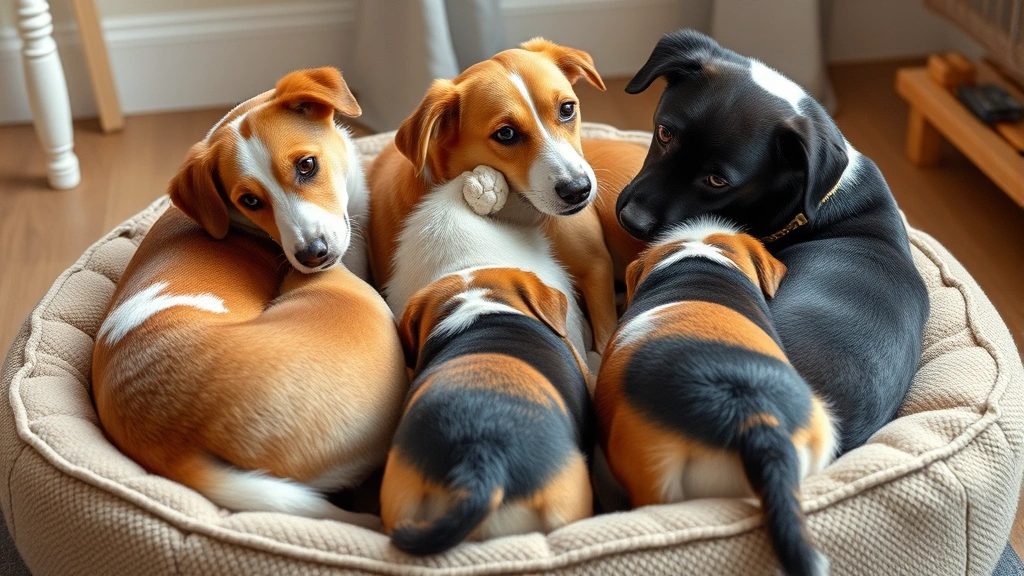
If you want to encourage healthy mutual grooming between your dogs, create an environment that supports bonding and relaxation. This means providing comfortable spaces where they can rest together, scheduled playtime, and positive reinforcement when they interact peacefully. Avoid separating dogs too much, as this can actually reduce their bonding opportunities.
However, always supervise interactions, especially between dogs of different sizes or with different temperaments. Some dogs are naturally more tolerant of grooming than others, and forcing interaction can create tension. Let their grooming behaviors develop naturally while maintaining a safe, supportive environment.
Understanding Your Dogs’ Communication
Ultimately, mutual grooming is one of the many ways dogs communicate with each other. By understanding why do dogs groom each other, you gain insight into their emotional world, social structures, and needs. It’s a window into their pack mentality and their deep-rooted need for connection and belonging.
The next time you see your dogs engaged in a grooming session, take a moment to appreciate what you’re witnessing: thousands of years of evolutionary behavior, emotional bonding, and pack cooperation playing out in real-time. It’s one of the most beautiful aspects of dog ownership—getting to observe and nurture the complex social lives of our furry companions. For more insights into dog behavior and happiness, check out our guide on mountain cur dog characteristics and temperament.
Frequently Asked Questions
Is it normal for dogs to groom each other?
Absolutely! Mutual grooming is a completely normal and healthy behavior in dogs. It indicates bonding, trust, and social cooperation. Most multi-dog households will see some level of grooming behavior, though the frequency varies based on individual personality and breed tendencies.
Why does my dog lick my other dog’s ears?
Ear licking is one of the most common grooming behaviors and serves multiple purposes: removing parasites or debris, expressing affection, reinforcing social bonds, and sometimes addressing an ear infection or irritation. If the behavior becomes obsessive or causes redness, consult your vet.
Can grooming behavior indicate dominance?
Yes, grooming can be part of dominance communication. A dominant dog might groom a subordinate dog as a way of reinforcing their position and expressing protective care. However, grooming is more often a sign of affection and bonding than pure dominance.
What should I do if my dogs groom too much?
Monitor the behavior closely. Light, occasional grooming is healthy. However, if grooming causes hair loss, skin damage, or seems obsessive, it could indicate stress, allergies, or parasites. Consult your veterinarian to rule out medical issues, and consider speaking with a dog behaviorist if the behavior is stress-related.
Do all dogs groom each other?
Not all dogs engage in mutual grooming with the same frequency. Some dogs are naturally more affectionate and social, while others prefer independence. Breed, personality, age, and individual temperament all influence grooming behavior.
Summary: The Deeper Meaning Behind Dog Grooming
When you ask yourself why do dogs groom each other, the answer is beautifully complex. It’s not just about cleanliness—it’s about love, trust, hierarchy, health, and the fundamental need for social connection that’s hardwired into every dog’s DNA. From releasing bonding hormones to maintaining pack identity, mutual grooming serves multiple crucial functions in your dogs’ emotional and social lives.
By recognizing and appreciating this behavior, you’re gaining a deeper understanding of your dogs’ inner world. You’re witnessing thousands of years of evolutionary behavior and the genuine affection between your furry family members. So the next time your dogs are grooming each other, sit back, relax, and enjoy the moment—you’re watching canine love in action.





