
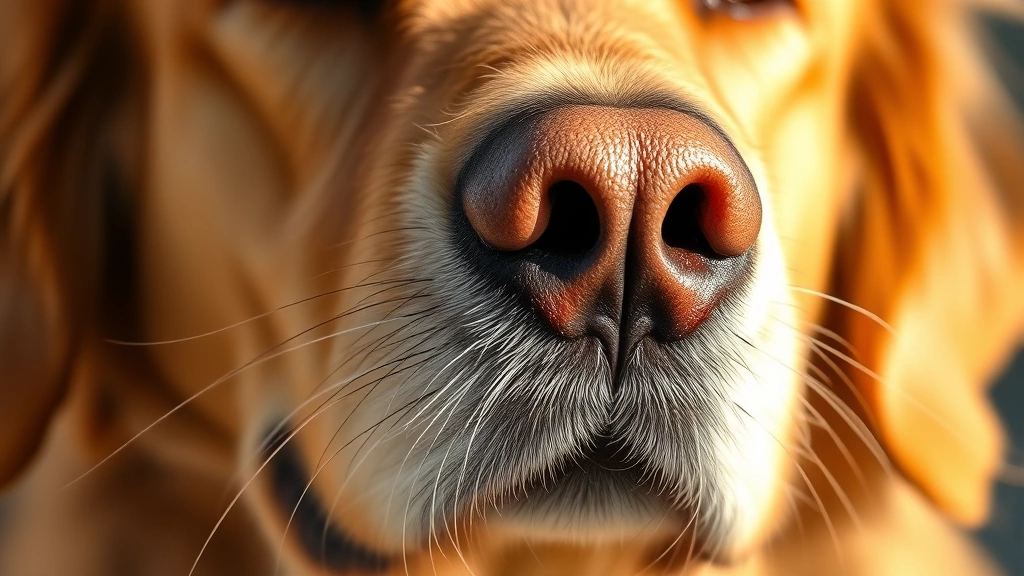
Ever wondered why do dogs have whiskers? Those adorable little hairs aren’t just there to make your pup look like a tiny wizard – they’re actually sophisticated sensory organs that help your furry friend navigate the world. Let’s dig into the fascinating science behind your dog’s whiskers and discover why these mysterious facial features are way more important than you probably thought.
Table of Contents
- What Are Dog Whiskers, Really?
- The Sensory Superpowers of Canine Whiskers
- Navigation and Obstacle Detection
- Emotional Expression and Social Communication
- Temperature and Air Current Detection
- Why Certain Breeds Have More Prominent Whiskers
- The Danger of Trimming or Plucking Whiskers
- Whiskers Across Different Dog Breeds
- How Whiskers Help Puppies Develop
- Frequently Asked Questions
- Summary: Understanding Your Dog’s Whisker Wisdom
What Are Dog Whiskers, Really?
Dog whiskers, scientifically called vibrissae, are specialized sensory hairs that are fundamentally different from regular fur. Unlike the hair covering your dog’s body, whiskers are deeply rooted in nerve-packed follicles that connect directly to your pup’s sensory cortex. This means every single whisker is essentially a tiny antenna sending constant feedback to your dog’s brain about their immediate environment. Pretty cool, right?
These specialized hairs are typically thicker, longer, and more rigid than regular fur. You’ll find them most prominently on your dog’s muzzle, above their eyes, and on their chin. Some dog breeds, like Maremma Sheepdog Dogs, have particularly prominent whiskers that give them their distinctive appearance.
The Sensory Superpowers of Canine Whiskers
Here’s where things get genuinely mind-blowing: dog whiskers are motion detectors. When something moves near your dog’s face, the whiskers pick up the tiniest vibrations in the air and relay that information to your pup’s brain in milliseconds. This is why dogs can navigate dark rooms, dodge obstacles, and catch moving objects with seemingly supernatural accuracy. According to the American Kennel Club, whiskers are crucial for spatial awareness and help dogs understand their three-dimensional surroundings.
The sensory capability of whiskers is so advanced that dogs can literally feel the shape and texture of objects without touching them directly. This is especially useful when your dog is investigating food bowls, toys, or even determining whether they can squeeze through a tight space. The whisker follicles contain specialized nerve endings that make them approximately 200 times more sensitive than regular hair follicles.
Navigation and Obstacle Detection
Your dog’s whiskers function like a built-in GPS system for their immediate surroundings. When your pup moves through tight spaces – like squeezing between furniture or navigating through tall grass – their whiskers are constantly measuring the width of available space. This is why dogs rarely bump into things, even in low-light conditions where their vision might be compromised.
Think of whiskers as your dog’s personal bumper car system. Before your dog’s body enters a space, the whiskers have already determined whether it’s safe to proceed. This is particularly important for medium outside dog breeds that spend lots of time exploring natural environments filled with potential obstacles.
Emotional Expression and Social Communication
Beyond practical sensory functions, whiskers also play a significant role in how dogs communicate with each other and with humans. When your dog is relaxed and happy, their whiskers typically sit in a natural, forward-facing position. But when your pup is stressed, anxious, or preparing for confrontation, you’ll notice their whiskers pull back slightly against their face.
Dog behaviorists recognize whisker position as a crucial indicator of emotional state. A dog with forward-pointing whiskers is generally confident and content, while a dog with pulled-back whiskers might be feeling fearful or defensive. This is why observing your dog’s entire face – including whisker position – is essential for understanding their emotional needs.
Temperature and Air Current Detection
Whiskers aren’t just about spatial awareness; they’re also incredibly sensitive to temperature changes and air currents. Your dog’s whiskers can detect subtle shifts in air pressure and temperature, which helps them understand their environment on a level we humans can barely comprehend. This sensory ability is thought to help dogs hunt, track prey, and even predict weather changes.
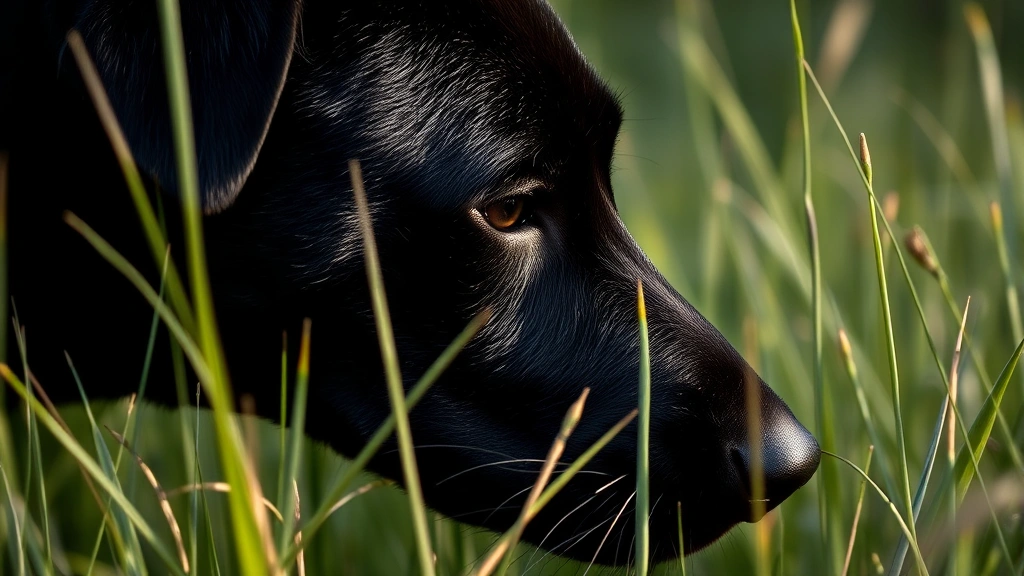
According to PetMD’s veterinary experts, the sensitivity of whiskers to air movement is so refined that dogs can use them to detect the presence of other animals or people even when visibility is poor. This ancient sensory capability is inherited from their wolf ancestors and remains incredibly useful in modern canine life.
Why Certain Breeds Have More Prominent Whiskers
If you’ve ever noticed that some dog breeds seem to have more dramatic whiskers than others, you’re not imagining things. Breeds like Mini Bernese Mountain Dogs and other working breeds often have more prominent whisker development. This is because selective breeding has emphasized certain traits that make these dogs better at their original jobs.
Dogs bred for hunting, water retrieval, or working in challenging terrain often have more developed whisker systems because these sensory organs were genuinely useful for their historical purposes. Merle dog coat patterns might make whiskers more or less visible, but all dogs – regardless of breed or coat color – have functional whisker systems.
The Danger of Trimming or Plucking Whiskers
Here’s something that absolutely needs to be said: never trim or pluck your dog’s whiskers. Some well-meaning pet owners think whiskers are just aesthetic features that can be groomed away, but this is a serious mistake. Removing whiskers is genuinely disorienting and stressful for dogs because it eliminates a crucial sensory input system.
When whiskers are removed, dogs experience temporary disorientation, clumsiness, and anxiety. They might bump into things, seem hesitant to move through spaces they normally navigate easily, and display signs of stress. It takes weeks for whiskers to regrow, and during that time, your dog’s sensory capabilities are significantly compromised. Always leave those whiskers alone – your pup needs them!
Whiskers Across Different Dog Breeds
While all dogs have whiskers, the prominence and distribution varies considerably across breeds. Some breeds have whiskers that are barely visible, while others – particularly terriers and working breeds – have distinctly visible whisker sets. The length and thickness of whiskers often correlate with the breed’s original purpose and the environments they were designed to work in.
Understanding your specific breed’s whisker characteristics can help you better appreciate your individual dog’s sensory capabilities. A dog with particularly prominent whiskers might have enhanced spatial awareness compared to breeds with less visible whiskers, though all dogs benefit from this sensory system.
How Whiskers Help Puppies Develop
Puppies are born with whiskers already in place, and these early sensory organs are crucial for their development. Young puppies rely heavily on whisker feedback to navigate their environment, find their mother during nursing, and learn about the world around them. As puppies grow and their vision develops, whiskers continue to play an important supporting role in their sensory perception.
The presence of functional whiskers during critical developmental periods helps puppies build confidence in their movement and spatial awareness. This is why it’s especially important never to interfere with a puppy’s whiskers – they’re actively using these sensory organs to learn and grow.

Frequently Asked Questions
Do all dogs have whiskers?
Yes, absolutely! Every dog breed has whiskers, though they might be more or less visible depending on coat color, coat length, and breed characteristics. Even hairless dog breeds have whisker follicles, though they might not be as prominent as in other breeds.
Why do dogs’ whiskers fall out?
Dog whiskers naturally shed and regrow throughout your pup’s life, just like regular hair. This is a completely normal process. However, if you notice excessive whisker loss or bald patches where whiskers should be, consult your veterinarian as this could indicate an underlying health issue.
Can whiskers grow back if they’re cut?
Yes, whiskers will regrow if they’re accidentally trimmed or plucked, but it takes several weeks. During the regrowth period, your dog’s sensory capabilities will be compromised, which is why it’s best to avoid cutting whiskers altogether.
Are whiskers sensitive to touch?
Extremely! Whiskers are far more sensitive than regular fur. Even light touching of whiskers can be uncomfortable for dogs, which is why many dogs don’t enjoy having their face and whisker area handled roughly.
Do whiskers help dogs see better?
Whiskers don’t improve vision directly, but they work in conjunction with your dog’s visual system to create a more complete understanding of their environment. They provide sensory information that complements what your dog sees with their eyes.
Summary: Understanding Your Dog’s Whisker Wisdom
So, why do dogs have whiskers? The answer is far more complex and fascinating than most dog owners realize. These specialized sensory hairs are sophisticated biological tools that help your dog navigate their world, communicate emotions, detect subtle environmental changes, and maintain spatial awareness. From detecting air currents to expressing emotional states, whiskers are genuinely essential to your dog’s quality of life.
Every time you look at your dog’s adorable whiskered face, remember that you’re looking at millions of years of evolutionary refinement. Those whiskers represent your dog’s connection to their wolf ancestors and their continued need for sophisticated sensory perception in the modern world. Respect those whiskers, keep them intact, and appreciate the incredible sensory superpowers your furry friend possesses. Your dog’s whiskers are a reminder that there’s so much more happening beneath the surface of our beloved pets than meets the eye.





