

Why Do Dogs Howl at Night? Understanding the Behavior
There’s something almost haunting about the sound of a dog howling in the dead of night—a primal vocalization that echoes through quiet neighborhoods and stirs our curiosity. If you’ve ever wondered why your furry friend suddenly decides to serenade the moon at 2 AM, you’re not alone. Countless dog owners have experienced this mysterious behavior and found themselves searching for answers.
The truth is, nighttime howling in dogs isn’t random or sinister; it’s a complex form of communication rooted in their ancestral past and shaped by their current environment. Understanding the reasons behind this behavior can help you address it more effectively and deepen your connection with your canine companion. Whether your dog is responding to external stimuli, expressing emotional needs, or dealing with an underlying health issue, there’s usually a logical explanation for the midnight concerts.
In this comprehensive guide, we’ll explore the fascinating world of dog howling, uncover the science behind it, and provide practical solutions to help manage excessive nighttime vocalizations. Let’s dive into what makes your dog tick—or howl, as it were.
The Ancestral Connection: Why Dogs Howl
To understand why your dog howls at night, we need to look back at their evolutionary heritage. Dogs are descendants of wolves, and howling is one of the most fundamental forms of communication in canine ancestry. In wolf packs, howling served multiple critical functions: locating pack members, warning of danger, and establishing territorial boundaries.
Even though your beloved pet has been domesticated for thousands of years, these ancient instincts remain deeply embedded in their DNA. When your dog howls, they’re tapping into behaviors that have been hardwired into their species for millennia. This is why certain sounds and situations trigger the response more readily than others.
The nighttime aspect is particularly interesting because darkness and quiet environments can amplify your dog’s natural inclination to vocalize. During the day, there’s typically more ambient noise and activity that might suppress or mask these instincts. But when night falls and the world becomes quieter, your dog’s primitive communication systems kick into higher gear.
Interestingly, not all dogs howl equally. Certain breeds are more prone to howling than others. Huskies, Malamutes, Beagles, and other breeds with strong hunting or pack-hunting heritage tend to howl more frequently. However, any dog can develop a howling habit, regardless of breed.
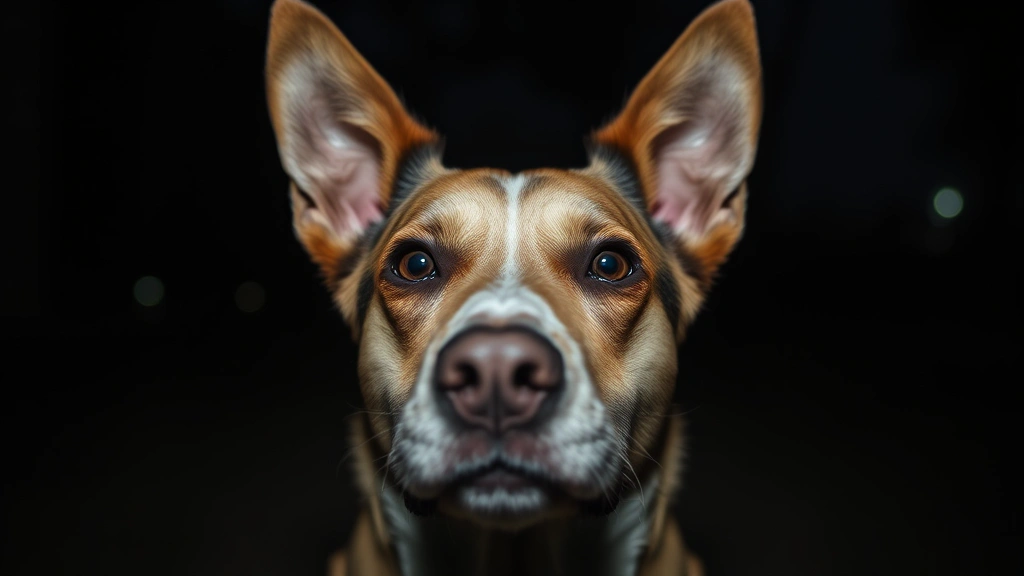
Common Triggers for Nighttime Howling
Understanding what specifically triggers your dog’s nighttime howling is the first step toward addressing the behavior. Let’s explore the most common culprits:
External Sounds and Stimuli
One of the most frequent reasons dogs howl at night involves response to external sounds. Sirens from emergency vehicles, neighbor dogs barking, or distant train whistles can all provoke howling. Your dog’s sensitive hearing picks up sounds that are completely inaudible to human ears, and howling is their way of responding to these auditory stimuli. This is similar to the phenomenon explored in our article about why dogs howl at sirens, which covers this topic in greater detail.
The nighttime environment tends to carry sound differently than during the day. Temperature inversions and reduced ambient noise mean that distant sounds travel farther and more clearly at night. Your dog may be reacting to sounds from several blocks away that they rarely hear during daylight hours.
Loneliness and Separation Anxiety
If your dog spends nights alone or separated from their pack (your family), howling can be a way of expressing distress and attempting to reunite with their group. Dogs are pack animals by nature, and being isolated goes against their fundamental social needs. Nighttime separation can feel particularly acute because there’s less activity and stimulation to keep them occupied.
Dogs experiencing separation anxiety may develop a pattern of howling specifically when left alone at night. This vocalization serves as both a call for help and a self-soothing mechanism. If you suspect your dog suffers from separation anxiety, there are strategies and interventions that can help.
Attention-Seeking Behavior
Sometimes, the simplest explanation is the correct one: your dog has learned that howling at night gets your attention. If you’ve responded to nighttime howling by getting up, comforting your dog, or even scolding them, you may have inadvertently reinforced the behavior. Dogs are intelligent creatures who quickly learn cause-and-effect relationships.
This attention-seeking behavior becomes particularly problematic when it creates a cycle: your dog howls, you respond, and the behavior is reinforced. Breaking this pattern requires consistency and patience, but it’s absolutely possible.

Medical Reasons Behind the Behavior
Not all nighttime howling is behavioral. Sometimes, underlying health issues can trigger excessive vocalization. It’s crucial to rule out medical causes before assuming the behavior is purely psychological.
Pain and Discomfort
Dogs in pain often vocalize more than usual, and nighttime can exacerbate this. When your dog is lying down for extended periods, they may become more aware of chronic pain or discomfort. Arthritis, hip dysplasia, dental problems, or other painful conditions might cause your dog to howl, especially during the quiet hours when there’s less distraction.
If your dog has recently started howling at night and this represents a change in their normal behavior pattern, a veterinary examination is warranted. Your veterinarian can assess your dog’s physical condition and rule out pain-related causes.
Cognitive Dysfunction Syndrome
Older dogs sometimes develop cognitive dysfunction syndrome (CDS), similar to dementia in humans. This condition can cause confusion, disorientation, and changes in vocalization patterns. Dogs with CDS may howl at night due to confusion about their surroundings or temporal disorientation.
According to the American Kennel Club, cognitive dysfunction is more common in senior dogs and can be managed with proper veterinary care and environmental modifications. If your aging dog has suddenly started howling more frequently at night, this could be a factor worth discussing with your vet.
Hearing Loss or Sensory Changes
As dogs age, their hearing can deteriorate, but paradoxically, this sometimes leads to increased vocalization. Dogs with hearing loss may howl more loudly or frequently because they cannot hear themselves properly. Additionally, changes in sensory perception can make nighttime feel more confusing or anxiety-inducing.
Hormonal Changes and Reproductive Status
Female dogs in heat may vocalize more frequently, including howling. Male dogs detecting a female in heat nearby might also increase their howling behavior. While this is most relevant for intact dogs, it’s worth considering if you have an unspayed or unneutered pet.
Environmental and Social Factors
Your dog’s environment plays a significant role in determining whether they howl at night. Let’s explore the environmental and social factors that influence this behavior:
Sleep Quality and Rest
Dogs that aren’t getting adequate quality sleep during the day may be more prone to nighttime vocalization. Understanding how much dogs sleep and the quality of that sleep is essential. Our article on why dogs sleep so much provides insights into canine sleep patterns and what constitutes healthy rest for your pet.
If your dog isn’t getting enough quality daytime rest, they might be overtired or restless at night, leading to increased howling. Ensuring your dog has a comfortable sleeping area and adequate exercise during the day can improve nighttime behavior.
Nighttime Routine and Consistency
Dogs thrive on routine and predictability. If your nighttime routine is inconsistent—sometimes you let your dog sleep with you, sometimes they’re crated, sometimes they’re in another room—your dog may experience confusion and anxiety that manifests as howling.
Establishing a consistent bedtime routine helps your dog feel secure and reduces anxiety-related vocalization. This might include a designated sleeping area, a pre-sleep potty break, and a calming ritual like gentle petting or soft music.
Related Vocalizations and Patterns
Howling doesn’t exist in isolation. Your dog’s overall vocalization patterns matter. If your dog is barking at nothing during the day or barking in their sleep, these behaviors might be related to the nighttime howling. Understanding your dog’s complete vocalization profile helps identify underlying causes.
Additionally, if your dog is whining all the time, the nighttime howling might be part of a broader anxiety or communication issue that needs addressing.
Physical Sleep Disturbances
Some dogs experience sleep disturbances similar to humans. Dogs that snore might also experience disrupted sleep cycles, which could contribute to nighttime vocalization. Sleep apnea and other respiratory issues can cause restlessness and increased vocalizations during sleep.
How to Manage Excessive Howling
Once you’ve identified the cause of your dog’s nighttime howling, you can implement targeted strategies to manage the behavior:
Environmental Modifications
Start by modifying your dog’s sleeping environment. Create a comfortable, secure space where your dog feels safe and protected. This might include:
- A crate or den-like sleeping area that feels secure
- Blackout curtains or shades to minimize light changes
- White noise machines to mask external sounds
- Comfortable bedding that supports your dog’s body
- A consistent temperature that promotes sleep
Exercise and Mental Stimulation
A tired dog is typically a quieter dog. Ensure your dog gets adequate physical exercise during the day—at least 30 minutes to 2 hours, depending on breed and age. Mental stimulation is equally important. Puzzle toys, training sessions, and interactive games can help tire your dog’s mind, leading to better sleep at night.
Behavioral Training Techniques
If your dog has learned that howling gets attention, you’ll need to break this cycle through consistent training. Ignore the howling completely and only provide attention when your dog is quiet. This requires patience because the behavior might worsen temporarily before improving—a phenomenon called an extinction burst.
Reward your dog for quiet behavior with treats and praise. Use positive reinforcement to build new, desirable habits. Consider working with a professional dog trainer or behaviorist for personalized guidance.
Anxiety Management
For dogs experiencing anxiety-related howling, several approaches can help:
- Calming supplements: Consult your veterinarian about supplements like L-theanine or CBD products designed for dogs
- Anxiety wraps: Pressure wraps designed for dogs can provide comfort similar to swaddling
- Calming music: Specific music compositions designed for dogs can reduce anxiety
- Pheromone diffusers: Products that mimic natural calming pheromones can help anxious dogs feel more secure
Medical Management
If your veterinarian has identified a medical cause for the howling, follow their treatment recommendations. Pain management, cognitive dysfunction medications, or other medical interventions might be necessary. According to the ASPCA, proper medical care is essential for addressing health-related behavioral changes.
When to Seek Professional Help
While many cases of nighttime howling can be managed at home, some situations warrant professional intervention:
Consulting Your Veterinarian
Schedule a veterinary appointment if your dog’s howling represents a recent change in behavior, is accompanied by other symptoms, or doesn’t improve with behavioral modifications. Your vet can rule out medical causes and provide recommendations for management.
According to the American Veterinary Medical Association, any significant change in vocalization patterns should be evaluated by a professional veterinarian to ensure nothing serious is being overlooked.
Working with a Professional Dog Trainer or Behaviorist
A certified professional dog trainer or animal behaviorist can assess your dog’s specific situation and develop a customized management plan. They can teach you techniques to modify the behavior and help identify triggers you might have missed.
Look for trainers certified by organizations like the Certification Council for Professional Dog Trainers, which ensures they’ve met rigorous standards for knowledge and ethical practice.
Recognizing Serious Underlying Issues
If your dog’s howling is accompanied by other behavioral changes, aggression, or signs of distress, professional help is essential. Conditions like severe anxiety, cognitive dysfunction, or medical emergencies require expert intervention.
Frequently Asked Questions
Is it normal for dogs to howl at night?
Yes, some nighttime howling is completely normal dog behavior. However, excessive or sudden changes in howling patterns warrant investigation. The frequency and context of the howling matter more than the behavior itself.
Can I stop my dog from howling at night?
In most cases, yes. Once you identify the underlying cause—whether it’s attention-seeking, anxiety, external stimuli, or medical issues—you can implement targeted strategies to reduce or eliminate the behavior. Consistency and patience are key to success.
Is howling a sign of loneliness in dogs?
Howling can indicate loneliness, especially if your dog is separated from their pack or spending extended periods alone. However, it’s not the only possible cause. Howling serves multiple communicative functions, so context matters.
Do certain dog breeds howl more than others?
Yes, absolutely. Breeds with strong pack-hunting heritage like Huskies, Malamutes, and Beagles tend to howl more frequently. However, any dog can develop a howling habit, and individual personality plays a significant role.
Should I punish my dog for howling at night?
No, punishment is generally ineffective and can worsen anxiety-related howling. Instead, focus on identifying the cause and addressing it through environmental modifications, training, and positive reinforcement. Punishment can damage your relationship with your dog and increase stress-related behaviors.
What’s the difference between howling and other vocalizations?
Howling is a prolonged, melodious vocalization that’s distinct from barking (sharp, repeated sounds) or whining (higher-pitched, distressed sounds). Each vocalization serves different communicative purposes and can indicate different underlying causes.
Can medical issues cause sudden howling?
Yes, conditions like pain, cognitive dysfunction, hearing loss, and other health issues can trigger sudden changes in howling behavior. If your dog’s howling is new or has significantly increased, a veterinary evaluation is recommended.





