
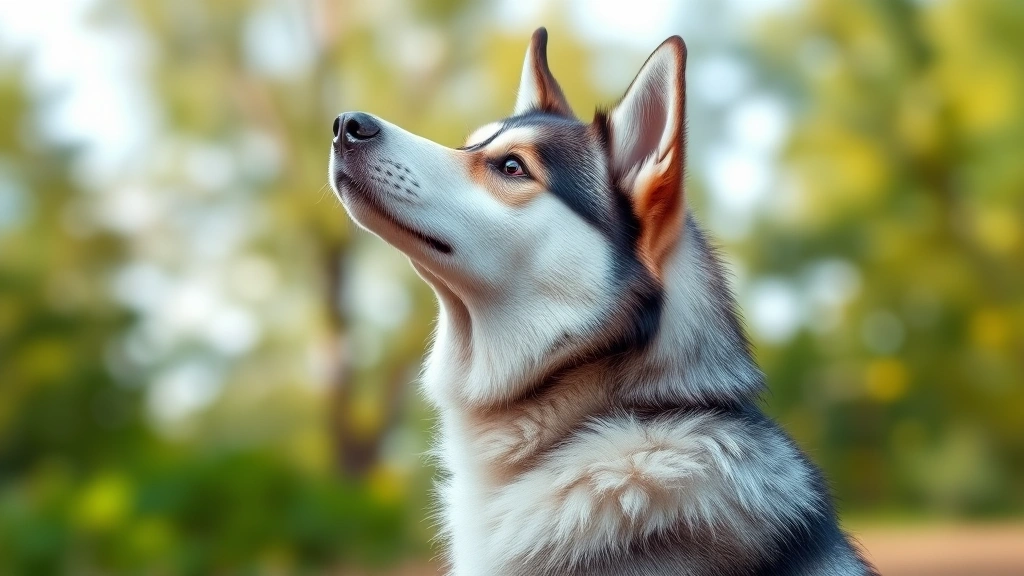
Why do dogs howl when you howl? It’s one of those delightfully weird dog behaviors that makes you wonder if your pup is trying to join your garage band or communicate something deeper. The truth is way more fascinating than you’d think, and it involves pack mentality, ancient wolf instincts, and a dash of emotional bonding that’ll make you see your dog’s midnight serenades in a whole new light.
Table of Contents
- The Pack Mentality Behind Dog Howling
- Vocalization as Social Bonding
- Breed-Specific Howling Behaviors
- The Emotional Connection Factor
- Attention-Seeking and Learned Behavior
- Territorial Communication and Alertness
- What Science Says About Dog Howling
- When Howling Becomes a Problem
- How to Encourage or Discourage Howling
- The Evolutionary Perspective
- Frequently Asked Questions
- Conclusion: Understanding Your Dog’s Howl
The Pack Mentality Behind Dog Howling
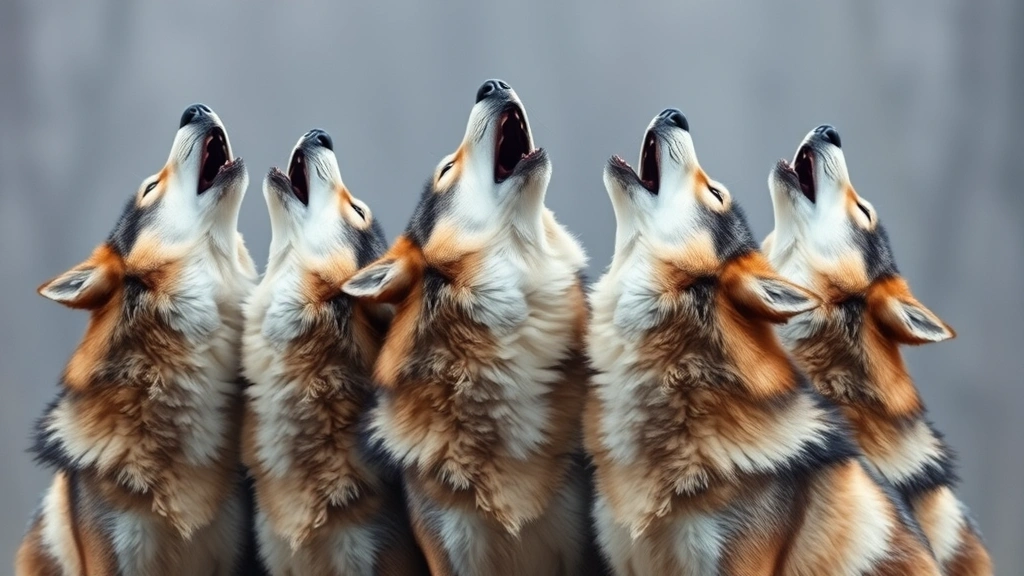
Dogs are descendants of wolves, and that wolf DNA runs deep. In the wild, howling served as long-distance communication for pack members. When one wolf howled, others would join in—it was like the ultimate group chat before smartphones existed. Your dog recognizes you as part of their pack, and when you howl, they’re responding to what their instincts tell them is a pack member trying to communicate. This isn’t just random noise; it’s a primal response that’s been hardwired into dogs for thousands of years.
The pack mentality explanation is supported by behavioral studies showing that dogs are more likely to howl in response to high-pitched sounds that mimic wolf vocalizations. Your howl triggers something ancient and instinctive in your dog’s brain.

Vocalization as Social Bonding
When your dog howls back at you, they’re essentially saying, “Hey, I hear you, and I’m part of this pack too!” It’s a form of social bonding that strengthens your relationship. Dogs use howling to reinforce pack cohesion, and by joining in, they’re acknowledging you as a valued member of their family unit. This is why certain dog breeds that were bred for pack hunting—like Huskies, Malamutes, and Beagles—tend to be more vocal and enthusiastic howlers.
It’s actually a compliment when your dog howls with you. They’re not mocking you (even if it sounds hilarious); they’re including you in their social communication system.

Breed-Specific Howling Behaviors
Not all dogs howl equally. Some breeds are notorious howlers, while others barely make a peep. Huskies and Malamutes are famous for their dramatic, wolf-like howls. Beagles, originally bred as pack hunting dogs, also tend to be vocal communicators. Meanwhile, breeds like Bulldogs or Basset Hounds are less likely to howl, regardless of how enthusiastically you perform your rendition of “Let It Go.”
The breeding history of your dog plays a massive role in their howling tendencies. Dogs bred for hunting, sledding, or herding were selected for vocal communication, so their descendants are more likely to respond to your howling attempts. It’s genetics meeting behavior in the most entertaining way possible.

The Emotional Connection Factor
Beyond instinct and breed predisposition, there’s an emotional component to why your dog howls with you. Dogs are incredibly attuned to their humans’ emotions and behaviors. When you howl, your dog picks up on the playfulness, excitement, or even distress in your voice. They respond not just because of pack instincts but because they want to engage with you emotionally.
This emotional connection is why dogs are so effective as therapy animals and emotional support companions. They’re reading your cues constantly and responding accordingly. Your howl might seem silly to you, but to your dog, it’s a meaningful form of interaction that deepens your bond.

Attention-Seeking and Learned Behavior
Let’s be honest: sometimes your dog howls back because they’ve learned it gets a reaction from you. Dogs are smart enough to figure out that howling = attention, and attention = good things. If you’ve laughed, cheered, or given your dog extra pets after they howled with you, congratulations—you’ve accidentally trained them to howl on cue.
This learned behavior can actually be useful. Many dog owners use this tendency to teach their dogs to “speak” or “sing,” turning the natural howling response into a fun trick. It’s a win-win: your dog gets attention and engagement, and you get adorable content for social media. Check out our article on dog vocalizations for more insights into unusual dog sounds.

Territorial Communication and Alertness
Howling also serves a territorial function. When your dog hears you howl, they might interpret it as a signal to alert others (real or imagined) that your territory is occupied. It’s their way of saying, “Yeah, we’re here, and we’re aware of our surroundings.” This is especially true if your dog starts howling when sirens pass by or when they hear other dogs in the distance.
This territorial aspect of howling is why some dogs seem more responsive to certain sounds. High-pitched noises, sirens, and other dogs howling can all trigger this alert response, making your dog join in the chorus.

What Science Says About Dog Howling
Research from the American Kennel Club (AKC) indicates that howling is a completely normal canine behavior rooted in their evolutionary history. According to the AKC, howling is distinct from barking and serves different communicative purposes. Studies have shown that dogs are more likely to howl in response to sounds similar to wolf vocalizations, which supports the theory that ancient instincts are at play.
Additionally, research published in veterinary behavioral journals suggests that the frequency and intensity of a dog’s howling response can indicate their emotional state and level of engagement with their owner. A dog that eagerly howls with you is likely feeling happy, engaged, and socially connected.

When Howling Becomes a Problem
While occasional howling is adorable and normal, excessive howling can indicate underlying issues like separation anxiety, boredom, or medical problems. If your dog is howling constantly or seems distressed, it’s worth consulting with a veterinarian or certified animal behaviorist. According to PetMD, excessive vocalization can sometimes signal pain, cognitive dysfunction, or anxiety disorders that need professional attention.
The key is understanding the difference between playful, social howling and problematic excessive vocalization. If your dog only howls when you howl or during specific situations, that’s normal. If they’re howling at 3 AM or constantly throughout the day, that’s a different story.

How to Encourage or Discourage Howling
If you love your dog’s howling and want to encourage it, you can do so through positive reinforcement. Howl, wait for your dog to respond, then immediately reward them with treats and praise. This creates a positive association with the behavior. Some owners even teach their dogs to howl on command, turning it into an entertaining party trick.
Conversely, if you want to discourage excessive howling, avoid rewarding the behavior with attention. Don’t laugh, don’t engage, and don’t make it interactive. Instead, redirect your dog to other activities or behaviors you do want to encourage. Consistency is crucial—if you sometimes reward the howling and sometimes don’t, your dog will get confused.
For more information about dog behavior and training, check out our guide to understanding different dog breeds, which includes insights into their natural behaviors and temperaments.
The Evolutionary Perspective
From an evolutionary standpoint, howling is a survival mechanism that’s been refined over thousands of years of domestication. Wolves howl to coordinate hunts, warn of danger, and maintain pack cohesion. When dogs were domesticated, they retained this behavior but modified it to fit their new social structure with humans. Your dog sees you as part of their pack, so they respond to your howling just as they would to another dog.

This evolutionary perspective helps explain why some dogs are more responsive than others. Dogs that come from lines selected for pack hunting or working in groups are more likely to have strong howling responses. It’s not a quirk; it’s a feature that’s been preserved through selective breeding.
Frequently Asked Questions
Why does my dog howl when I sing?
Your dog howls when you sing because high-pitched sounds trigger their natural vocalization instincts. Singing, especially in a higher register, mimics the sounds that wolves and dogs use for pack communication. Your dog is responding to what sounds like a pack member trying to communicate, so they join in. It’s their way of participating in what they perceive as important social communication.
Is it bad if my dog howls a lot?
Occasional howling is completely normal and healthy. However, excessive howling—especially if it’s accompanied by signs of distress, anxiety, or occurs at inappropriate times—could indicate an underlying problem. Separation anxiety, boredom, pain, or cognitive issues can all cause excessive howling. If you’re concerned, consult your veterinarian to rule out medical or behavioral issues.
Can all dogs howl?
Most dogs can howl, but some breeds are much more vocal than others. Huskies, Malamutes, Beagles, and other pack-hunting breeds are notorious howlers. Smaller breeds and those bred for different purposes (like Bulldogs or lap dogs) may rarely or never howl. However, even quiet breeds can learn to howl if encouraged through positive reinforcement.
Does howling mean my dog is sad or sick?
Not necessarily. Howling is a normal form of communication for dogs and doesn’t automatically indicate sadness or illness. However, if your dog’s howling is accompanied by other signs of distress—lethargy, loss of appetite, limping, or behavioral changes—then it’s worth investigating. Context matters: playful howling with you is different from distressed howling when you leave.
How can I get my dog to howl?
If you want to encourage your dog to howl, try howling yourself and immediately rewarding them when they join in. Use high-pitched sounds, play recordings of wolves or other dogs howling, or try singing. Some dogs respond better to certain sounds than others. Consistency and positive reinforcement are key. Not all dogs will howl on command, and that’s okay—it depends on their breed and personality.
Conclusion: Understanding Your Dog’s Howl
Why do dogs howl when you howl? The answer combines ancient wolf instincts, pack mentality, emotional bonding, breed-specific behaviors, and learned associations. Your dog isn’t just making noise; they’re engaging in a form of communication that’s been hardwired into their DNA for millennia. When your pup joins your howling session, they’re acknowledging you as part of their pack and strengthening your social bond.
Whether your dog is a enthusiastic howler or prefers to stay silent, their response (or lack thereof) is perfectly normal. Every dog has their own personality and communication style. The important thing is understanding that howling is a natural, healthy behavior that reflects your dog’s instincts and their connection to you. So go ahead and howl with your dog—you’re participating in a tradition that goes back thousands of years, one silly serenade at a time.





