

Why Do Dogs Kick After Pooping? Explained
If you’ve ever watched your furry friend finish their bathroom business and then proceed to perform what looks like an enthusiastic karate demonstration on the grass, you’re not alone in your confusion. That post-poop kicking behavior is one of the most amusing yet perplexing canine habits that dog owners witness on a daily basis. Your dog isn’t trying to cover their tracks like a cat in a litter box—there’s actually some fascinating science behind those vigorous leg kicks.
The truth is, this behavior serves multiple important purposes for your pooch, and understanding why your dog kicks after they poop can give you valuable insights into their health, communication methods, and natural instincts. Whether your pup performs a subtle scrape or an all-out performance worthy of a Broadway stage, there are legitimate reasons behind every movement.
In this comprehensive guide, we’ll explore the science, the instincts, and the communication methods that drive this quirky behavior. You’ll discover why your dog does this, when it might indicate a health concern, and what it all means for your relationship with your canine companion.
Scent Marking and Territory Claims
The primary reason your dog kicks after pooping is to mark their territory. Dogs have scent glands in their paws—specifically between their toe pads—that release pheromones when they scratch or kick at the ground. This is their way of leaving a personalized calling card for other dogs in the neighborhood.
When your dog vigorously scratks the ground after defecating, they’re essentially saying, “This is MY spot, and I was here.” It’s a multi-sensory message that combines their waste with paw scent markers, creating an unmistakable signature that other dogs can detect long after your pup has moved on. Think of it as posting a social media update for the canine community.
This behavior is particularly pronounced in male dogs and unneutered dogs, as testosterone plays a significant role in territorial marking. However, female dogs and neutered males also engage in this behavior, though sometimes less frequently. The intensity of the kicking often correlates with a dog’s confidence level and social status within their pack or neighborhood hierarchy.
The scent glands in their paws are so effective that the American Kennel Club confirms these pheromones can communicate information about a dog’s identity, health status, and even reproductive availability to other canines. It’s a sophisticated communication system that humans can barely perceive, but dogs find absolutely fascinating.
Anal Glands and Comfort
Beyond territorial marking, post-poop kicking can also relate to your dog’s anal glands. These small glands, located on either side of the anus, naturally express during defecation and release a distinctive odor that’s unique to each dog. Sometimes, though, these glands don’t fully express, causing discomfort or itching.
When your dog kicks and scrapes at the ground after pooping, they might be attempting to stimulate these glands further or relieve any residual discomfort. If you notice your dog engaging in excessive kicking, prolonged scratching, or if they seem to be scooting afterward, this could indicate that their anal glands need attention. This is where understanding why dogs drag their butts becomes relevant—both behaviors can signal anal gland issues.
Anal gland problems are surprisingly common in dogs, particularly in smaller breeds. The ASPCA notes that anal gland issues can cause significant discomfort and may require veterinary intervention. If your dog’s post-poop behavior seems excessive or accompanied by signs of distress, a vet visit is warranted.
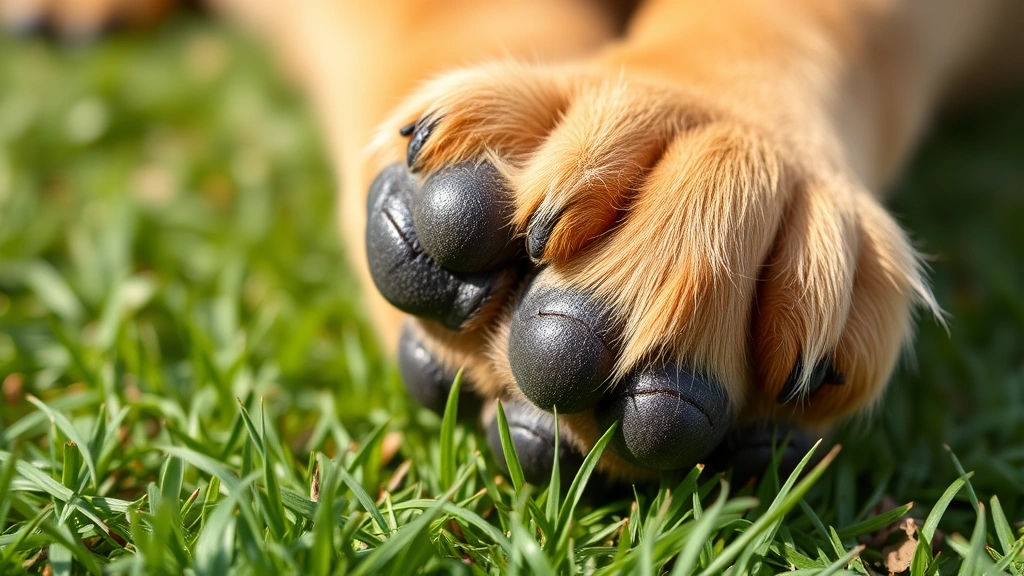
Instinctive Behavior from Ancestors
Your domesticated poodle or German Shepherd carries within them the genetic legacy of their wild ancestors. This post-poop kicking behavior is deeply rooted in ancestral instincts that helped wolves and wild dogs survive in their natural habitats.
In the wild, leaving feces in a location serves multiple purposes. Wolves and other canids would kick dirt and vegetation over their waste to hide it from predators, reducing the scent trail that could lead danger to their den. This instinctive concealment behavior provided crucial survival advantages. Additionally, the act of kicking and scratching helped create visual markers—disturbed earth and grass—that communicated territory boundaries to other packs.
Even though your dog doesn’t face predators in your suburban backyard, these millions of years of evolutionary programming don’t simply disappear. Your pup is following an ancient script written into their DNA. This explains why even well-fed, safe house dogs exhibit this behavior with such enthusiasm and consistency.
Understanding this ancestral connection helps us appreciate that our dogs aren’t being random or silly—they’re engaging in behaviors that made perfect sense for their species’ survival. It’s one of the many ways our pets remain connected to their wild heritage despite living comfortably in our homes.
Communication with Other Dogs
Dogs live in a complex social world that we humans often struggle to fully understand. Post-poop kicking serves as a crucial communication mechanism in this canine society. When your dog kicks after pooping, they’re broadcasting information to every other dog in the area.
The message includes details about identity, health status, diet, and reproductive status. Other dogs can determine if your pup is male or female, young or old, healthy or unwell, simply by investigating the kicked-up earth and the scent markers left behind. It’s remarkably sophisticated communication that happens entirely below our human sensory threshold.
This behavior becomes even more pronounced when dogs encounter territorial boundaries or when they’re asserting their presence in a new area. A confident dog might perform elaborate kicking displays, while a more submissive dog might do a subtle scrape. The variations in behavior communicate nuances about the dog’s social standing and confidence level.
If you’ve ever noticed that your dog spends extra time kicking in certain locations—perhaps near another dog’s favorite spot—you’re witnessing territorial negotiation in real-time. Dogs are essentially saying, “I know you come here too, and I want you to know I was here.” It’s their version of neighborly communication, though considerably more elaborate than a simple wave hello.
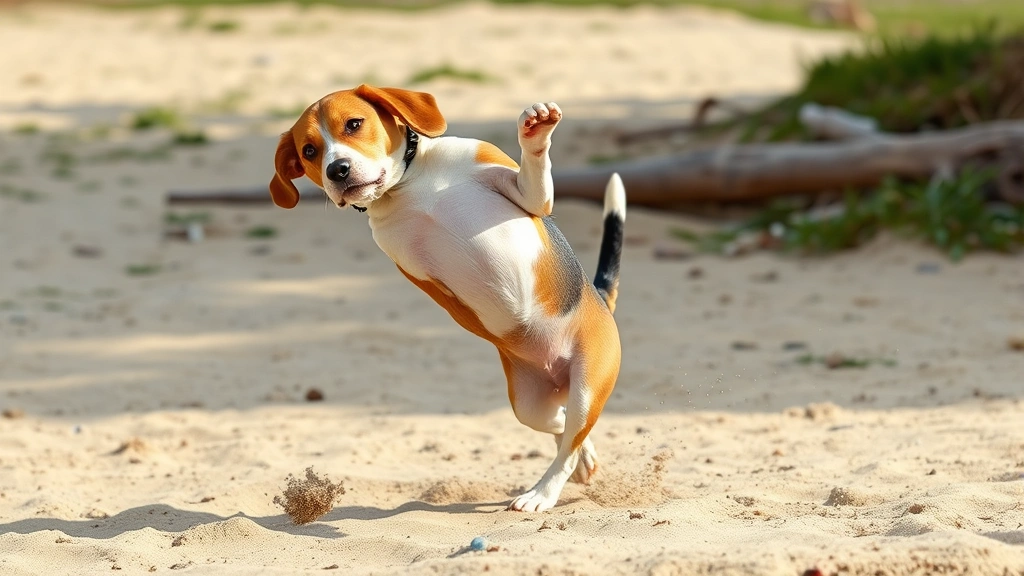
When Kicking Indicates Health Issues
While post-poop kicking is typically normal behavior, excessive or unusual kicking can sometimes indicate underlying health problems. It’s important to distinguish between typical territorial marking and behavior that suggests your dog needs veterinary attention.
Signs that warrant a vet visit include:
- Excessive kicking that lasts more than a minute or two
- Visible signs of pain or discomfort during or after the behavior
- Kicking accompanied by whining, yelping, or signs of distress
- Changes in the frequency or intensity of the behavior
- Kicking combined with scooting, licking, or biting at the rear end
- Signs of inflammation or discharge around the anal area
One common culprit behind excessive post-poop behavior is anal gland dysfunction. When these glands become impacted, infected, or inflamed, dogs often exhibit increased kicking and scratching as they attempt to relieve the discomfort. Diarrhea and digestive issues can also contribute to anal gland problems, creating a cascade of discomfort-related behaviors.
Another potential issue is parasites or skin infections in the anal area. Fleas, mites, or bacterial infections can cause significant itching, leading to excessive kicking and scratching. These conditions require prompt treatment to prevent further complications.
Additionally, if your dog is experiencing constipation or straining during bowel movements, they might kick excessively afterward as a response to the discomfort. Understanding normal pooping frequency helps you identify when something might be amiss with your dog’s digestive health.
Veterinary Partner emphasizes that any persistent changes in your dog’s bathroom-related behavior should be evaluated by a professional, as early intervention can prevent serious complications.
How to Respond to Post-Poop Kicking
Now that you understand why your dog kicks after pooping, you might be wondering how you should respond to this behavior. The good news is that in most cases, normal post-poop kicking requires no intervention from you—it’s a healthy, natural behavior that serves important purposes for your dog.
Here’s what you should do:
- Allow the behavior to continue: Unless your dog is kicking in a location that poses a problem (like onto a neighbor’s property or into a flower bed), let them complete their ritual. This is important for their psychological well-being and social communication.
- Monitor for abnormalities: Pay attention to whether the kicking seems normal or excessive. Keep track of any changes in frequency, duration, or intensity, as these could indicate health issues.
- Maintain regular vet check-ups: Routine veterinary visits help catch potential anal gland or digestive issues before they become problematic.
- Practice good hygiene: After your dog finishes their bathroom routine, wash your hands if you’ve been in contact with the area. Encourage guests to do the same.
- Be patient during walks: Remember that your dog might need a bit of extra time at their favorite spots to complete their territorial marking routine. This isn’t just about bathroom business—it’s important social behavior.
One thing to avoid is punishing your dog for kicking. This is a natural, instinctive behavior, and punishment could create anxiety or behavioral issues without addressing the underlying drive. If the kicking is causing problems in specific locations, consider redirecting your dog to more appropriate spots rather than discouraging the behavior entirely.
If you’re concerned about your dog kicking dirt onto your patio or into your garden, you might designate a specific area as their bathroom zone. Many dog owners find that creating a dedicated spot encourages their dogs to do their business—and their subsequent kicking—in one controlled location.
You might also notice that behaviors like dogs licking their paws and scratching their beds are related to similar instinctive drives, all stemming from your dog’s need to mark territory and communicate with their environment.
Frequently Asked Questions
Is it normal for dogs to kick after pooping?
Yes, absolutely! Kicking after pooping is a completely normal behavior in dogs. It serves important purposes including territorial marking, scent communication, and anal gland expression. The vast majority of dogs engage in this behavior to some degree, and it’s nothing to be concerned about unless it becomes excessive or accompanied by signs of distress.
Do all dogs kick after pooping?
While most dogs kick after pooping, not all dogs do so with equal enthusiasm. Some dogs perform elaborate kicking displays, while others do subtle scrapes. Factors affecting the intensity include breed, personality, confidence level, and individual preferences. Additionally, neutered or spayed dogs might kick less frequently than intact dogs, though they often still exhibit the behavior.
Why do some dogs kick more than others?
The intensity and frequency of post-poop kicking varies based on several factors. Testosterone levels influence territorial marking behavior, so intact males typically kick more vigorously than neutered males or females. Personality also plays a role—confident, assertive dogs often perform more elaborate displays than shy or submissive dogs. Additionally, the specific location matters; dogs often kick more enthusiastically in areas they consider particularly important to mark.
Can excessive kicking indicate a medical problem?
Excessive kicking can sometimes indicate underlying health issues, particularly anal gland dysfunction, parasites, or digestive problems. If your dog’s kicking behavior seems unusually intense, lasts longer than typical, or is accompanied by signs of discomfort like whining or excessive licking of the rear area, consult your veterinarian. Early intervention can prevent complications.
Should I try to stop my dog from kicking after pooping?
In most cases, you shouldn’t try to stop this behavior. It’s a natural, instinctive action that serves important purposes for your dog’s psychological well-being and social communication. However, if the kicking is causing specific problems (like damaging your lawn or annoying neighbors), you can designate a specific bathroom area and redirect your dog to that location consistently.
Why do male dogs kick more than female dogs?
Male dogs, particularly intact males, tend to kick more vigorously and frequently than female dogs because of testosterone’s influence on territorial marking behavior. Testosterone increases the drive to mark territory and communicate dominance. However, female dogs still engage in kicking behavior—they simply might do so with less frequency or intensity on average.
Is kicking related to other dog behaviors?
Yes, post-poop kicking is related to several other instinctive behaviors in dogs. It’s part of the same family of territorial marking behaviors that includes leg lifting during urination, circling before laying down, and other scent-marking activities. All these behaviors stem from your dog’s ancestral instincts and their need to communicate with their environment and other dogs.





