

Why Do Dogs Kick Their Legs When Scratched? The Science Behind This Hilarious Reflex
If you’ve ever scratched your dog’s side or back and watched their hind leg start paddling away like they’re trying to swim through the air, you’re not alone in finding it absolutely hilarious. This involuntary leg-kicking response is one of the most entertaining canine behaviors, and it happens so reliably that dog owners often joke about finding their pet’s “magic spot.” But what’s really going on beneath all that adorable flailing? The answer involves fascinating neurology, evolutionary biology, and a healthy dose of canine instinct that’s been hardwired into dogs for thousands of years.
This peculiar scratching reflex isn’t just random movement—it’s actually a sophisticated neurological response that your dog’s body executes almost automatically. Understanding why dogs kick their legs when scratched can deepen your appreciation for your furry friend and help you better understand their body language and comfort signals. Let’s dive into the science, the triggers, and everything else you need to know about this quirky behavior.
The Scratch Reflex: A Neurological Wonder
The leg-kicking response your dog displays when you scratch them is officially known as the scratch reflex or pandiculation reflex, and it’s governed by your dog’s spinal cord rather than their brain. This is what makes it so automatic and reliable—it doesn’t require conscious thought. When you stimulate certain nerve endings on your dog’s skin, particularly along their sides, belly, or back, a signal travels directly to the spinal cord, which then sends an immediate command back to the hind leg muscles to start kicking.
This reflex is a remnant of your dog’s evolutionary past. In the wild, this rapid leg-kicking motion would help dislodge parasites, insects, or irritants from their coat and skin. A dog’s ancestors needed to quickly remove fleas, ticks, and other pests that could cause infection or disease, so this reflex became deeply embedded in their nervous system over thousands of years of natural selection. Today, even though many domestic dogs have access to modern flea prevention and live in relatively parasite-free environments, the reflex remains intact and fully functional.
The beauty of this reflex is that it operates on a similar neurological pathway to other instinctive dog behaviors. Your dog doesn’t need to think about kicking their leg any more than you need to think about pulling your hand away from a hot stove. It’s pure, unfiltered instinct in action.
Why Dogs Kick Their Legs When Scratched
The primary reason dogs kick their legs when scratched comes down to that ancient survival mechanism we mentioned. When specific nerve receptors on your dog’s skin are stimulated—particularly in areas like the flanks, ribs, and hindquarters—the sensory neurons send a signal to the spinal cord. The spinal cord doesn’t wait around for the brain to analyze the situation; instead, it immediately triggers the motor neurons connected to the hind leg muscles, causing that distinctive rapid-fire kicking motion.
What’s particularly interesting is that this reflex doesn’t distinguish between pleasant scratching and bothersome stimulation. The nerve pathway activates in response to the stimulus itself, regardless of whether your dog is enjoying it or trying to get rid of something irritating. This is why dogs will often kick their legs when they have an itch they’re trying to scratch, when they’re being scratched by their human, or even when they’re experiencing an uncomfortable sensation like an insect crawling on their skin.
The intensity and duration of the kicking can vary depending on several factors: the location of the scratch, how vigorously you’re scratching, your dog’s individual sensitivity, and even their mood or energy level. Some dogs have more responsive scratch reflexes than others, much like how some humans are more ticklish than others. It’s one of those delightful individual differences that make each dog unique.
Research from veterinary behaviorists has shown that dogs genuinely enjoy being petted and scratched in the right places, and this reflex often accompanies moments of bonding and affection. When your dog kicks their leg while you’re scratching them, they’re often simultaneously leaning into your hand, maintaining eye contact, or showing other signs of contentment.
Finding Your Dog’s Magic Spot
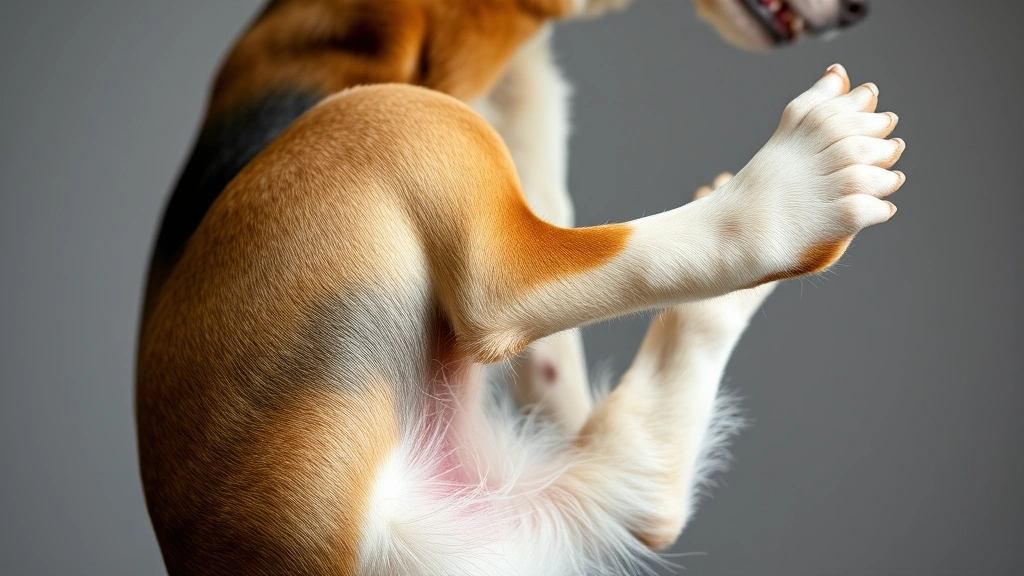
Every dog seems to have that one special spot—the “magic spot” or “sweet spot”—where scratching produces the most enthusiastic leg-kicking response. For many dogs, this spot is located on the lower back, just above the base of the tail, or along the sides and flanks. Some dogs, however, have particularly sensitive spots on their ribs, behind their ears, or even on their chest.
Finding your dog’s magic spot is part of the fun of dog ownership. It often requires a bit of experimentation and observation. Start by gently scratching different areas and watching for the most vigorous leg-kicking response. You’ll know you’ve found it when your dog’s hind leg starts going absolutely wild—some dogs will even try to scratch the same spot themselves or scoot along the ground trying to recreate the sensation.
Interestingly, the magic spot phenomenon is connected to how dogs scratch their beds and furniture to create comfortable sleeping areas. The areas where dogs have the most sensitive nerve endings are often the same spots they love to have scratched, which makes sense from a neurological standpoint. These areas are packed with sensory receptors, making them prime real estate for triggering that satisfying scratch reflex.
It’s worth noting that not all dogs enjoy scratching in the same way. Some prefer gentle, circular motions, while others like vigorous scratching. Some enjoy having multiple areas scratched, while others prefer to focus on one particular spot. Pay attention to your dog’s body language and vocalizations to understand their preferences. A happy, content dog will usually relax, lean into your hand, and maintain soft eye contact while you’re scratching their magic spot.

Is It Pleasure or Irritation?
One of the most common questions dog owners ask is whether the leg-kicking response indicates pleasure or irritation. The answer is: it can be both, depending on the context and how you interpret your dog’s overall body language. This is why it’s crucial to look at the complete picture rather than relying solely on the kicking motion to determine your dog’s feelings.
When your dog is experiencing pleasure from scratching, you’ll typically notice these additional signs: relaxed body posture, soft facial expression, ears in a neutral or slightly back position, possible tail wagging, leaning into your hand, and sometimes even closed eyes or a satisfied expression. Your dog might also vocalize with gentle whines or groans of contentment. These dogs are essentially saying, “Yes, please, more of that!” The leg-kicking is just the cherry on top of an overall contented demeanor.
Conversely, when your dog is experiencing irritation from scratching—perhaps because they have an itch they can’t quite reach or there’s something genuinely bothersome—you might notice: tense body posture, repeated attempts to scratch the same area themselves, skin redness or visible irritation, excessive scratching or licking at the spot after you stop, ears pinned back, or a focused, almost frantic expression. In these cases, the leg-kicking is part of a broader attempt to address an actual problem rather than simply enjoying a pleasant sensation.
The distinction matters because it helps you understand whether your dog genuinely enjoys your scratching sessions or whether they’re indicating a potential skin health issue that needs attention. If your dog seems to be kicking their legs more frequently than usual, or if you notice any signs of actual skin irritation, it’s worth consulting with your veterinarian to rule out allergies, parasites, or dermatological conditions.
Understanding why dogs like belly rubs and scratching in general can help you better interpret these signals. Most dogs genuinely enjoy physical affection when it’s delivered in the right way, and the scratch reflex is often a sign that you’re hitting the right spot at the right time.
Connection to Skin Health and Grooming
The scratch reflex serves an important function beyond just providing pleasant sensations to your dog. It’s intimately connected to your dog’s overall skin health and grooming behaviors. In the wild, dogs use scratching and the resulting leg-kicking motion to remove loose hair, dead skin cells, parasites, and environmental debris from their coat. This natural grooming mechanism helps keep their skin healthy and prevents infections.
When you scratch your dog, you’re essentially mimicking the natural grooming process, which is why many dogs find it so satisfying. You’re helping them maintain their coat health while also providing them with a pleasurable sensation. This is one reason why regular brushing and scratching sessions are beneficial for your dog’s overall wellbeing—they’re not just enjoyable, they’re also functional.
The leg-kicking reflex specifically serves to help dislodge whatever irritant or sensation triggered it. In a wild context, a dog kicking their hind leg rapidly would help shake off fleas, ticks, or insects that landed on their side or flank. Today, for well-cared-for indoor dogs, this reflex usually activates in response to your touch rather than actual parasites, but the mechanism remains the same.
Regular scratching and petting sessions can help you monitor your dog’s skin health. If you notice any unusual bumps, rashes, excessive scratching, or signs of parasites, you’ll catch them early. Additionally, the act of scratching stimulates blood flow to your dog’s skin, which promotes a healthy coat and can even help distribute natural oils throughout their fur. It’s a win-win situation for both you and your furry friend.
When You Should Be Concerned
While the scratch reflex is usually a completely normal and harmless behavior, there are situations where excessive scratching or leg-kicking might indicate an underlying health issue that requires veterinary attention. Knowing the difference between normal, pleasurable scratching and problematic scratching is essential for responsible dog ownership.
You should consider scheduling a veterinary appointment if you notice: excessive scratching that goes beyond the normal, playful leg-kicking response; visible skin irritation including redness, rawness, or open wounds; hair loss or bald patches; persistent itching that seems to bother your dog throughout the day; signs of parasites such as fleas or ticks; behavioral changes where your dog seems stressed or uncomfortable; or signs of infection including discharge, swelling, or odor coming from the scratched area.
Allergies are one of the most common reasons dogs scratch excessively. According to the ASPCA’s guide to common dog skin problems, allergic reactions can be triggered by food, environmental factors, or contact irritants. If your dog’s scratching seems excessive or is accompanied by other symptoms like ear infections, paw licking, or facial swelling, allergies might be the culprit.
Parasites like fleas and ticks can cause intense itching and lead to more frequent scratching and leg-kicking. Even if you maintain a regular flea prevention routine, it’s possible for your dog to pick up parasites, especially if they spend time outdoors. The American Kennel Club provides detailed information about flea prevention and treatment that can help you stay informed about parasite protection.
Skin infections, whether bacterial or fungal, can also cause excessive scratching. Yeast infections and ringworm are relatively common in dogs and can be quite uncomfortable. These conditions typically require professional diagnosis and treatment from your veterinarian.
If you’re unsure whether your dog’s scratching behavior is normal or concerning, it’s always better to err on the side of caution and contact your veterinarian. They can perform a thorough examination and help determine whether your dog is simply enjoying a good scratch or dealing with an actual health issue.
Additionally, be aware of how stress and anxiety can affect scratching behavior. Just as dogs need adequate rest and sleep, they also need mental stimulation and stress relief. Some dogs scratch more frequently when they’re anxious, bored, or not getting enough exercise. Ensuring your dog has plenty of physical activity, mental enrichment, and a calm environment can help reduce stress-related scratching.
Frequently Asked Questions
Why do dogs kick their back legs when you scratch them?
Dogs kick their back legs when scratched due to a spinal reflex that’s been preserved from their evolutionary past. When nerve endings on their skin are stimulated, particularly on the sides, flanks, or lower back, a signal travels to the spinal cord, which immediately triggers the hind leg muscles to kick. This reflex originally helped dogs dislodge parasites and irritants from their coat. The kicking motion is involuntary and doesn’t require conscious thought from your dog’s brain.
Is the scratch reflex the same in all dogs?
No, the scratch reflex varies from dog to dog. Some dogs have extremely responsive reflexes and will kick enthusiastically with just light scratching, while others might have a more muted response. Factors like individual sensitivity, breed predisposition, age, and overall health can all influence how pronounced a dog’s scratch reflex is. Additionally, some dogs have certain “magic spots” where the reflex is particularly strong.
Can excessive scratching indicate my dog is unhappy?
Not necessarily. Excessive scratching can indicate various things, from genuine enjoyment to underlying health issues like allergies, parasites, or skin infections. It’s crucial to observe your dog’s complete body language and overall demeanor. A happy dog scratching their magic spot will show signs of contentment, while a dog with a skin problem will often show signs of discomfort, stress, or frustration. When in doubt, consult your veterinarian.
Do all dogs like being scratched?
While most dogs enjoy appropriate scratching, individual preferences vary significantly. Some dogs absolutely love being scratched and will seek it out constantly, while others might prefer different types of physical affection like gentle petting or brushing. Additionally, dogs’ preferences can change based on their mood, energy level, and current comfort. It’s important to pay attention to your individual dog’s signals and respect their preferences. Understanding how dogs understand your affection can help you express love in ways they truly appreciate.
Is the scratch reflex dangerous for my dog?
No, the scratch reflex itself is not dangerous. It’s a normal, healthy neurological response that has been part of dog physiology for thousands of years. However, if your dog is scratching excessively or if the scratching is causing visible skin damage, that could indicate an underlying problem that needs attention. Regular scratching and leg-kicking in response to pleasant sensations is completely safe and normal.
Why does my dog kick their leg even when I’m not scratching them?
Dogs might kick their hind legs for various reasons beyond the scratch reflex. They might be trying to scratch an itch themselves, playing, stretching, or even dreaming. If your dog is kicking their legs frequently without any apparent trigger, it could indicate an underlying itch or skin issue that warrants veterinary attention. However, occasional leg-kicking during play or relaxation is completely normal behavior.
Can I use the scratch reflex to bond with my dog?
Absolutely! Regular scratching sessions can be a wonderful way to bond with your dog. Finding their magic spot and providing regular scratching sessions shows your dog that you understand and care about their comfort and happiness. These moments of physical affection strengthen your relationship and provide your dog with genuine pleasure and relaxation. Just make sure to pay attention to your dog’s signals to ensure they’re enjoying the experience.





