

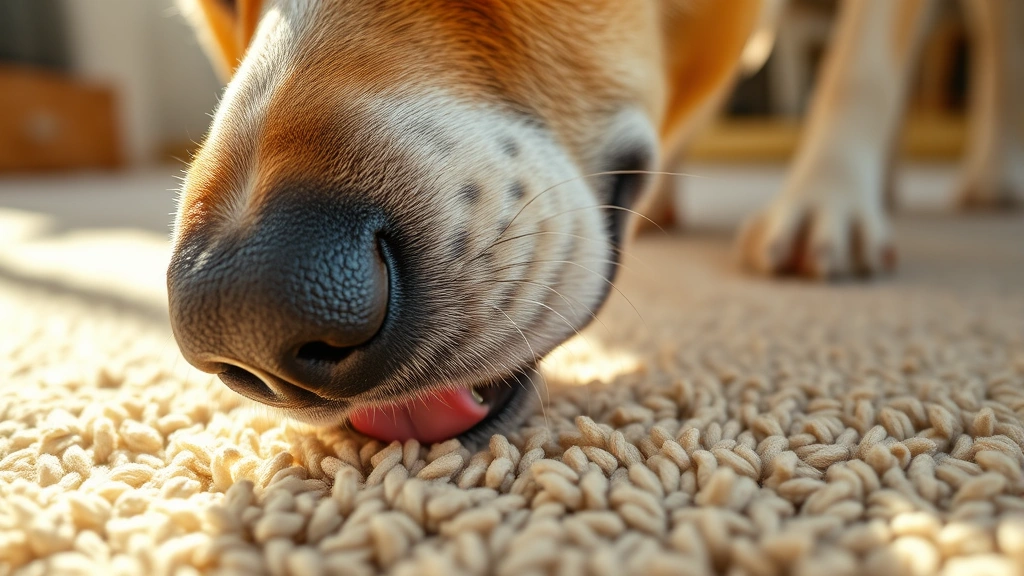
If you’ve ever wondered why do dogs lick carpet like it’s the most delicious thing they’ve ever encountered, you’re not alone. This quirky behavior drives pet parents absolutely bonkers, especially when Fido decides your expensive Persian rug is his personal lollipop. But here’s the thing: your dog isn’t trying to drive you crazy. There’s usually a legitimate reason behind all that carpet licking, and understanding the cause is the first step toward solving the problem.
Table of Contents
- The Medical Reasons Behind Carpet Licking
- Stress and Anxiety: The Emotional Angle
- Nutritional Deficiencies and Dietary Issues
- Boredom and Lack of Stimulation
- Seeking Attention (Even Negative Attention)
- Exploring Texture and Taste Preferences
- When to Call the Vet: Red Flags
- Proven Solutions to Stop Carpet Licking
- Environmental Modifications That Help
- Training Techniques for Carpet Licking
- When Anxiety Requires Extra Support
- The Role of Consistency and Patience
- Frequently Asked Questions
- Conclusion: Understanding Your Carpet-Licking Companion
Let’s dive into the mysterious world of canine carpet-licking behavior and figure out what’s really going on in that fuzzy little head of yours.
The Medical Reasons Behind Carpet Licking
Before you assume your dog’s just being weird (though they probably are), it’s worth knowing that dog licking carpet can signal underlying health issues. One of the most common culprits is gastrointestinal distress. Dogs experiencing nausea, acid reflux, or digestive upset often lick non-food items as a way to soothe their irritated stomachs. The repetitive licking motion can actually provide temporary relief, kind of like how humans might chew gum when they’re feeling queasy.
Another medical possibility is a condition called pica, where dogs compulsively eat or lick non-food items. This can stem from nutritional deficiencies, malabsorption issues, or even neurological problems. If your pup is constantly licking the carpet to the point of obsession, a vet visit is definitely in order. Your veterinarian can rule out conditions like lethargic dog syndrome or other underlying health concerns that might manifest as unusual licking behavior.
Parasites and skin allergies are also sneaky culprits. Dogs with fleas, mites, or allergies often lick excessively as they try to scratch an itch they can’t quite reach. Sometimes they’ll lick the carpet as a displacement behavior when their skin is driving them absolutely nuts.
Stress and Anxiety: The Emotional Angle
Just like humans bite their nails when nervous, dogs lick carpet when they’re stressed out. Separation anxiety, thunderstorm phobia, or changes in their environment can trigger obsessive licking as a self-soothing mechanism. It’s basically your dog’s version of a security blanket, except it’s a security carpet.
If your dog starts licking the carpet more frequently during storms, when you leave the house, or after a major life change (like moving or a new pet), anxiety is likely the culprit. The repetitive nature of licking releases endorphins, which helps calm their nervous system. It’s actually a pretty clever coping mechanism, even if it does destroy your flooring.
Nutritional Deficiencies and Dietary Issues
Sometimes why dogs lick carpet comes down to what’s in their bowl. If your dog isn’t getting adequate nutrition, they might resort to licking carpet fibers in an attempt to find missing nutrients. This is especially true for dogs eating low-quality kibble that doesn’t provide complete and balanced nutrition.
Protein deficiencies, vitamin B deficiencies, and mineral imbalances can all trigger pica-like behavior. Additionally, some dogs with food sensitivities or allergies experience gastrointestinal inflammation that leads to excessive licking. Switching to a higher-quality dog food or adding supplements like mashed pumpkin for dogs can sometimes help resolve the behavior. Always consult your vet before making dietary changes, though.
Boredom and Lack of Stimulation
Let’s be honest: sometimes dogs lick carpet because they’re just plain bored. If your pup isn’t getting enough physical exercise, mental stimulation, or playtime, they’ll find ways to entertain themselves. And apparently, the texture of carpet is endlessly fascinating to some dogs.
Dogs need both physical activity and mental enrichment. A dog that spends eight hours alone in the house without toys, puzzle feeders, or interactive games will eventually turn to carpet licking as a form of self-entertainment. It’s not ideal, but it makes sense from a behavioral standpoint.
Seeking Attention (Even Negative Attention)
Here’s a truth bomb: your dog might be licking the carpet specifically because it gets a reaction from you. If every time your dog licks the carpet you run over, yell, or give them attention, they’ve learned that carpet licking = human interaction. Even negative attention is attention to a dog.
This is why it’s crucial not to make a huge fuss when you catch your dog mid-lick. Instead, redirect them to an appropriate activity and reward the better behavior. It sounds simple, but breaking the attention-seeking cycle can dramatically reduce carpet licking in many dogs.
Exploring Texture and Taste Preferences
Some dogs are just sensory seekers. They enjoy the texture of carpet fibers on their tongue, and the slight taste (especially if you’ve spilled food on the carpet before) keeps them coming back. This is particularly common in puppies, who explore the world primarily through their mouths.

Certain carpet materials might be more appealing than others. A dog might ignore your hardwood floors but obsess over the shag carpet in the bedroom. Understanding your dog’s texture preferences can help you manage the behavior more effectively.
When to Call the Vet: Red Flags
While occasional carpet licking is usually harmless, certain situations warrant a veterinary visit. If your dog is licking the carpet excessively (several hours per day), showing signs of distress, losing weight, or displaying other behavioral changes, it’s time to call your vet.
Additionally, if the licking is accompanied by vomiting, diarrhea, loss of appetite, or lethargy, these could indicate serious medical issues. Your vet can perform diagnostics to rule out parasites, allergies, nutritional deficiencies, and gastrointestinal diseases. According to the American Kennel Club, excessive licking can sometimes indicate more serious underlying conditions that require professional evaluation.
Proven Solutions to Stop Carpet Licking
Now that you understand the potential causes, let’s talk solutions. First, increase your dog’s physical exercise. A tired dog is a well-behaved dog. Aim for at least 30 minutes of moderate activity daily, adjusted based on your dog’s age and breed.
Second, provide mental stimulation through puzzle toys, interactive games, and training sessions. Engage your dog’s brain, and they’ll have less time and energy for carpet licking. Third, ensure your dog is eating a high-quality, nutritionally complete diet. If you suspect nutritional deficiencies, consult your vet about supplementation.
Fourth, manage stress and anxiety through training, desensitization, and potentially calming supplements or medications prescribed by your vet. Fifth, use deterrents like bitter sprays on carpet areas your dog targets, though these work better when combined with positive redirection.
Finally, never punish your dog for licking the carpet. Punishment creates anxiety, which often makes the behavior worse. Instead, catch them in the act of good behavior (not licking) and reward generously.
Environmental Modifications That Help
Consider using area rugs that you can easily remove and wash rather than wall-to-wall carpet. This makes cleanup easier and gives you more control over your dog’s access to carpet. You can also use baby gates to restrict your dog’s access to heavily carpeted areas while you work on the underlying cause.
Some pet parents find success with covering problem areas with furniture or using carpet runners that are less appealing to lick. According to PetMD, environmental management is often as important as behavioral modification when addressing compulsive licking behaviors.
Training Techniques for Carpet Licking
Teach your dog a strong “leave it” command. This gives you a way to redirect the behavior when you catch it happening. Use high-value treats to reward your dog for walking past the carpet without licking it. Make ignoring the carpet more rewarding than licking it.
You can also teach an incompatible behavior. For example, train your dog to sit and stay when they feel the urge to lick. A sitting dog can’t be licking the carpet, right? Use positive reinforcement to make the alternative behavior more appealing than the problematic one.
When Anxiety Requires Extra Support
If stress and anxiety are the primary causes of your dog’s carpet licking, you might need to explore additional support options. Anxiety wraps, calming treats, and pheromone diffusers can all help. In some cases, your vet might recommend anti-anxiety medications or refer you to a certified animal behaviorist.
Conditions like false pregnancy in dogs can also trigger unusual behaviors, so it’s worth discussing all possibilities with your veterinarian. Additionally, as dogs age, they may develop behavioral changes that require patience and understanding, much like the considerations discussed regarding is it cruel to keep a blind dog.
The Role of Consistency and Patience
Fixing carpet-licking behavior doesn’t happen overnight. You need consistency from everyone in your household and patience with your dog. If one family member allows the behavior while another punishes it, your dog gets confused and the problem persists.
Create a household plan addressing the root cause, and stick with it. Most behavioral issues improve within 2-4 weeks of consistent intervention, though some cases take longer. Track your dog’s licking frequency to monitor progress and adjust your approach if needed.
Frequently Asked Questions
Is carpet licking dangerous for my dog?
Occasional carpet licking is usually harmless, but excessive licking can lead to intestinal blockages if your dog ingests large amounts of carpet fibers. Additionally, the underlying cause of the licking (like parasites or anxiety) might pose health risks if left untreated. When in doubt, consult your veterinarian about your dog’s specific situation and licking patterns.
Can I use bitter sprays to stop carpet licking?
Bitter sprays can be helpful as a deterrent, especially for specific carpet areas. However, they work best when combined with addressing the underlying cause. If your dog is licking due to anxiety or nutritional deficiency, a bitter spray alone won’t solve the problem. Use deterrents as part of a comprehensive approach rather than a standalone solution.
How long does it take to stop carpet licking behavior?
Timeline varies depending on the cause and consistency of intervention. Behavioral issues typically improve within 2-4 weeks, while medical issues might require longer treatment. Some dogs respond within days once their underlying condition is treated, while others need months of behavioral modification and training.
Should I be worried if my dog licks carpet occasionally?
Occasional carpet licking is usually not a cause for concern, especially if your dog is otherwise healthy and happy. However, if the behavior is new, increasing in frequency, or accompanied by other symptoms, it’s worth mentioning to your vet. Any sudden behavioral changes warrant at least a quick check-in with your veterinarian.
Can diet changes really stop carpet licking?
Diet can definitely play a role, especially if nutritional deficiencies or food sensitivities are contributing to the behavior. Switching to a higher-quality food with better digestibility and nutritional completeness sometimes dramatically reduces licking. However, diet is usually just one piece of the puzzle, not the complete solution.
Conclusion: Understanding Your Carpet-Licking Companion
So, why do dogs lick carpet? The answer is rarely just one thing. It could be medical, behavioral, nutritional, or emotional—or a combination of several factors. The key is to observe your dog carefully, note when the licking occurs, and consult with your veterinarian to rule out health issues.
Once you’ve identified the underlying cause, you can implement targeted solutions. Whether that’s increasing exercise, improving diet, managing anxiety, or simply providing better mental stimulation, addressing the root cause is far more effective than trying to suppress the symptom.
Remember that your dog isn’t licking the carpet to spite you or destroy your home. They’re communicating that something isn’t quite right, whether that’s a physical discomfort, emotional need, or simple boredom. By taking the time to understand the “why” behind the behavior, you’ll be better equipped to help your furry friend and protect your flooring in the process.
Be patient, be consistent, and don’t hesitate to seek professional help if the behavior persists. Your dog is counting on you to be their advocate, and addressing this behavior shows you truly care about their wellbeing.





