
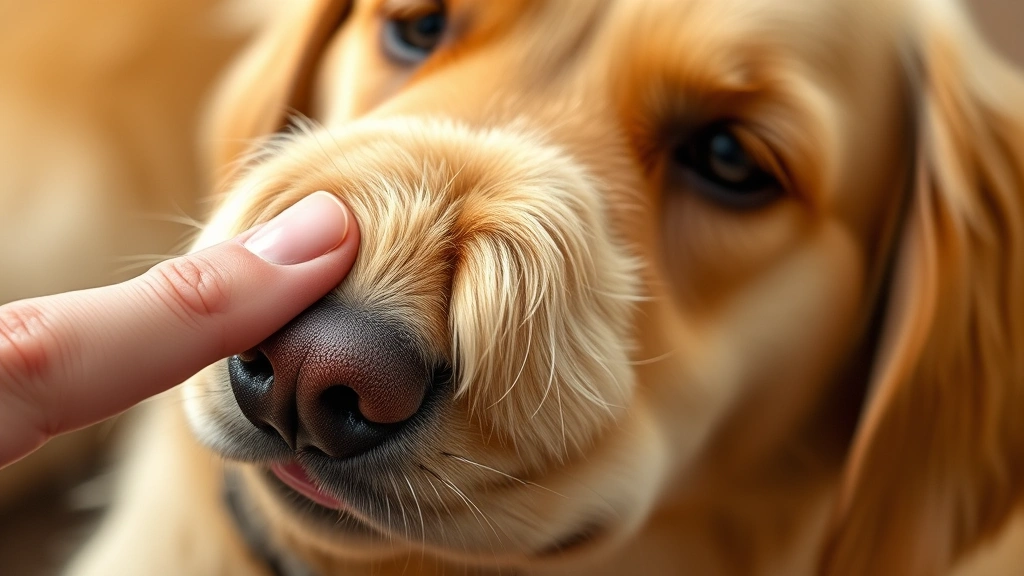
If you’ve ever wondered why do dogs lick paws constantly, you’re not alone—this is one of the most common questions veterinarians hear from frustrated dog parents. Your pup might be doing it out of boredom, or it could signal something more serious like allergies, infections, or anxiety. The truth is, paw licking is your dog’s way of communicating that something’s off, and understanding the root cause is the first step to helping them feel better.
Table of Contents
- The Normal vs. The Concerning: When Paw Licking Becomes a Problem
- Allergies: The Number One Culprit Behind Excessive Paw Licking
- Skin Infections and Yeast: The Itchy Aftermath
- Anxiety and Stress: The Psychological Component
- Parasites and Fleas: The Microscopic Menace
- Joint Pain and Arthritis: The Age-Related Issue
- Injuries and Foreign Objects: The Obvious Overlooked
- Digestive Issues and Nutritional Imbalances
- Boredom and Habit: The Behavioral Reason
- How to Identify the Root Cause: A Diagnostic Approach
- Solutions and Treatment Options: From Home Remedies to Professional Help
- Frequently Asked Questions
- Conclusion: Understanding Your Dog’s Paw Licking
The Normal vs. The Concerning: When Paw Licking Becomes a Problem
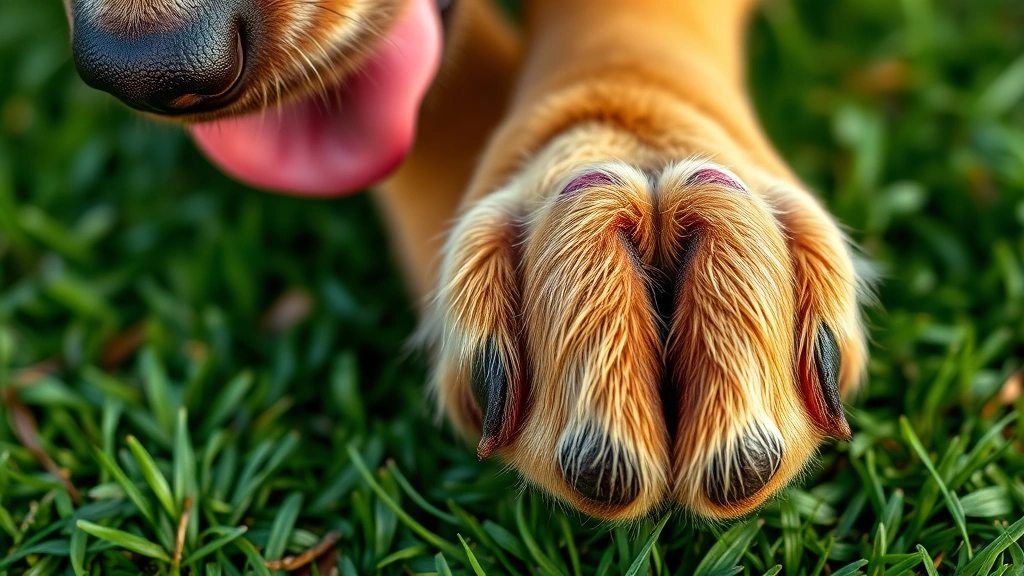
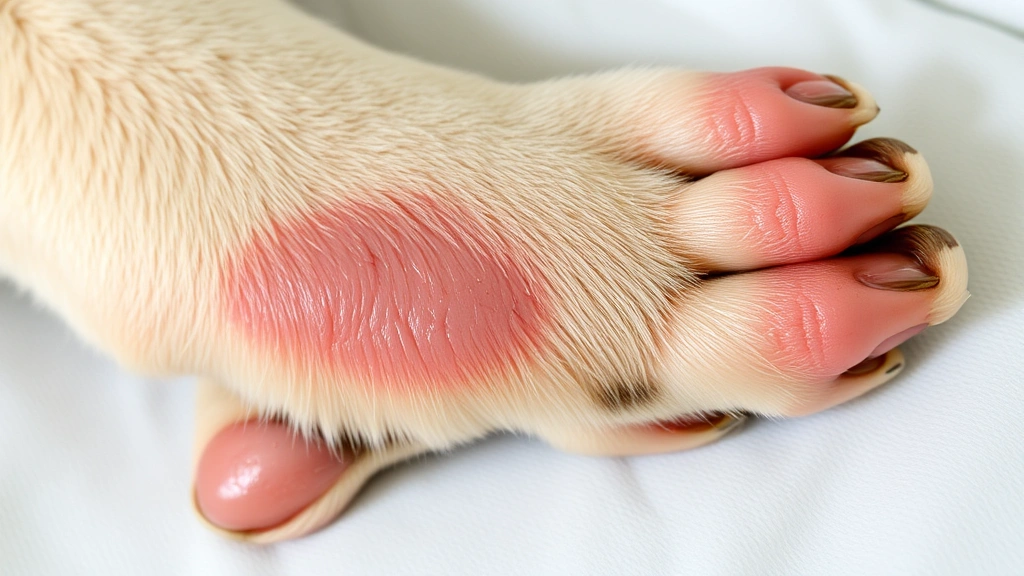
Dogs lick their paws for various reasons, and not all of them warrant a trip to the vet. A quick lick here and there after playtime? Totally normal. Your dog grooming their feet before bed? Expected behavior. But when paw licking becomes obsessive—we’re talking constant, all-day licking that leaves their paws red, raw, or inflamed—that’s your signal to investigate further. The difference between casual licking and compulsive behavior is crucial. Obsessive paw licking can lead to secondary infections, hair loss, and serious skin damage if left unchecked.
Allergies: The Number One Culprit Behind Excessive Paw Licking
Allergies are the MVP of paw-licking causes, accounting for roughly 50% of all cases. Dogs can develop allergies to food, environmental factors, or contact allergens, and their paws are often the first place they show symptoms. Why? Because paws are in constant contact with the ground, dust, pollen, and whatever else lurks in your yard. Paw licking in dogs with allergies often happens seasonally or year-round, depending on the allergen. Common culprits include chicken, beef, wheat, and corn in their diet, or environmental triggers like pollen and mold. If your dog’s licking is accompanied by itchy ears, red eyes, or skin rashes elsewhere on their body, allergies are likely the villain. According to the American Kennel Club, certain breeds like Retrievers and Bulldogs are genetically predisposed to allergic reactions.

Skin Infections and Yeast: The Itchy Aftermath
When dogs lick their paws excessively, they create a moist environment that’s basically a five-star resort for yeast and bacteria. Yeast dermatitis is incredibly common in dogs, especially between the toes and in skin folds. Your dog might develop a secondary infection that actually causes MORE licking, creating a vicious cycle. The telltale sign? A musty, corn-chip-like smell coming from your dog’s paws (vets call this “Frito Feet”). Bacterial infections can also develop, turning the skin red, swollen, and potentially oozing. If you notice any of these symptoms, a vet visit is non-negotiable. PetMD’s veterinary team recommends treating these infections promptly to prevent them from spreading to other areas of the body.

Anxiety and Stress: The Psychological Component
Sometimes the reason your dog licks their paws has nothing to do with physical discomfort and everything to do with their mental state. Dogs experiencing anxiety, stress, or boredom often resort to paw licking as a self-soothing mechanism—it’s their version of stress eating or nail-biting. This is called acral lick dermatitis when it becomes compulsive, and it’s more common in anxious breeds or dogs left alone for extended periods. Changes in routine, new pets, moving homes, or separation anxiety can all trigger this behavior. The irony? The licking itself can cause skin damage, which then creates a physical reason to keep licking. It’s a psychological-physical feedback loop that requires patience and behavioral intervention to break.
Parasites and Fleas: The Microscopic Menace
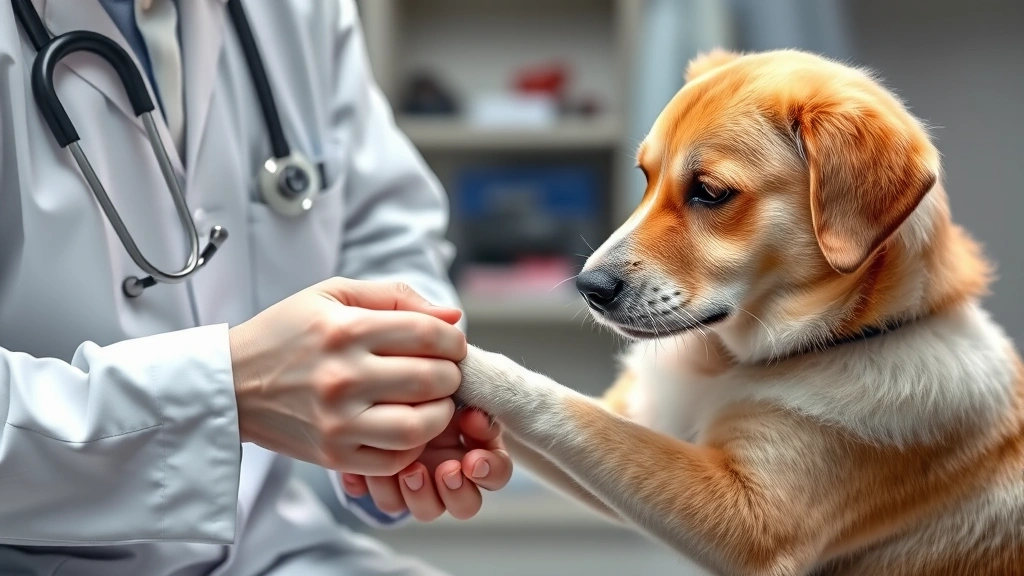
Even if you’re diligent with flea prevention, parasites can still sneak past your defenses. Fleas, mites, and lice cause intense itching, and your dog’s paws become a prime target for relief-seeking licking. Some dogs are hypersensitive to flea saliva, meaning even a single flea bite can trigger weeks of itching. UC Davis School of Veterinary Medicine emphasizes that year-round parasite prevention is essential, even in cooler climates. If you notice your dog licking their paws alongside scratching other body parts, hair loss, or visible parasites, parasites are your likely culprit. Don’t assume your prevention method is foolproof—some parasites have developed resistance to older treatments.

Joint Pain and Arthritis: The Age-Related Issue
As dogs age, joint pain becomes increasingly common. Dogs with arthritis or other joint issues often lick their affected paws as a way to self-soothe the discomfort. This is particularly true for older dogs or those with previous injuries. The licking might be concentrated on one paw if there’s localized pain, or it could involve multiple paws if arthritis is widespread. If your senior dog has suddenly started excessive paw licking, joint issues might be the cause. Joint supplements for dogs can help manage discomfort, but a veterinary exam is essential to rule out other causes and create an appropriate pain management plan.

Injuries and Foreign Objects: The Obvious Overlooked
Sometimes the simplest explanation is the correct one. Your dog might be licking their paws because there’s literally something bothering them—a thorn, splinter, piece of glass, or burr stuck between their toes. After walks in nature or through rough terrain, always check your dog’s paws thoroughly. Injuries like cuts, abrasions, or even fungal infections from contaminated environments can cause localized paw licking. A quick inspection under good lighting can reveal obvious problems that are easily fixed with removal and cleaning.

Digestive Issues and Nutritional Imbalances
There’s an interesting connection between digestive health and paw licking that many dog owners miss. Dogs with digestive problems, food sensitivities, or nutritional deficiencies sometimes resort to paw licking as a symptom. If your dog is experiencing constipation or other digestive issues, their overall discomfort might manifest as paw licking. My dog is constipated is a common concern that can sometimes correlate with increased paw licking. Additionally, deficiencies in omega-3 fatty acids, zinc, or B vitamins can lead to skin problems and subsequent licking behavior. A balanced diet with appropriate supplements can sometimes resolve the issue entirely.
Boredom and Habit: The Behavioral Reason
Not every case of paw licking indicates a medical emergency. Sometimes your dog is simply bored out of their mind. Dogs need mental stimulation and physical exercise, and when they don’t get enough, they develop self-directed behaviors like paw licking. This is especially true for high-energy breeds left alone for long periods. The behavior can become habitual—your dog licks their paws because they’ve always done it, not necessarily because something’s wrong. Breaking this habit requires increased exercise, enrichment activities, puzzle toys, and interactive play. Is Monstera toxic to dogs might seem unrelated, but ensuring your home environment is safe and enriching (without toxic plants) is part of comprehensive dog care.

How to Identify the Root Cause: A Diagnostic Approach
Figuring out why your dog licks their paws requires some detective work. Start by observing the pattern: Is it constant or intermittent? Does it happen at specific times? Is it seasonal? Check the paws themselves for visible signs—redness, swelling, hair loss, odor, or discharge. Consider your dog’s recent history: Has anything changed in their diet, environment, or routine? Are they stressed or anxious? Have you noticed other symptoms like ear scratching, eye discharge, or digestive issues? Write down these observations before visiting your vet, as they’ll help narrow down the possibilities. A veterinary examination, possibly including skin scrapings, fungal cultures, or allergy testing, might be necessary for a definitive diagnosis.
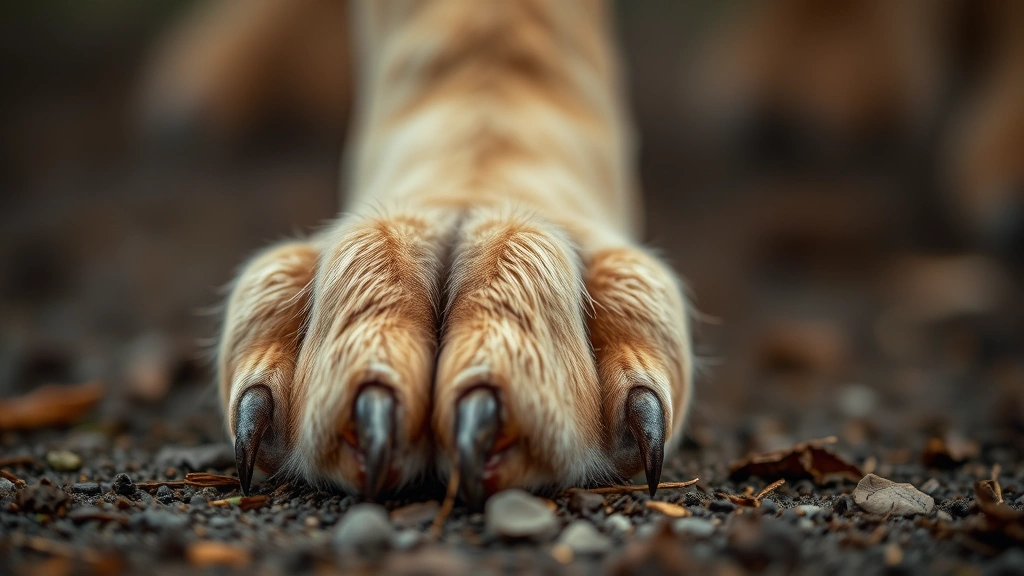
Solutions and Treatment Options: From Home Remedies to Professional Help
The treatment approach depends entirely on the underlying cause. For allergies, your vet might recommend dietary changes, antihistamines, or immunotherapy. For infections, antibiotics or antifungal medications are necessary. Anxiety-related licking might require behavioral modification, training, increased exercise, or even anti-anxiety medication. Is diatomaceous earth safe for dogs is a question some owners ask when seeking natural parasite solutions, though this should only be considered under veterinary guidance. In the meantime, you can help by keeping paws clean and dry, using paw balms to create a protective barrier, applying warm compresses to soothe irritation, and ensuring your dog gets adequate exercise and mental stimulation. Never ignore persistent paw licking—early intervention prevents secondary infections and reduces your dog’s discomfort.
Frequently Asked Questions
Is it normal for dogs to lick their paws?
Yes, occasional paw licking is completely normal grooming behavior. Dogs lick their paws to keep them clean, especially after meals or outdoor activities. However, if the licking becomes excessive, obsessive, or causes visible damage to the skin, it’s time to investigate the cause and seek veterinary advice.
When should I take my dog to the vet for paw licking?
Schedule a vet visit if your dog’s paw licking is constant, causing redness or hair loss, accompanied by other symptoms like ear scratching or skin rashes, producing an odor, or if you notice swelling or discharge. Also seek help if the behavior is new and sudden, as this often indicates a medical issue.
Can I treat paw licking at home?
Some cases can be managed at home with increased exercise, environmental enrichment, and paw care, but most underlying causes require professional diagnosis and treatment. Home remedies like paw soaks, balms, and protective booties can supplement veterinary treatment but shouldn’t replace professional care.
How long does it take to resolve paw licking?
Recovery time depends on the cause. Parasite-related licking might improve within weeks of treatment, while allergy-related issues could take months to resolve as you identify and eliminate triggers. Behavioral licking might require ongoing management and training.
Can paw licking cause permanent damage?
Yes, chronic excessive licking can cause permanent hair loss, thickened skin, scarring, and chronic infections. This is why addressing the behavior early is so important—prevention of long-term damage is easier than treating established problems.
Conclusion: Understanding Your Dog’s Paw Licking
Why do dogs lick paws? The answer isn’t always simple, but it’s always worth investigating. Whether it’s allergies, infections, anxiety, parasites, joint pain, or simple boredom, understanding the root cause is essential to helping your furry friend feel better. Most cases of excessive paw licking are treatable once properly diagnosed, so don’t hesitate to consult your veterinarian. In the meantime, observe your dog carefully, keep their paws clean and dry, and provide plenty of exercise and mental stimulation. Your dog’s paws carry them through life—make sure they’re healthy, comfortable, and happy.





